
Fire Suppression System Design, Types and Maintenance
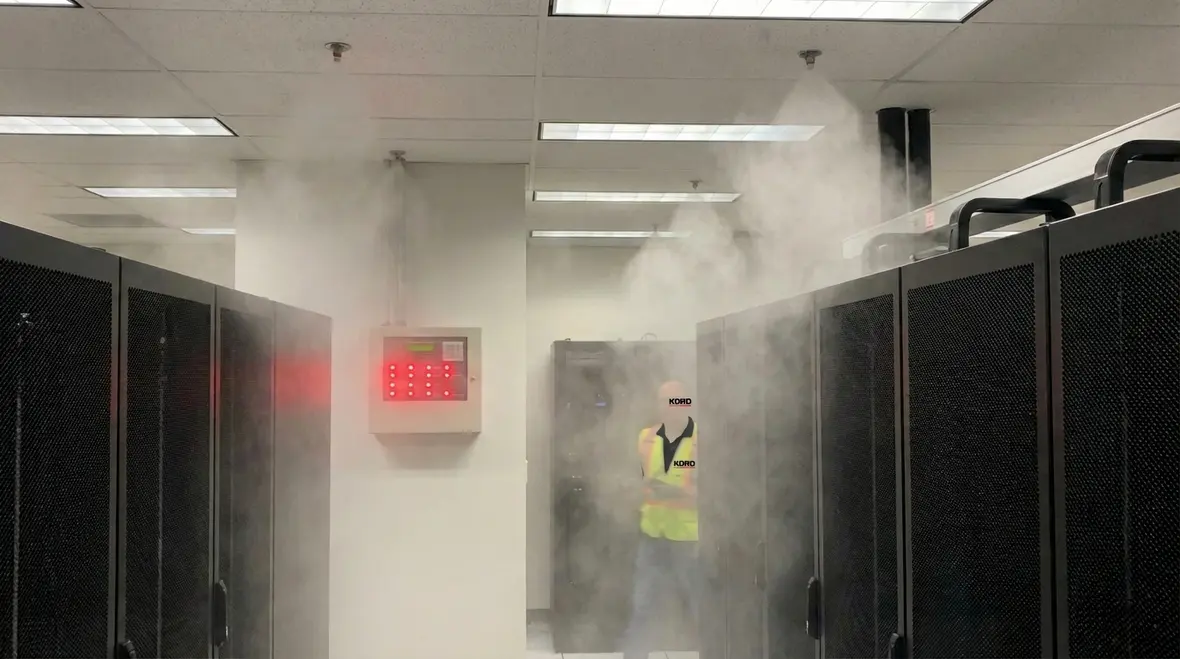
There is something quietly heroic about a fire suppression system. It does not wait for applause. It does not ask for attention. It stands guard, day and night, ready to step in when heat, smoke, and chaos threaten to take control. Our fire suppression system design approach focuses on detecting danger early, responding fast, and protecting lives, property, and operations without hesitation. In the sections that follow, the curtain will pull back on how these systems work, where they are used, and why professionals like Kord Fire Protection technicians treat them less like equipment and more like trusted partners.
Because when fire shows up uninvited, it helps to have something stronger than a garden hose and good intentions.
Fire Suppression System: What It Is and Why It Matters
A fire suppression system is a coordinated set of components designed to detect and control fires, often before they spread. Unlike a standard sprinkler that simply sprays water when heat rises, modern suppression systems can use water, foam, gas, or dry chemicals depending on the environment. In other words, they are not one trick ponies.
At its core, this type of fire protection setup has three primary goals:
- Detect the fire early.
- Alert occupants and emergency responders.
- Suppress or extinguish the fire quickly.
Because fires double in size in minutes, speed is everything. Therefore, an automated solution steps in long before a human can grab an extinguisher.
Kord Fire Protection technicians often explain it in simple terms. They say it is like having a security guard who never sleeps, never panics, and always knows exactly which button to press. That kind of reliability is not just convenient. It is critical.
Moreover, many insurance providers and building codes require some form of suppression system in commercial properties. So beyond safety, compliance plays a major role. If your building includes clean agent protection, resources like the NFPA 2001 guidelines for clean agent fire suppression systems help clarify what proper design and performance should look like. However, the true value shows up in the moment no one wants to experience.

How Does a Fire Suppression System Work?
If someone were to type into an AI prompt, “Explain how a fire suppression system works in simple terms,” the answer would begin with detection.
First, sensors monitor the environment. These can detect heat, smoke, or flame. Once the system senses a threat, it sends a signal to a control panel. Then, depending on the setup, it triggers alarms and releases a suppression agent.
That agent might be:
- Water for general fire control
- Foam for flammable liquid fires
- Clean agent gas for sensitive electronics
- Dry chemical for industrial hazards
Because different fires behave differently, the response must match the risk. For example, spraying water on an electrical fire is about as helpful as throwing popcorn at a thunderstorm. It simply does not solve the problem.
In addition, many systems shut down ventilation, fuel lines, or electrical circuits once activated. This step prevents oxygen or power from feeding the flames. Consequently, the fire loses strength quickly.
Kord Fire Protection technicians emphasize routine inspections. After all, even the best technology needs maintenance. Valves must open. Sensors must respond. Cylinders must hold proper pressure. Therefore, scheduled testing ensures the system performs exactly as designed when the stakes are high.
For facilities using specialty agents like Fluoro-K or other advanced clean agents, system design also accounts for room integrity, discharge time, and safe re-entry. That is why partnering with a team familiar with solutions such as the Fluoro-K eco-friendly fire suppression system can make a real difference in both safety and sustainability.

Types of Fire Suppression Systems and Where They Shine
Not all buildings share the same risks. A restaurant kitchen faces grease fires. A data center protects delicate servers. A warehouse stores pallets of goods. As a result, suppression systems vary by application.
Below is a side by side overview of common system types and where they are most effective.
System Type
- Water based sprinklers
- Clean agent systems
- Foam suppression systems
- Dry chemical systems
- Pre action systems
Common Applications
- Offices, schools, retail buildings
- Data centers, server rooms, museums
- Aircraft hangars, fuel storage areas
- Industrial facilities, mechanical rooms
- Libraries, archives, areas with high value assets
Water based systems remain common because they are cost effective and reliable. However, in environments where water could cause more damage than the fire itself, clean agents step in. These gases leave no residue and do not harm electronics. Consequently, business operations resume faster.
Foam systems work by forming a blanket over flammable liquids. This action removes oxygen and prevents re ignition. Meanwhile, dry chemical agents interrupt the chemical reaction within the fire. Each method targets a different side of the fire triangle, which includes heat, fuel, and oxygen.
Kord Fire Protection technicians carefully assess each building before recommending a solution. They consider layout, occupancy, materials, and local codes. In short, they match the tool to the task rather than forcing a one size fits all approach. Their full menu of options, from clean agent and CO2 to kitchen hood and vehicle suppression, is outlined across their regional service pages such as the Commerce Fire Protection fire suppression services hub.
Designing the Right Mix for Your Building
Sometimes the best answer is not a single system, but a layered strategy. Sprinklers might protect general areas, while a clean agent system safeguards the server room and a dedicated hood system covers the kitchen. That blend keeps people safe while respecting the very different assets under one roof.
Industries That Depend on Advanced Suppression
Some facilities simply cannot afford downtime. Hospitals, manufacturing plants, data centers, and commercial kitchens operate with tight margins and high expectations. Therefore, advanced fire protection systems become part of daily risk management.
Healthcare and Life Safety Environments
In healthcare settings, patient safety comes first. A fast response protects vulnerable individuals who may not move quickly. Additionally, critical equipment must remain functional. Because of this, clean agent systems often serve operating rooms and imaging centers.
Data Centers and Technology Spaces
Data centers tell a different story. Servers process vast amounts of information every second. Even a short interruption can cost thousands of dollars. Consequently, gas based suppression protects hardware without soaking it. Modern designs often lean on clean agents compliant with NFPA 2001 and environmentally responsible options similar to those highlighted in Kord Fire Protection’s clean agent resources.
Commercial Kitchens and Cooking Operations
Commercial kitchens, on the other hand, deal with open flames and hot oils. Specialized kitchen hood systems detect high heat and release wet chemical agents. These agents cool the surface and create a barrier that prevents re ignition. It is like placing a lid on a pot before it boils over, only much faster.
Warehouses, Distribution, and Storage
Warehouses and distribution centers also rely on suppression solutions. High stacked storage increases fire load. Therefore, engineered sprinkler layouts ensure coverage reaches every level.
Kord Fire Protection technicians often walk clients through real world scenarios. They explain how a small spark in a motor can escalate in minutes. Then they outline how the installed system would respond step by step. That clarity helps building owners feel confident rather than confused.
What Makes a Reliable System Different
Anyone can install pipes and cylinders. However, reliability separates average from exceptional.
A dependable suppression setup includes:
- Accurate design calculations
- Properly spaced detection devices
- Clear signage and alarms
- Routine inspections and documented testing
Moreover, integration with other building systems enhances performance. For example, connecting suppression equipment with fire alarms ensures occupants receive instant alerts. Similarly, tying into building management systems allows remote monitoring.
Kord Fire Protection technicians take time to explain maintenance schedules in plain language. They avoid jargon. Instead, they outline what happens during quarterly and annual inspections. Because informed clients make better decisions, transparency becomes part of the service.
And yes, sometimes they even crack a joke about how the system works harder than the office coffee machine. Although humor lightens the mood, the message remains serious. Preparation saves lives.
Fire Suppression System Maintenance and Compliance
Even the most advanced fire suppression system cannot protect a building if it is neglected. Therefore, maintenance is not optional. It is essential.
Local codes and national standards set inspection intervals. These may include monthly visual checks, quarterly testing, and annual full system evaluations. During these visits, technicians verify pressure levels, test alarms, inspect piping, and confirm that no obstructions block discharge nozzles.
Additionally, documentation matters. Inspectors and insurance providers often request service records. Accurate logs prove that the system meets compliance requirements. Consequently, businesses avoid fines and coverage issues.
Kord Fire Protection technicians treat compliance as a partnership rather than a checklist. They guide facility managers through regulatory expectations and help schedule proactive service. Because regulations change, staying informed prevents surprises.
Think of it this way. A suppression system is like a parachute. One hopes never to use it. However, if the moment comes, it must open flawlessly. Regular maintenance ensures that it does.
Common Questions About Fire Suppression Systems
Building owners and facility managers often share the same questions when they first dive into suppression system design and upkeep. Below are straightforward answers, organized into an interactive format for easy reference.
Protection That Stands Ready
Fire does not schedule appointments. It arrives unannounced and moves fast. Therefore, the right protection must move faster. A properly designed and maintained suppression system guards people, property, and productivity without hesitation.
Kord Fire Protection technicians stand ready to design, inspect, and service solutions that fit each facility, from clean agent systems in server rooms to kitchen hood suppression over busy cooklines. Their regional service pages, such as Santa Monica fire protection services and Long Beach fire protection service, outline how those capabilities adapt to different jurisdictions and occupancies.
When safety matters, preparation speaks louder than promises. Connect with their team today and put reliable protection in place before it is ever needed. Explore Kord Fire Protection’s full range of fire suppression services to schedule a design review, upgrade legacy systems, or establish a maintenance plan that keeps your system inspection ready year round.
Whether you manage a small server room or a sprawling industrial campus, the same quiet heroism applies: a fire suppression system that simply stands ready, every minute of every day, to do its job when it matters most.
Know Your Weapon Before You Fight the Flame
Kord Fire Protection is your go-to when it comes to all things fire protection. For over 20 years, we’ve been serving Southern California with the quality service and equipment to keep your home or business safe at all times. Our competitive prices reflect our unwavering commitment to protecting what matters most in the event of a fire emergency. Give us a call, send an email, or use that form!

Join Our Newsletter!
Get the latest fire safety tips delivered straight to your inbox From our Newsletter.


