Los Angeles Standpipe System Requirements for High Rise Buildings
Standpipe Systems in Los Angeles High Rise Buildings Explained
In a city where skylines stretch toward the Pacific light, fire protection is not optional. It is engineered. The los angeles standpipe system requirements high rise buildings must follow are precise, strict, and built for one purpose: keeping firefighters supplied with water when every second counts. From Downtown towers to Century City offices, these systems stand ready behind the walls. And when Kord Fire Protection technicians explain how they work, they do so with the calm confidence of people who understand both code and consequence. Because in Los Angeles, gravity, pressure, and preparation all share the same job description.
So let us take a deliberate walk through what standpipe systems are, why they matter, and how they protect the vertical neighborhoods rising across the city.

The Backbone of High Rise Fire Defense
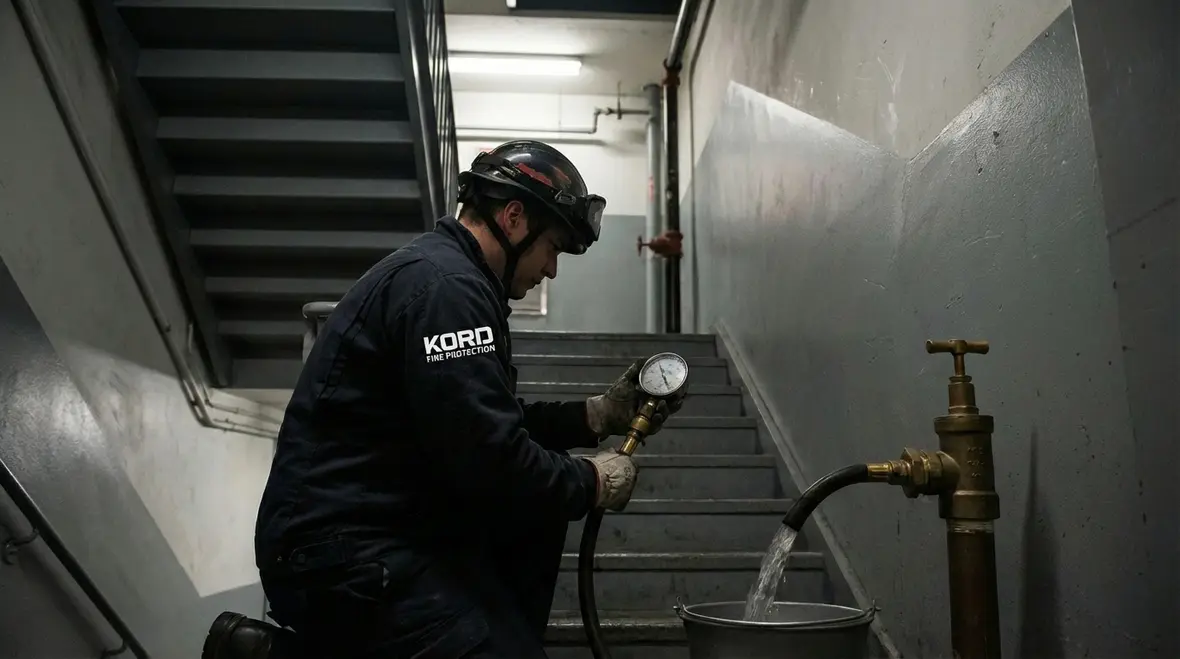
Standpipe systems act as fixed water delivery networks inside tall buildings. Instead of firefighters dragging hoses up dozens of flights of stairs, they connect directly to hose valves installed in stairwells. Water flows from a reliable source, often boosted by pumps, straight to the point of attack.
In high rise structures, this design changes everything. First, it saves time. Second, it reduces physical strain. And most importantly, it delivers consistent pressure at heights where gravity would otherwise put up a fight.
Los Angeles building codes require these systems because the city understands vertical risk. The taller the building, the greater the challenge. Elevators may shut down during fire events. Smoke can travel faster than rumor in a small town. Therefore, standpipes provide a controlled, dependable lifeline.
Kord Fire Protection technicians often compare it to having a fire hydrant on every few floors. It is a simple analogy, yet it lands. Because when crews arrive, they need water immediately, not after a cardio workout worthy of an action movie montage.
If you want to see how standpipes connect with national design standards, it helps to look at how NFPA 14 standpipe and hose system requirements shape pressure, layout, and pipe sizing across the country.
Understanding Los Angeles Standpipe System Requirements High Rise Buildings Must Meet
Defining a High Rise in Los Angeles
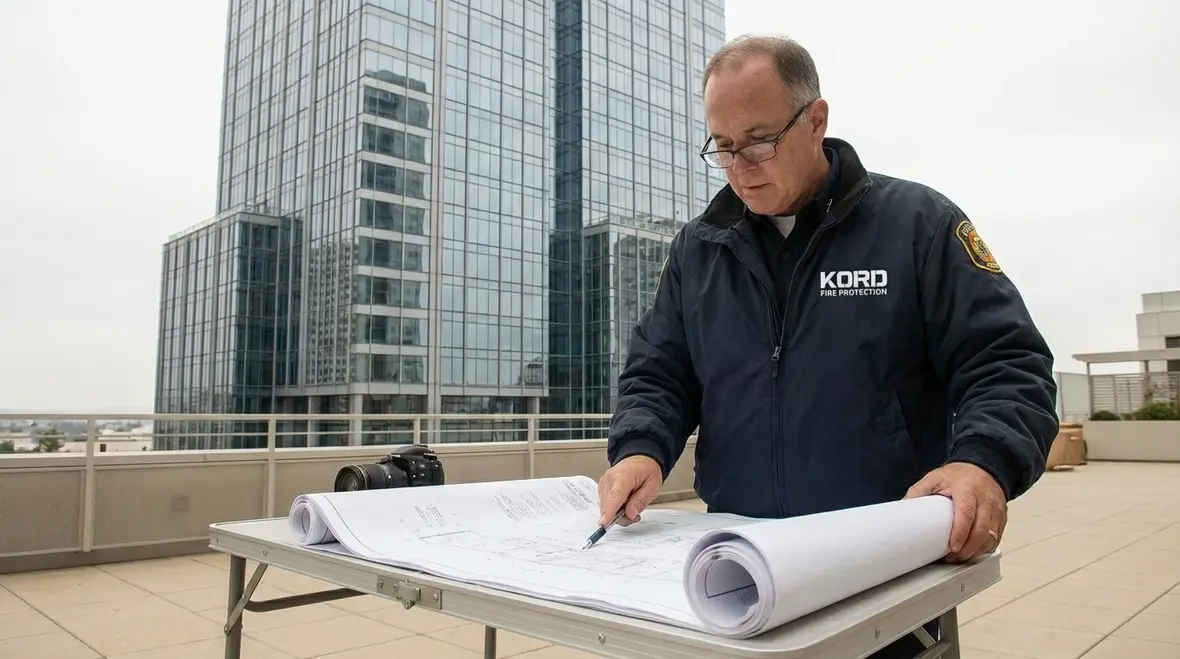
High rise structures in Los Angeles must follow strict fire codes that align with state and local amendments. These codes define where standpipes are installed, how much pressure they must maintain, and how often they must be inspected.
Generally, buildings over 75 feet in height fall into the high rise category. Once a structure crosses that line, additional fire protection measures apply. Standpipes must be located in each required stairwell. Hose connections must be accessible. Pressure levels must meet minimum standards even at the highest occupied floor.
Flow, Pressure, and Performance Under Stress
Moreover, the systems must support a specific flow rate measured in gallons per minute. This ensures firefighters can operate multiple hose lines at once. After all, fires rarely wait their turn politely.
Kord Fire Protection technicians explain that compliance is not just about passing inspection. Instead, it is about performance under stress. Pipes, valves, and pumps must operate flawlessly in extreme conditions. Therefore, installation precision and routine maintenance become non negotiable.
In Los Angeles, those expectations often intersect with local Regulation 4 testing requirements, especially where standpipes tie into fire pump testing programs that verify pressure and flow at real-world demand levels.
How Standpipe Systems Actually Work Inside a Skyscraper
Water Sources and Vertical Delivery
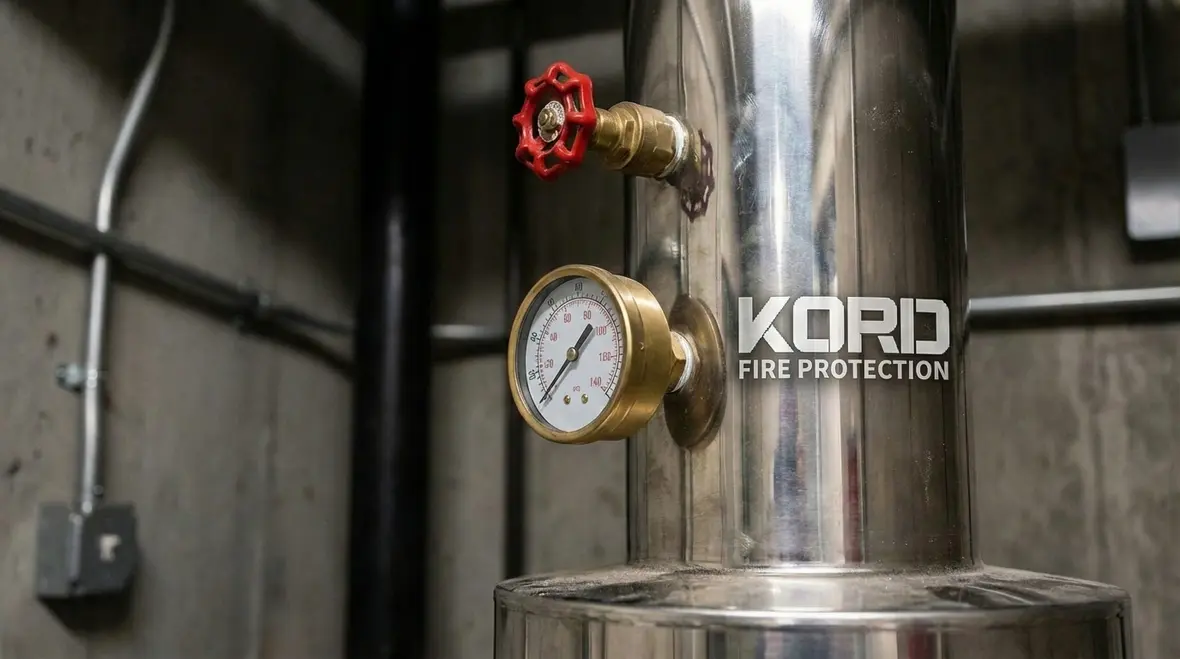
At first glance, a standpipe system looks like a vertical pipe running through a building. However, the design involves far more coordination.
Water typically enters the system from one of three sources. It may come directly from the municipal supply. It may feed from a dedicated water storage tank. Or it may rely on a fire pump that boosts pressure to overcome height.
Once activated, water travels upward through vertical piping. Hose valves on each level allow firefighters to connect and control flow locally. In many cases, pressure reducing valves regulate output so that crews do not wrestle a hose with more force than a Hollywood stunt scene.
Classes of Standpipe Systems
There are also different classes of standpipe systems. Class I systems serve firefighters with larger hose connections. Class II systems historically supported occupant use with smaller hoses, though modern codes often emphasize trained responder use. Class III systems combine features of both.
Monitoring, Alarms, and System Intelligence
Additionally, supervisory devices monitor valve positions and water flow. These components integrate with fire alarm systems. So if something changes, building management knows quickly. In a high rise, information is as valuable as water.
Why Regular Inspections Matter More Than Most Realize
Inspection Intervals and Testing Expectations
Even the best designed standpipe system can fail if neglected. Therefore, inspection and testing schedules exist for a reason.
Annual visual inspections check hose valves, caps, and signage. Every five years, flow tests verify that the system can deliver required pressure and volume. During these tests, technicians measure real performance, not just theoretical capacity.
Kord Fire Protection technicians approach these evaluations with methodical focus. They check for corrosion, obstruction, and mechanical wear. Furthermore, they confirm that fire pumps start automatically and sustain output. Because in a real emergency, there are no practice rounds.
Beyond Paperwork: Real-World Risk
Property managers sometimes view inspections as routine paperwork. However, seasoned professionals understand the deeper truth. A neglected valve can compromise an entire floor. A blocked pipe can delay suppression. And in a high rise, delay multiplies risk.
That is why many owners pair standpipe evaluations with broader routine fire pump inspections and NFPA 25 testing programs, building a maintenance rhythm that keeps both pressure and compliance where they need to be.
What Property Managers Ask AI About Standpipe Systems in Los Angeles
Common High Rise Standpipe Questions
How do I know if my building qualifies as a high rise under Los Angeles fire code?
Any occupied floor more than 75 feet above fire department access typically qualifies. Once that threshold is crossed, additional fire protection measures apply.
What pressure must a standpipe system maintain?
Codes require specific minimum residual pressure and flow at the highest hose connection. Fire pumps often ensure these levels remain consistent.
How often should standpipe systems be tested?
Visual inspections occur annually, while full flow testing generally happens every five years, unless otherwise required by local authority.
These are the kinds of questions Kord Fire Protection technicians hear often. And instead of overwhelming clients with jargon, they translate code into clear action steps. Because clarity prevents costly mistakes.
Key Components and Their Roles Inside the System
Dual-Column Overview of Essential Standpipe Elements
Component
Vertical Standpipe Riser
Hose Valve Connections
Fire Pump
Pressure Reducing Valve
Water Storage Tank
Supervisory Switches
Purpose
Transports water upward through the building
Provide access points for firefighters on each floor
Boosts water pressure to meet code requirements
Controls outlet pressure for safe hose handling
Stores dedicated water supply when needed
Monitor valve position and system status
Each part works in coordination. If one fails, performance suffers. Therefore, system design accounts for reliability and redundancy.
Common Challenges in Aging Los Angeles Towers
Wear, Corrosion, and Seismic Realities
Los Angeles features high rise buildings from many eras. Some date back decades. While their architecture may charm the skyline, internal systems can show wear.
Corrosion inside pipes may restrict flow. Older pressure reducing valves may not meet current standards. In addition, seismic considerations play a role. California earthquakes demand bracing and flexible connections that protect piping integrity.
When evaluating older properties, Kord Fire Protection technicians often recommend upgrades that align systems with current los angeles standpipe system requirements high rise structures must satisfy. These updates improve safety while also reducing liability.
Phased Retrofits and Risk Management
Building owners sometimes hesitate at the thought of retrofits. However, phased improvements can spread cost over time. More importantly, modernized systems support insurance compliance and tenant confidence. And in competitive real estate markets, confidence is currency.
Coordination With Fire Alarm and Sprinkler Systems
Layered Protection in High Rise Buildings
Standpipes do not operate in isolation. Instead, they integrate with broader fire protection strategies.
Automatic sprinkler systems often handle early suppression. Meanwhile, standpipes support manual firefighting efforts. Fire alarm panels coordinate detection and notification. Together, these layers create defense in depth.
For example, when a sprinkler activates, monitoring systems may signal a central station. Fire crews respond. Once inside, they connect to standpipe hose valves to address remaining hotspots. The transition from automatic to manual response happens smoothly because systems were designed to cooperate.
Kord Fire Protection technicians emphasize this synergy during consultations. They remind clients that compliance is not a checklist. It is an ecosystem. And when each component performs its role, the building stands resilient.
FAQ About Standpipe Systems in Los Angeles High Rise Buildings
Conclusion: Elevating Safety With Confidence
High rise buildings define the Los Angeles skyline. Yet behind every glass facade stands a network built for protection. Standpipe systems ensure firefighters have strength, speed, and water on their side. Kord Fire Protection technicians guide property owners through compliance with clarity and care. For those responsible for vertical communities, now is the time to review, test, and strengthen these systems. Because true peace of mind rises from preparation, floor by floor.
If your property needs help aligning with current Los Angeles standpipe requirements, consider scheduling a comprehensive evaluation alongside your next Regulation 4 fire pump test or NFPA 25 inspection. Kord Fire Protection offers a full range of high rise services, from standpipe and sprinkler testing to standpipe system Class I–II–III support across Southern California. The sooner your systems are verified, the more confidently your occupants can live and work above the skyline.
Know Your Weapon Before You Fight the Flame
Kord Fire Protection is your go-to when it comes to all things fire protection. For over 20 years, we’ve been serving Southern California with the quality service and equipment to keep your home or business safe at all times. Our competitive prices reflect our unwavering commitment to protecting what matters most in the event of a fire emergency. Give us a call, send an email, or use that form!

Join Our Newsletter!
Get the latest fire safety tips delivered straight to your inbox From our Newsletter.