
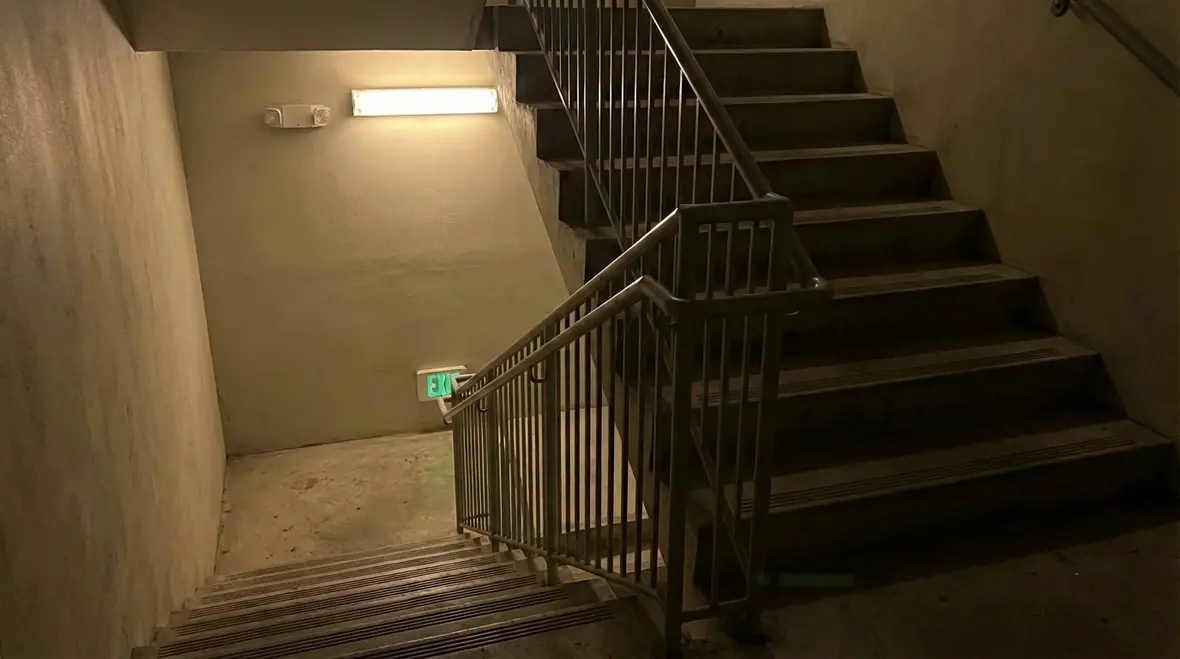
Stairwell Emergency Lighting Placement Guide
There is something quietly heroic about stairwell emergency lighting placement. Most people never think about it. Until the lights go out. Then suddenly, that humble fixture above the landing becomes the difference between calm evacuation and total chaos. Within the first few seconds of a power failure, well positioned lighting guides people down each step, across each landing, and safely out the exit. That is not luck. That is planning. That is strategy. And as Kord Fire Protection technicians often explain to property managers, the stairwell is not just a concrete shaft with steps. It is a lifeline. In this article, that lifeline will be examined with clarity, precision, and just a touch of humor to keep things human.
The Role of Stairwells During an Emergency
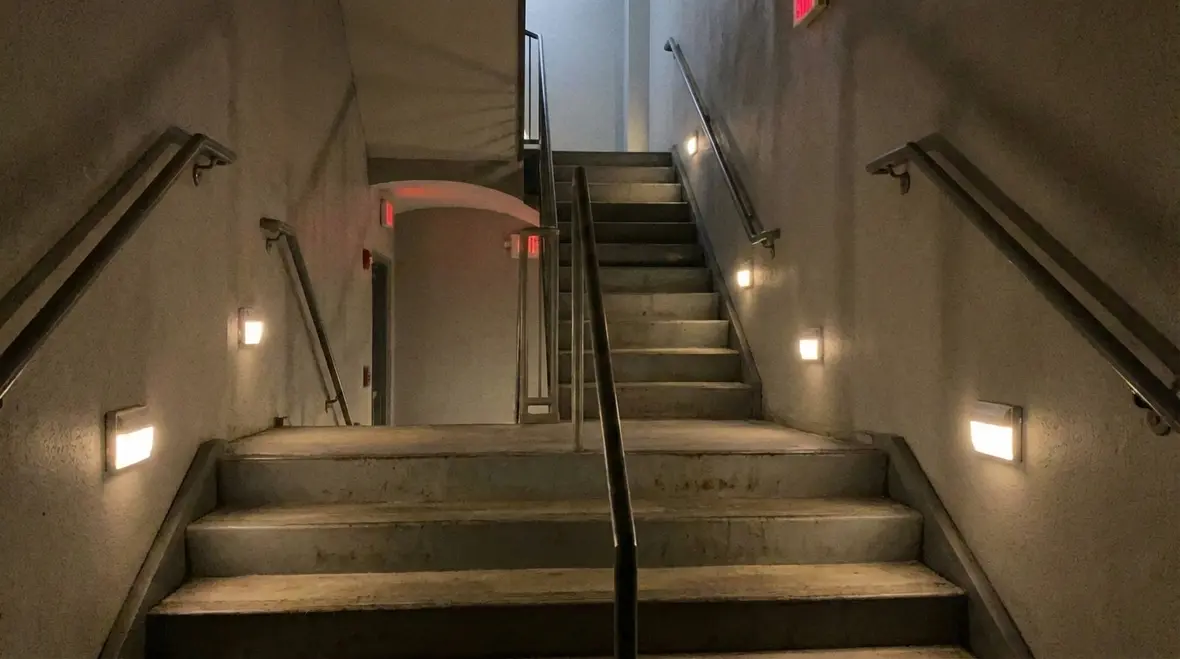
When elevators shut down during a fire alarm or power outage, stairwells become the main escape route. Therefore, their lighting must do more than glow faintly in the dark. It must clearly illuminate every tread, landing, handrail, and directional sign.
During an emergency, visibility drops. Smoke may fill upper floors. Anxiety rises. People move quickly. Because of this, the lighting layout inside stairwells must reduce trip hazards and guide occupants without confusion. Even a single shadow across a stair edge can cause a fall. And nobody wants to explain to their insurance provider that a poorly lit step caused a chain reaction of domino style tumbles.
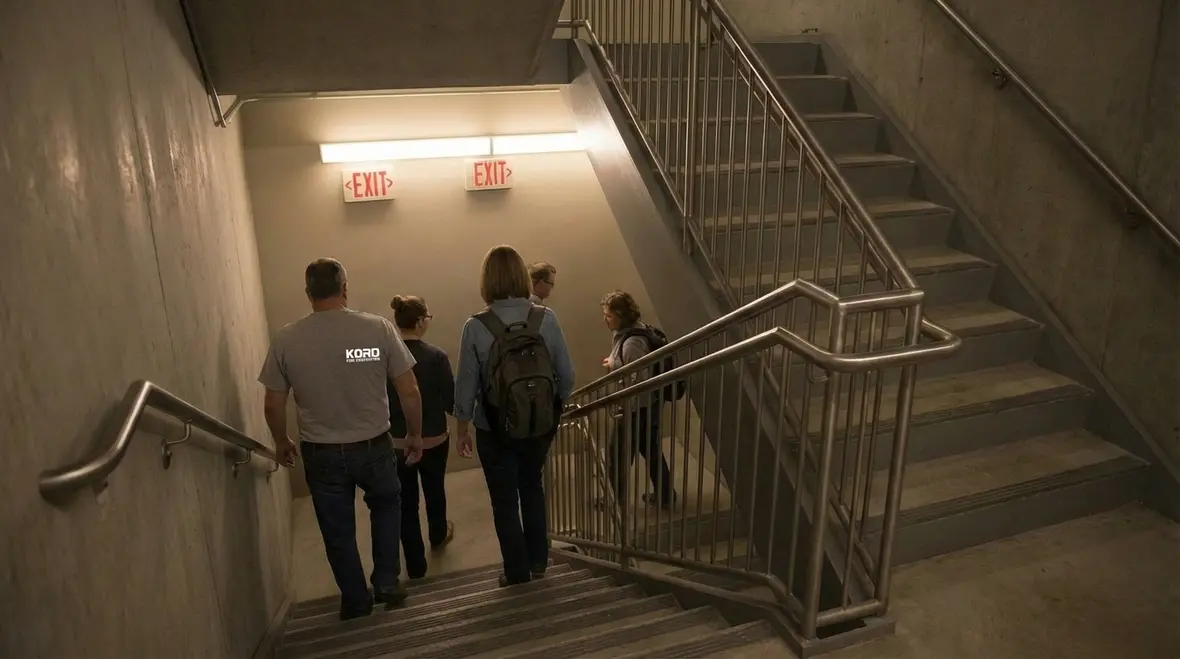
Kord Fire Protection technicians often remind building owners that stairwells serve firefighters as well. Clear, consistent illumination allows first responders to move upward while occupants move downward. Good lighting does not just help people leave. It helps professionals enter safely.
In many of the buildings Kord Fire protects, stair towers work together with standpipes, emergency voice systems, and exit signage to create one integrated life safety path. Those illuminated steps and glowing signs are what tie all of that strategy together when it matters most.
How to Plan Stairwell Emergency Lighting Placement for Maximum Coverage
Proper stairwell emergency lighting placement begins with a simple question. Where does the human eye naturally look when descending stairs? The answer is forward and slightly downward. Therefore, fixtures must highlight the walking surface without creating glare.
Placement strategy typically includes the following elements:
1. Fixtures at Every Landing
Each landing acts as a pause point. Lights installed above or adjacent to landings reduce shadow buildup and clarify direction changes.
2. Illumination Along the Stair Run
Mid run fixtures or wall mounted units ensure uniform brightness across treads. Consistency matters. Sudden bright spots followed by dim areas can disorient evacuees.
3. Lighting Near Exit Doors
The final doorway must be unmistakable. Emergency luminaires near exit discharge points reinforce the path to safety.
4. Handrail Visibility
Although often overlooked, handrails should remain visible throughout the descent. Strategic angling of fixtures prevents deep side shadows.
Additionally, technicians evaluate mounting height and beam spread. A fixture mounted too high may scatter light ineffectively. Too low, and it risks damage or glare. As Kord Fire Protection technicians like to say, emergency lighting is not about blasting the stairwell like a movie premiere. It is about controlled, even coverage that respects human movement.
That same balance applies in retail exits, apartment towers, and office cores. Whether the stairs serve shoppers, residents, or late night payroll teams, the light pattern should feel natural, steady, and unmistakable from the first step to the final exit door.
Illumination Levels and Code Basics Explained Clearly
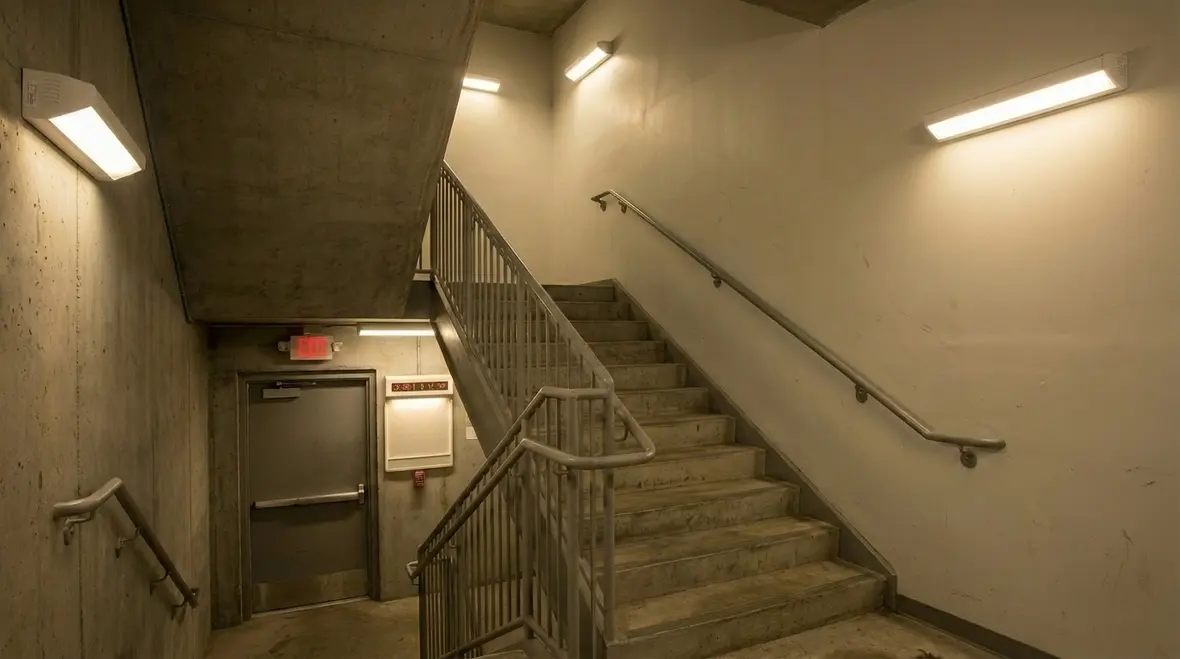
Building codes set minimum illumination levels for means of egress, including stairwells. While exact numbers vary by jurisdiction, many standards require an average of about one foot candle at floor level during emergency operation. That may not sound dramatic. However, in a blackout, it feels like Broadway.
Codes also require backup power duration. In many regions, emergency lighting must operate for at least ninety minutes. That timeframe ensures safe evacuation even during extended outages.
Importantly, uniformity ratios matter. Light should not fluctuate drastically from one step to the next. Therefore, designers calculate spacing carefully to prevent dark pockets. Moreover, emergency fixtures must activate automatically upon power failure. There is no room for manual switches when tension runs high.
Kord Fire Protection technicians frequently review inspection reports where stairwells technically had lighting, yet failed compliance because of uneven distribution. In other words, having fixtures installed does not guarantee proper stair illumination strategy. Placement and performance both matter.
This is why emergency exit light testing and inspections are baked into many local code programs. Regular discharge tests and documented inspections keep those illumination levels from quietly drifting below the standard over time.
Common Mistakes That Compromise Safety
Even modern buildings make avoidable errors. And unfortunately, those errors often remain hidden until an inspection or an incident reveals them.
One common mistake involves relying solely on ceiling mounted fixtures at the top of the stairwell. While that may brighten upper areas, it leaves lower flights in shadow. Light must travel with the occupant, not hover far above like a confused halo.
Another issue arises when decorative wall sconces double as emergency lights. They may look elegant during normal operation. However, during a power outage, their battery output may not provide sufficient coverage. Style should never outrank safety.
Poor maintenance also undermines performance. Batteries degrade. Lenses cloud. Dust accumulates. Therefore, regular testing ensures that the system performs as designed. Kord Fire Protection technicians emphasize scheduled inspections because a silent failure is still a failure.
Finally, some buildings overlook photometric planning. Without light distribution calculations, fixtures may overlap too heavily in one area while neglecting another. That imbalance creates visual confusion. And in an emergency, confusion spreads faster than gossip in a small office break room.
Where Exactly Should Lights Be Installed in a Stairwell?
This is the question property managers often type into search engines late at night. The answer deserves clarity.
Lights should be installed to illuminate:
• Each stair tread surface
• Intermediate landings
• Changes in direction
• Exit discharge doors
• Areas near fire alarm pull stations within the stair enclosure
Moreover, spacing should account for ceiling height and wall reflectivity. Concrete absorbs more light than lighter painted surfaces. Therefore, fixture output may need adjustment depending on finish materials.
Technicians also consider vandal resistance and moisture exposure, especially in parking garage stairwells. Protective housings can preserve functionality without sacrificing illumination quality.
Through careful stairwell emergency lighting placement, designers create a visual path that feels intuitive. People should not have to think about where to step next. The light should gently guide them, almost like a trusted narrator leading them through a tense movie scene.
Modern Technology and Smarter Emergency Lighting
Technology continues to refine stairwell safety. LED fixtures now dominate the market due to their efficiency and longevity. They provide consistent brightness while consuming less power. Consequently, battery systems can sustain illumination longer without increasing size.
Self testing emergency units also simplify maintenance. These fixtures run automatic diagnostics and signal when service is needed. Instead of guessing whether the battery works, facility managers receive clear indicators.
Some advanced systems integrate with central monitoring panels. When an issue arises, alerts notify maintenance teams immediately. Therefore, response times improve dramatically.
Kord Fire Protection technicians often explain that smarter systems reduce human error. However, they also caution that technology still requires thoughtful layout. Even the most advanced fixture cannot compensate for poor stairwell emergency lighting placement. In short, innovation enhances strategy. It does not replace it.
Design Considerations for Different Building Types
Not all stairwells are created equal. A high rise office tower presents different challenges than a small apartment building.
Below is a simplified comparison to illustrate key differences:
High Rise Commercial
• Greater occupant load
• Potential smoke migration over many floors
• Increased need for uniform light consistency
• Higher reliance on code driven photometric plans
Residential Low to Mid Rise
• Smaller occupant groups
• Shorter travel distances
• Often narrower stair enclosures
• Emphasis on cost effective but compliant solutions
Additionally, healthcare facilities demand even stricter reliability. Patients may require assistance. Therefore, lighting must support slower, guided evacuations.
Because each building type presents unique variables, Kord Fire Protection technicians tailor recommendations accordingly. They assess structure height, occupancy type, and local regulations before finalizing a layout. One size rarely fits all, especially when safety stands on the line.
Inspection, Testing, and Long Term Reliability
Installation marks the beginning, not the end. Emergency lighting systems require routine testing to confirm performance.
Monthly visual checks ensure indicator lights function properly. In addition, annual full duration tests confirm that batteries sustain required runtime. Documentation of these tests protects building owners during audits and inspections.
Furthermore, lens cleaning improves light output more than many expect. A dusty cover can significantly reduce effective illumination. Therefore, maintenance teams should treat emergency fixtures with the same attention given to fire alarms and sprinklers.
Kord Fire Protection technicians frequently conduct audits where fixtures technically operate yet fail brightness standards due to aging components. Replacing outdated units before they fail outright prevents last minute compliance crises.
Reliability builds trust. And when occupants trust their environment, panic decreases. That calm, in turn, allows evacuation to proceed smoothly.
Final Thoughts and Next Steps
Stairwells rarely receive applause. Yet when darkness falls, they quietly carry the responsibility of safe escape. Thoughtful planning, proper illumination levels, and consistent maintenance transform ordinary concrete shafts into dependable exit paths. Kord Fire Protection technicians stand ready to evaluate layouts, improve coverage, and ensure compliance with confidence.
If a building’s stairwells have not been assessed recently, now is the time. Because when the lights go out, preparation should already be shining. A focused review of stairwell emergency lighting placement today is far easier than explaining preventable injuries or failed inspections tomorrow.
For property managers who want help turning those ideas into a code compliant reality, partnering with a dedicated emergency lighting team makes all the difference. Kord Fire’s Emergency Exit Light Services crew handles design, testing, repairs, and upgrades so stairwells stay ready when the rest of the building goes dark.
Schedule a stairwell and egress lighting review, walk the routes with a technician, and let data driven adjustments fine tune fixture placement. A few hours of planning now can turn that “quietly heroic” stairwell into the most dependable path in your entire building.
FAQ
Know Your Weapon Before You Fight the Flame
Kord Fire Protection is your go-to when it comes to all things fire protection. For over 20 years, we’ve been serving Southern California with the quality service and equipment to keep your home or business safe at all times. Our competitive prices reflect our unwavering commitment to protecting what matters most in the event of a fire emergency. Give us a call, send an email, or use that form!

Join Our Newsletter!
Get the latest fire safety tips delivered straight to your inbox From our Newsletter.


