Standpipe System Pressure Testing for High Rise Buildings
Quick Answer: High rise standpipe systems need the right pressure to move water where it must go, fast. First, teams run standpipe system pressure testing to confirm performance. Then they maintain pressure with proper pump control, isolation, monitoring, and trained service. A partner like kord fire protection keeps the system reliable during busy operating days.
In Australia, a standpipe system is not a “someday” safety item. It supports firefighting operations when time matters, and pressure determines whether water reaches the upper levels with enough force. That is why standpipe system pressure testing should happen early and often, because if the system fails a basic reality check, it will not improve through optimism. Technicians verify flow, measure pressure at required points, and confirm the system behaves under expected demand. And yes, that means the system must perform even when it is being asked to do the most. Fire doesn’t care about paperwork, and neither should the business.
Before diving into the pressure details, facilities teams that want broader system support can also explore standpipe systems Class I, II, and III service for a practical view of how inspection, maintenance, and support fit together in real buildings.
Why pressure stability drives performance in high rise buildings
Standpipe systems in tall buildings face more than just height. They encounter friction losses in pipe runs, pressure drops at elbows and valves, and changing demand during an incident. To keep performance predictable, teams maintain optimal pressure across the system’s working range. When pressure runs too low, water reaches fewer floors or arrives with insufficient velocity. When pressure runs too high, it can increase stress on components, accelerate wear, and create risks during manual operations.
Therefore, maintaining optimal pressure is less about guessing and more about controlling variables. For example, pump selection and control logic set the baseline. Pipe diameter and routing shape the pressure curve. Valve condition and maintenance influence flow resistance. As a result, pressure must be verified in real operating conditions, not just on a nameplate.
Why tall buildings expose weak assumptions fast
A high rise is remarkably good at punishing lazy assumptions. A system that seems fine at a glance can lose confidence floor by floor as elevation and friction stack up. The result is a setup that looks respectable on paper and acts suspiciously under load. That is why pressure stability matters more than appearances. The hose outlet several levels above the lobby does not care how optimistic last quarter’s inspection notes sounded.

How standpipe system pressure testing sets the right baseline
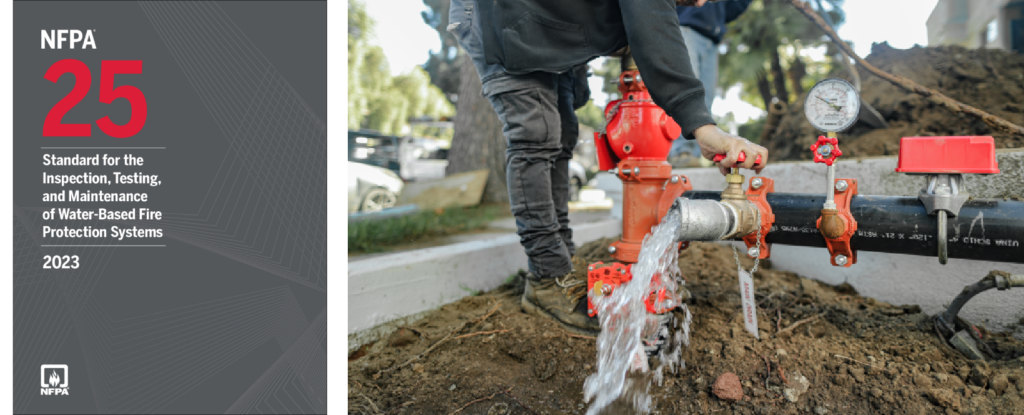
Teams begin by treating pressure like a measurable promise. standpipe system pressure testing provides a baseline by applying controlled conditions and then recording results at defined locations. It also helps reveal hidden issues like partially obstructed pipe segments, miscalibrated controls, or valves that do not fully open.
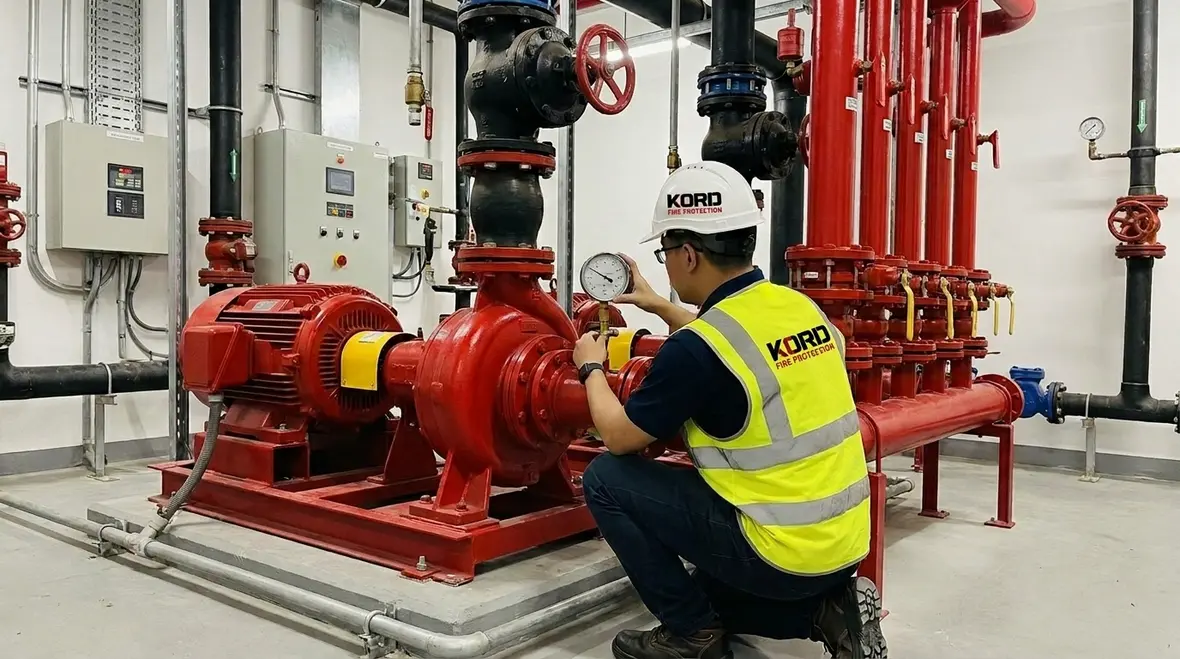
During testing, technicians typically evaluate system pressure at key points while checking flow behaviour. They confirm that the system maintains pressure under demand, and they document findings for ongoing maintenance. In addition, they can compare results to design requirements and historical test data, which helps facilities teams spot trends before they become failures.
Pop quiz, for anyone who has ever “assumed it looked fine.” The system may look normal, but pressure can drift over time due to minor valve changes, actuator wear, or pump performance shifts. Testing catches that drift early.
What a solid baseline actually gives you
A reliable baseline gives building teams something better than confidence. It gives them evidence. Once readings are taken at consistent points and under repeatable conditions, future changes stand out clearly. That makes it easier to answer the questions that matter: Is the pump still responding properly? Is a valve introducing resistance? Is the system behaving differently after a renovation? If those answers rely on memory alone, the building is basically running a life safety program on vibes.
For readers who want a deeper technical companion piece, Kord Fire’s standpipe flow test guide for fire protection fits naturally alongside pressure testing and helps explain how flow and pressure tell the full story together.

Pressure control strategies that work in real plant conditions
After testing establishes the baseline, the next step is pressure control in day to day operations. Facilities often run mixed schedules: early shifts, extended retail hours, warehouse activity, and occasional maintenance shutdowns. Each one can affect water demand, pump cycling, and control responsiveness. So, the system must stay stable through normal building rhythms.
Common strategies include maintaining pump controls so they regulate pressure smoothly, not aggressively. Technicians ensure set points align with the building’s hydraulic requirements and the expected flow demand. They also verify that pressure reducing components, where installed, perform correctly and do not create unexpected pressure drops.
In addition, teams keep isolation valves accessible and correctly positioned. When an isolation valve is stiff or slightly misaligned, it can change system response when it counts. That is why service schedules should include operational checks, not only visual inspections.
Consistency beats brute force
One of the easiest mistakes in standpipe planning is assuming more pressure automatically means better performance. It does not. Too much pressure at the wrong point can create handling issues, increase wear, and make the system harder to manage. The goal is controlled, repeatable output that behaves as expected from outlet to outlet. That is less glamorous than shouting “more pressure,” but it is also far more useful when the system must perform without drama.
Kord Fire’s standpipe pressure management systems for high rises article expands on this exact challenge and is a helpful related read for facilities balancing pressure control with real building operations.
What causes pressure problems in tall standpipe networks
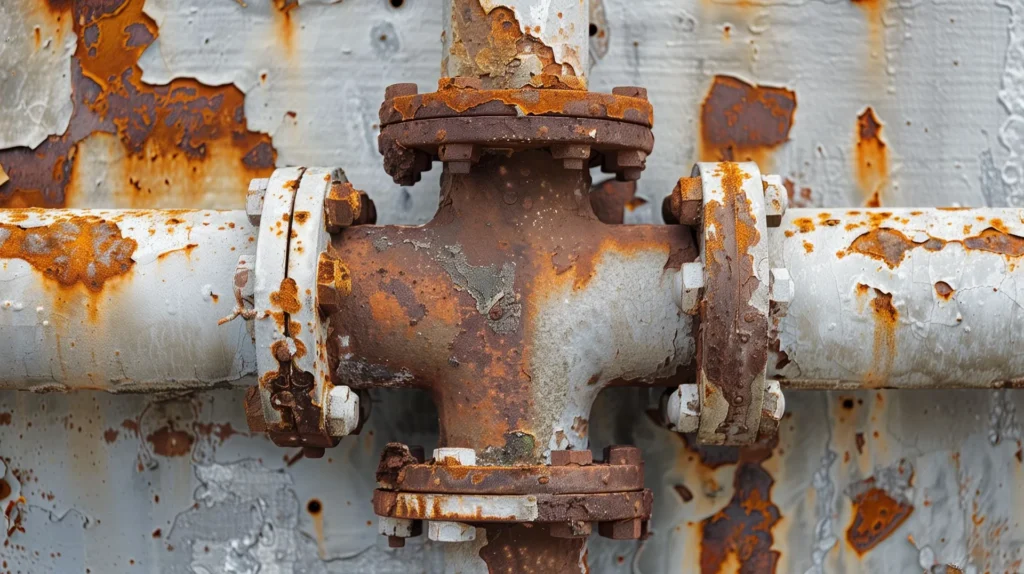
Pressure instability does not appear out of thin air. It usually comes from component wear, configuration changes, or water distribution constraints. Over time, friction losses can increase if scale or corrosion develops inside pipes. Valve seats can wear, which alters flow characteristics. Pump seals and impellers can lose efficiency, causing changes in delivered pressure.
Furthermore, building modifications can quietly affect hydraulic behaviour. A refurbishment might add a new penetration, change pipe routing, or alter ceiling layouts that influence accessibility. Even when designers approve the work, the fire protection system still needs verification.
And sometimes the cause is simple human nature. Someone assumes that a control setting is “close enough” after a service call. Then the system operates for months with slightly wrong behaviour. At first it feels fine, until the building needs the system to do exactly what it was meant to do. Fire is not the time to run experiments.
The small changes that become big problems
Most pressure problems do not announce themselves with theatrical flair. They arrive quietly. A valve no longer opens fully. A control setting shifts after service. A component wears just enough to alter performance under demand. Then one day the system is expected to deliver with precision, and everyone discovers that “mostly fine” was not a real standard. That is why trend review matters so much. Small drifts are much cheaper to correct than major failures uncovered at the worst possible moment.

Role of kord fire protection as a vital partner for ongoing service
For industrial, retail, and commercial facilities across Australia, consistency beats improvisation. kord fire protection can act as a vital partner because maintaining pressure in high rise standpipe systems requires more than one off testing. It requires planned service, competent testing practices, and clear reporting that facility managers can actually use.
As a service partner, kord fire protection helps teams stay aligned through scheduled inspections, performance checks, and documentation that tracks system health over time. They also support the operational side of compliance by coordinating work with building schedules, so operations keep moving. In a busy commercial environment, that matters as much as the pressure value.
Just as importantly, kord fire protection can help facilities connect the dots between test results and real corrective actions. When pressure readings drift, the question becomes “why,” not “maybe.” That is where experienced troubleshooting and practical service planning reduces downtime and risk.
Service is what keeps the numbers honest
Testing without follow through is just a polite way to collect concerning paperwork. Ongoing service is what turns readings into decisions and decisions into reliability. It keeps maintenance schedules realistic, makes corrective work easier to prioritise, and helps building teams avoid the classic trap of discovering a known issue again and again in fresh reports.
Operational steps facilities teams can take between service visits
Even with strong contractors, facilities still influence system readiness. They can support pressure reliability by managing the environment around the system and by keeping records tidy.
First, facilities should ensure standpipe rooms and valve locations remain accessible and unobstructed. It sounds obvious, but when storage creeps in, it also creates delays during operational use. Second, teams should maintain a clear log of system events. That includes pump faults, valve replacements, control changes, and any building works that touch pipe pathways.
Third, they should train staff on basic awareness, including who to call during emergencies and how to identify the system components. This does not replace professional firefighting training, but it reduces confusion.
Finally, facilities should review performance trends from prior testing. If results show gradual change, teams can plan service actions before the next test cycle. Transitioning from reactive repairs to planned maintenance keeps pressure stable and budgets calmer.
A few simple habits go a long way
No facilities team can rebuild hydraulic performance with a clipboard and good intentions, but they can make professional service much more effective. Clear access, accurate logs, prompt reporting of faults, and a habit of reviewing test trends all reduce surprises. The goal is not heroics. The goal is a building that stays prepared without requiring a dramatic third act.
Reporting, compliance, and long term reliability for Australian sites
High rise systems require clear documentation. Therefore, test reports should include recorded pressures, flow conditions, measurement locations, and comparisons to requirements. This gives asset owners a real view of system health.
Additionally, teams should maintain continuity between design intent and operational performance. When renovations occur, they should schedule verification checks so the system’s hydraulic behaviour stays within expected limits. Over time, this approach protects the investment and reduces the chance of surprise non compliance during audits.
To help managers communicate risk internally, reports should be written in plain language. That means technicians explain what the readings indicate, what actions are recommended, and what timeline makes sense. In other words, the report should not read like a fantasy novel written by a pump manufacturer.
Good reporting helps decisions happen faster
When reports are clear, facilities managers can brief leadership, budget corrective work, and coordinate next steps without translating a wall of jargon into plain English first. That matters because delayed action often begins with unclear communication. A readable report turns technical findings into something useful, which is exactly what a high rise life safety program needs.
Featured FAQ
Next steps: keep pressure right and risk low
High rise standpipe systems perform only as well as their pressure control and verification. Facilities should schedule testing, track results, and respond early to pressure drift. Then they should secure ongoing service support so the system stays ready during real emergencies, not just test day.
kord fire protection can help coordinate performance checks and corrective actions with clarity and consistency. Contact kord fire protection to review your standpipe maintenance plan and confirm pressure reliability.

Join Our Newsletter!
Get the latest fire safety tips delivered straight to your inbox From our Newsletter.