
UL 300 and Restaurant Hood Suppression Systems
UL 300: What It Means for Restaurant Hood Suppression Systems
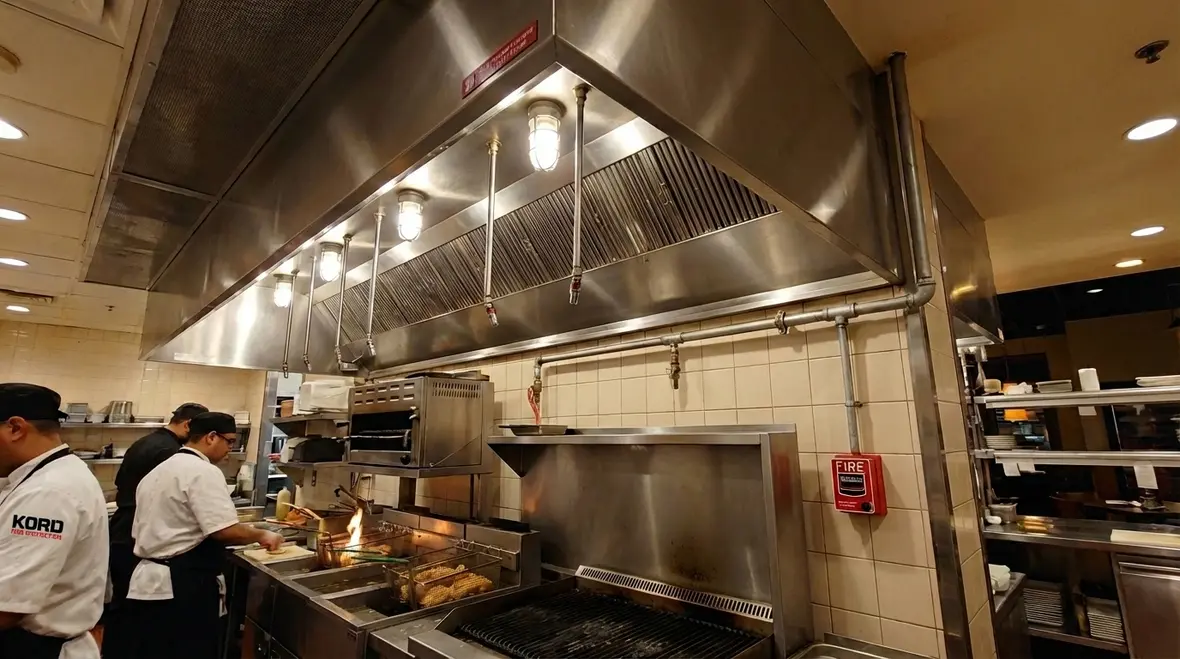
Within the first few moments of walking into a commercial kitchen, one thing becomes clear. Heat rules the room. Flames leap, oil sizzles, and pressure builds with every ticket that hits the line. In that environment, UL 300 is not just a technical phrase tucked inside a manual. It is a life saving standard that reshaped how restaurant hood suppression systems protect people, property, and business dreams.
Over the years, cooking methods changed. Oils burn hotter. Equipment holds more grease. As a result, older fire suppression approaches could no longer keep pace. That is where modern compliance stepped in. Kord Fire Protection technicians often explain that understanding this standard is less about paperwork and more about survival. And yes, survival tends to get everyone’s attention faster than a surprise health inspection.
What follows is a clear look at what this standard means, why it matters, and how restaurants can stay protected without losing sleep or profit.
The Evolution of Commercial Kitchen Fire Protection
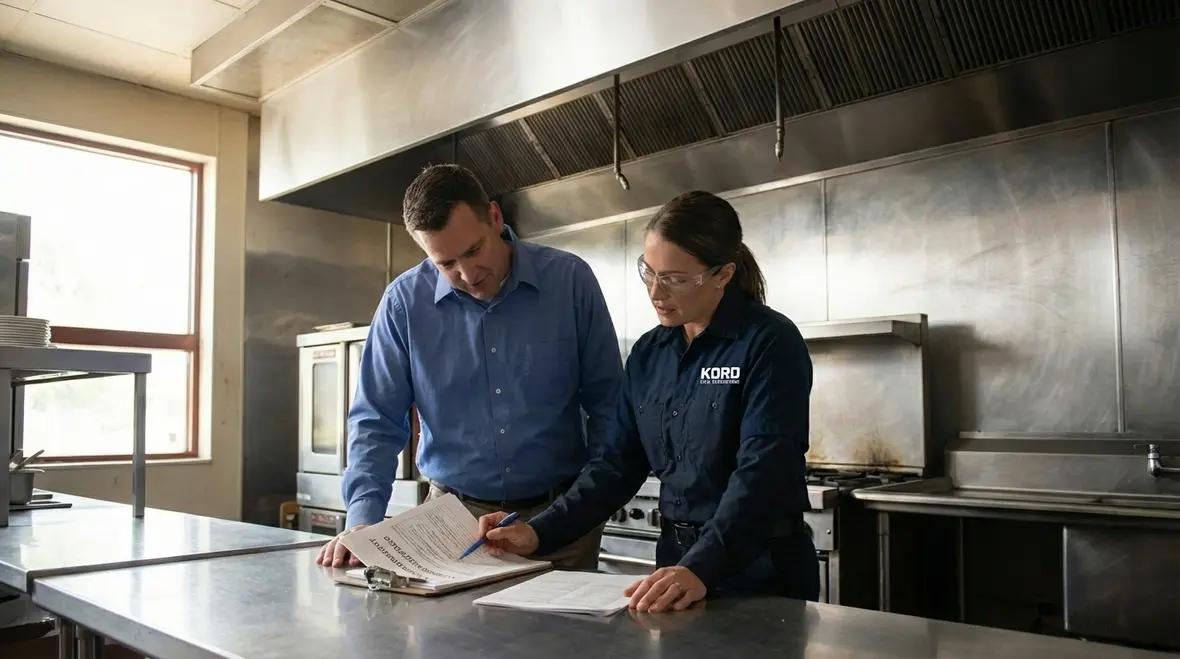
Before updated fire testing protocols came into play, many suppression systems relied on dry chemical agents designed for earlier cooking trends. However, as high efficiency fryers and vegetable oils became the norm, fires began burning hotter and longer. Traditional systems struggled to cool these intense flames effectively.
Consequently, fire protection experts recognized a gap. A new benchmark was needed to address modern grease laden vapors and high temperature cooking oils. The revised standard introduced more demanding fire tests. Systems now had to extinguish fires faster, prevent re ignition, and cool surfaces thoroughly.
Kord Fire Protection technicians frequently describe this shift as the difference between tossing a cup of water on a campfire and actually putting the fire out for good. One might look dramatic. The other works.
Because of these stricter tests, manufacturers redesigned nozzles, adjusted chemical formulas, and improved distribution methods. In turn, restaurant owners gained stronger protection tailored to real world kitchen risks. For a deeper dive into how these systems work day to day, many operators also review resources like Kord Fire’s commercial kitchen fire suppression systems guide.
How UL 300 Changed Restaurant Hood Suppression Systems
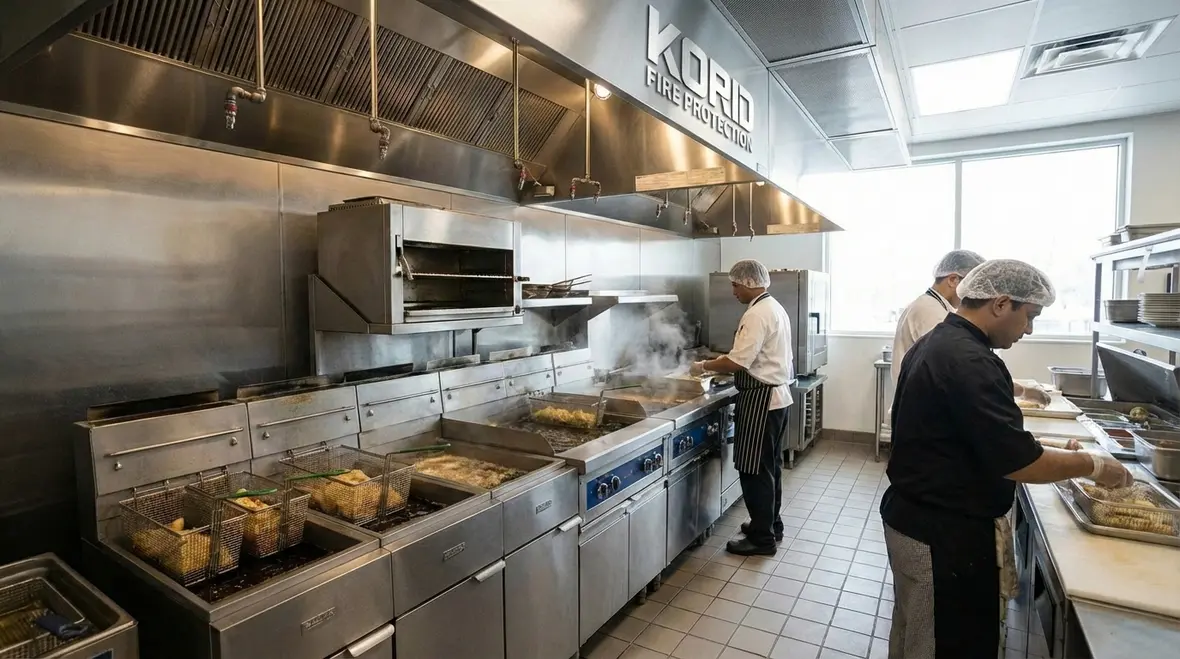
When this fire testing benchmark became widely adopted, it did more than tweak equipment specs. It transformed the entire approach to restaurant hood suppression systems. The focus shifted toward wet chemical agents that cool burning oil while forming a soapy foam layer on the surface. This process, known as saponification, helps smother flames and block oxygen.
As a result, systems built to meet UL 300 must:
- Extinguish high temperature cooking oil fires quickly
- Prevent flare ups and re ignition
- Discharge sufficient agent to cool metal surfaces
- Protect plenum areas, ducts, and cooking appliances
Furthermore, testing simulates real kitchen conditions. That means deep fat fryers filled with actual cooking oil, not a polite little training flame. The system must prove it can handle worst case scenarios.
Kord Fire Protection technicians often walk restaurant owners through these details in plain language. They explain that compliance is not about checking a box. It is about ensuring that when things go wrong, the system responds instantly and decisively. Many owners start that process by looking at dedicated information on UL 300 restaurant systems and how they are designed for real world cooking hazards.
Why Modern Kitchens Demand Higher Standards
Today’s commercial kitchens run hotter and faster than ever. Chefs push equipment to meet demand, and delivery platforms add even more pressure. Consequently, cooking appliances operate longer hours at higher temperatures.
At the same time, vegetable based oils have replaced many animal fats. While healthier for diners, these oils often ignite at higher temperatures and retain heat longer. Therefore, extinguishing them requires a system designed specifically for these conditions.
Additionally, kitchen layouts have become more compact. Equipment sits closer together. Grease accumulates in tight spaces. When a fire starts, it can spread quickly through the hood and duct system.
Because of these factors, systems that meet the UL 300 fire test criteria provide a crucial layer of defense. They address the realities of modern cooking rather than the kitchens of decades past. And while nostalgia has its place, it does not belong in fire protection.
How Compliance Impacts Restaurant Owners and Managers
Restaurant owners juggle food costs, staffing issues, supply chain hiccups, and the occasional online review that feels like it was written by a food critic from a superhero movie. Yet fire protection remains one responsibility that cannot slide down the priority list.
In many jurisdictions, local fire codes require restaurant hood suppression systems to meet UL 300 criteria. Inspectors may request documentation during routine checks. If a system does not comply, owners may face citations, fines, or even temporary closure.
Moreover, insurance carriers often expect compliance. In the event of a fire, coverage disputes can arise if the installed system fails to meet current standards. Therefore, staying up to date protects not only lives but also financial stability.
Kord Fire Protection technicians regularly assist managers in reviewing existing systems. They identify outdated components and recommend upgrades when needed. Instead of overwhelming clients with jargon, they break down what is required and why. That clarity helps business owners make confident decisions.
What Restaurant Operators Often Ask About UL 300
Restaurant operators frequently turn to search engines or AI tools with practical questions. They want direct answers without wading through legal language. Below are common prompts, followed by straightforward explanations.
Is UL 300 required by law?
In many regions, yes. Local fire codes often reference national standards that incorporate UL 300 fire test requirements. Operators should confirm with local authorities.
Can an older system be upgraded?
Sometimes. However, not all pre existing systems can be modified to meet current criteria. A qualified technician must evaluate compatibility.
How often should systems be inspected?
Most jurisdictions require semi annual inspections. Regular maintenance ensures the system remains ready to respond.
Does compliance guarantee zero fire risk?
No system can promise absolute prevention. However, compliance significantly reduces the severity and spread of grease fires.
By addressing these questions clearly, Kord Fire Protection technicians help operators move from confusion to confidence. And in a busy kitchen, confidence is almost as valuable as a sharp knife.
Inside a Compliant System: Components and Performance
To understand the value of UL 300 compliance, it helps to look inside a typical restaurant hood suppression system. Each component plays a role in rapid detection and discharge.
First, heat sensitive detection lines run through the hood and duct areas. When temperatures exceed a set point, the system triggers automatically. Additionally, manual pull stations provide staff with a direct way to activate the system if they spot flames.
Next, the control mechanism releases wet chemical agent through strategically placed nozzles. These nozzles target cooking surfaces, plenum spaces, and ducts. Proper placement ensures full coverage of high risk zones.
Finally, the system often shuts off fuel or electrical supply to cooking appliances. This step prevents continued feeding of the fire.
Older Pre Standard Systems
- Designed for lower temperature animal fats
- Often relied on dry chemical agents
- Limited cooling of hot metal surfaces
- Higher risk of re ignition
- May not meet current code requirements
Modern UL 300 Compliant Systems
- Tested with high temperature vegetable oils
- Use wet chemical agents that cool and smother
- Provide enhanced nozzle coverage
- Reduce chance of flare ups
- Align with current fire code standards
This side by side view makes the difference clear. One reflects yesterday’s kitchen. The other prepares for today’s demands.
The Role of Professional Installation and Ongoing Service
Even the best engineered system can fail if installed incorrectly. Therefore, professional installation remains critical. Kord Fire Protection technicians follow manufacturer guidelines and local codes closely. They calculate proper nozzle placement, verify agent quantities, and test detection lines with care.
After installation, routine inspections keep the system ready. Over time, grease buildup, mechanical wear, or accidental damage can affect performance. Semi annual service visits address these issues before they become serious problems.
Furthermore, technicians train staff on manual activation and emergency procedures. When employees know what to do, response time improves. In a fire scenario, seconds matter.
Because restaurants operate in high stress environments, it is easy to overlook equipment mounted above the line. Yet that quiet system stands guard every day. As Kord Fire Protection technicians often say, the best fire response is the one that works so smoothly that it becomes a non event.
Common Myths About UL 300 Compliance
Despite widespread adoption, several myths still circulate.
Some believe that if a system passes inspection once, it remains compliant forever. In reality, equipment changes or kitchen remodels can affect coverage. Therefore, updates may require system modifications.
Others assume that portable fire extinguishers alone can handle grease fires. While essential, extinguishers serve as a backup. They do not replace an automatic hood suppression system designed for commercial cooking hazards.
There is also a notion that compliance costs too much. However, when compared to the expense of fire damage, lost revenue, and potential injuries, investment in a compliant system makes practical sense. As the saying goes, paying for prevention beats paying for reconstruction.
By dispelling these myths, technicians empower owners to make informed decisions rooted in facts rather than assumptions.
FAQ: Quick Answers About UL 300
Secure the Kitchen Before the Flames Ever Rise
Every restaurant tells a story through its food. However, behind the scenes, safety writes the next chapter. A system built and maintained to meet UL 300 standards protects staff, guests, and the future of the business. Kord Fire Protection technicians stand ready to explain, inspect, and upgrade with clarity and care.
Reach out today and let experienced professionals ensure the only heat in the kitchen comes from inspired cooking. To explore system design and upgrade options, visit Kord Fire’s dedicated page on kitchen hood fire suppression or request support for a new UL 300 restaurant fire suppression system tailored to your operation.
Know Your Weapon Before You Fight the Flame
Kord Fire Protection is your go-to when it comes to all things fire protection. For over 20 years, we’ve been serving Southern California with the quality service and equipment to keep your home or business safe at all times. Our competitive prices reflect our unwavering commitment to protecting what matters most in the event of a fire emergency. Give us a call, send an email, or use that form!

Join Our Newsletter!
Get the latest fire safety tips delivered straight to your inbox From our Newsletter.


