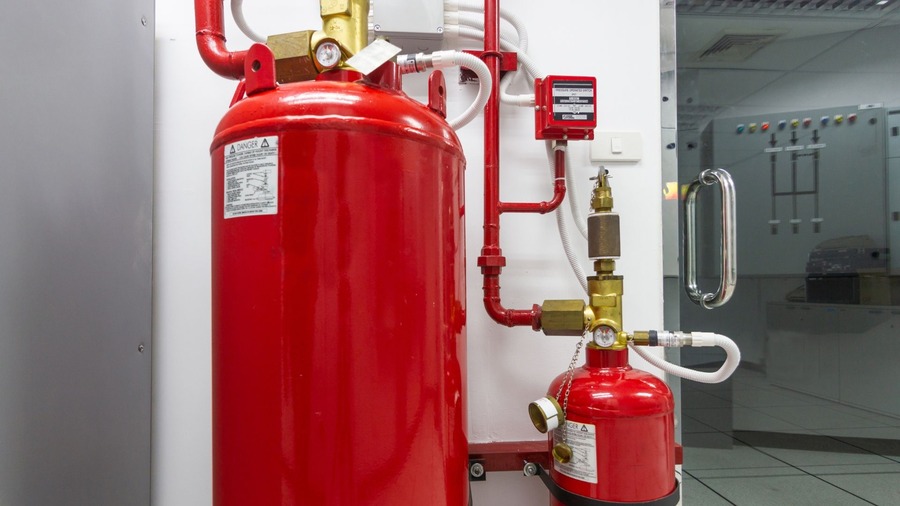
Pyro-Chem Kitchen Knight II Fire Suppression Service
Pyro-Chem Kitchen Knight II is a fire suppression system built for the places where flames love to party: commercial cooking areas. In fact, when grease, heat, and fast-moving vapors collide, this system steps in with speed and calm, like a lifeguard who never jokes about you drowning. In the sections that follow, a third person will walk through how the Pyro-Chem Kitchen Knight II works, what it protects, and how dependable service keeps it ready when it matters. And then, because the real world loves complexity, the article explains why Kord Fire Protection can become a vital partner with this service and job. After all, installing equipment is one thing; keeping it reliable is what separates professionals from “good luck, friend” technicians.

What the Pyro-Chem Kitchen Knight II protects in real kitchens
Commercial kitchens put fire risks in motion. Grease collects on hoods, ductwork carries flammable vapors, and cooking oils can ignite in seconds. Rather than guessing what will happen, the Pyro-Chem Kitchen Knight II focuses on the main paths where fire spreads. That includes the cooking hood area, the duct system, and the protected zones tied to hood operation.
Furthermore, it helps teams because it acts on heat and conditions associated with fire growth. So, even when staff must keep working, the system can work in the background, ready to protect equipment and reduce damage. For operators who want a broader foundation on hood protection, Kord Fire Protection also explains the bigger picture in its guide to commercial kitchen fire suppression systems. That companion read helps connect this specific Pyro-Chem setup to the wider logic behind kitchen safety planning.
Where protection matters most
- Cooking hood plenums where grease vapor accumulates
- Duct pathways that can carry heat and flame upward
- Appliance zones beneath the hood where ignition risk is highest
- Areas tied to hood operation and suppression discharge coverage

How the system works step by step
First, heat detection plays the opening role. When conditions rise to the point of concern, the system identifies a fire event. Next, it triggers release so the suppression agent flows where it must go.
Then, it pushes suppression into the hazard area, helping stop the fire from taking hold and spreading. At the same time, the system supports a fast response workflow for staff. Instead of waiting for a fire to grow, teams can follow the emergency steps with the confidence that suppression has already been deployed.
Also, the design supports the practical reality of kitchen schedules. It avoids turning routine cooking into a full disaster drill. Of course, nobody invites a fire to dinner, but they do appreciate equipment that shows up like it read the safety manual. Owners who want more detail on coordination logic may also find Kord Fire Protection’s article on commercial kitchen fire suppression electrical interlocks useful, especially when shutdown sequences and system integration become part of the conversation.
A simple sequence teams can understand
- Heat detection identifies dangerous fire conditions.
- The release mechanism activates.
- The suppression agent discharges into the protected hazard zones.
- Connected safety actions support emergency response.
- Staff follow the site plan while the system has already done the hard first move.
Key components and what technicians check during service
A reliable job starts with knowing what each part does. The system typically includes detection components, release hardware, agent storage, and associated control elements. During service, Kord Fire Protection and qualified technicians typically focus on verification and readiness.
Common service checks include:
- Inspection of detection devices for proper condition and alignment
- Verification that release components respond as intended
- Assessment of agent status and related indicators
- Checking wiring, fittings, and mounting for secure connections
- Confirming that access panels and service points remain unobstructed
Meanwhile, good service also includes documenting results so the kitchen manager can plan next steps without mystery. When people can see what was done and what remains, safety stops being a vague promise and turns into a measurable plan. Kord Fire Protection’s article on what kitchen fire suppression covers and does not cover also helps owners separate assumptions from actual system scope, which is always a healthier way to approach safety than crossing fingers and hoping the hood has opinions.

Installation details that affect performance
Even a strong system can underperform if installation ignores the realities of airflow, hood geometry, and access. Therefore, a proper layout matters. Technicians must plan where detection triggers, how agents distribute, and how the duct and hood configuration connects to protected zones.
Additionally, local code requirements influence layout and labeling, and they influence how teams operate the system after installation. For example, they must know how to identify zones, how to restore the system after discharge, and how to keep documentation updated for inspections.
Because kitchens run on schedules, installation planning also reduces downtime. The best crews coordinate around cooking hours, protect surfaces, and keep the job site safe. In short, smart installation supports both safety and business continuity, which is the kind of “calm” everyone wants. For businesses comparing broader options beyond one product family, Kord Fire Protection’s fire suppression services page offers a wider look at suppression solutions that support commercial properties and kitchens alike.
Installation factors that should never be treated casually
- Exact hood and duct dimensions
- Appliance arrangement and cooking load
- Nozzle placement and discharge pattern planning
- Detection line routing and accessibility
- Labeling, records, and post-install operating clarity
Why ongoing maintenance keeps the kitchen safe
Fire suppression systems do not work on vibes. They work on readiness. Over time, kitchens create real wear: heat cycles, cooking residue, vibration, and cleaning chemicals. So the system needs periodic inspection and service to ensure it still performs as designed.
Moreover, maintenance supports audit and inspection needs. It helps owners prove that safety equipment gets attention, not neglect. Kord Fire Protection can help standardize service intervals, create clear records, and reduce the chaos that shows up when inspectors arrive early. Another useful companion resource is Kord Fire Protection’s recent article on Pyro-Chem fire suppression systems for commercial kitchens, which gives operators more context on how these systems are used across busy cooking environments.
How Kord Fire Protection becomes a vital partner with this service job
Many owners treat fire protection as a one time install. That mindset breaks down fast, because kitchens change: menus evolve, equipment gets replaced, and staff schedules shift. Then the protection system must stay aligned with the current reality. Here, Kord Fire Protection becomes a vital partner by supporting the complete safety lifecycle.
Specifically, Kord Fire Protection can assist with service planning, inspections, documentation, and practical guidance that fits the kitchen’s daily workflow. They can help teams understand what service means, what happens when something needs adjustment, and how to keep disruption low.
Also, they can coordinate with other life safety systems so the facility operates as one coherent safety plan. Because if fire protection feels like a patchwork quilt, it never looks as reassuring as it sounds. When it runs as a system, everyone sleeps better, and the kitchen keeps doing its job. Businesses wanting a fuller picture of available support can also review Kord Fire Protection’s fire suppression services to see how kitchen protection fits into broader property safety planning.
Featured FAQ
| Service topic | What it confirms |
| Detection verification | That the system responds correctly to heat conditions |
| Agent release readiness | That release hardware can operate when triggered |
| Visual inspections | That components stay secure and unobstructed |
Call Kord Fire Protection for confident safety coverage
Fire safety cannot wait for a “later” decision, because later usually arrives with heat and bad timing. For owners and kitchen managers, Pyro-Chem Kitchen Knight II performance depends on proper service, correct documentation, and ongoing readiness. Kord Fire Protection helps teams keep protection aligned with real kitchen changes, supports inspections, and reduces downtime surprises.
If this system protects your cooking space, make sure it stays ready. Contact Kord Fire Protection today and explore its fire suppression services for a service plan that feels calm, professional, and firmly in control. That way, the kitchen can keep serving food instead of accidentally auditioning for a disaster documentary.

Join Our Newsletter!
Get the latest fire safety tips delivered straight to your inbox From our Newsletter.