Special Hazard Suppression for Server Rooms in Australia
Quick Answer
Choosing special hazard suppression for a server room means matching the fire scenario to the right extinguishing method, layout, detection, and maintenance plan. When done well, the system protects critical equipment without wasting time or shutting you down unnecessarily.
In the first moments of a fire, seconds feel like hours. That is why special hazard suppression is not a “nice to have” in server rooms and IT spaces. It is a planned response that focuses on fast detection, correct agent selection, and controlled discharge. In other words, it aims to stop the fire before it turns a routine alert into a full outage.
For facilities comparing options early, Kord Fire Protection’s clean agent fire suppression system guide offers a helpful starting point for understanding solutions suited to sensitive electronics.
Server room risks that demand more than standard sprinklers
Server rooms hold dense electronics, power systems, and airflow paths that can move heat quickly. Even when smoke stays low at first, hidden combustion can grow inside cable trays, racks, or ceiling voids. Meanwhile, many traditional water systems do not suit the reality of sensitive gear. Water can damage hardware, short circuits can follow, and downtime becomes the real “second fire.”
As conditions change, fire behavior becomes less predictable. For instance, a smoldering cable can turn into a fast flaming stage once it reaches the right airflow. Therefore, the suppression design must account for how the space is constructed, how air travels, and how occupants and equipment are positioned.
To keep things practical, facilities teams across Australia often compare outcomes rather than features. They ask what happens to operations if the system discharges at the wrong time, or if detection misses the earliest signal. Then they plan for reliability, testing access, and a maintenance schedule that actually gets followed. Because in real life, “we will maintain it later” is how systems end up staying quiet right until they should not.
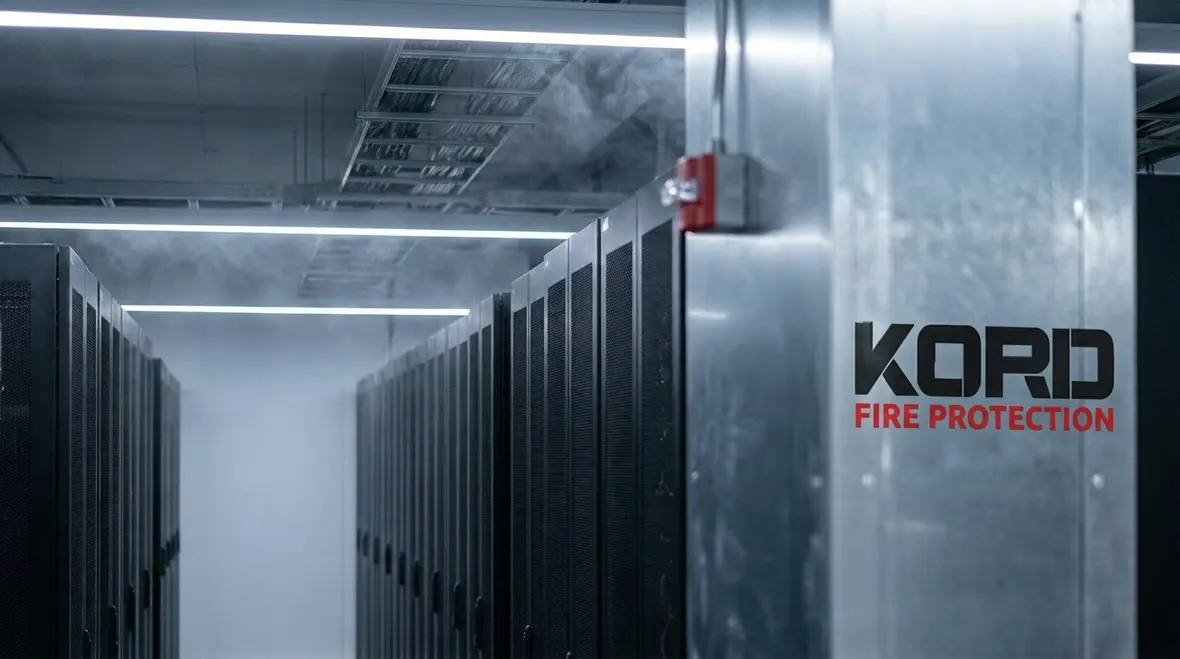
How to choose the right suppression agent for protected equipment
Fire suppression is not one-size-fits-all. Teams typically start by assessing which agent suits both the fire threat and the room conditions. That decision balances fire control speed, compatibility with electronics, and the acceptable recovery process after discharge.
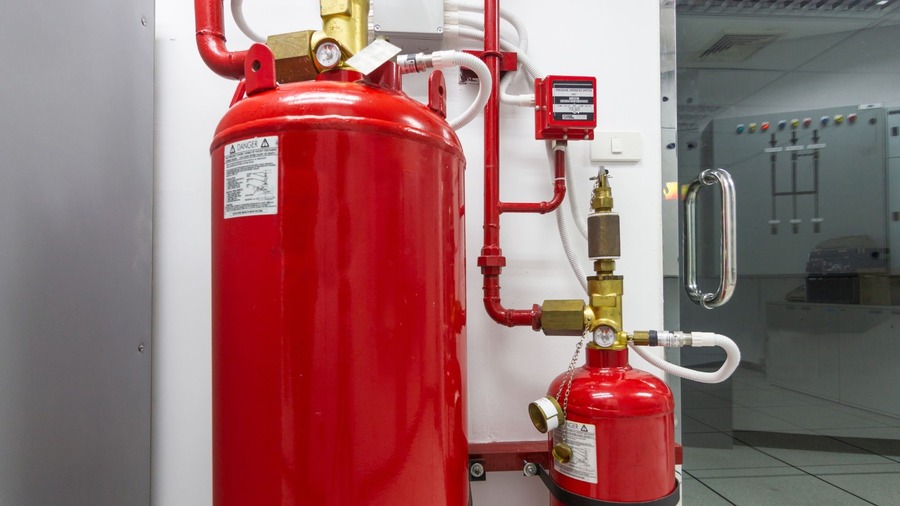
In many server room designs, the goal is clean extinguishment. As a result, alternatives to water focus on reducing smoke and stopping combustion without soaking assets. Facilities may consider gaseous agents and other special hazard options, depending on local standards, ventilation behaviour, and whether the room can be sealed during discharge.
Next, they evaluate the detection-to-discharge timeline. Special hazard suppression systems depend on detectors that respond to the right signatures, such as fast rise heat or smoke characteristics in enclosed spaces. Then the control panel coordinates discharge. Therefore, if detection strategy does not match the risk profile, even a strong agent can arrive too late.
Finally, they factor in operational constraints. For example, if the room has frequent work access, they plan how door openings, pressure changes, and airflow can affect performance. In that moment, the system design stops being “hardware” and becomes “process.” Pop culture calls it plot armor. In engineering, it is the same idea.
If your project team is weighing room sealing and hold time as part of agent performance, Kord Fire’s guide to gas suppression systems for server rooms fits naturally into that comparison and helps frame the conversation around real room conditions.
What decision makers usually compare first
- How quickly the agent can stop a growing fire
- Whether the extinguishing method is safe for electronics and enclosed spaces
- How ventilation and door movement may affect effectiveness
- What cleanup, reset, and recovery look like after discharge
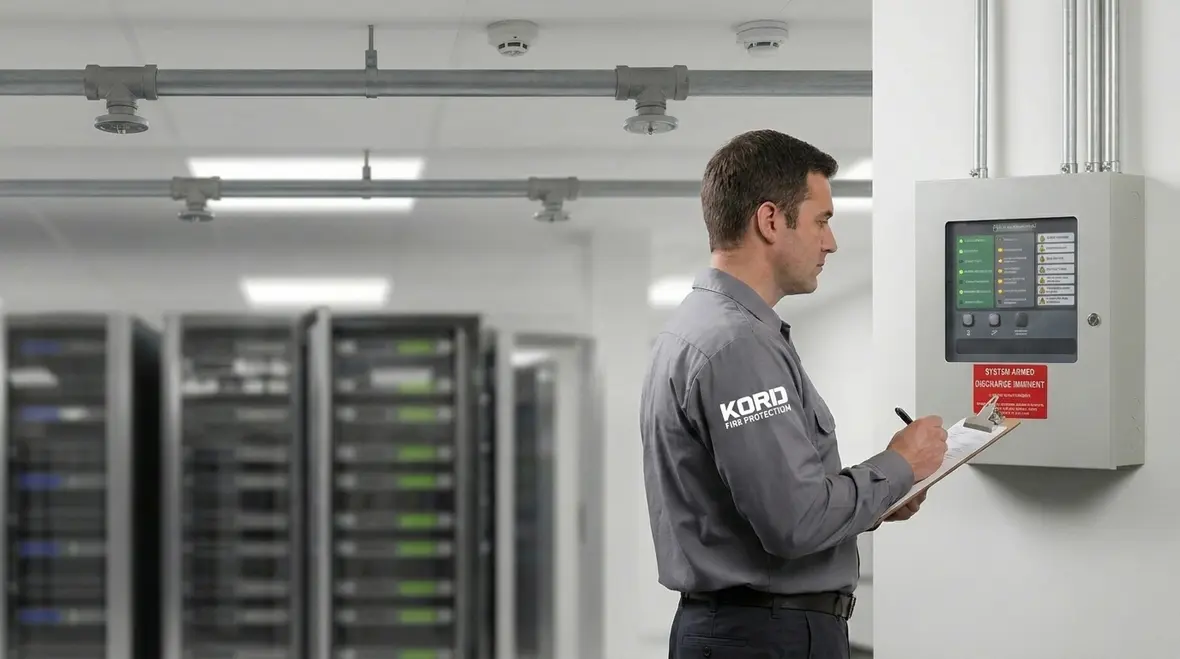
Matching system layout and detection strategy to the room
A suppression system protects the space, but it does not protect it magically. It protects it because the layout guides agent distribution and detection coverage. So teams should map hazards to zones, then confirm coverage for the real locations where ignition may occur.
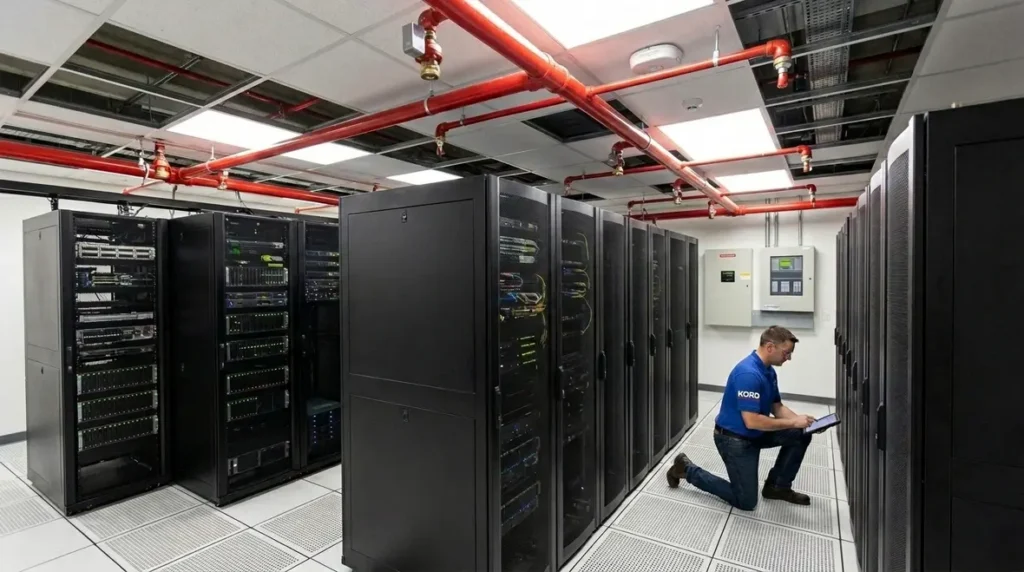
They often start by reviewing cable routing, rack density, power distribution, and airflow patterns from cooling units. Then they position detectors where early signals will appear. If smoke tends to travel upward or along a specific return path, detection must follow that reality. Otherwise, the system might wait for bigger flames, and nobody wants a bigger problem.
Then the design team looks at discharge hardware placement. They confirm that agent can reach affected areas and that the room can maintain conditions long enough to stop the fire. They also consider compartment size, ceiling height, and obstructions like structural beams and rack enclosures. Because if you block distribution, you might as well ask the agent to do its job while wearing a blindfold.
Finally, they verify that the system includes manual controls, warning outputs, and interlocks. As part of the overall approach, these controls support safe evacuation and reduce the risk of accidental discharge during routine operations.
Room details that change system performance
- Cooling airflow and return paths
- Cable tray routing and underfloor spaces
- Rack density and aisle arrangement
- Ceiling height, beams, and enclosure obstructions
- Door use frequency and pressure relief conditions
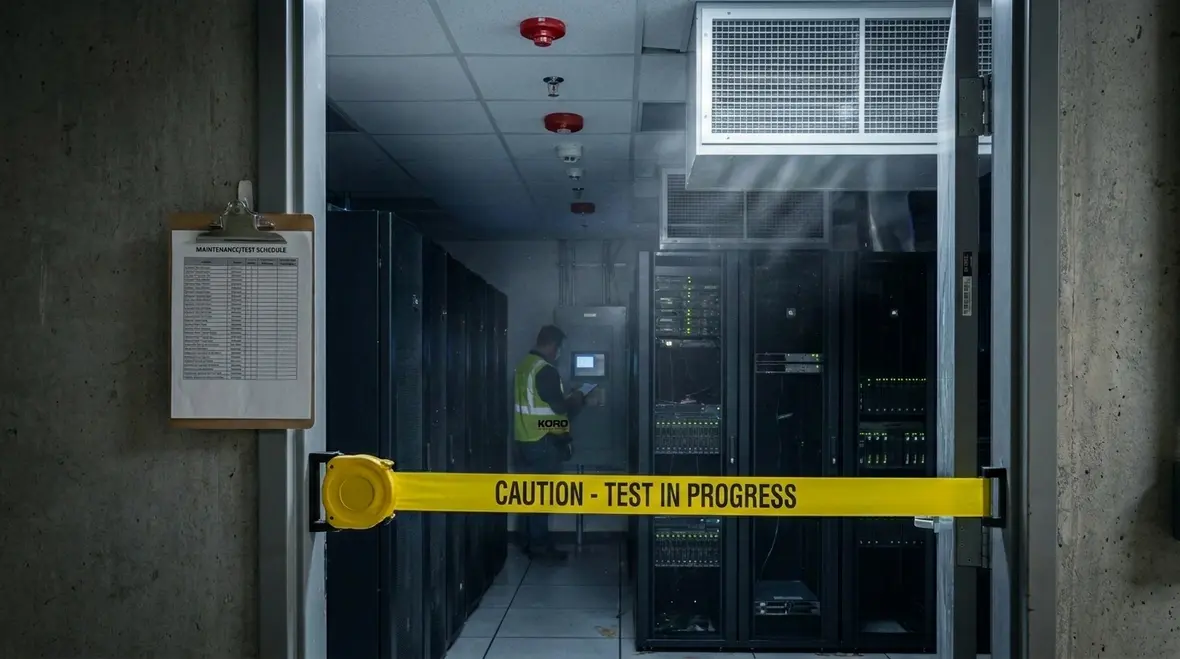
Compliance, testing, and maintenance that keep the system trusted
In Australia, industrial and commercial fire protection must meet applicable requirements, and special hazard suppression often demands structured inspection and test routines. The system should not just exist on paper. It should perform the way it is designed to perform.
Most teams benefit from a maintenance plan that includes inspection of detectors, verification of agent cylinders or storage units, testing of control functions, and confirmation that alarms and warning devices operate as intended. Importantly, they document results, track service dates, and address faults before they become downtime events.
Because server rooms do not sleep, the maintenance schedule must match your operating rhythm. A good plan reduces disruption during business hours and aligns with IT change windows. That way, you avoid the classic scenario where the firewall has a scheduled update, the database needs a patch, and suddenly the fire system test date collides. Then everyone turns into a calm, professional version of chaos. Nobody needs that.
Regular testing also helps staff stay confident. When your team understands how the system sounds, what alarms mean, and what the response steps are, the first reaction becomes clarity instead of confusion.
Kord Fire also covers the practical side of lifecycle support in its server room fire suppression system guide, which is useful when planning service intervals, testing access, and commissioning expectations.
Why Kord Fire Protection becomes a vital partner for this service
Choosing the right system is only half the job. The other half is execution, commissioning, and ongoing support. That is where Kord Fire Protection can become a vital partner for facilities needing special hazard suppression and reliable service outcomes.
They focus on matching the system to the hazard and the room reality, then supporting the lifecycle after installation. Therefore, your protection plan stays aligned with how the server room actually operates, including how detection behaves in normal conditions and how the system performs when it matters.
In addition, a partner like Kord Fire Protection helps teams avoid common pitfalls such as mismatched zoning, incorrect distribution assumptions, missing testing access, or incomplete commissioning documentation. And when the time comes for inspections, they bring a practical, operational mindset. Because if your suppression system cannot be maintained easily, it eventually becomes a problem, not a solution.
Ultimately, the goal is confidence. Your business keeps running, your equipment stays protected, and your team has clear steps if an alarm ever occurs. Fire protection should feel boring in the best way. Like a well written contract.
Cost, downtime, and risk trade offs for industrial and commercial sites
Budget conversations often start with installation costs, but server room risk involves more than initial spend. Special hazard suppression can affect downtime planning during installation, testing, and any future modifications when IT layouts change.
Facilities should compare options based on total risk. That includes the likelihood of discharge, recovery time, cleaning or replacement needs, and how quickly the room can return to service after an event. As part of that, teams should consider how often the room changes. Data racks get upgraded, cooling setups shift, and cable pathways evolve. If the suppression design does not allow for updates, protection performance can drift.
Therefore, teams often ask about change management. They want flexible design choices, clear documentation, and a service partner who can adjust or revalidate when the room layout shifts. Meanwhile, they plan a commissioning approach that supports IT operations rather than disrupts them.
Yes, cost matters. However, in a server room, one major outage can cost more than a well planned suppression upgrade. So the best approach looks at risk first, then builds a budget that supports reliable coverage and predictable maintenance.
Dual approach for layered protection and smoother response
Server rooms often benefit from a layered strategy that supports both detection and suppression readiness, rather than relying on a single event trigger. As a result, facilities commonly combine detection, alarm, evacuation support, and suppression design into one coordinated response plan.
Detection and control
- Detector placement that matches airflow and hazard locations
- Control panel logic that coordinates warnings and interlocks
- Clear escalation steps for alarms and faults
Suppression performance
- Agent selection based on room conditions and equipment needs
- Distribution layout that accounts for obstructions and zoning
- Planned testing so performance remains trusted
FAQ
Next steps for server room protection
Choosing special hazard suppression should not feel like guesswork. A facilities team should match agent choice, detection strategy, layout, and maintenance into one reliable plan. If your server room needs protection built for real-world hazards across Australia, Kord Fire Protection can help you design, commission, and support the system with confidence.
The next smart move is a practical review of your room conditions, airflow, equipment sensitivity, and testing requirements so the system fits the way your site actually operates. Contact Kord Fire Protection today to build a protection pathway that keeps your operations steady.

Join Our Newsletter!
Get the latest fire safety tips delivered straight to your inbox From our Newsletter.