ANSUL PIRANHA Fire Suppression System with Kord Fire Protection
When a fire starts, seconds decide the outcome, and that is exactly why the ANSUL PIRANHA Fire Suppression System earns its keep. This is a proven total flooding or localized style approach that helps protect the hazards found in commercial kitchens, specialty equipment rooms, and similar high risk spaces. However, the best results never come from the equipment alone. They come from smart design, correct installation, and a service plan that actually gets followed, not one that lives in a dusty binder. And that is where Kord Fire Protection can become a vital partner, turning a one time job into dependable protection.
The real value of a suppression system is not that it looks impressive on a spec sheet. It is that it performs when heat, grease, vapors, and panic all decide to show up at once. In busy commercial environments, the difference between a controlled incident and a major shutdown often comes down to whether the system was matched to the hazard and kept in service condition. That is why businesses often pair suppression planning with broader fire suppression services from a provider that understands the equipment, the occupancy, and the service cycle. Kord Fire Protection approaches that process like a long term safety strategy, not a one and done handshake.
What the ANSUL PIRANHA system is built to do
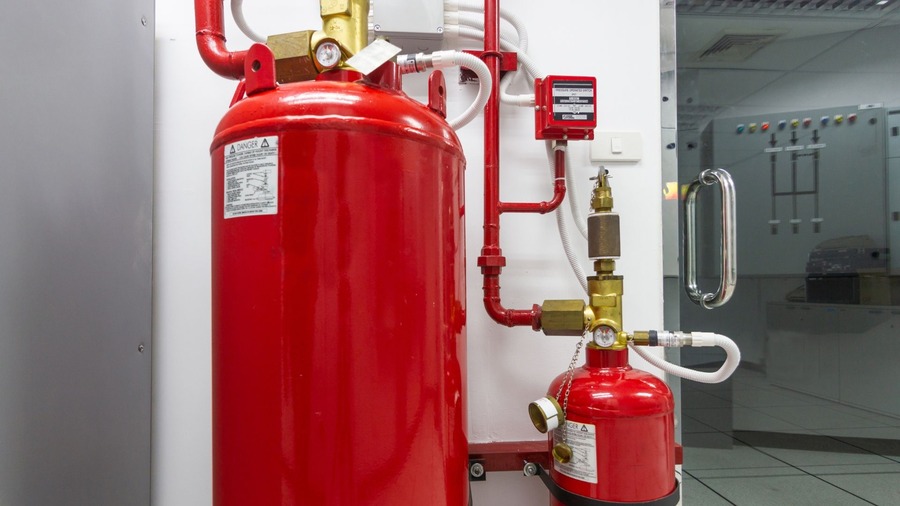
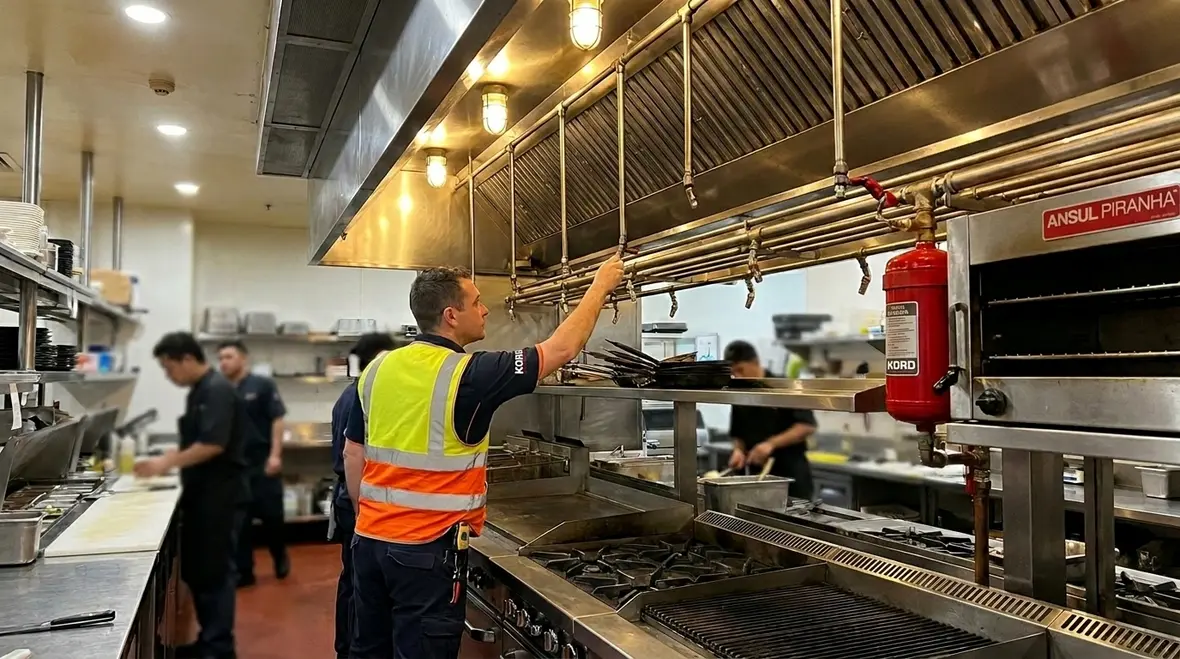
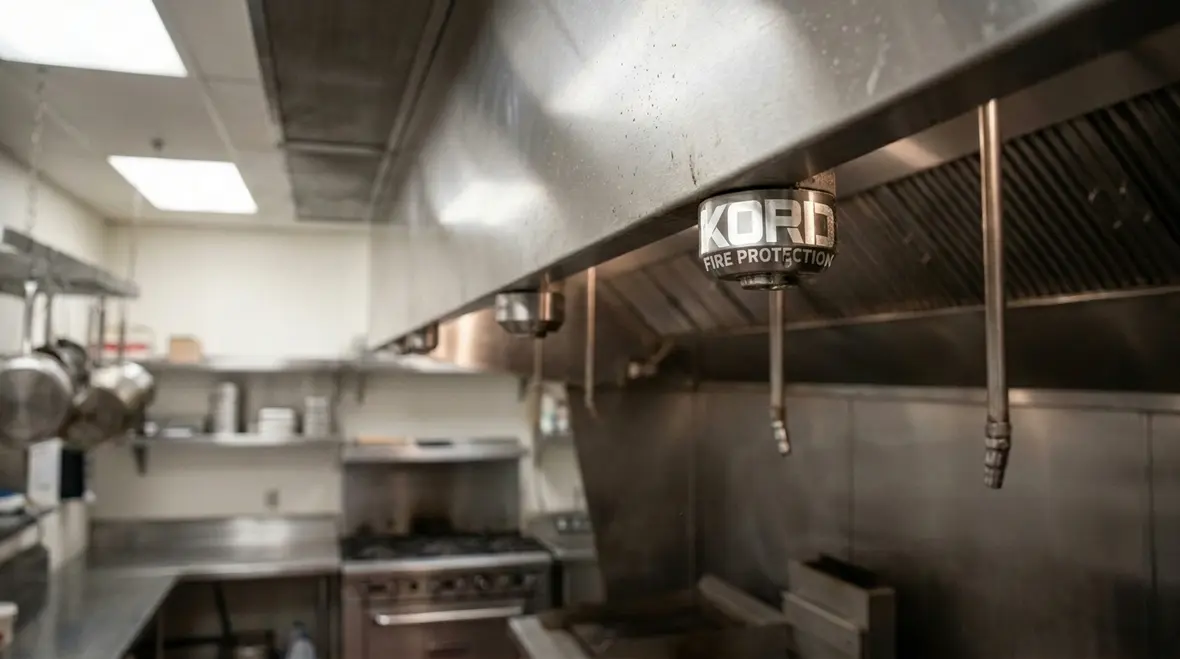
The ANSUL PIRANHA system focuses on quick detection and rapid suppression in protected areas. It typically includes components like detection, a release mechanism, nozzles, and an extinguishing agent designed for the hazard. When heat or conditions trigger the system, it releases the agent fast enough to control the fire at its source.
Because fires spread so quickly, the system design matters. For instance, proper nozzle placement and piping layout affect coverage. In addition, the agent choice supports the right type of fire behavior the hazard can create. In other words, the system is not just “something that sprays.” It is a designed response that aims to stop the fire from getting the upper hand.
Designed protection, not generic hardware
That distinction matters more than people think. A system designed for one layout can miss the mark in another if appliance positions, hood dimensions, or hazard zones change. Kord Fire Protection regularly discusses this same idea in its guide on commercial kitchen fire suppression systems, where the point is clear: fire protection is effective because it is engineered for the environment, not because someone hung equipment and hoped for the best.
How the system works in the real world
In practice, the system begins with detection. Then it moves to release and distribution of the extinguishing agent across the protected area. Meanwhile, the design takes into account how heat rises, how vapors move, and where the hazard sits in relation to the nozzles.
Once the agent discharges, it does its job by interrupting the fire process. After that, the area may require cleanup and reset before the equipment returns to normal operation. That is often where businesses feel surprised, because they imagine “out” means “done.” Instead, a proper reset and inspection ensures the system stays ready for the next emergency. Fire protection should not act like a one time magic trick. It should work like a reliable service.
Real world performance also depends on what happens around the system before a fire ever starts. Grease accumulation, blocked access, changed appliance locations, and ignored service dates all chip away at reliability. That is why Kord Fire Protection often ties suppression readiness to a bigger fire safety conversation, similar to the practical guidance in its article on advanced commercial kitchen fire safety strategies. The system acts fast, but the environment has to let it do its job.
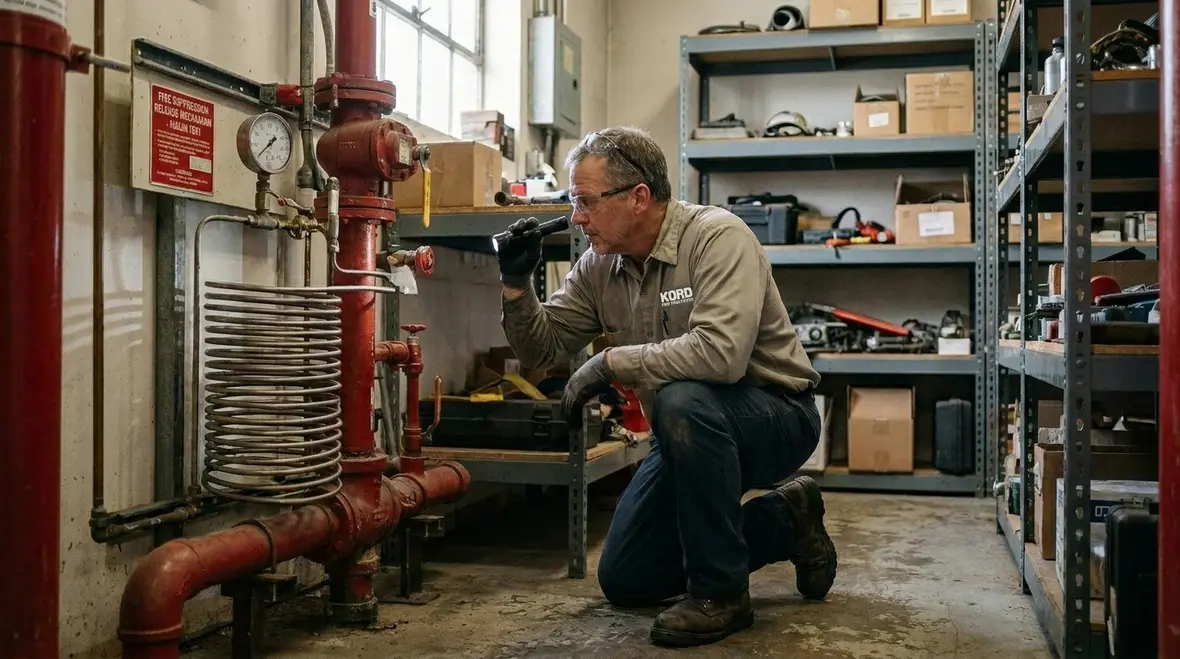
Why ANSUL PIRANHA installation details change everything
Installation quality drives performance. Even if the system is the right model, rushed layout decisions can reduce coverage or create service headaches later. For example, technicians must route tubing and piping with the right support, minimize kinks, and maintain proper connections. They must also follow the manufacturer requirements for mounting height, nozzle positioning, and hazard coverage.
Additionally, businesses need correct integration with the protected equipment. If the system protects a specific process, it must coordinate with that process layout. Otherwise, the system may trigger but not fully reach the fire area. That is like bringing a fire extinguisher to a knife fight and hoping paperwork counts as armor. It is funny until it costs someone time, money, or safety.
Interlocks, shutdowns, and the details people forget
A suppression system does not operate in a vacuum. It often needs to coordinate with equipment shutdowns and related safety functions so the hazard does not keep feeding the fire after discharge. Kord Fire Protection covers that point in its article on commercial kitchen fire suppression electrical interlocks, and it is a useful reminder that reliable protection is built on a chain of correct details, not one flashy component.
Maintenance schedules that keep the system ready
Service work should not be “whenever someone remembers.” Instead, it should follow a planned schedule based on the equipment type, usage intensity, and the environment. The ANSUL PIRANHA system requires routine inspections to confirm that components operate as intended.
Common maintenance activities include checking condition and accessibility of components, verifying inspection labels, reviewing agent status, and confirming proper operation of the detection and release process according to the system’s service criteria. If the protected environment includes grease, dust, or heat cycling, then inspection frequency may need to increase.
Just as important, Kord Fire Protection can help teams document service history and keep the system aligned with local and industry expectations. That means fewer awkward moments during inspections, and fewer “wait, when was the last check?” conversations.
This is also where related equipment matters. For many kitchens, suppression is only one part of the readiness picture, and items like extinguishers still need proper placement and upkeep. Kord Fire Protection explains that connection in its post on commercial kitchen fire extinguisher requirements, which pairs nicely with suppression planning because emergencies do not care which binder the paperwork lives in.
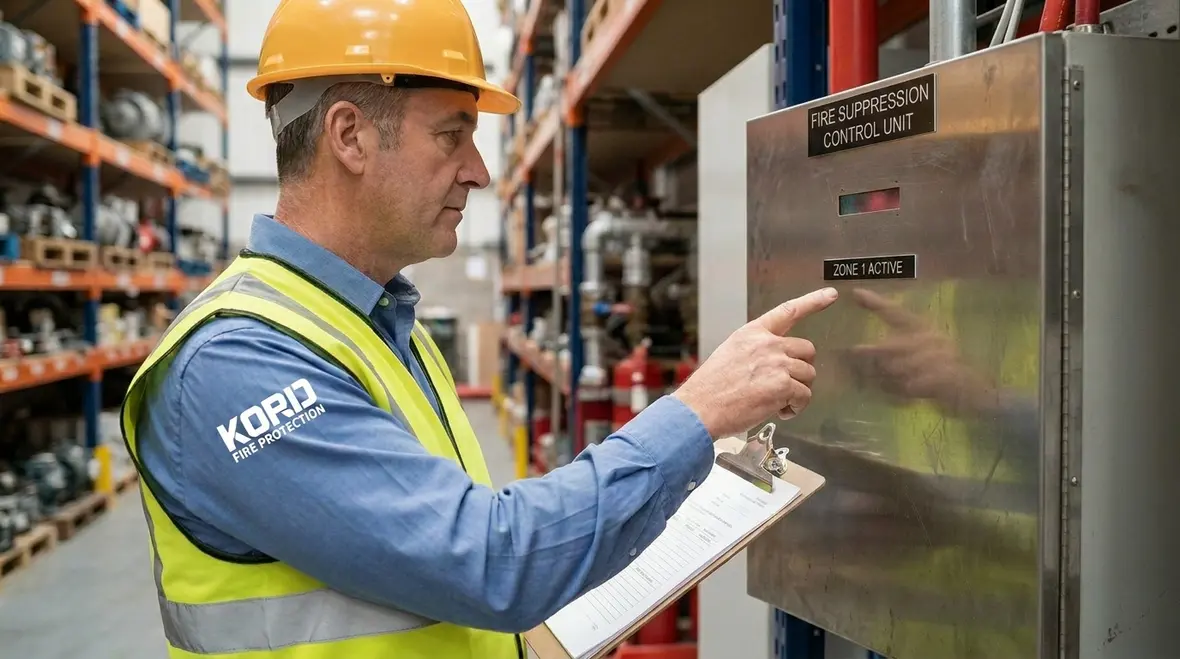
How Kord Fire Protection supports safer operations
Kord Fire Protection can become a vital partner by supporting the full lifecycle: assessment, installation coordination, ongoing service, and response planning. Because many hazards look similar on the surface, a professional review helps confirm coverage requirements and identifies gaps before they turn into problems.
Also, Kord Fire Protection can help businesses reduce downtime. Fire systems are critical, and any work that disrupts operations should be scheduled with care. As a result, the right service partner can plan inspections, coordinate access, and complete required testing without turning maintenance into a daily event.
Finally, a service relationship improves readiness. When crews know the system history and understand how it behaves, they can respond with confidence. And confidence, in fire protection, is basically the difference between “we got lucky” and “we were prepared.”
Choosing the right partner for inspections and compliance
Many businesses think compliance only means passing an inspection. Yet compliance also means having a system that performs when it matters. That requires correct documentation, scheduled inspections, and a technician team that follows manufacturer guidance and local rules.
When selecting a partner, it helps to ask how they handle documentation, how quickly they schedule service, and what their process looks like after discharge events. In addition, look for a team that communicates clearly about what they found and what they recommend. Nobody wants a mystery report that reads like a thriller novel with no ending. Clear, practical service keeps operations moving.
Questions worth asking before you sign anything
- How do they document inspections and follow up on deficiencies?
- What is their process after a discharge or emergency service call?
- Can they coordinate service windows to reduce operational disruption?
- Do they support broader suppression needs through a dedicated service program?
How businesses can prepare teams for emergency response
Even the best suppression system needs humans who know what to do next. Teams should understand how the area will be affected after discharge, what safe steps to take, and how to report the event. They should also know that resetting and inspections follow a discharge, not a “we will deal with it later” approach.
For busy operations, short training sessions and simple signage can make a big difference. Meanwhile, a partner like Kord Fire Protection can support with guidance that helps teams connect the system actions to practical next steps. That way, the system protects the hazard, and the people protect the system’s readiness.
It also helps to train around what the system does and does not cover. Kord Fire Protection addresses that practical line in kitchen fire suppression coverage guidance, which can help operators avoid the classic mistake of assuming installed equipment solves every possible problem forever. It does a specific job, and teams should know how to support that job before and after an event.
FAQ
Call Kord Fire Protection to plan the right next step
Fire suppression systems work best when they stay reliable, and that takes design accuracy, proper installation, and steady service. Kord Fire Protection helps businesses protect the hazard, document the work, and plan maintenance so operations keep moving. If it is time to schedule inspection, review your current setup, or confirm your protection coverage, reach out to Kord Fire Protection today. They will help map the path from installed equipment to dependable performance you can trust.
Need a stronger service plan?
Explore Kord Fire Protection’s fire suppression services to connect this system with installation support, inspections, and ongoing maintenance that actually stays on schedule. If your team works in food service, the article on commercial kitchen fire suppression systems is also a useful next read.

Join Our Newsletter!
Get the latest fire safety tips delivered straight to your inbox From our Newsletter.