Fire Alarm Monitoring Benefits and ROI with Kord Protection
Quick Answer (ROI and value)
Integrated fire alarm monitoring services can cut response times, reduce false alarm costs, and improve compliance. In turn, businesses gain predictable risk coverage and fewer disruptions. When Kord Fire Protection partners on installation, maintenance, and ongoing reviews, the service stops being a “bolt on” and becomes a reliable safety program that pays back over time.
For businesses that want the service side aligned with the monitoring side, Kord Fire Protection’s fire alarm monitoring support shows how a connected response process can fit naturally into a broader protection plan.
Why fire alarm monitoring benefits matter for real ROI
For industrial sites, retail centers, and commercial facilities across Australia, the cost of downtime is often louder than the alarm itself. Therefore, fire alarm monitoring benefits show up in day to day performance: faster escalation, fewer missed signals, and better documentation when insurers and regulators ask for proof.
Integrated monitoring turns the fire panel into a connected system, so someone reacts quickly instead of hoping the right person hears the right sound. And yes, that is better than the classic “I’ll check my phone after this meeting” plan, which never ends well.
What integrated monitoring really means
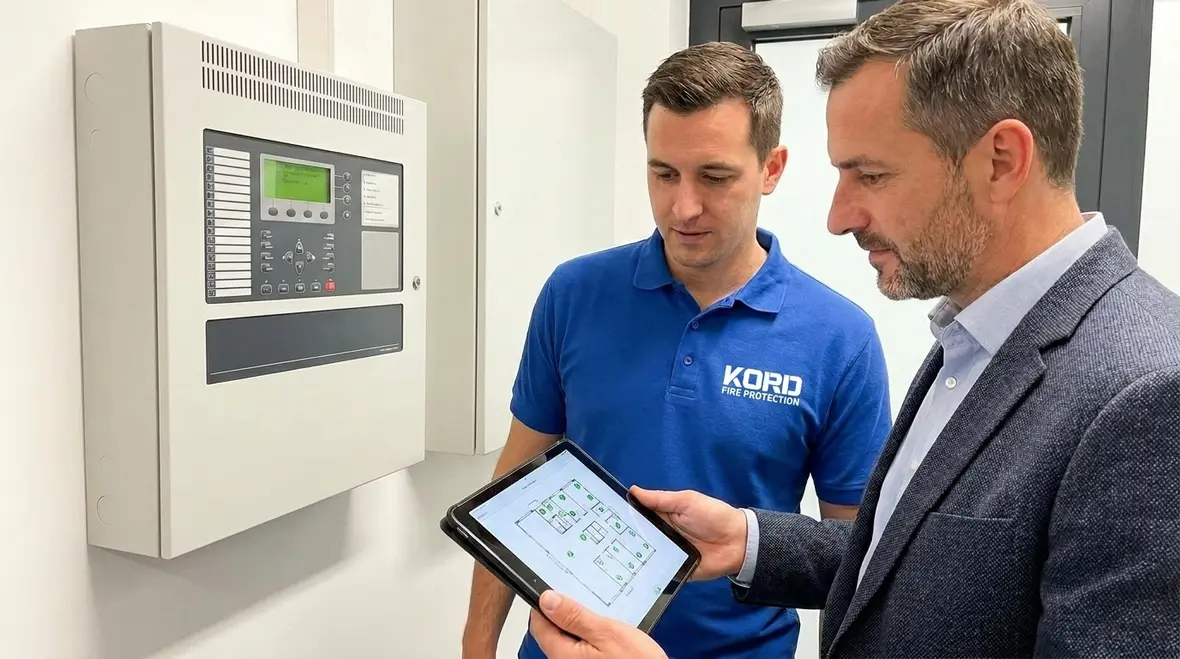
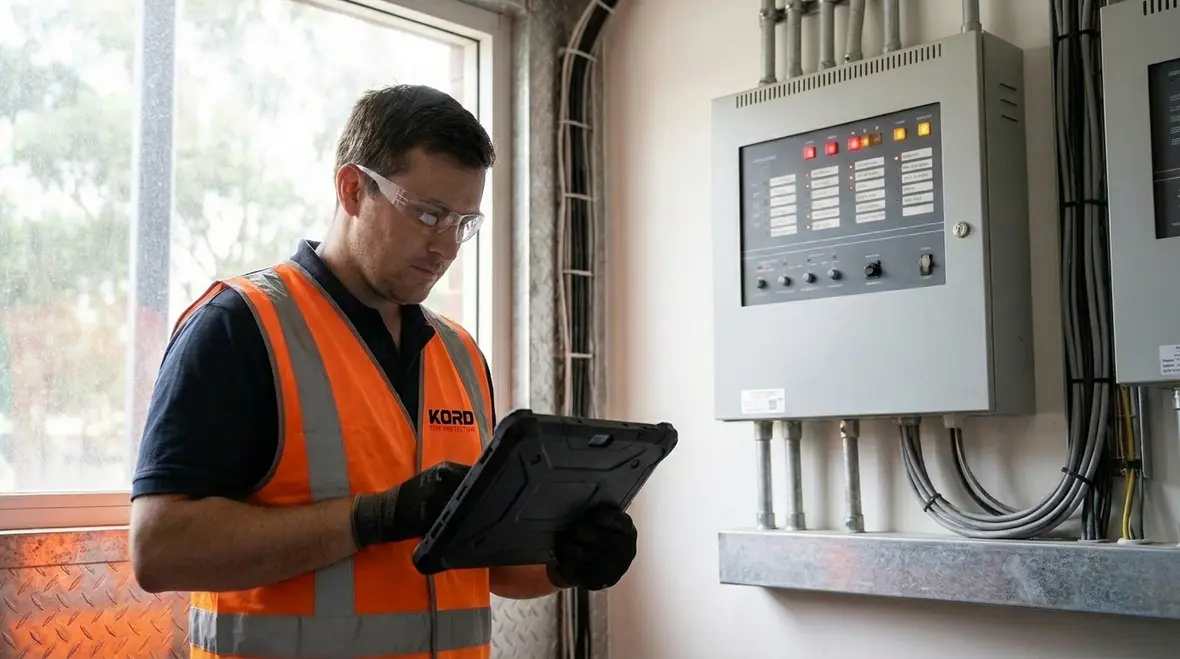
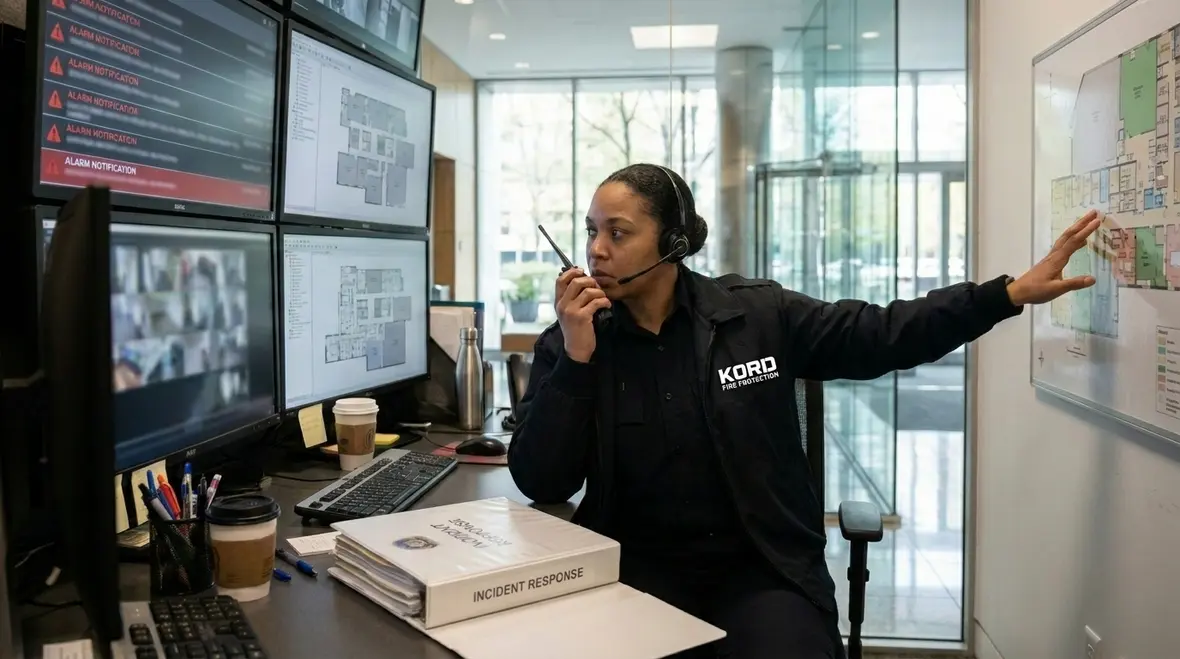
Integrated fire alarm monitoring is not just a receiver that listens. It links the building system with an external monitoring service, so alarms trigger structured responses and clear event reporting. Instead of vague alerts, the system sends details like device type and zone location, which helps responders act with less guesswork.
Moreover, integration usually includes operational processes: alarm verification, call trees, and escalation paths. Then, after the event, the monitoring platform supports record keeping for investigations, maintenance planning, and compliance audits. In business terms, it makes safety data usable, not just stored.
From alarm noise to actionable information
That distinction matters more than many teams expect. A panel on its own can tell you something happened. A monitored and integrated setup helps tell you what happened, where it happened, who needs to know, and what the next step should be. That is a major shift from reactive confusion to controlled response, and it is one of the biggest reasons the return on investment keeps stacking up quietly in the background.
Kord Fire Protection has touched on that same principle in its article on what fire alarm monitoring is and how it works, where the core idea is simple: detection starts the story, but monitoring makes sure someone reads the next chapter.
How integrated monitoring drives measurable ROI
ROI comes from reducing avoidable costs and strengthening resilience. To see it clearly, teams can separate outcomes into cost savings, risk reduction, and productivity gains.
1) Lower costs from fewer false alarms
False alarms create admin work, shift disruption, and sometimes costly call outs. Integrated monitoring can include verification steps and structured escalation, which helps reduce unnecessary response. Additionally, better event clarity speeds troubleshooting and maintenance prioritisation.
2) Faster response reduces damage and downtime
When detection happens, seconds matter. Monitoring helps ensure that the right parties get notified promptly, which can reduce fire growth and limit property loss. As a result, facilities lose less production time, and retail operators protect trading hours.
3) Compliance becomes easier to demonstrate
Insurers and regulators look for evidence. Monitoring reports, event logs, and service records help show that the site can detect, report, and respond to fire risk in a controlled way. Consequently, companies spend less time rebuilding paperwork after an issue.
4) Better maintenance planning improves asset life
Event trends highlight recurring device faults, environmental triggers, or system drift. With that visibility, maintenance teams can fix root causes instead of replacing parts “because it feels due.” Over time, that protects equipment value.
Where ROI hides for industrial and retail operators
Different sites generate different costs, so the ROI story changes by industry. Industrial facilities often deal with high-value assets, complex production schedules, and strict safety procedures. Retail sites face unique pressures too: foot traffic, landlord requirements, and operational continuity during peak trading periods.
In industrial settings, monitoring can reduce escalation confusion across multiple contractors and shifts. Meanwhile, in retail environments, it can prevent unnecessary evacuations and staff anxiety caused by poorly handled events. Then, across both sectors, clearer documentation supports audits and helps teams justify ongoing safety budgets instead of treating them like an expense with no return.
And if anyone says “we already have a fire panel,” the response is simple: a panel detects. Monitoring helps ensure the right humans act quickly, every time.
Why documentation is part of the payoff
ROI is not always flashy. Sometimes it looks like cleaner records, smoother audits, faster post-event reviews, and less finger pointing after an alarm. Those outcomes may not sound dramatic in a sales meeting, but they are exactly the kinds of operational improvements that save money and headaches over the long haul.
ROI gets stronger with a partner, not a vendor
Many companies purchase monitoring as a standalone service. That approach often works for a while, then breaks down when devices age, zones change, or maintenance cycles get misaligned. Therefore, the best ROI happens when a trusted partner coordinates the system from the start.
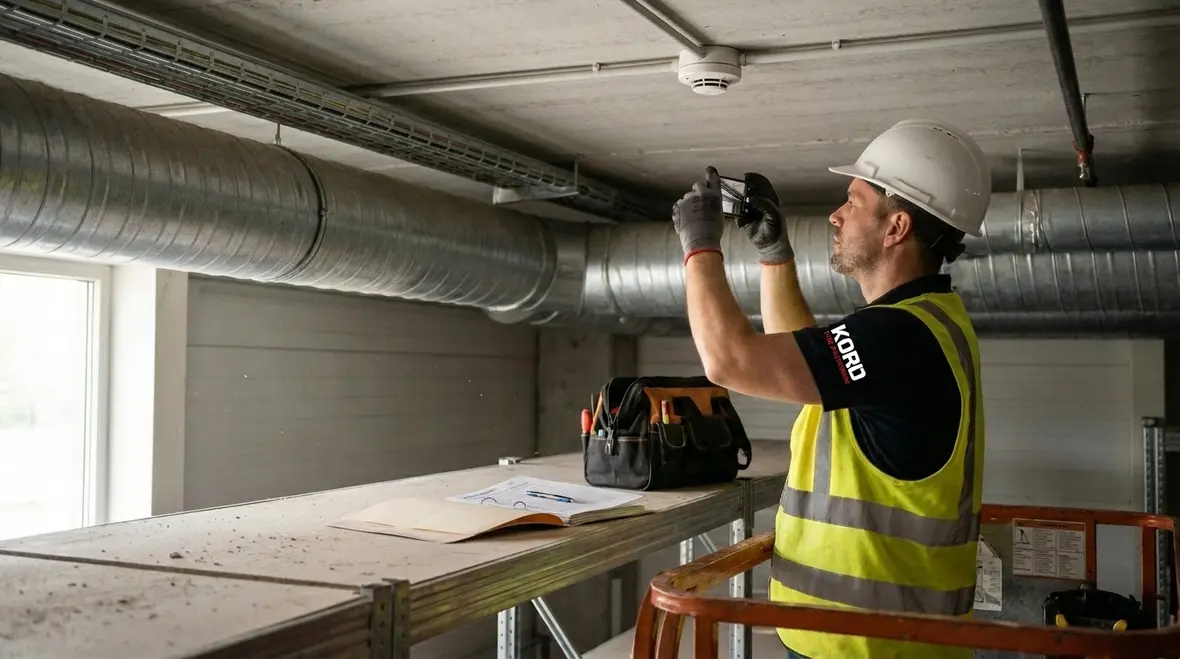
This is where Kord Fire Protection can become a vital partner. Kord Fire Protection aligns installation quality, testing routines, and system tuning with the monitoring workflow. Instead of handing over a “finished” system and hoping it stays perfect, they help ensure it stays reliable.
That lifecycle mindset also fits naturally with Kord Fire Protection’s broader perspective on the full lifecycle of fire protection. When design, service, monitoring, and follow-up actually talk to each other, the system performs more like a program and less like a pile of disconnected invoices.
When Kord Fire Protection supports the job, teams typically gain these advantages:
- System readiness: they confirm device placement and performance so monitoring receives accurate, actionable signals
- Maintenance alignment: service schedules match the monitoring provider’s expectations for reporting and verification
- Event support: after an alarm, they help identify likely causes and plan corrective action
- Continuous improvement: they review trends so the site reduces repeat faults, not just repeats paperwork
Think of it like a good mechanic who also keeps an eye on your car’s warning codes. Sure, you could ignore them and still drive. But at some point, the bill shows up wearing a scary Halloween mask.
Key questions teams should ask before they sign
Decision makers can protect ROI by confirming details upfront. They should focus on how the service handles events and how it supports operations between alarms.
Consider these points:
- Response workflow: who gets notified first, and what happens next
- Alarm data quality: does the service receive clear zone or device information
- Verification rules: how does the system reduce false alarms without delaying real events
- Reporting: what event documentation is provided and how fast
- Service coordination: how monitoring connects with testing and maintenance
- Scalability: can the monitoring process expand if the facility grows or changes use
Also, leaders should treat integration as a lifecycle, not a one time transaction. Sites evolve, and systems should evolve with them.
A small checklist now prevents a big mess later
The most expensive surprises usually come from assumptions. Someone assumes the call tree is current. Someone assumes the signal labels are clear. Someone assumes maintenance and monitoring teams are sharing the same notes. Then an event happens and everyone discovers those assumptions were held together with tape and optimism. A short review before signing can save a very long day later.
Realistic ROI expectations over time
ROI does not appear overnight like a late night delivery. Instead, it builds as reliability improves, false alarm costs drop, and response processes become routine. Early value often comes from clearer reporting and better coordination. Later value shows up through trend based maintenance and fewer repeat issues.
Additionally, teams can estimate ROI by comparing historic costs: call outs, evacuation disruption, admin time, repeat faults, and compliance overhead. Then they can add the value of reduced damage risk. Even when the numbers do not look dramatic in one year, reduced disruption often improves staff confidence and operational stability.
How to judge the return without overcomplicating it
A practical approach is to compare the cost of the service against the cost of avoidable noise in the operation. Add up unnecessary call outs, lost staff time, interruption to production or trade, repeat troubleshooting visits, and the internal effort spent chasing records. That stack is often larger than it looks. Monitoring earns its keep when it trims that stack month after month.
FAQ about integrated fire alarm monitoring
Ready to turn monitoring into ROI
Integrated monitoring works best when teams treat fire safety as an ongoing program, not a purchase order. Kord Fire Protection can help align installation, testing, and maintenance with monitoring so the site gets real value, real reports, and fewer surprises.
Contact Kord Fire Protection today to review your current setup and build an ROI focused monitoring plan tailored for your industrial, retail, or commercial operation across Australia. Because in fire safety, a fast signal is good, but a fast and well managed response is where the payoff really lives.

Join Our Newsletter!
Get the latest fire safety tips delivered straight to your inbox From our Newsletter.