Exterior Fire Hydrant Flow Testing for Commercial Sites
Quick Answer: Exterior fire hydrant flow testing confirms the water supply can deliver the right pressure and flow when crews need it most. For commercial sites across Australia, it helps prevent surprises, supports compliance, and improves fire plan accuracy. With Kord Fire Protection as a partner, sites get reliable data and action-ready recommendations.
On a commercial site, firefighting is not a guessing game. That is why fire hydrant flow testing matters, especially before an incident writes its own script. During this process, trained teams measure the actual flow rate and pressure available from exterior hydrants under realistic demand. Instead of relying on optimistic assumptions pulled from old drawings or “it usually works,” the site gains hard data. And when the data points in the wrong direction, action can happen early, not during a chaotic emergency response.
For sites that want a broader safety strategy, Kord Fire also offers fire hydrant testing services that fit naturally alongside inspections, reporting, and follow-up planning. That kind of continuity matters because a useful test is not just a number on a page. It is a decision-making tool that helps teams understand whether their exterior water supply can support real firefighting demand. ([kordfire.com](https://kordfire.com/fire-hydrant-testing-services/?utm_source=openai))
Now, let’s talk about why this matters to industrial, retail, and facilities teams across Australia, and how Kord Fire Protection can become a vital partner through the full workflow, from assessment to recommendations and coordination.

Why fire flow data changes the outcome on commercial properties
When a fire starts, the clock starts too. Fire crews need water delivered at the right rate to support hose streams and effective firefighting tactics. However, water systems can behave differently under load. Supply pressure can drop, hydrants can have restrictions, and system age can quietly steal performance.
With fire hydrant flow testing, the site confirms what the system can really provide. Then it can align firefighting strategies, hydrant placement considerations, and water supply assumptions in fire plans. In other words, the test helps prevent the classic commercial nightmare: everything looks fine on paper until someone pulls a hydrant and reality shows up like a pop quiz with no warning.
Furthermore, flow testing supports safe decision making across multiple stakeholders. Facility managers care about reliability and risk. Safety teams care about response readiness. Engineers and consultants care about numbers that stand up to scrutiny. And insurers care too, because they love evidence more than stories.
What the numbers actually tell a site team
Kord Fire’s hydrant flow guidance explains that the process typically looks at static pressure, residual pressure, and available flow so teams can see how the water system behaves when demand is applied. That matters because a hydrant can appear fine at rest and still underperform once water is moving. Kord’s related material also notes that testing is not guesswork or vibes, which is comforting because nobody wants their emergency water supply evaluated like a horoscope. ([kordfire.com](https://kordfire.com/fire-hydrant-flow-test-guide-to-water-pressure/?utm_source=openai))

How teams conduct flow testing with practical site goals
Testing is more than taking a quick reading and moving on. A proper job focuses on consistent methodology and clear documentation that can be used later by fire protection professionals, site representatives, and emergency planners.
Typically, the testing process includes these practical steps:
- Hydrant selection: Teams identify which hydrants serve key building risk areas and access routes.
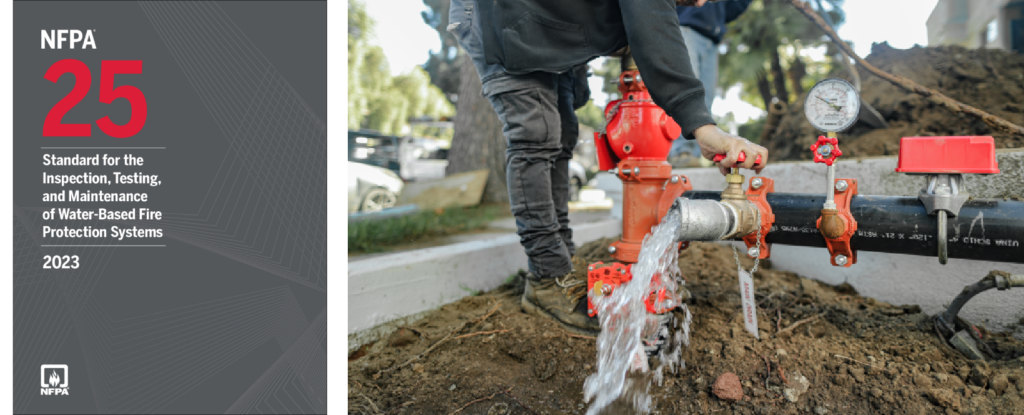
- Measurement setup: Instruments capture pressure and flow during a controlled discharge.
- Operational checks: The test considers conditions that affect results, including flow demand and system response.
- Data recording: Results are documented in a format that supports later engineering review and reporting.
- Findings review: The team compares results against the site’s fire protection intent and expectations.
Then, the site can translate results into decisions. For example, if flow is lower than needed for expected response operations, teams can explore options such as maintenance, hydrant upgrades, or changes to how the fire plan relies on the water supply. The goal stays simple: make sure the system performs when it counts.
Why documentation is part of the real job
A strong report does more than archive readings. It gives facility managers, consultants, and safety leaders something they can reference later without having to reconstruct what happened from memory and optimism. Kord Fire’s service pages emphasize clear reporting and recommendations as part of a practical fire protection workflow, which is exactly what busy commercial sites need when multiple departments touch the same issue. ([kordfire.com](https://kordfire.com/fire-hydrant-testing-services/?utm_source=openai))
Commercial compliance, records, and real-world audit readiness
In Australia, many commercial facilities must show that their fire protection features are maintained and supported by credible documentation. Flow testing strengthens that story because it proves the supply capability, not just the existence of hydrants.
Additionally, audits often ask questions that cannot be answered with “we think it will be okay.” They need evidence. When a site invests in proper fire hydrant flow testing records, it reduces the time spent chasing missing details after a concern is raised. And if stakeholders change roles or consultants shift, documented results keep continuity intact.
Of course, compliance is only one part. The bigger benefit is operational confidence. When staff know what the water system can do, they coordinate better with contractors, emergency responders, and internal safety teams.
Kord Fire’s broader service content repeatedly frames fire protection as readiness plus documentation, not just hardware left to age gracefully in the background. That is useful here because exterior hydrant flow testing sits right at the intersection of operational preparedness and paper-trail sanity. ([kordfire.com](https://kordfire.com/full-fire-protection-services/?utm_source=openai))

Common issues flow testing reveals before the emergency
Most people assume hydrants are either working or not working. In reality, performance can degrade in ways that only appear under demand. Testing helps uncover these hidden problems early, when fixes are still manageable and budget-friendly.
Here are issues testing can uncover:
- Reduced flow capacity: Internal restrictions can limit water delivery even though the hydrant discharges.
- Pressure drop under load: The system may struggle to maintain pressure during firefighting operations.
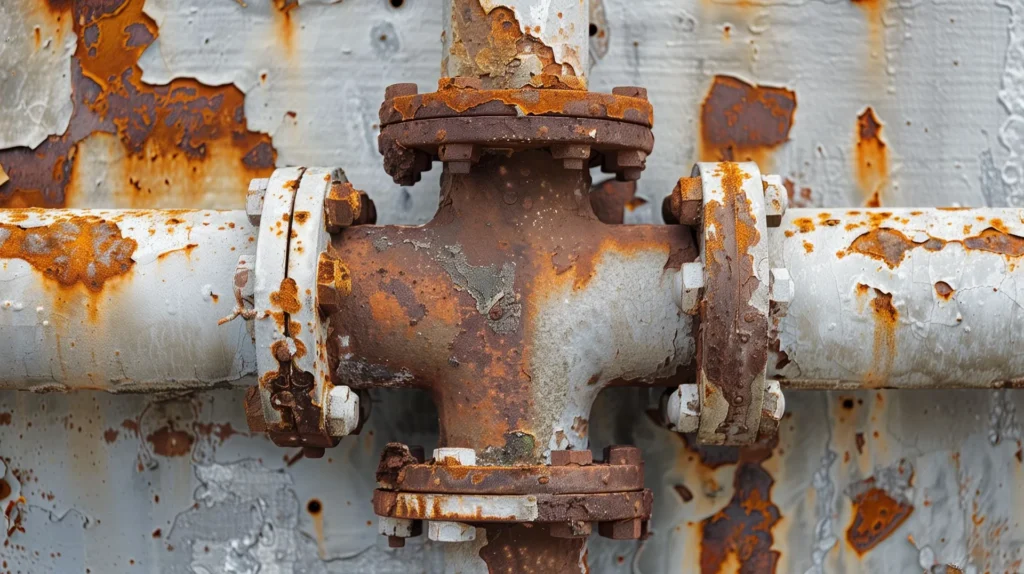
- Maintenance gaps: Wear, corrosion, or incomplete upkeep can affect performance.
- Operational access problems: Clearances, signage, or site access can hinder response speed.
- Mismatch between hydrant coverage and risk: Some hydrants may not effectively support high risk zones.
And yes, sometimes the hydrant performs, but the site access does not. That is like having a great kitchen knife but no cutting board. Testing plus practical site review gives a fuller picture.
Small performance problems have a bad habit of becoming expensive ones
Kord’s flow-test articles describe how pressure drop and limited supply can reveal weaknesses in the underground water main or local water source. That means the result is not just pass or fail in a dramatic movie sense. It is often an early warning that helps a site plan upgrades, maintenance, or operational changes before an emergency turns a minor issue into a starring role. ([kordfire.com](https://kordfire.com/fire-hydrant-flow-test-guide-to-water-pressure/?utm_source=openai))
Making testing actionable across industrial and retail facilities
For industrial sites, the water demand can be higher due to building size, materials, and fire load. For retail and mixed-use facilities, response planning still depends on realistic supply capability, especially when smoke movement and compartment conditions complicate operations.
So, after results come in, someone must turn them into actions. That is where Kord Fire Protection earns its keep. Instead of handing over numbers and disappearing like a TV magician, Kord Fire Protection helps coordinate the next steps with the site’s broader fire protection approach.
Depending on what the data shows, the site might benefit from:
- Maintenance and adjustment recommendations: Clear guidance on fixes that restore performance.
- Hydrant reliability planning: Timelines that fit operational schedules.
- Fire plan updates: Adjusting assumptions so crews act on accurate water supply data.
- Ongoing monitoring strategy: A repeatable approach that keeps performance consistent.
- Coordination support: Helping align stakeholders so decisions do not stall.
In fast-paced facilities, coordination is often the bottleneck. Kord Fire Protection can become a consistent partner across jobs, so the site does not re-learn the same lessons every few years.
That partnership approach shows up across Kord’s service and company pages, which position the business as a single provider for inspections, testing, recommendations, and ongoing support. For commercial operators, that continuity can simplify scheduling, communication, and follow-through when multiple fire protection items need attention at once. ([kordfire.com](https://kordfire.com/full-fire-protection-services/?utm_source=openai))
Choosing a partner for flow testing across Australia
Not all testing delivers the same value. A good provider focuses on quality measurement, clear reporting, and a practical path forward. That means understanding site constraints, documenting results in a way that supports future reviews, and communicating findings in plain business language.
For commercial customers, this partnership mindset matters because flow testing touches more than one department. It connects operations, safety, engineering, and sometimes procurement. When Kord Fire Protection partners with a site, it brings continuity to the fire protection program and helps ensure testing supports decisions that hold up over time.
In a country as large as Australia, there is also a simple reality: response readiness does not wait for travel delays or incomplete handovers. A dependable partner makes scheduling smoother and helps keep documentation organised across multiple sites and asset types.
Useful internal resources can save time later
For readers who want deeper context after this article, Kord already has related resources that fit naturally into the topic, including its fire hydrant flow test guide to water pressure, its NFPA 291 fire hydrant testing and marking guide, and its broader full fire protection services page. Those pages reinforce the same theme: better numbers lead to better decisions, and better decisions are a lot more fun than emergency improvisation. ([kordfire.com](https://kordfire.com/fire-hydrant-flow-test-guide-to-water-pressure/?utm_source=openai))
FAQ
Ready to confirm water supply performance?
Kord Fire Protection helps commercial sites across Australia validate exterior hydrant performance, document results clearly, and turn findings into practical next steps. If the system performs well, the site gains confidence. If it does not, the site gets options before an emergency forces rushed decisions.
Contact Kord Fire Protection through full fire protection services to plan your hydrant flow testing and strengthen your fire protection program. Kord’s fire hydrant testing service highlights professional testing, reporting, and support that help turn unknowns into clear numbers and confident decisions. ([kordfire.com](https://kordfire.com/fire-hydrant-testing-services/?utm_source=openai))

Join Our Newsletter!
Get the latest fire safety tips delivered straight to your inbox From our Newsletter.