Pre Action Fire Suppression for Data Centers
Pre Action Fire Suppression Systems for Data Centers Explained
In the quiet hum of servers and the steady blink of status lights, risk waits patiently. Heat builds. Circuits work hard. And when something goes wrong, it goes wrong quickly. That is why a properly designed fire suppression system for data center environments is not a luxury. It is a necessity. More specifically, pre action systems have become a trusted solution in facilities where uptime is sacred and water damage would feel like a second disaster.
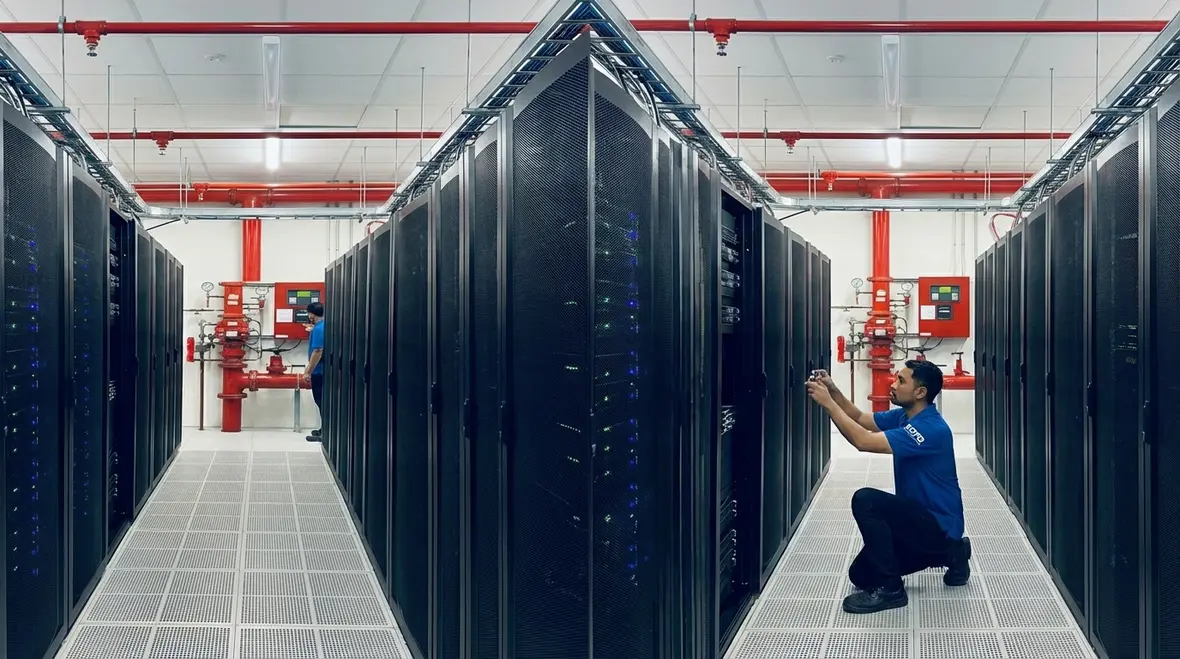
Kord Fire Protection technicians often explain it this way. A data center is like a library filled with priceless books, except the books run the modern world. You would not protect that with guesswork. You would protect it with precision. Pre action fire suppression brings that precision, combining detection technology with controlled water release. And yes, it is smarter than it sounds.
What Is a Pre Action System and Why Do Data Centers Use It?
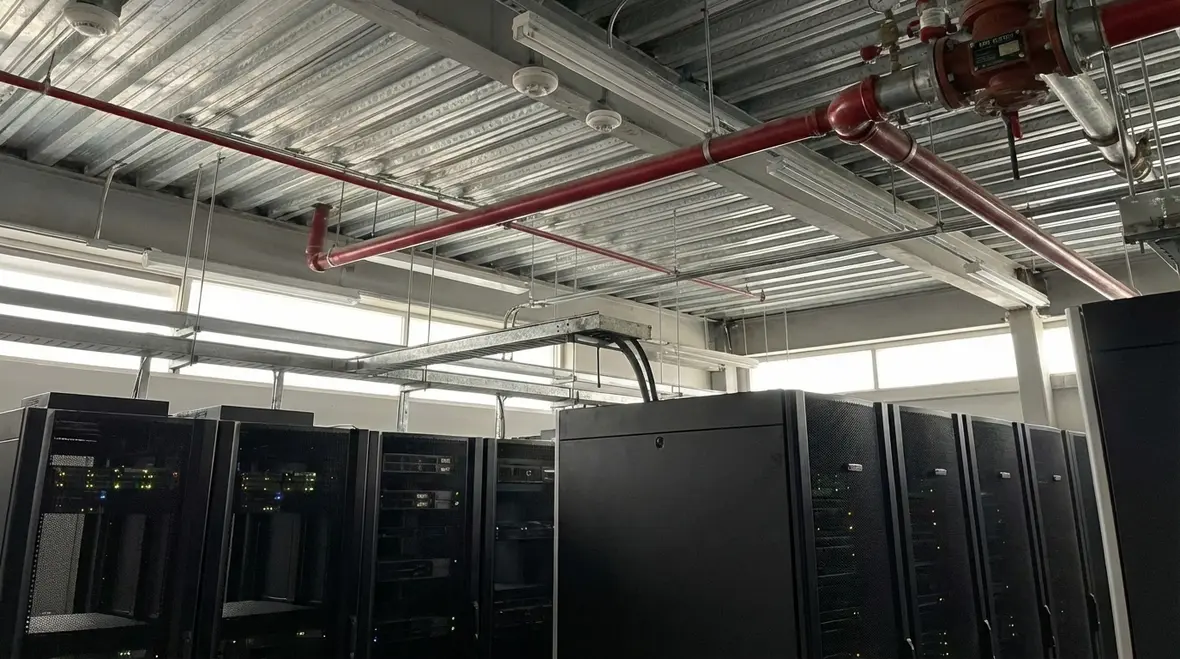
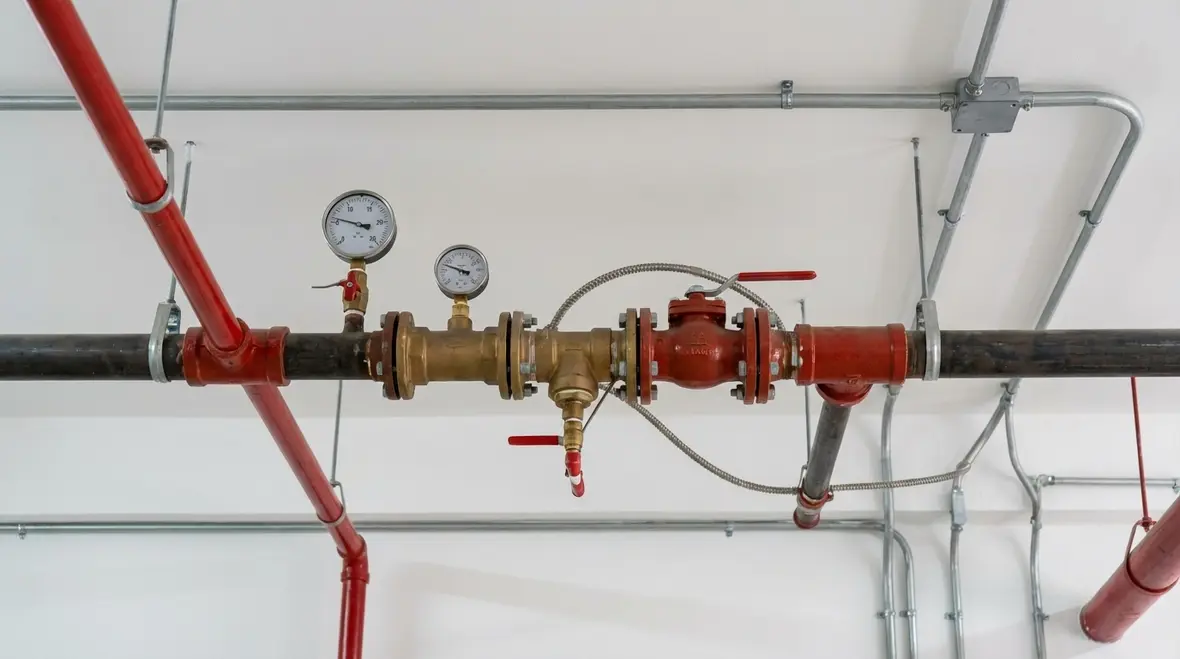
A pre action system is a type of sprinkler system that keeps water out of the pipes until specific conditions are met. Unlike traditional wet pipe systems that hold water in the piping at all times, pre action systems require a confirmed detection event before water fills the lines. As a result, accidental discharge becomes far less likely.
Data centers choose this approach because equipment inside server rooms is sensitive. Water and electronics have never been close friends. Therefore, the design adds a layer of verification before water ever reaches a sprinkler head.
Kord Fire Protection technicians describe it as a two step handshake. First, the detection system must sense heat or smoke. Then, and only then, does the valve open to allow water into the pipes. If a sprinkler head activates after that, water flows. If not, the system stands ready without flooding racks of servers over a false alarm.
For facilities seeking a reliable fire protection system for data center operations, this controlled response provides peace of mind without sacrificing speed. For example, it often works alongside solutions like data center clean agent fire suppression to create layered protection that respects both uptime and equipment sensitivity.
How Double Interlock Systems Add Another Layer of Protection
Not all pre action systems operate the same way. Double interlock systems raise the bar even higher. Kord Fire Protection technicians often recommend this design in mission critical rooms where downtime is measured in thousands of dollars per minute.
In a double interlock configuration, two independent events must occur before water enters the piping. This means both a detection signal and a physical sprinkler activation must happen. Consequently, the risk of unintended discharge drops even further.
Key elements inside a double interlock pre action system
| System Element | Role in Double Interlock |
| Fire detection system | Must confirm heat or smoke before valve operation |
| Sprinkler head activation | Must open due to sufficient heat at a specific location |
| Pre action valve | Releases water only after both signals are confirmed |
Because two events must align, the system avoids reacting to a single faulty sensor. It also avoids reacting to a broken sprinkler head without fire. In other words, it refuses to panic. And in a building full of servers, calm decision making is a virtue.
If you want to go even deeper into how these designs behave in real-world critical spaces, Kord’s broader guide on pre action sprinkler systems for critical environments walks through use cases that range from data centers to museums.
Why Accidental Discharge Is Minimized
Accidental discharge is the nightmare scenario for any data center manager. One false trigger, and racks of equipment could face water exposure. Although modern hardware can tolerate some humidity, a direct spray is another story entirely.
Pre action systems reduce this risk in several ways. First, the pipes remain dry or filled with air under supervision until detection confirms a real event. Therefore, a damaged pipe will not leak water immediately. Second, integration with fire detection ensures that a single mechanical issue does not cause a full system release.
Kord Fire Protection technicians frequently explain that this approach separates detection from discharge. That separation acts like a filter. It screens out random mechanical failures, human error during maintenance, and even minor environmental changes.
Additionally, supervisory air pressure monitoring alerts staff if the piping network experiences a drop in pressure. As a result, maintenance teams can respond before a small issue becomes a major one. It is proactive protection, not reactive chaos.
When compared to a basic wet pipe system, a pre action fire suppression solution for data center facilities significantly lowers the odds of unintended water release. That alone makes it attractive to operators who value both uptime and sleep.
Integration with Detection Systems and Building Intelligence
A modern data center does not operate in isolation. It connects cooling, power, security, and monitoring into one intelligent ecosystem. Fire protection must integrate just as seamlessly.
Detection technologies that pair well with pre action systems
Pre action systems typically connect to advanced detection technologies such as:
- Very early smoke detection apparatus systems
- Photoelectric and ionization smoke detectors
- Heat detectors placed above and below raised floors
- Intelligent fire alarm control panels
Because these detection devices can sense incipient smoke before flames even appear, they trigger alerts long before conditions escalate. Consequently, facility teams gain valuable time to investigate.
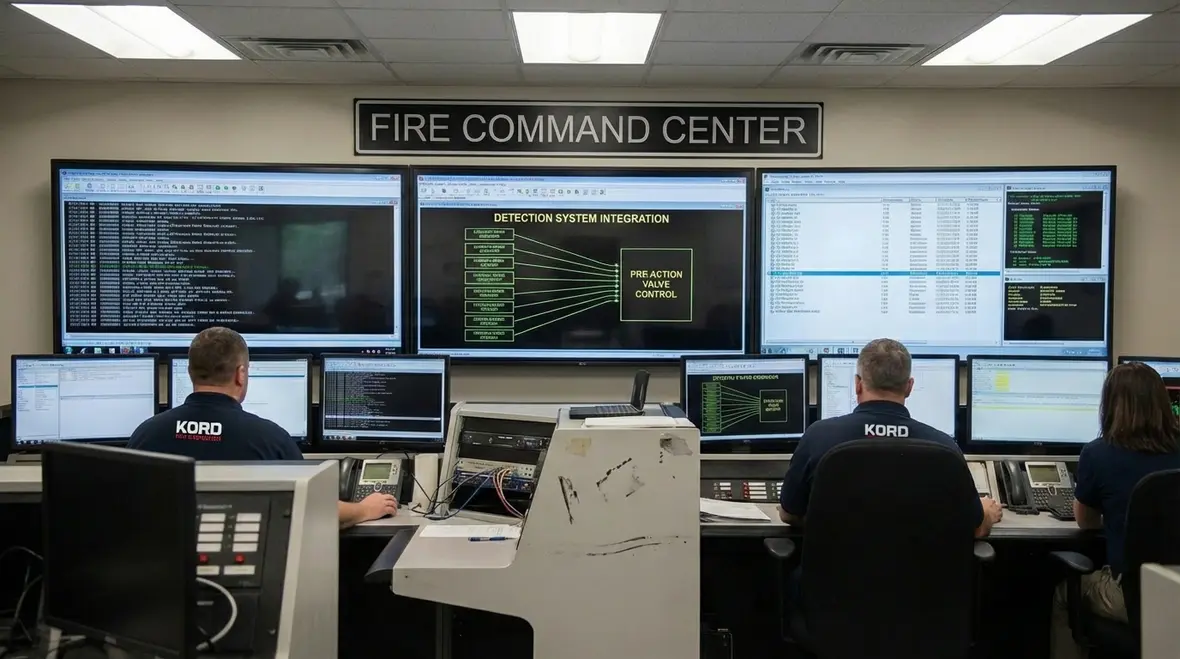
Kord Fire Protection technicians often walk clients through how signals travel from detection devices to the fire alarm panel and then to the pre action valve. They explain the logic clearly. Detection sends a signal. The control panel verifies conditions. The valve prepares for potential discharge. If a sprinkler head opens under heat, water flows exactly where it is needed.
This layered response supports a comprehensive fire suppression system for data center operations, ensuring that suppression aligns with real time data rather than guesswork. In a world run by analytics, it makes sense that fire protection follows the same logic. For an even broader look at how analytics and monitoring support these decisions, Kord’s overview of smart fire monitoring and data-driven safety systems shows how detection and suppression strategies now share the same intelligent backbone.
When Is Pre Action Required in a Data Center?
Building codes and insurance providers often guide the decision. However, beyond compliance, operational risk usually drives the final call.
Pre action is typically required or strongly recommended in:
- Mission critical server rooms
- Telecommunications facilities
- Rooms with raised floors containing power and data cables
- Archives storing digital media backups
- Facilities with high value computing equipment
In these environments, the cost of water damage can exceed the cost of fire damage itself. Therefore, designers select pre action systems to balance fire control with asset protection.
Kord Fire Protection technicians also evaluate room layout, ceiling height, airflow patterns, and equipment density. They consider how hot air moves through aisles and how containment systems shape smoke travel. Because every data center is unique, the system design must reflect actual conditions, not a generic blueprint pulled from a drawer.
Furthermore, some insurers offer favorable terms when advanced suppression and detection measures are in place. That financial incentive often reinforces what engineers already know. Prevention is cheaper than recovery. Articles like data center fire code compliance explained and NFPA 75 for IT environments and data centers help owners see how pre action systems fit into a bigger compliance picture.
How Pre Action Compares to Other Suppression Options
Data centers sometimes use clean agent systems that discharge gas instead of water. These systems work well in enclosed spaces and leave no residue. However, they require tight room integrity and can be costly to refill after discharge.
Pre action sprinkler systems, on the other hand, use water which is readily available and highly effective at controlling fire spread. Although they may not replace clean agents in every scenario, they often complement them. For example, a facility might use clean agent for early stage suppression and maintain pre action sprinklers as backup protection.
Kord Fire Protection technicians emphasize that redundancy matters. If one layer fails or becomes compromised, another stands ready. It is similar to saving work in the cloud while also backing it up locally. Yes, even fire protection believes in backups.
Ultimately, selecting the right fire suppression system for data center facilities requires a clear understanding of risk tolerance, budget, compliance requirements, and operational goals. Pre action systems frequently strike a practical balance between safety and asset preservation, especially when combined with technologies like clean agent fire suppression for critical equipment.
Maintenance, Testing, and Long Term Reliability
Even the most advanced system cannot protect a facility if it is neglected. Therefore, routine inspection and testing remain essential.
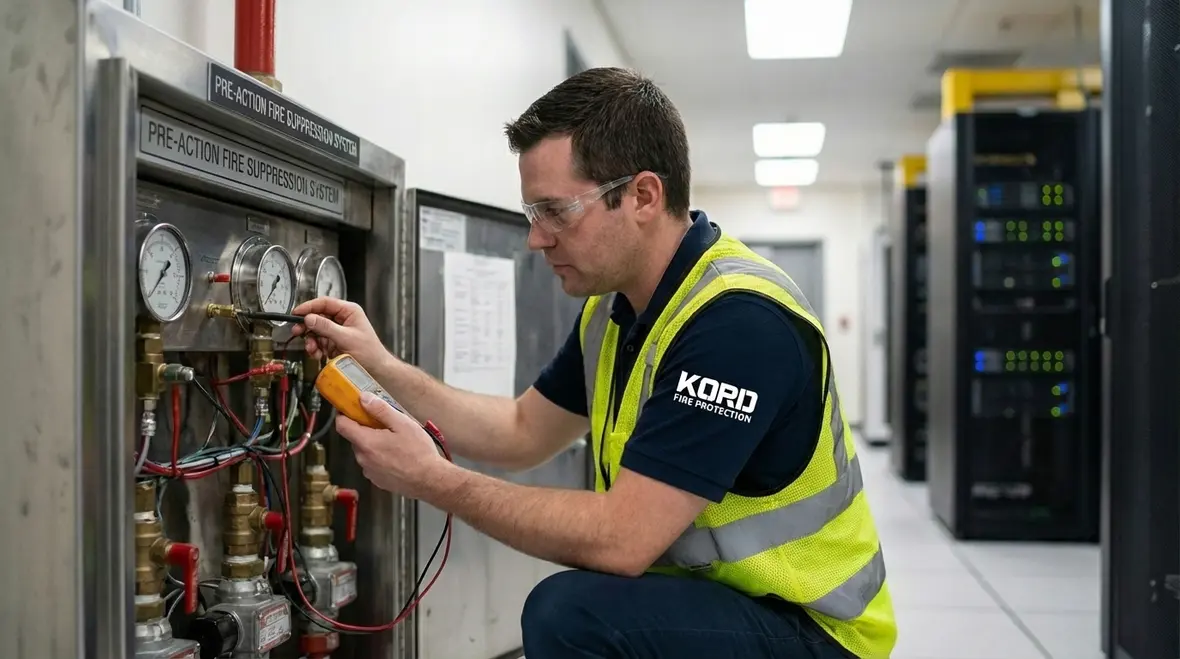
Pre action systems require periodic valve testing, detection device calibration, air pressure checks, and alarm verification. Because the piping remains dry under supervision, technicians must ensure that compressors and supervisory devices function correctly.
Kord Fire Protection technicians approach maintenance with the same steady focus they bring to installation. They simulate detection events, confirm valve operation, and verify communication with the fire alarm panel. In addition, they document each step to support compliance and insurance requirements.
Regular testing not only satisfies code but also builds confidence. When a real emergency occurs, no one wants surprises. They want certainty. And certainty comes from disciplined upkeep.
In a data center, where even a brief outage can ripple across industries, reliability is not optional. It is the foundation.
FAQ About Pre Action Fire Suppression Systems
Conclusion and Next Steps
Protecting critical infrastructure demands more than good intentions. It demands intelligent design, careful integration, and expert maintenance. A pre action fire suppression approach offers controlled response, reduced risk of accidental discharge, and strong alignment with modern detection technology. For organizations that cannot afford downtime, the choice becomes clear: build fire protection that thinks before it acts and treats every server rack like the priceless asset it is.
Contact Kord Fire Protection technicians today to evaluate the right solution and strengthen the safety of every server, every rack, and every byte. Whether you need help designing a new pre action system, coordinating it with clean agent fire suppression for data centers, or navigating compliance requirements, their team can walk your facility from concept to commissioning without losing sight of uptime.
Schedule a data center fire protection consultation and put a calm, code-compliant plan between your servers and the next spark.
Know Your Weapon Before You Fight the Flame
Kord Fire Protection is your go-to when it comes to all things fire protection. For over 20 years, we’ve been serving Southern California with the quality service and equipment to keep your home or business safe at all times. Our competitive prices reflect our unwavering commitment to protecting what matters most in the event of a fire emergency. Give us a call, send an email, or use that form!

Join Our Newsletter!
Get the latest fire safety tips delivered straight to your inbox From our Newsletter.