Fire Protection NICET Levels and Real Field Growth
fire protection nicet levels and real field growth
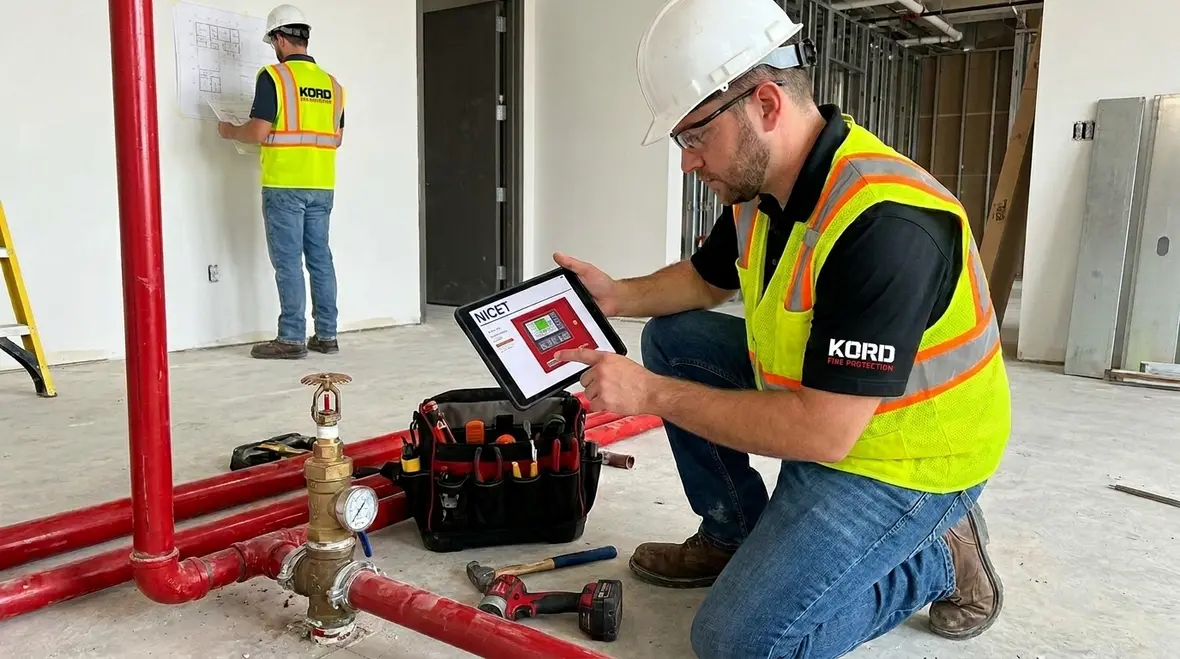
In the fire protection world, fire protection nicet levels often become the map people follow when they want to grow from “trained” to truly capable. A technician may start with basic knowledge, then move through NICET certification tracks that reward skill, documentation, and jobsite judgment. And while training and exams matter, the real magic happens after the paperwork meets the smoke. In fact, many kord fire protection technicians explain that certification only feels meaningful once it connects to daily work like inspections, system testing, and troubleshooting. After all, nobody wants a certificate that works only on paper, right?
So this article looks at how NICET levels compare to experience, and how the two support each other as careers deepen. It also explains why the best technicians treat certification as a tool, not a trophy.

How certification tracks jobsite learning
NICET levels do not just check whether someone memorized facts. Instead, they push technicians to understand how systems behave in the field. As a result, the learning stays practical. For example, a higher NICET level usually forces a person to connect design intent to real installation details, work order limits, and code requirements in everyday situations.
Therefore, certification often acts like a guided apprenticeship, even for technicians who have already been on ladders and in mechanical rooms for years. Experience builds the muscle memory, but NICET levels build the structure that makes that muscle memory repeatable and defensible.
- Technicians learn to document correctly because the details matter during review
- They get clearer about cause and effect when systems fail or drift out of spec
- They develop a habit of verifying rather than guessing
And yes, this part can feel slower than diving into another call, but slower is often safer. Like reading the instruction manual before assembling the furniture. Nobody brags about that, yet everyone benefits.
That practical rhythm shows up clearly in service work. When technicians move from theory into actual inspection routes, testing sequences, and report writing, certification starts to feel less abstract and more useful. A person who understands the why behind a procedure is far more likely to follow it consistently, especially on a busy day when it would be easy to cut corners. That is one reason disciplined field teams tend to build stronger long term performance than teams that rely only on memory or habit.
This is also where related service knowledge begins to matter. A technician who understands how inspection work fits into the broader full lifecycle of fire protection servicing can connect routine tasks to bigger system outcomes. That shift in perspective is not flashy, but it is powerful. It turns a checklist into judgment, and judgment is where real growth lives.
Experience fills gaps NICET cannot see
Even so, real field experience adds context that tests cannot fully capture. A technician can pass an exam and still freeze when a control panel behaves oddly under local conditions. Weather, building age, past renovations, contractor shortcuts, and missing labeling can all turn standard practice into a custom puzzle.
That is why kord fire protection technicians often explain that experience teaches pacing. It teaches how to gather clues without wasting time, how to communicate with building staff without sounding like a robot reading a script, and how to decide what to verify first.
In addition, experience trains technicians to notice patterns. For instance, a recurring nuisance alarm might trace back to a maintenance routine, a sensor location issue, or a wiring detail that never truly matched the original plan. NICET levels push the technician to understand systems, yet experience teaches where systems commonly go sideways in the real world.
- Jobsite familiarity reduces mistakes during inspection and testing
- Repeated troubleshooting builds smarter, faster decision making
- Learning from outcomes improves future code and process choices
The field also teaches humility, which is a surprisingly valuable skill. On paper, a device location may seem perfectly reasonable. In a real building, that same location might sit next to airflow, dust, vibration, or access issues that make reliable performance much harder. Seasoned technicians learn to respect those little realities because little realities are often the reason systems act big and dramatic at the worst possible moment.
That lived perspective becomes especially useful during inspections and testing. Teams that perform this work repeatedly tend to recognize subtle warning signs faster and explain them more clearly. You can see that same field-first mindset in Kord Fire’s walkthrough of a wet sprinkler system inspection, where system behavior, documentation, and practical explanation all have to work together.
Why the field still surprises people
Even great training cannot simulate every strange retrofit, every half-labeled device, or every mechanical room that looks like three decades of decisions happened there without a witness. Experienced technicians do not panic when they meet those conditions. They slow down, verify what matters, and keep moving. That calm is not luck. It is earned.
Where NICET and experience should overlap
When a technician grows both ways, the results show. A strong path is not either certification or experience. Instead, it is both. NICET levels offer a benchmark, while experience turns that benchmark into daily competence.
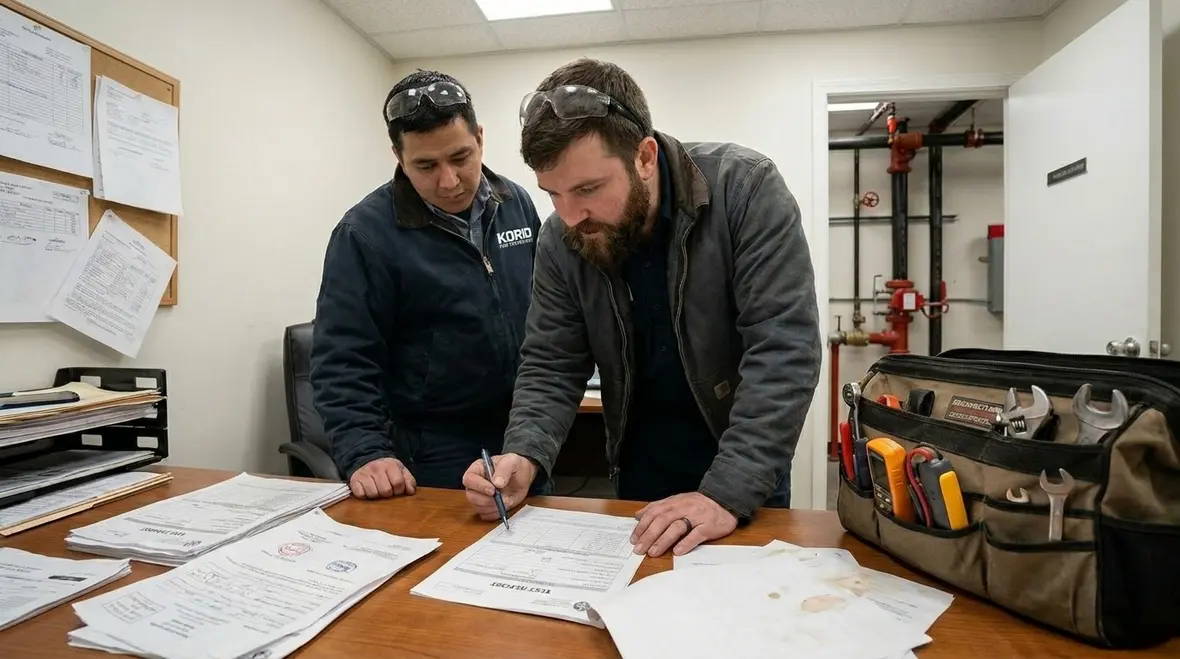
For example, consider a technician who has completed many inspections. Without certification, they may rely on personal intuition. With certification, they learn to validate that intuition using clear standards, consistent methods, and documented reasoning. Then, with time, the technician applies that validated method faster. In other words, the overlap helps them move from reactive work to proactive work.
Meanwhile, kord fire protection technicians stress that the overlap also improves quality. They explain that higher levels usually reflect better training habits, but real confidence arrives only when the technician sees the systems perform across different buildings, different constraints, and different types of issues.
So the best technicians grow like a good playlist. They keep the core songs, but they learn how to mix new tracks smoothly. Same job, better rhythm.
Managers notice this overlap quickly. Technicians with both structured knowledge and practical repetitions tend to ask better questions, produce cleaner reports, and communicate findings with less confusion. They are not just completing tasks. They are building trust. In life safety work, trust is not a bonus feature. It is part of the job description.
Common misconceptions that slow technicians down
Some technicians assume that certification replaces time in the field. Others assume that experience alone proves mastery. However, both ideas can slow progress, because they hide important learning.
Here are a few common misconceptions that kord fire protection technicians often address during mentorship conversations.
- “I have years on the job, so the levels are easy.” Experience helps, but certification still demands accurate, structured thinking
- “I can wing the documentation.” Documentation becomes a lifeline during reviews, audits, and follow up work
- “Code is just a list of rules.” In the field, code becomes a decision tool that supports safety and consistency
- “Troubleshooting is random.” Seasoned technicians know it follows patterns, and NICET level learning sharpens those patterns
And yes, trying to wing it can work like a superhero origin story. But most of the time, it ends with a late night and a very unhappy supervisor.
Another misconception is that advancement should feel dramatic. Usually it does not. Real growth looks repetitive from the outside. Better notes. Better testing habits. Better follow through. Better explanations. None of that seems glamorous until you compare the outcomes. Then suddenly the boring technician looks suspiciously like the reliable one, and that is not an accident.
How to use certification as a growth plan
A smart technician turns certification into a schedule, not a wish. First, they match NICET level goals to the tasks they already perform. Then, they choose new opportunities that strengthen the exact gaps they need to close. This approach makes the learning feel connected, not scattered.
Next, they seek feedback on real work products. For example, they review test reports, inspection notes, and corrective action records, then compare them with the standards they will be held to. As a result, they build confidence through consistency.
Finally, they keep a simple log of lessons learned. Over time, that log becomes a personal training library. kord fire protection technicians often recommend this because it turns day to day events into future study material and better field decisions.
- Map upcoming jobs to specific skills needed for the next NICET milestone
- Track repeat issues and record what resolved them
- Ask for review on reports, not just on technical fixes
- Practice explaining findings in clear business language
This way, each step supports the next, and the technician avoids the random walk career style where you stay busy but never quite level up.
A simple way to keep momentum
One practical method is to review each completed week and ask three questions. What did I do that matches the next level? What confused me that I should study? What did I document well, and what needs work? That short routine can keep progress visible without turning your life into a spreadsheet with a hard hat.
Dual perspectives on performance
One technician may feel strong in the field but weak in the standard language. Another may know the standards but hesitate during live troubleshooting. That difference matters, because fire protection work demands both. So teams often benefit when the person who knows the system details can also express reasoning clearly.
Here is a side by side view that many managers recognize, and kord fire protection technicians use to guide coaching. This is where certification and experience meet in a healthy way.
Field strength
- Fast recognition of common failures
- Comfort with real building constraints
- Good communication during troubleshooting
Certification strength
- Consistent documentation habits
- Clear standard based decision making
- Better readiness for audits and reviews
When both strengths rise, performance becomes steady, not just impressive. And in fire protection, steady beats flashy every time.
This balance also helps companies serve clients better. Clean documentation, reliable inspections, and confident troubleshooting all support smoother service relationships. For businesses that need broad support across alarms, sprinklers, extinguishers, and more, Kord Fire’s full fire protection services page shows how that steady approach translates into practical coverage.
FAQ: NICET levels vs experience
Conclusion: set the next step
NICET levels and experience are not rivals. They are partners. When a technician uses fire protection nicet levels to organize learning, and uses real jobs to build judgment, performance improves in ways that matter to safety and to business. If a technician wants steadier quality, stronger documentation, and better confidence on difficult calls, they should pick a next milestone and build a plan around it.
Reach out to kord fire protection technicians for guidance and training support, and start turning field time into certified growth. For teams that also need dependable inspections, repairs, and broader life safety support, explore Kord Fire Protection services and build the next step with a clearer plan.

Join Our Newsletter!
Get the latest fire safety tips delivered straight to your inbox From our Newsletter.