Portable Fire Extinguisher Placement Strategy for Australia
Quick Answer: Strategic placement of fire extinguishers in commercial spaces reduces response time and boosts safety for staff, tenants, and customers. Using Kord Fire Protection, businesses can apply a portable fire extinguisher placement strategy that matches building layout, fire risk, and occupant needs across Australian industrial and retail sites.
In a busy warehouse, a retail floor, or a plant corridor, seconds matter. So, a smart portable fire extinguisher placement strategy starts before anyone “hopes for the best.” First, fire risk gets mapped. Then the extinguisher gets positioned so it is easy to reach, visible, and ready when trained teams need it. And yes, someone eventually will block it with a pallet. That is why the placement plan must include real-world movement patterns, not just neat diagrams.
Near the start of that planning process, businesses often benefit from professional fire extinguisher service and certification support so placement, inspection, and ongoing readiness work together instead of living in separate binders that never speak to each other.
1) Why placement beats paperwork in commercial fire safety
Many businesses treat extinguishers like a compliance trophy: check the tag, stamp the record, move on. However, placement is the difference between a useful response and a frustrating scavenger hunt. When extinguishers sit in the wrong locations, staff waste time searching, walking around hazards, or discovering that the unit is inaccessible because of storage habits.
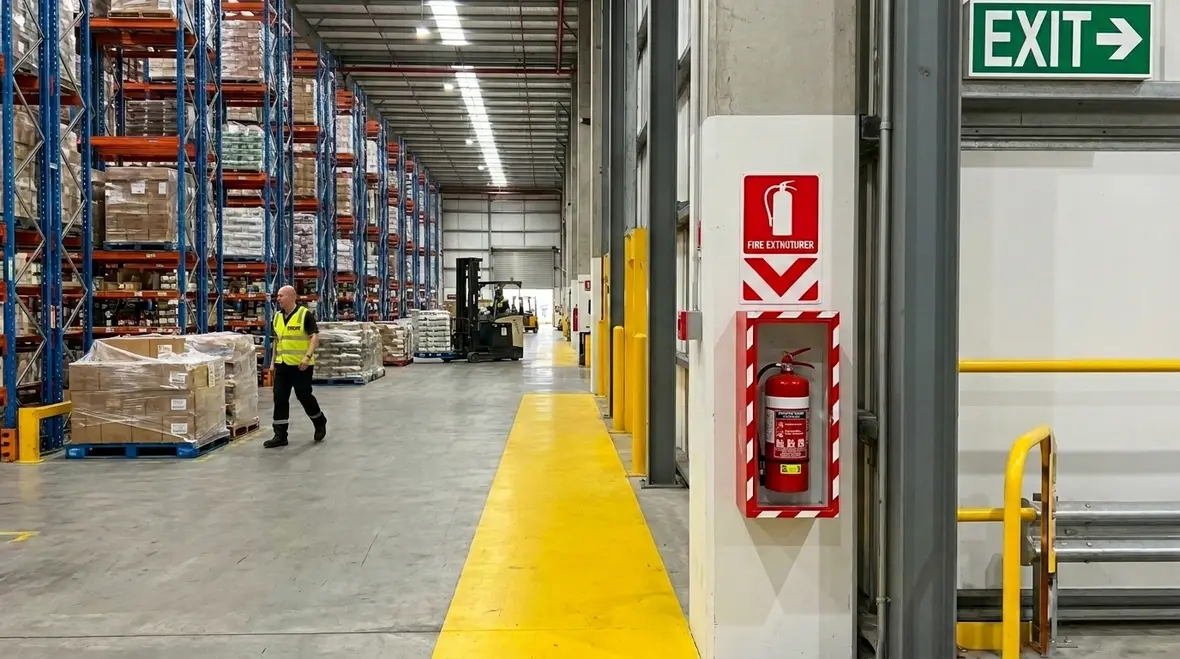
For facilities in Australia, this gets even more important due to wide variations in site design across industrial, retail, and mixed-use operations. For example, a distribution center with long aisles and high turning traffic needs a placement plan that accounts for how people move during rush hours. Meanwhile, a retail store needs coverage near exits, service counters, and areas where customers can create congestion.
In addition, a good plan keeps extinguishers positioned where they can be grabbed quickly without forcing staff to cross through a growing hazard. That is the goal: quick reach, safe access, and clear visibility. That thinking lines up well with Kord Fire Protection’s guidance in its fire extinguisher placement guide basics for safety, which emphasizes practical access over decorative compliance.
Visibility, reach, and human behavior matter more than a tidy floor plan
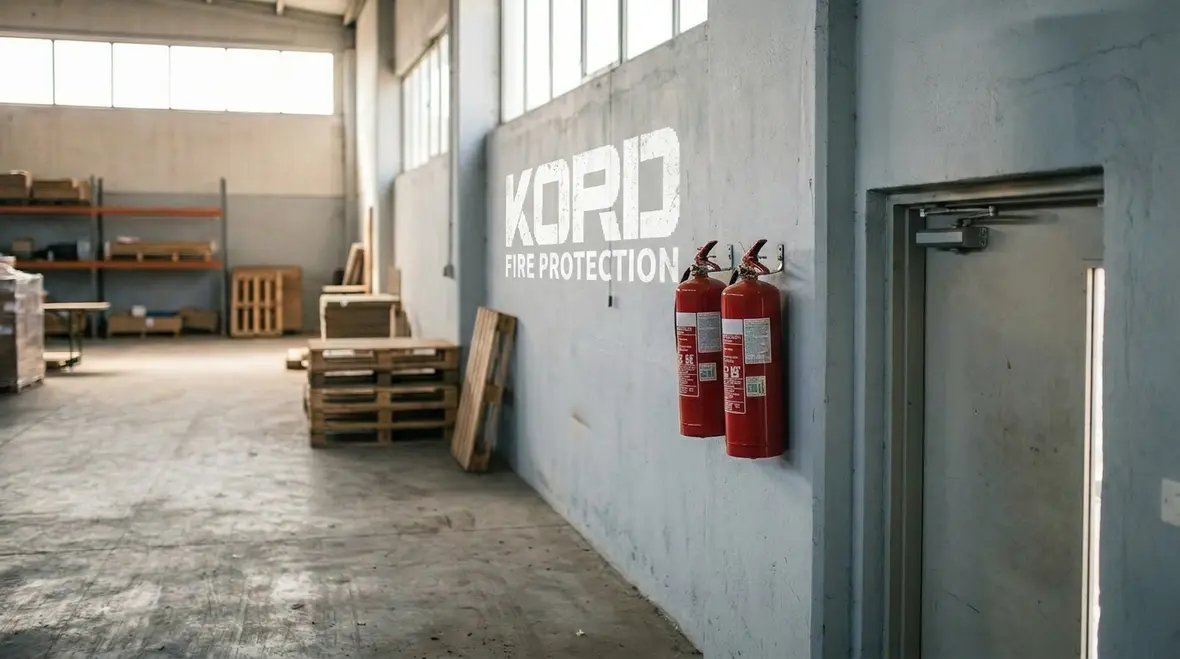
That sounds obvious until someone mounts an extinguisher behind a swing door, beside temporary stock overflow, or in a corner nobody notices unless they are specifically hunting for it. The best placement strategy respects how people actually move when stressed, not how they are expected to move in a perfect emergency drill with no noise, no smoke, and no confusion.
2) Mapping risk to real locations, not generic guidelines
To build a strong plan, Kord Fire Protection helps facilities connect extinguisher placement to the actual risks on site. First, they evaluate what could burn and where it starts. Then they consider fuels and ignition sources: electrical cabinets, flammable liquids, packaging materials, charging equipment, cleaning chemicals, and cooking or heating areas in retail-adjacent spaces.
Next, they look at the geometry of the premises. In practical terms, the plan must cover corridors, corners, and transitions between zones. It also needs to account for fire travel and how smoke may reduce visibility. Furthermore, high foot traffic areas need placement that does not depend on perfect line of sight.
Finally, they align extinguisher types and mounting approaches to the hazards. A warehouse might need coverage strategy for Class A combustibles, while a workshop area may require protection for different hazard profiles. It is not about buying more units. It is about placing the right ones where a person can use them effectively. Kord Fire Protection explores the same theme in its article on fire extinguisher placement and accessibility, where visibility and access work together instead of competing.

Risk mapping should follow operations, not just room labels
A room called “storage” does not tell the whole story. It matters whether the area stores packaging, chemicals, tools, spare motors, cleaning products, or charging equipment. Real placement strategy comes from observing what the space does all day, how people enter it, and what could go wrong when the site is busy instead of quiet.
3) How to choose the right locations in high traffic facilities
In commercial buildings, people do not behave like mannequins. Therefore, placement must match human habits and site operations. A thoughtful plan uses a few location rules that reduce delays during emergencies.
- Near exits and escape routes: Extinguishers should sit along escape paths so staff can act without breaking the evacuation plan. They act like a safety “bridge,” not a trap.
- At decision points: Intersections, corridor entrances, loading bay access points, and stair landings help people spot the extinguisher when they already slow down.
- Along likely travel lines: If staff regularly cross a zone to reach plant equipment or customer service areas, placing extinguishers near those routes reduces search time.
- Protected from damage: Mounting locations should avoid forklift impacts, vehicle swing zones, and storage blocks. After all, a broken seal is not a safety feature, it is a problem.
Sometimes the “perfect” spot on paper ends up being the “frequently blocked” spot in reality. To prevent that, Kord Fire Protection supports facilities by reviewing how teams work on the ground, including where hazards and storage patterns appear during peak operations. Businesses can also compare broader layout ideas with Kord Fire Protection’s post on strategic fire extinguisher placement for faster response times to sharpen those decisions.
4) Portable fire extinguisher placement strategy for multi-level sites
Multi-level buildings add a layer of complexity because staff may be distributed across floors, stairwells, and mezzanines. So, the extinguisher plan must coordinate across levels and vertical travel paths. When fire starts on one floor, smoke movement and panic can make sightlines unreliable, which means clear and consistent placement is vital.
For that reason, extinguishers should appear at stairwell approaches, near lift lobbies where applicable, and along key corridor runs that connect work areas. Additionally, facilities should consider how access works during normal operations: locked doors, after-hours security gates, or store closures can create hidden barriers.
Also, the plan should align with training and inspection routines. If staff expect extinguishers in certain locations, they will find them faster under stress. If they do not, well, everyone suddenly becomes an emergency cartographer. And nobody wants to do field research during a fire.
During planning and updates, Kord Fire Protection can act as a vital partner, helping businesses implement portable extinguisher placement through structured reviews, on-site assessment, and documentation support for ongoing compliance and operational consistency.

Consistency across floors reduces hesitation
The more predictable the placement pattern is from one level to the next, the less time staff spend second-guessing where equipment should be. In an emergency, even a short pause feels long. Predictable mounting locations can shave off those awkward seconds where everyone looks around like the extinguisher has joined a witness protection program.
5) Using Kord Fire Protection as the vital partner for ongoing readiness
Placement is not a one-time installation. It is an ongoing system tied to change. Sites evolve: new racking gets installed, layouts shift, stock moves to different zones, and electrical upgrades change hazard profiles. As a result, extinguisher placement and accessibility must adapt.
Kord Fire Protection supports this with a practical approach that fits how businesses operate across Australia. Instead of handing over a checklist and leaving teams to “figure it out,” Kord helps coordinate service activities that protect the value of the placement plan.
That partnership matters because inspections and maintenance only help if the unit stays accessible and the location remains suitable. Therefore, a strong service partner verifies that extinguishers remain reachable, visible, and correctly placed relative to the active layout.
In short, Kord Fire Protection helps businesses keep the plan alive, not just archived. If teams want additional context, Kord Fire Protection also covers similar ideas in fire extinguisher placement for complete safety coverage, which reinforces how visibility, access, and hazard matching stay connected over time.
6) Dual-column placement priorities for common commercial zones
Businesses often ask what placement should look like across typical areas. Below is a quick priority view, aligned to how teams move and how fires tend to start. It is not a substitute for a site-specific assessment, but it helps teams understand where to focus first.
| Zone type | Placement priority |
|---|---|
| Industrial production areas | Near workstations and along safe corridor routes that staff already use |
| Warehouses and distribution centers | Along main aisle runs and near loading bay access points |
| Workshops and maintenance rooms | Close to electrical panels, tool stations, and storage for flammables |
| Retail floors | Near customer exit paths, service counters, and high-risk storage zones |
| Plant rooms and switch rooms | Positioned for safe access without exposing staff to high heat or electrical risk |
7) FAQ: Fast answers for featured snippets
Conclusion: Make placement part of your safety rhythm
Strategic placement keeps extinguishers usable when emergencies happen, and it reduces the chaos that turns a small incident into a big one. Kord Fire Protection can help businesses across Australian industrial and retail sites apply a portable fire extinguisher placement strategy, then keep it accurate as layouts and risks evolve.
Contact Kord Fire Protection to review your plan, confirm access, and strengthen readiness now. When placement becomes part of the site’s regular rhythm instead of a once-a-year checkbox, the whole building becomes easier to protect and a lot less likely to rely on crossed fingers and good luck.

Join Our Newsletter!
Get the latest fire safety tips delivered straight to your inbox From our Newsletter.