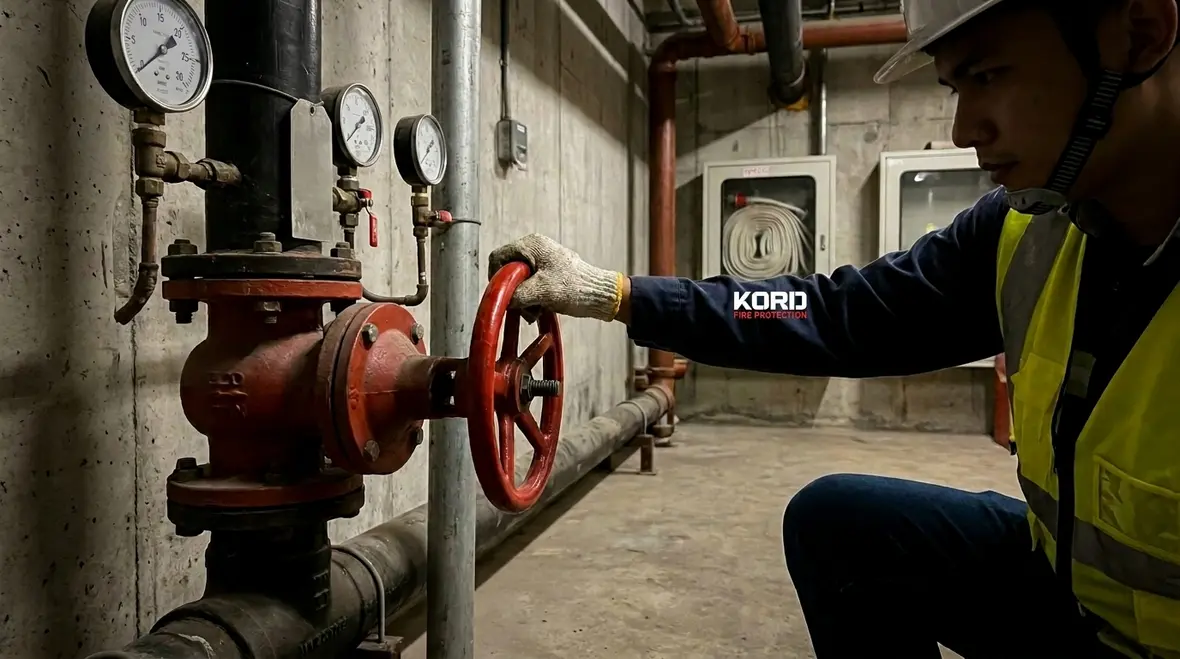
Manual Standpipe System Control Valve Operation Best Practices
Quick Answer: Manual standpipe control valves work best when teams treat each operation like a controlled sequence: verify water supply, confirm valve position, check pressure, ensure clear access, and document every step. With tight procedures and trained crews, sites reduce downtime and improve firefighting readiness. Kord Fire Protection can then support compliance and ongoing performance testing.
In many industrial and commercial facilities across Australia, the standpipe system control valve operation sets the rhythm for how quickly a fire response system can deliver reliable flow. When a team opens, checks, and returns a manual control valve, the job is not just “turn and hope.” It is a repeatable process that protects people, assets, and business continuity. And yes, it helps to avoid the classic scenario where someone “adjusts it slightly,” then everyone spends the next hour guessing what “slightly” means.
Near the top of any serious review, it also helps to connect the procedure to the bigger system. Facilities that rely on manual valve work often benefit from professional Standpipe Systems Class I-II-III services, especially when the goal is to keep valves, risers, and delivery performance aligned instead of treating each part like it lives on its own little island.
Manual standpipe valves: what crews must control first
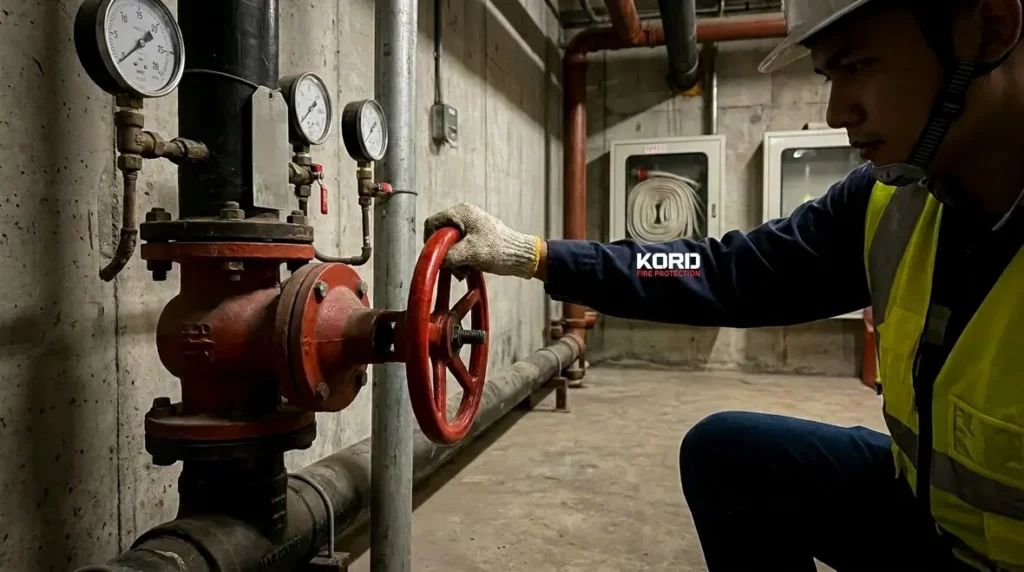
Before anyone touches a handle or wheel, the operator should establish the basics. First, verify the standpipe zone and confirm the correct riser and valve are the target. Next, check for physical obstructions around the valve area, because even the best procedure fails when a cage panel, stacked pallets, or a poorly placed ladder blocks access.
Then the crew should confirm system status. That means checking supply readiness, reviewing any recent maintenance notes, and confirming that the system pressure sits within expected ranges. If the facility uses indicators or local gauge readings, the operator should record them before action.
Why a pre-operation check matters more than people think
This first stage is where many avoidable mistakes show up. A valve can be mechanically sound and still become a problem if the wrong riser is selected, the supply status was assumed, or nobody noticed that access was partly blocked. Good operators slow the job down just enough to make sure the basics are actually confirmed, not merely remembered from last month.
At this stage, Kord Fire Protection can become a vital partner. They help facilities align operational steps with inspection and testing expectations, so the manual process does not drift over time. In other words, they keep the valve from becoming an “office folklore” device, where nobody is quite sure what it does.
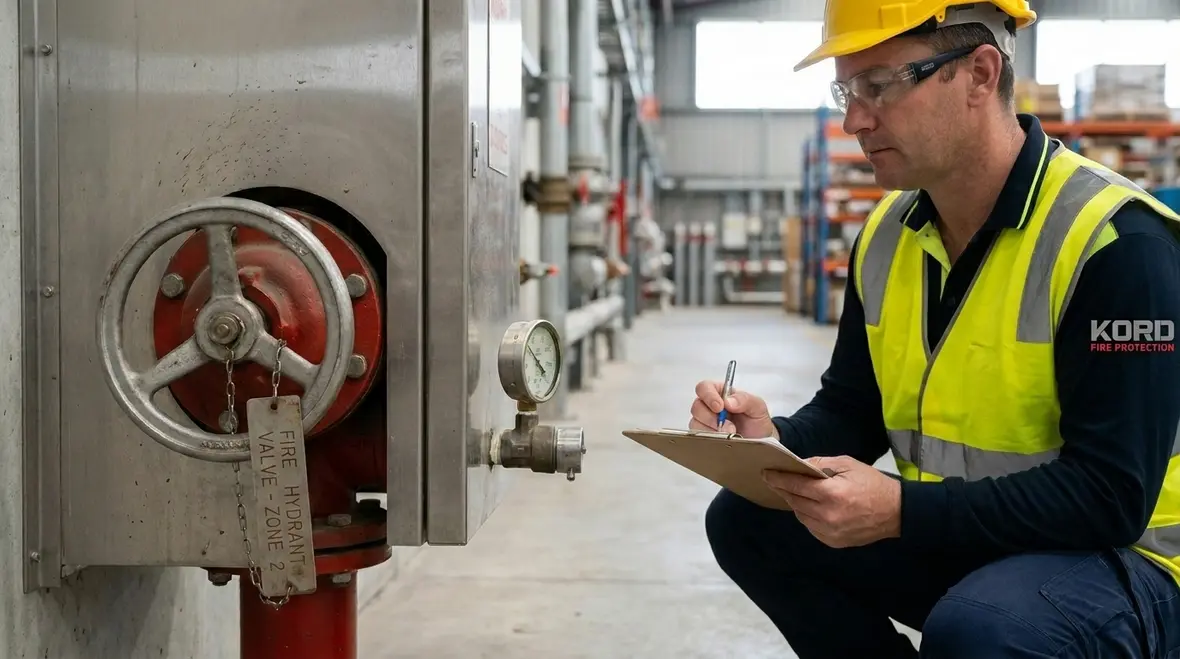
Step by step operational best practices for safe flow
A strong manual workflow focuses on controlled movement, correct sequencing, and immediate verification. During standpipe system control valve operation, teams should apply these best practices:
- Confirm the valve type and travel: Some valves respond to different directions or require specific turn counts. Operators should follow the site procedure rather than personal habit.
- Use a controlled opening rate: Rapid changes can create water hammer effects and disrupt pressure stability. The operator should move steadily and stop when the position indicator shows the intended setting.
- Verify pressure response: After positioning, check local gauges or indicators. If pressure does not respond as expected, the crew should pause and escalate rather than force the operation.
- Maintain clear communications: Teams should coordinate with site control rooms and security when the valve operation affects audible alarms, pump control, or system monitoring.
- Return to correct state: When the operation ends, close or restore the valve to the designated normal position. Then record what changed, including time, gauge readings, and any anomalies.
Standard language keeps handovers cleaner
To keep operations smooth, facilities can also train operators to describe what they see using the same language every time. That simple habit reduces mistakes during shift changes. It is like using the same recipe when baking bread, not “trusting the vibes.”
If the site wants a broader technical reference for how flow confirmation fits into the overall picture, Kord Fire also covers related testing logic in its standpipe flow test guide for fire protection. That makes it easier for operators and managers to connect the valve action with the performance they expect to see downstream.
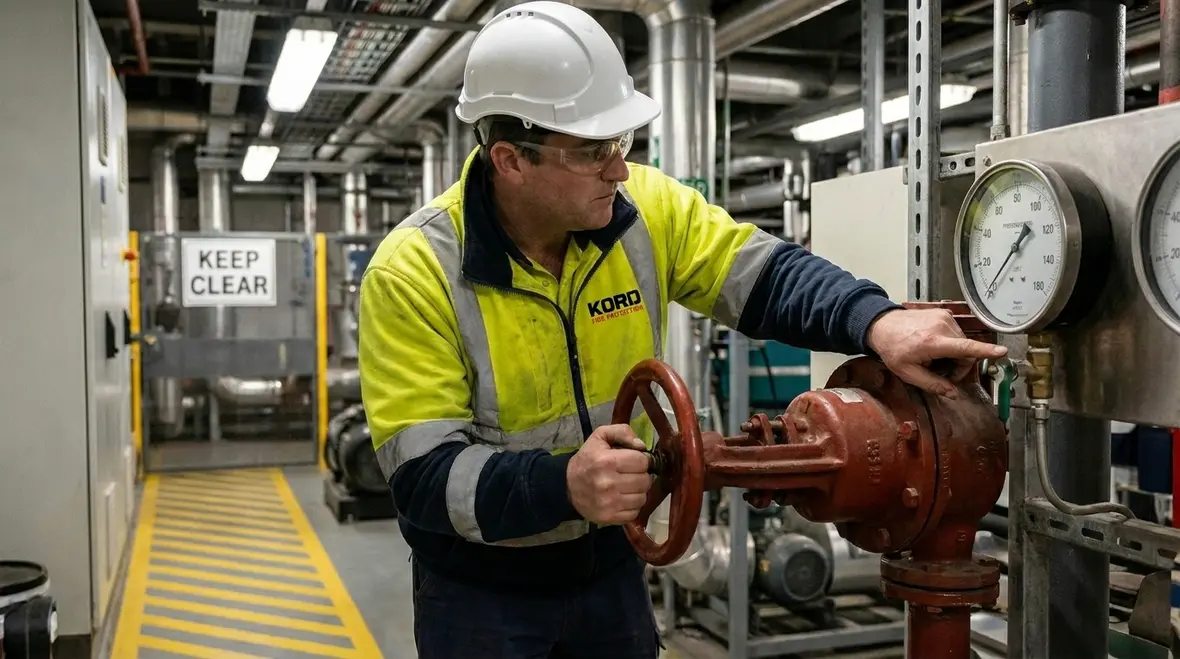
How to prevent common failure points in manual valve work
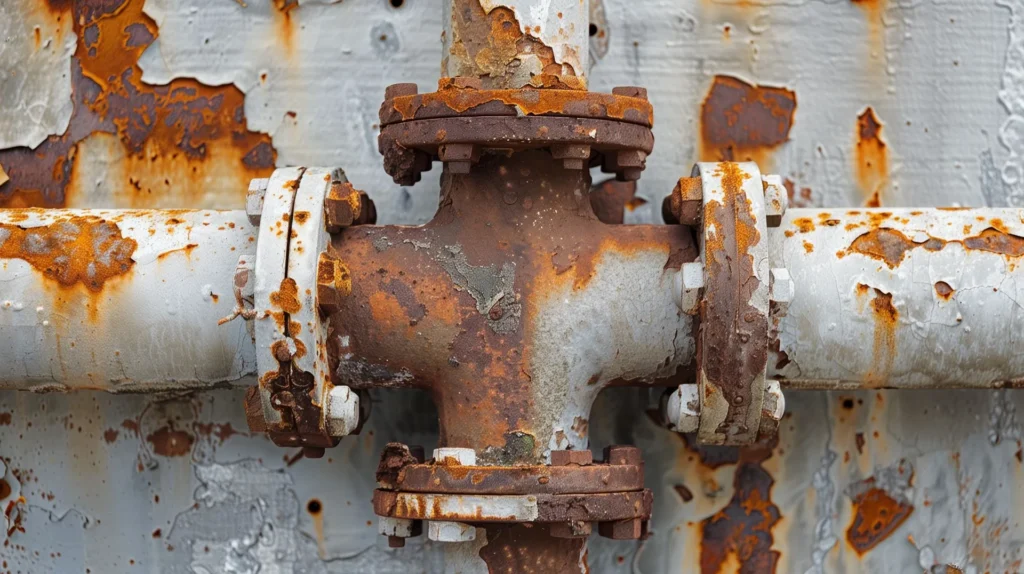
Manual valves fail for predictable reasons. First, crews sometimes encounter valves that have not been exercised correctly or have internal sticking from long idle periods. Second, the valve area may accumulate debris, overspray, or corrosion products that interfere with smooth movement. Third, inconsistent documentation can hide patterns until the day it becomes a real issue.
To reduce those risks, facilities should implement a practical prevention plan:
- Establish a valve exercise cadence: Use a schedule that aligns with inspection requirements and operational needs. Then track results so maintenance knows what “good” movement looks like.
- Use consistent labeling and access control: Mark valve locations clearly, keep access routes open, and prevent temporary storage from creeping back in.
- Document valve feel and indicators: Operators should record movement smoothness, indicator positions, and any abnormal resistance. These notes often reveal early trouble.
- Coordinate with pump and pressure systems: Manual valve actions should not fight automated controls. Teams should confirm how pumps, jockey systems, and alarms respond to valve position changes.
Patterns show up when records are actually useful
When these steps run consistently, the site builds operational confidence. And confidence, in the fire protection world, is not a soft skill. It is a risk control. The real trick is that confidence should come from evidence, not from somebody saying, “Yeah, it felt fine last time.” Useful records turn hunches into maintenance decisions.
For teams that want another practical reference point, Kord Fire’s standpipe system inspection checklist guide fits naturally beside manual valve procedures because it reinforces the habit of checking what is in front of you instead of assuming everything stayed perfect while nobody was looking.
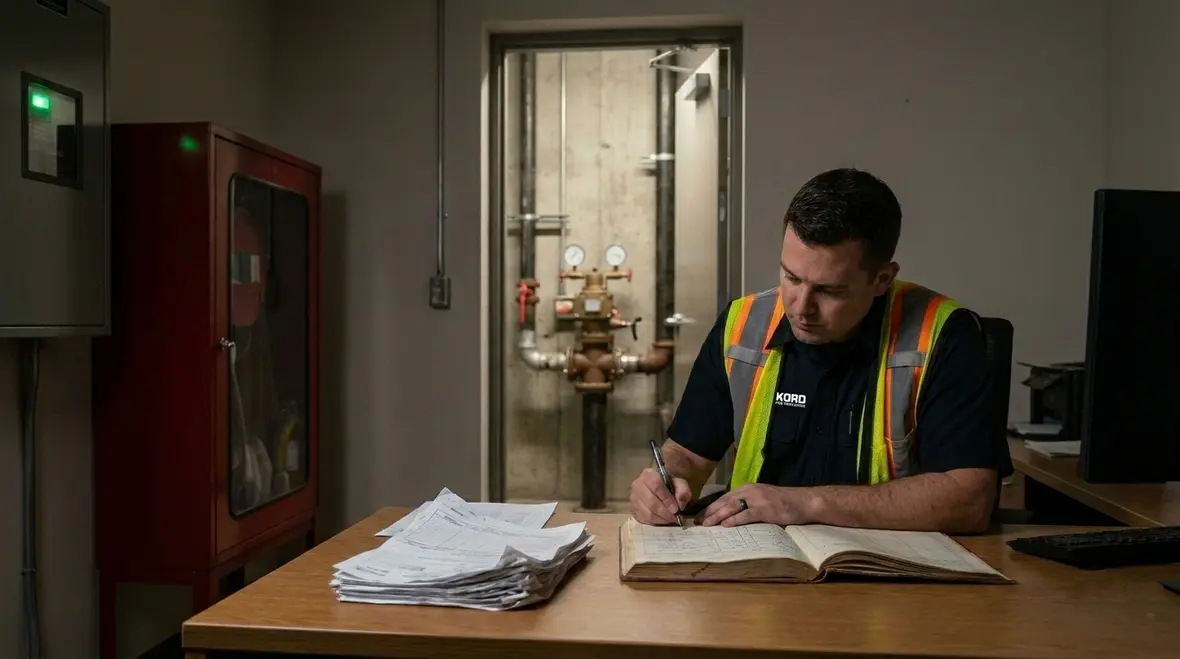
Testing, documentation, and compliance for facilities across Australia
Operational best practices matter, but the real value shows up in testing and records. Facilities should combine daily readiness checks with scheduled testing that confirms the entire system responds as intended. That includes verifying that manual actions align with system performance, alarm behaviour, and pressure stability.
Documentation should be clear and specific. A good log includes the date, valve identification, operator name, starting conditions, valve movement details, gauge readings, and any corrective actions taken. If there is any deviation, the crew should note it immediately rather than “fixing it later.” Later often becomes never, and nobody wants that kind of surprise during an audit.
What strong logs usually include
- Exact valve identification and location
- Normal position before and after work
- Pressure readings before movement and after stabilization
- Operator name and time stamps
- Any resistance, sticking, or unusual indicator behaviour
- Follow-up actions assigned to maintenance or supervision
Kord Fire Protection can help facilities keep records organised and aligned with site expectations. They also bring a professional view on how operational steps connect to inspection outcomes, so the manual process stays accurate from one month to the next, and across multiple buildings when a group manages several sites.
Training operators so the procedure does not become “tribal knowledge”
Manual control valve operation succeeds only when operators follow a repeatable method. Training should cover more than the valve handle. It should include why each step exists, how to read indicators, what response to expect, and what triggers escalation.
A strong training program typically includes:
- Hands on walkthroughs: Operators practise the sequence in a safe, controlled setting, using actual labels and local indicators.
- Scenario drills: Teams practise what they do if pressure does not rise, if the valve will not move smoothly, or if the site cannot confirm supply readiness.
- Shift handover standards: Supervisors should require a short briefing that highlights valve status, any recent issues, and upcoming schedules.
- Competency checks: After training, the facility should confirm that operators can complete the workflow without skipping steps.
If one person is the process, that is the problem
Here is a small joke, but a true one: if training depends on “the guy who always does it,” the facility does not have a process. It has a single point of failure. Kord Fire Protection can assist by building structured guidance that keeps capability consistent, even when staffing changes.
That training can also sit nicely alongside broader reading such as Kord Fire’s standpipe system requirements and how it works article, which helps newer operators understand the system context instead of memorising steps with no clue why they matter.
Where Kord Fire Protection strengthens standpipe readiness
Because standpipe systems tie into broader firefighting performance, facilities benefit from support that goes beyond the manual operation itself. Kord Fire Protection can partner with industrial, retail, and commercial sites by helping ensure systems remain dependable through testing support, maintenance planning, and advice that keeps operational steps aligned with real-world conditions.
That partnership can mean fewer last minute surprises, better visibility of system health, and smoother compliance evidence. Additionally, teams gain clarity on how manual actions should integrate with system behaviour, so the operator does not guess during a high stress moment.
And to bring it home: when a team is ready, the system performs. When the system performs, incidents become less chaotic. That is not just safety. That is business protection.
FAQ: quick answers for featured snippets
Conclusion and call to action
Manual standpipe control valves demand steady hands, clear steps, and strong documentation. When facilities train operators, verify pressure response, prevent access and movement issues, and keep records clean, they build a dependable firefighting pathway. The best results come from treating every valve action as a controlled operational event, not a casual mechanical chore squeezed between other tasks.
Now is the time to tighten the procedure and align it with current testing expectations. Contact Kord Fire Protection to review operational best practices, support inspections, and strengthen standpipe readiness across your sites in Australia.

Join Our Newsletter!
Get the latest fire safety tips delivered straight to your inbox From our Newsletter.