Fire Detection System Signal Integrity in Australia
Quick Answer: Maintaining fire detection system signal integrity keeps panels, devices, and communication links reliable in demanding sites. In complex systems, installers must control wiring, grounding, power quality, and interference so alerts reach the right place fast. Kord Fire Protection can act as a steady partner to keep performance consistent across Australia.
Complex facilities do not behave like simple boxes of devices. Warehouses sway with vibration, retail wings share crowded conduits, and industrial plants add electrical noise the way coffee adds caffeine. That is why fire detection system signal integrity matters from day one. When a fire detection network loses clarity, it can delay alarms, create nuisance events, or mask real emergencies.
What follows explains how teams maintain signal quality in layered fire detection systems, especially where conventional layouts struggle. And yes, the goal is reliability, not magic. Magic burns. Signals should not.
For teams reviewing upgrades or service support, it helps to start with a coordinated full fire protection services approach so inspection, maintenance, and communication pathways stay aligned instead of becoming separate little kingdoms with separate little problems.
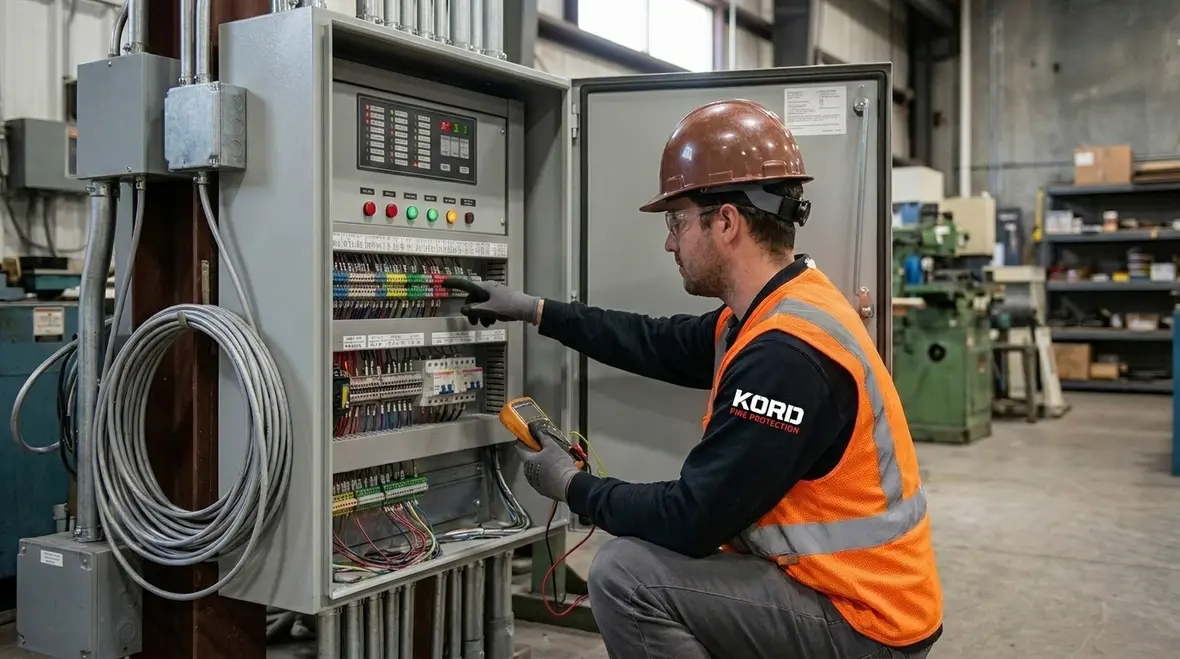
How signal integrity fails in layered fire systems
Fire detection systems often combine multiple technologies: conventional loops, addressable devices, interface modules, aspirating detectors, and sometimes networked monitoring. Each layer depends on clean signaling and stable power.
In practice, signal problems usually show up as either weak communication or inconsistent behavior. For example, a long run of cabling can experience voltage drop, while shared pathways can inject noise. Then a panel might “see” the system but not “trust” it. The result can look like intermittent faults, unstable device status, or delayed mapping of events.
To make this easier, teams can treat signal integrity like a three part equation. First, electrical stability. Second, physical installation quality. Third, environmental conditions such as moisture, dust, heat cycling, and nearby machinery. When one factor slips, the rest have to compensate, and they eventually fail. And nobody wants their alarm system to act like a flaky Wi Fi connection during a crisis.
Why interference problems often look random until they do not
One reason these faults frustrate facility teams is that they rarely announce themselves with a dramatic entrance. Instead, they appear as a trouble here, a missing device there, a delayed response on one shift, then perfect behavior the next. The system starts acting like it has a secret life. Usually, it does not. It is just responding to changing electrical and environmental conditions that no one traced back to the root cause yet.
That is also why a good troubleshooting process matters so much. Kord Fire Protection has a related guide on fire alarm signal circuits troubleshooting that fits naturally with signal integrity reviews, especially when teams need to separate a true device issue from a wiring or loop condition.
Wiring and topology choices that protect reliable communication
Good design choices prevent many problems before they start. When installers plan routing, they should keep signal and power separation where the standard and system design allow. They should also avoid unnecessary splices and ensure that cable grades and jacket ratings match the site conditions across Australia.
Topology matters too. In addressable systems, loop length, device spacing, and conductor resistance can influence how the panel reads return signals. In conventional or hybrid designs, shared circuits and multi function interfaces can add complexity. Therefore, the system builder should follow manufacturer limits for loop resistance, maximum device counts, and recommended cable types.
Additionally, installers should label cables clearly and maintain documentation. When maintenance crews later troubleshoot a section, the easiest path is the one with correct records. Otherwise, they end up tracing circuits like they are solving a mystery novel where the culprit is actually a mislabeled conduit. Fun story, bad emergency response.
Documentation is not glamorous, but it saves everyone later
Clean as built records, zone maps, loop schedules, and cable identifiers turn future maintenance into a controlled process instead of a scavenger hunt. In large facilities, especially those that have seen multiple expansions or tenant changes, the paperwork often tells the truth faster than a ceiling tile ever will. Without it, even skilled technicians can lose time proving what should already be known.
Grounding, shielding, and power quality for stable alerts
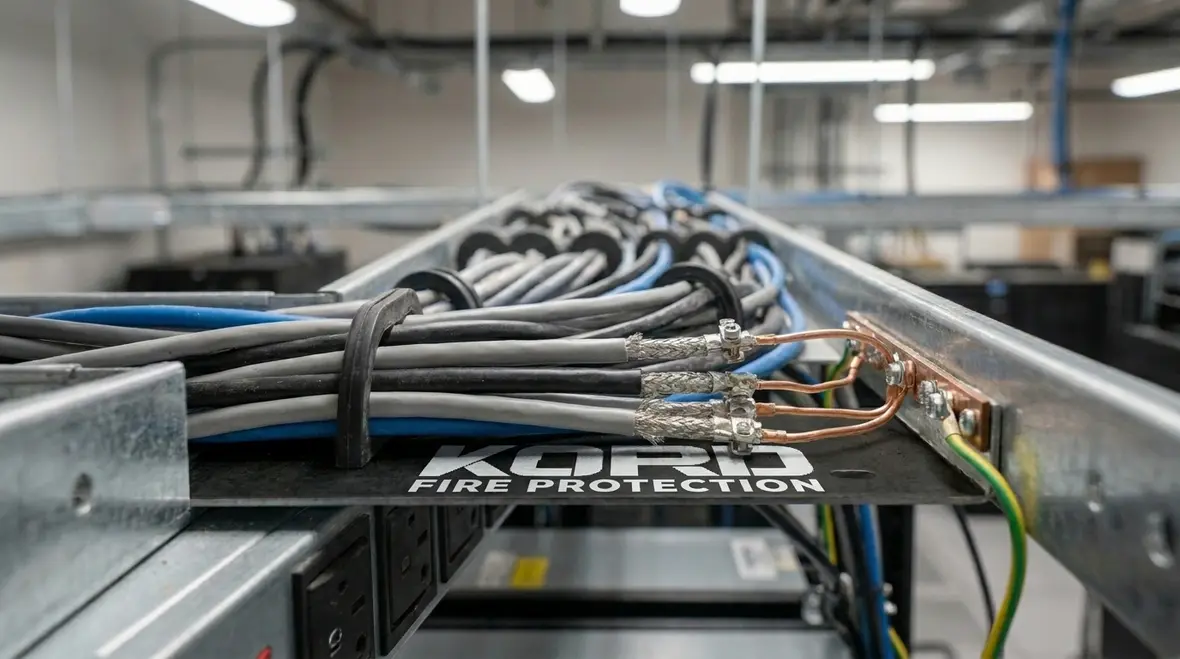
Even with correct routing, signal integrity depends on grounding and noise control. Grounding prevents unwanted current paths and helps the panel maintain a stable reference. However, improper bonding or mixed grounds can cause strange faults that disappear when someone touches the cabinet. That is not a feature, it is a warning.
Shielding helps reduce interference from motors, variable frequency drives, welding equipment, and large switchgear. When cable shields connect incorrectly or are broken during termination, the system can lose its “noise barrier.” Meanwhile, power quality issues like voltage dips, spikes, and poor battery management can destabilize electronics.
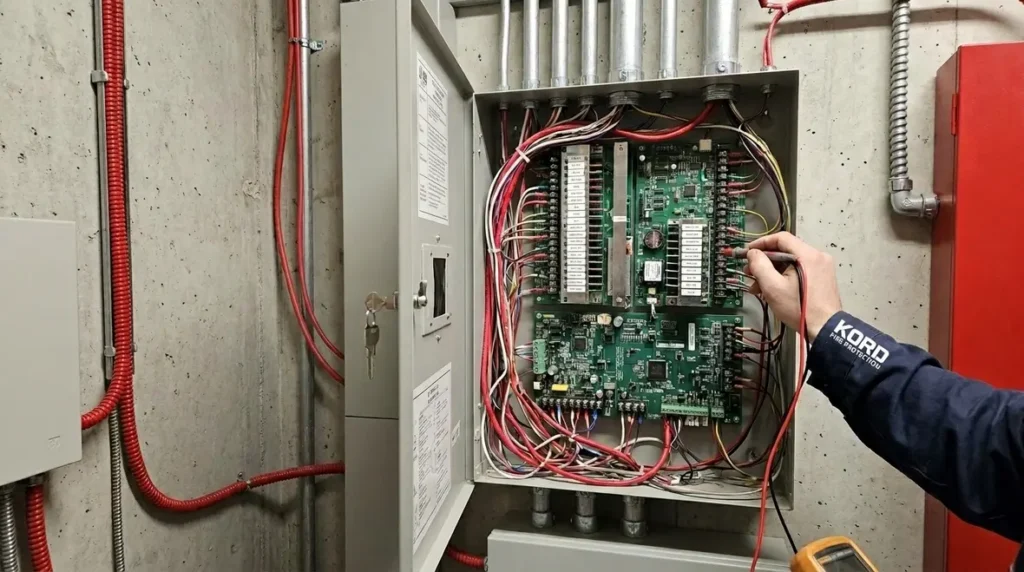
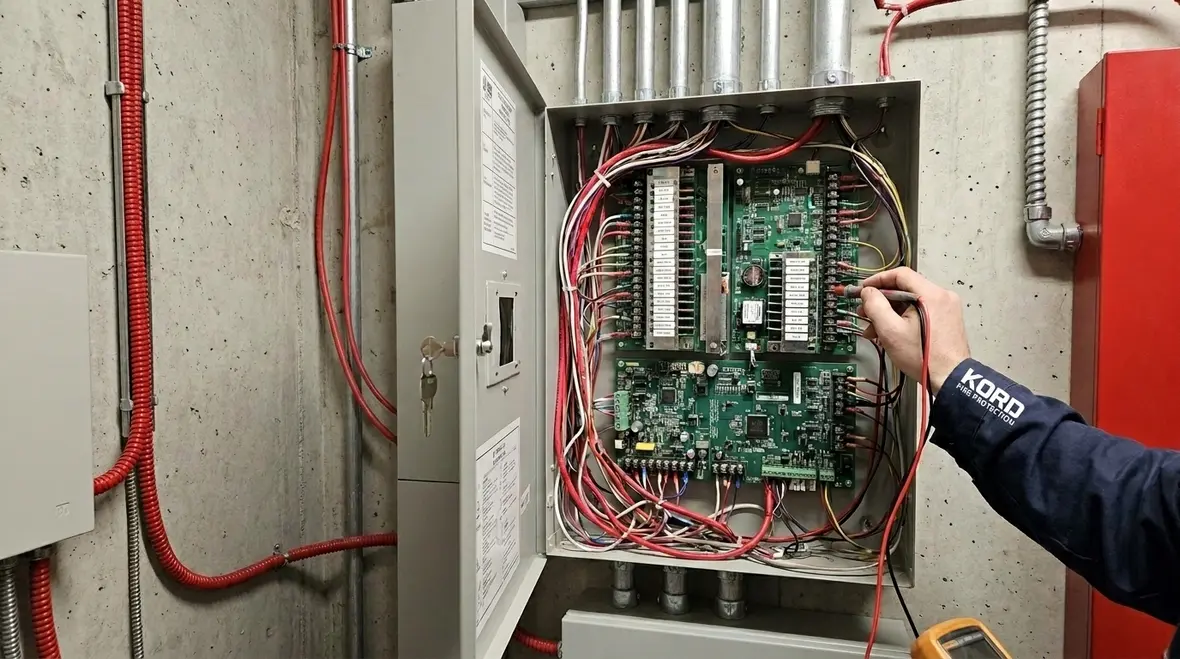
To keep alert pathways reliable, teams should verify power rails, test backup battery capacity, and confirm that power supplies match the panel and device requirements. In addition, they should check for transient suppression around the most noise heavy equipment. This is where planned coordination pays off, because the fire panel will not fight the plant’s electrical chaos on its own.
Battery condition deserves its own attention because even a beautifully wired system can become unreliable when standby support weakens. Kord Fire Protection covers that angle in fire alarm system reliability and battery health, which pairs neatly with signal integrity planning for facilities that want fewer surprises during outages.
Environmental challenges in Australia and how teams counter them
Across industrial, retail, and facility sites, environmental factors change day by day. Heat cycles can expand and contract cable runs. Dust and humidity can affect termination quality. Vibrations can stress connectors. And water ingress can turn a stable installation into a corrosion festival.
Therefore, teams should choose devices rated for the local environment and ensure proper ingress protection for enclosures. They should also install within the recommended temperature ranges and keep detectors clear of airflow obstructions that can affect sensitivity.
In aspirating systems, airflow stability and sampling pipe design also influence performance. Blockages, poorly designed bends, and incorrect sampling layouts can lead to delayed detection signals. Consequently, commissioning must include verification checks that match the site reality, not just the brochure.
Where facilities share spaces, like retail fitouts within larger complexes, teams should coordinate cable routes across tenants and maintain separation from non fire systems where feasible. Otherwise, “close by” becomes “connected by accident.”
The environment always gets a vote
A system can be perfectly designed on paper and still struggle in the field if the site throws constant dust, vibration, temperature swings, or moisture at every connection. The lesson is simple: design for the room you actually have, not the one everyone wishes they had during the planning meeting.
Commissioning and testing methods that confirm signal clarity
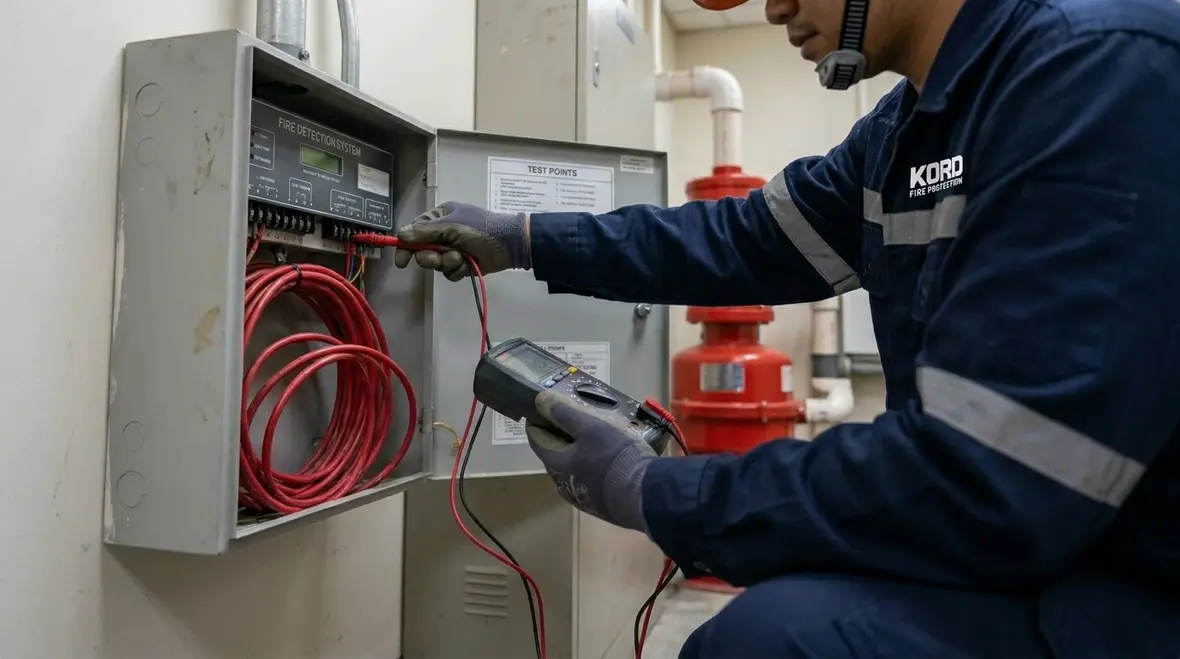
Testing proves reliability, but testing must be planned. During commissioning, technicians should verify loop continuity, insulation resistance, and correct device addressing. Then they should check communication performance under normal conditions and confirm panel monitoring behavior.
Signal integrity checks often include measuring voltage levels at key points, verifying loop resistance against design expectations, and confirming that return paths stay stable. Teams also test after any changes. That includes upgrades, additional services, or rework in adjacent areas. A new power feeder installed “nearby” can quietly alter interference levels.
Additionally, scheduled maintenance needs to follow a methodical approach. They should inspect terminations, check cable supports and separation, and confirm that no connectors loosen over time. If a facility team thinks maintenance is just a visual check, that is like checking a smoke detector by staring at it. The panel wants data, not vibes.
For broader context, Kord Fire Protection also explains how routine maintenance extends fire detection life. That connection matters because signal integrity is not a one time victory lap. It is preserved through disciplined checks, records, and follow up after site changes.
How Kord Fire Protection can support complex signal integrity work
In complex installations, the service partner matters as much as the device. Kord Fire Protection can become a vital partner with this service job by supporting end to end reliability activities that keep fire detection system signal integrity consistent as sites grow and change. They can coordinate commissioning steps, help manage documentation, and support maintenance programs that target the real failure points like cabling, connections, and power stability.
Further, they can align with facility teams across industrial, retail, and commercial settings in Australia to reduce downtime and improve response readiness. That means fewer surprise faults and faster resolution when something drifts out of spec. And when clients ask for “a quick fix,” Kord can help steer the work back to the root cause, not the symptom.
For businesses, reliability is not just a compliance box. It is the difference between a system that communicates clearly and one that turns emergency response into a guessing game.
Maintenance planning that preserves performance during site changes
Facilities rarely stay still. Fitouts change, warehouses reorganize, and plant equipment gets upgraded. Each change can affect wiring pathways, nearby electromagnetic noise, and device performance. Therefore, the maintenance plan should treat signal integrity like a living system.
Teams can protect performance by adding change triggers. For example, if a contractor adds new power circuits, runs additional conduit, or relocates equipment near detection zones, the fire detection system should receive targeted checks. That can include verifying device communications, reviewing loop parameters where applicable, and confirming that enclosures remain sealed.
They should also implement a clear escalation path. If a panel logs intermittent communication faults, the plan should define who investigates first, what measurements to run, and what records to update. Otherwise, faults can repeat across weeks, quietly eroding confidence in the system.
Finally, training helps. When facility staff understand what common fault indicators mean and how to report them, they reduce the time to diagnose. In a crisis, seconds matter. In maintenance, minutes matter too.
FAQ
Next steps for facilities that need dependable detection
Complex fire detection systems thrive on signal clarity, stable power, and disciplined installation. A strong maintenance plan and smart commissioning protect performance through site change. Kord Fire Protection can help your team keep fire detection system signal integrity on track with practical support for industrial, retail, and commercial sites across Australia.
Reach out to plan a service approach and reduce uncertainty before it becomes an incident. When signals stay clean, the system stays trustworthy. That is the whole point, and thankfully, it is far less dramatic than learning about electrical noise the hard way at 2:13 in the morning.

Join Our Newsletter!
Get the latest fire safety tips delivered straight to your inbox From our Newsletter.