Fire Extinguisher Placement and Accessibility by Kord
In many buildings, fire extinguisher placement and accessibility decide whether a small problem stays small or grows up into a full drama series. Kord Fire Protection technicians treat this like a safety map, not a “good enough” checklist. They look at who will grab the extinguisher, how fast they can reach it, and how clearly it stands out during stressful moments. And yes, the extinguisher also needs to be there when people need it, not when it is buried behind a shelf like a forgotten Halloween decoration. The right location supports quick action, reduces confusion, and helps crews keep their response steady while alarms do their thing.
Where extinguishers belong for maximum coverage
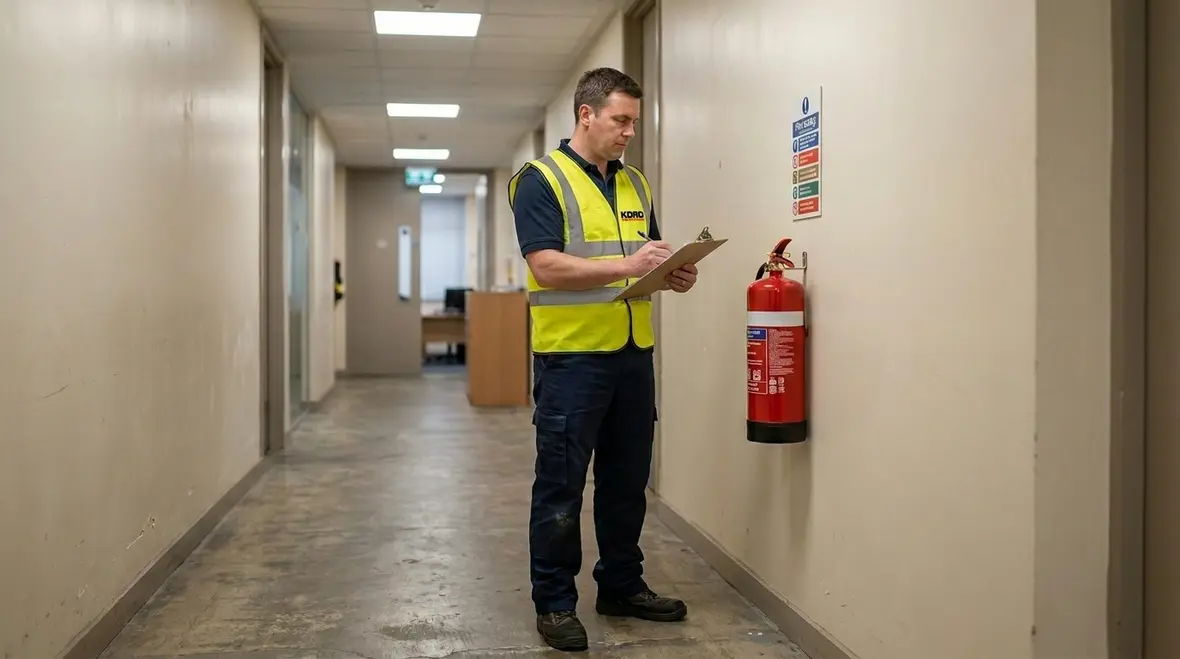
Strategic placement starts with understanding how fires spread, not just where equipment sits. Kord Fire Protection technicians begin by walking the space and spotting likely ignition points such as electrical panels, break rooms, boiler rooms, loading areas, and storage racks. Then they map the travel paths that people will use to approach a fire. From there, they choose mounting and spacing that support coverage across the room, not just around the wall.
When technicians place units for maximum coverage, they also account for how people move under stress. For example, someone in a hallway cannot reach an extinguisher behind a locked gate without first losing time to frustration. Therefore, accessibility becomes part of the plan, not an afterthought. Likewise, if a doorway blocks visibility, they relocate or adjust the mount so the extinguisher shows up fast.
This practical thinking lines up well with Kord Fire Protection’s fire extinguisher services, where inspection, installation, and compliance support all work together. Placement is not a side note. It is part of making sure the extinguisher is actually useful when a real person has to grab it with real stress and not the calm confidence of a training video.
Coverage is only useful when the route makes sense
That is why technicians think beyond wall space. A location can look correct on paper and still fail in the real world if a person has to weave around carts, squeeze through a pinch point, or reverse direction into smoke. Good placement keeps the unit close enough to matter and visible enough to be recognized immediately. A hidden extinguisher might as well be practicing invisibility full time.
How technicians plan spacing around real fire behavior
Spacing and coverage depend on the size of the hazard and the likely path of heat and smoke. A small trash container fire behaves very differently than a larger combustible storage area. Kord Fire Protection technicians use site conditions, including layout and finishes, to estimate how quickly a fire could grow. Then they choose extinguisher locations so that a person can reach at least one unit without crossing the worst areas.
In practice, this means they consider sight lines, room depth, and where people usually stand during normal operations. Then they align placement with those patterns. If the space has open aisles, units go where someone can approach them from a safe direction. If the space has tight corners or partitions, they may add another unit rather than forcing a risky detour.
And because fire does not care about office politics, they plan for more than the “clean” version of the building. They account for blocked access scenarios that can happen when a cart parks in the wrong spot. The goal is simple: reduce the chances that fire extinguisher placement and accessibility become an obstacle when seconds matter.
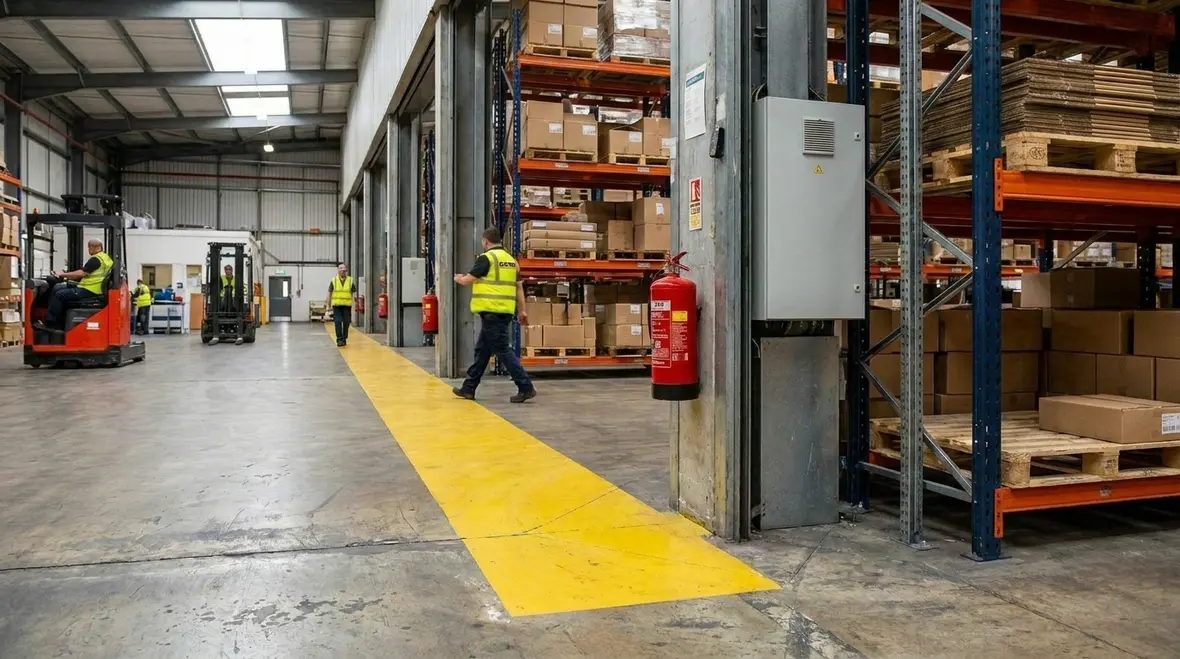
Visibility and access: the difference between a tool and a trap
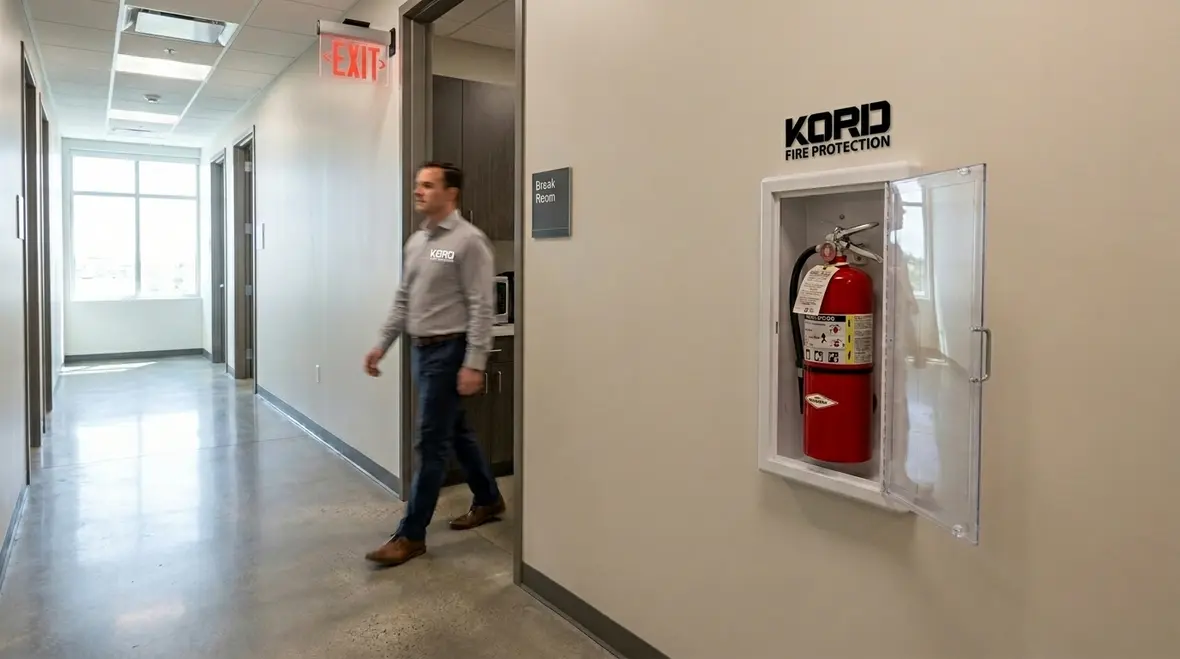
Technicians treat visibility like a lifesaver, because it can be. When people cannot spot an extinguisher quickly, they may waste time scanning for it. That delay is the enemy. Therefore, Kord Fire Protection technicians verify that the sign, the location, and the route to the unit all make sense at a glance.
They also check how “access” looks during real use. For instance, a unit placed next to a door that opens inward could block the approach during an emergency. Similarly, a mounted extinguisher behind a swinging gate can turn into a trap in high heat or low visibility. If the environment has temporary setups such as seasonal displays, technicians plan around those changes so the route remains clear.
To keep things calm and practical, they recommend simple actions too, like maintaining clearance from obstructions and ensuring that the mounting height matches the intended user. In other words, the extinguisher should be easy to reach for the average person, not just the tallest hero in the building. We all know that hero is usually busy anyway.
Placement focus
- Near the likely points of ignition
- Along normal travel paths
- With clear sight lines
- With safe approach routes
- Not behind locked or obstructed areas
Accessibility focus
- Visible signage and markings
- Unblocked approach and clear floor space
- Mount height that supports quick use
- No hazards near the wall location
- Route stays usable during busy operations
Choosing locations that match occupant movement and workflow
Buildings function based on patterns. People walk certain hallways, work inside specific zones, and gather in predictable spots. Kord Fire Protection technicians use those patterns to guide placement decisions. For example, in an office area, they avoid putting extinguishers in dead corners that nobody visits during routine hours. Instead, they position them so a person can notice them while passing through.
In warehouses, technicians consider how carts and forklifts shape movement. Then they place extinguishers where the unit will not be clipped, hidden, or made unreachable by ongoing tasks. In retail spaces, they account for customer flow, because smoke does not politely wait for closing time. If customers can see the unit during normal operation, the odds improve that they will find it under stress.
Ultimately, they aim for speed and clarity. They place units where the instinct will be to move toward them, not away. That is how fire extinguisher placement and accessibility work together to improve real-world response. It also pairs naturally with a broader full fire protection approach when facilities want safety systems that support each other instead of acting like distant cousins at a family reunion.
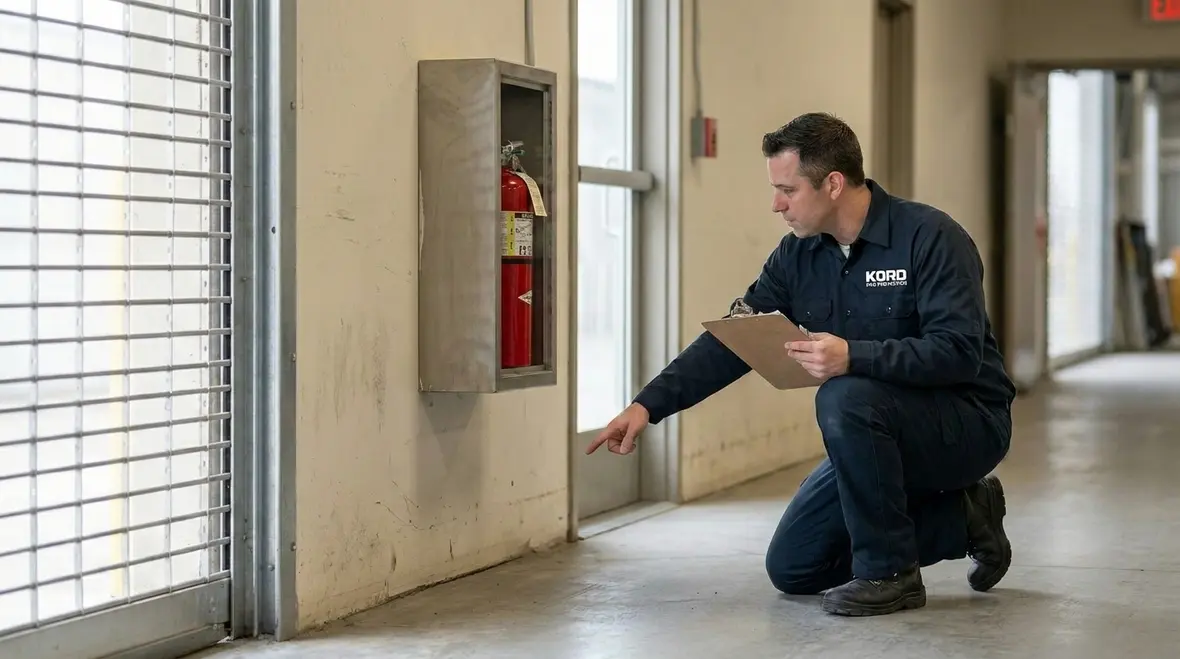
Common mistakes that reduce coverage and slow response
Even well intentioned teams sometimes place extinguishers the “usual way” without testing how the space actually behaves. Kord Fire Protection technicians often see the same issues during inspections and surveys. They include units mounted where a door swing blocks access, extinguishers installed behind shelving, and locations that require people to cross hazards to reach them.
Another frequent problem involves inconsistent placement. Some units get installed in a hallway, but then the deeper rooms receive little or no coverage. That design can leave a risk gap in the middle of the building, which is like leaving the one unlocked window during a rainstorm and then acting surprised.
Technicians also watch for signage that is unclear or missing. If the extinguisher location relies on memory, it fails during emergencies. So, they make sure the route to the unit is obvious and that the extinguisher stays easy to find.
Finally, they check for maintenance realities. If a unit sits where it gets knocked, covered, or painted over, it will not work when needed. Therefore, the best plan includes placement that also supports long term care. That same mindset shows up in Kord’s article on fire extinguisher replacement and service lifespan, because equipment readiness does not stop at where the bracket goes.
Small placement problems become big emergency problems
A blocked extinguisher might seem minor during a quiet afternoon, but emergencies are rude like that. They reveal every shortcut, every lazy storage decision, and every spot where someone said, “That should be fine.” Technicians aim to remove those weak points before they become expensive lessons with terrible timing.
Maintenance, inspections, and training for dependable use
Placement and accessibility do not stop at installation. Kord Fire Protection technicians include ongoing checks that confirm the extinguisher is ready. That means verifying pressure status, pin integrity, and that nothing blocks the path. It also means checking that the unit remains in the planned position even after renovations or office changes.
They also support training because a tool does no good if people do not know how to use it. When staff learn the location and the basics, the building responds faster. And if the staff learns what kind of extinguisher fits which hazard, they avoid the classic “grab the wrong one” moment. Fire, again, does not care that someone grabbed the colorful one that matched their shirt.
For facilities that want ongoing support, Kord Fire Protection also offers monthly inspection and annual service to help keep extinguishers documented, visible, and ready to use. That routine attention matters because layouts change, furniture migrates, storage expands, and somehow every building eventually invents a new way to block the one thing nobody should block.
FAQ
Final call for a safer layout
A smart plan for fire extinguisher placement and accessibility turns protection into action. Kord Fire Protection technicians help teams map hazards, confirm safe approach routes, and keep extinguishers visible and reachable as the building changes. If locations feel “standard” but response times worry you, it is worth getting a second look before a small issue turns into a full production.
For support with inspection, training, service, or a broader extinguisher plan, explore Kord Fire Protection’s fire extinguisher service page or contact Kord Fire Protection to request a placement and access review. They can help tighten coverage, reduce confusion, and support dependable use when it counts.

Join Our Newsletter!
Get the latest fire safety tips delivered straight to your inbox From our Newsletter.