
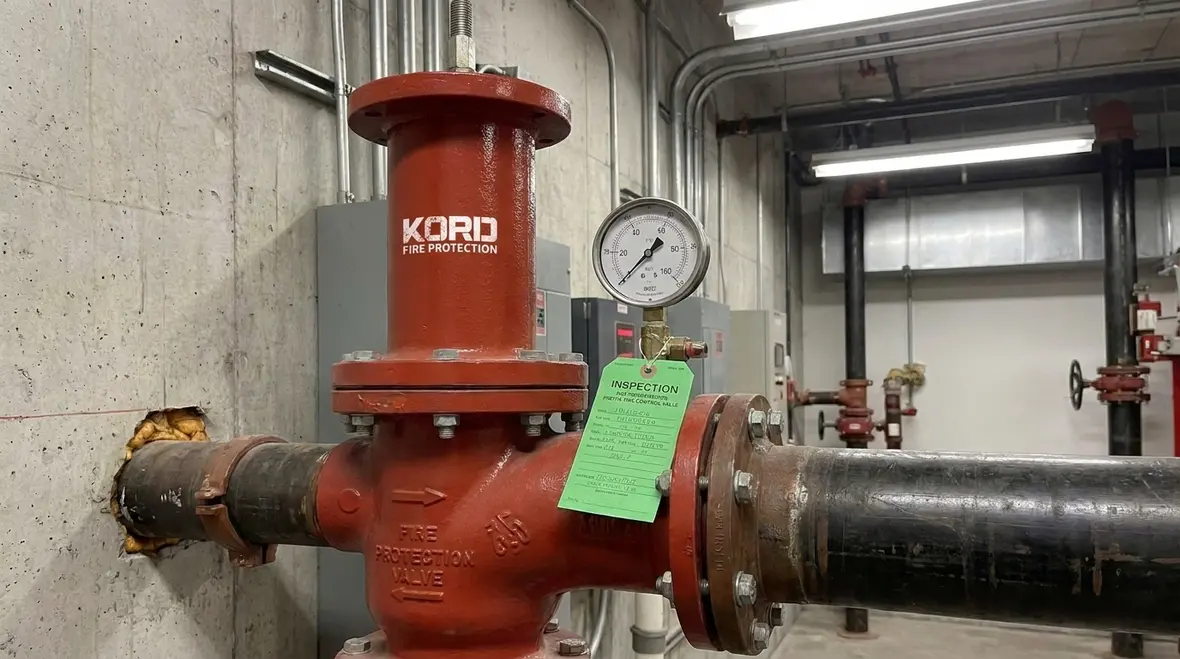
NFPA 25C Section 3.5: Critical Valve Definitions for Fire Systems
Quick Answer
NFPA 25C Section 3.5 defines critical valves used in fire protection systems and clarifies how facilities must identify, inspect, and maintain them. These definitions support inspection accuracy, reliable system operation, and defensible compliance during commercial water based fire system testing and maintenance cycles.
What NFPA 25C Section 3.5 valve definitions cover (and why they matter)
NFPA 25C Section 3.5 valve definitions fire protection systems language centers on identifying which valves are considered “critical” to system performance. For commercial, industrial, and retail properties, this matters because the inspection program depends on correct valve classification. When a valve that influences system water flow, pressure, or control is missed, inspections become incomplete, and test results lose practical meaning.
In many facilities, the compliance gap does not come from skipping inspections. Instead, it comes from inconsistent labeling, unclear ownership between trades, or valve replacement without updated records. NFPA 25C Section 3.5 is designed to reduce those errors by defining what counts as critical and therefore must be addressed during routine maintenance and inspections.
For teams tightening documentation and field follow through across one site or several, full fire protection services from Kord Fire Protection fit naturally into the planning process when inspection, testing, maintenance, and repairs all need to stay coordinated.
How “critical valve” definitions drive real inspection planning
Once the system team identifies critical valves, inspection planning becomes more mechanical and defensible. Inspectors and contractors must align the valve list with the current installation and the system drawings, then validate valve condition using methods appropriate for valve type and function.
Operational dependency: valves that control flow, isolation, and release of water
Critical valves typically include those that can prevent intended water delivery if they are mispositioned, obstructed, damaged, or out of calibration. In the field, failure points usually fall into a few categories:
Mispositioning after routine work: A valve is left partly closed after ceiling access, pump room maintenance, or contractor shut downs.
Obstruction and debris: Sediment, scale, or foreign material affects operation, especially where water quality is variable.
Faulty indication and labeling: Valve position indicators do not match actual stem position or the label no longer reflects the as installed configuration.
Seal and packing degradation: Packing leaks can correlate with internal wear and loss of reliable seating, which affects pressure and flow control.
Commercial compliance outcome: consistent documentation and repeatable testing
Critical valve identification enables repeatable inspection procedures across multi site portfolios. This improves audit readiness because valve records tie directly to inspection checklists, test results, and maintenance actions. Kord Fire Protection supports facilities by aligning valve schedules with system documentation and maintaining ongoing inspection and maintenance workflows for water based fire protection systems.
For additional context on how systems are built and maintained, see NFPA 25 overview and water based fire protection system maintenance breakdown.
Valve types commonly treated as critical under NFPA 25C
NFPA 25C Section 3.5 valve definitions fire protection systems support a practical interpretation: valves that affect system readiness and discharge performance become critical. The following valve types are commonly treated as critical in commercial fire system programs due to their control function.
Shutoff and control valves affecting system operation
Valves used to isolate system sections or control water supply can be critical when their position, condition, or ability to move correctly directly affects system performance. Field teams must ensure they remain in the required normal position and that any tamper or supervision features remain functional.
Check valves and backflow prevention functions
When check valves fail, they can cause backflow, loss of system pressure, or improper operation during demand. A failed check valve can also mask other problems because static and dynamic readings may appear normal until a flow event occurs. Proper inspection includes verification of valve condition consistent with the manufacturer’s instructions and the applicable NFPA program requirements.
Valves tied to water supply supervision and system integrity
In commercial settings, supervisory circuits and alarms rely on valve position feedback and interlocks. Even when an alarm sounds, maintenance staff must still verify the physical valve state. A supervisory system can indicate a trouble condition while the root cause remains mechanical, such as an out of adjustment stem, stuck mechanism, or restricted internal passage.
Water flow path valves and their seating performance
Valves that sit directly in the flow path can fail through poor seating, internal corrosion, or mechanical wear. These issues can reduce flow, change pressure behavior, and delay water delivery. Inspectors must look beyond “looks open” checks and verify that the valve is operating within expected parameters during the inspection window.
What inspectors verify during critical valve inspections
Critical valve definitions matter most when the inspection procedure is disciplined. A strong inspection program uses the valve list from the as built documentation, then verifies each valve through function based checks and condition based checks that match the valve type.
Position verification and tamper evidence
Inspectors verify valve position against the required normal state. Where supervision is installed, they also confirm alarm and supervisory indicators are intact and consistent with the expected position. Common commercial issues include stale indicator markings and mismatched signage created after renovations.
Physical condition and operability
Visual and mechanical checks often include verifying labeling, checking for corrosion, confirming the valve stem is intact, and ensuring the valve can move as designed. Crews should treat signs of leakage or abnormal resistance as a predictive maintenance trigger rather than simply a cosmetic note.
Pressure and flow behavior during system tests
For many systems, critical valves influence the system response during pump tests, flow tests, or alarm verification. Facilities that capture and trend test results can correlate valve condition changes with pump performance and system water supply readings. That reduces repeat failures and improves troubleshooting speed.
To align inspection activities with how sprinkler systems operate in the real world, review NFPA 13 overview and automatic fire sprinkler system installation considerations.
Common failure points that stem from weak valve control
Across commercial, industrial, and retail buildings, critical valve problems tend to cluster. Understanding these patterns helps facility teams address risks before a test reveals them.
Renovation and retrofit drift: Valves are replaced or relocated, but the valve list, drawings, and signage are not updated, creating inspection blind spots.
Improper maintenance interference: Non fire contractors close or adjust valves during unrelated work without supervision or re verification.
Corrosion and scale: Internal buildup can slow actuation and prevent full seating, which degrades system performance under flow.
Inaccurate valve schedules: When asset management systems do not reflect the actual valve configuration, technicians inspect the wrong devices.
Kord Fire Protection reduces these risks through structured documentation support, periodic inspections, and maintenance breakdown planning that keeps critical valves within verified operational conditions. For system wide maintenance planning details, use this NFPA 25 maintenance breakdown.
Where water supply and pump operation intersect with valve performance, also consider technical resources at firepumps.org for broader pump and system behavior context.
How facilities maintain compliance after inspections
Inspection compliance is not just a one day event. After the field report is issued, the facility team must manage corrective actions, update records, and verify that restored valves match the defined normal condition. A disciplined closeout process typically includes:
Corrective action assignment: Repairs and adjustments map to the specific valve identified under the critical valve definition.
Re verification: After repair, the valve state and associated supervisory indicators must be rechecked.
Documentation update: Label changes, valve replacements, and as installed corrections flow back into the valve list and drawings.
Scheduling for recurring risk: Valves showing early wear are placed on targeted maintenance intervals.
For facilities operating under additional jurisdictional requirements, it also helps to understand the intersection of sprinkler and water based code interpretations. For example, Kord Fire Protection discusses broader sprinkler code implications at fire sprinkler code in California explained.
Teams requiring integrated electrical and life safety support can also coordinate with Kord Electric, where applicable to supervised circuits and related life safety components, and with Kord Fire Protection Australia for regional service context.
Frequently Asked Questions
Next step: confirm your critical valve coverage now
Facilities that want defensible NFPA compliance should validate the active critical valve list against the as installed system and confirm each valve’s documented normal position, condition, and supervisory alignment. Kord Fire Protection can assist with ongoing inspection, testing support, and maintenance planning so critical valves remain reliably operable between inspection cycles. Contact Kord Fire Protection to review your current valve schedule and inspection program.

Join Our Newsletter!
Get the latest fire safety tips delivered straight to your inbox From our Newsletter.


