NFPA 40 Section 9.2: Requirements for Motion Picture Film Laboratories
Quick Answer: NFPA 40 Section 9.2 sets enforceable safety requirements for motion picture film laboratories, focusing on hazardous film handling, storage, ventilation, ignition control, and inspection readiness. It helps facilities prevent fire spread and limit ignition sources across lab processes.
Why NFPA 40 Section 9.2 matters in real lab operations
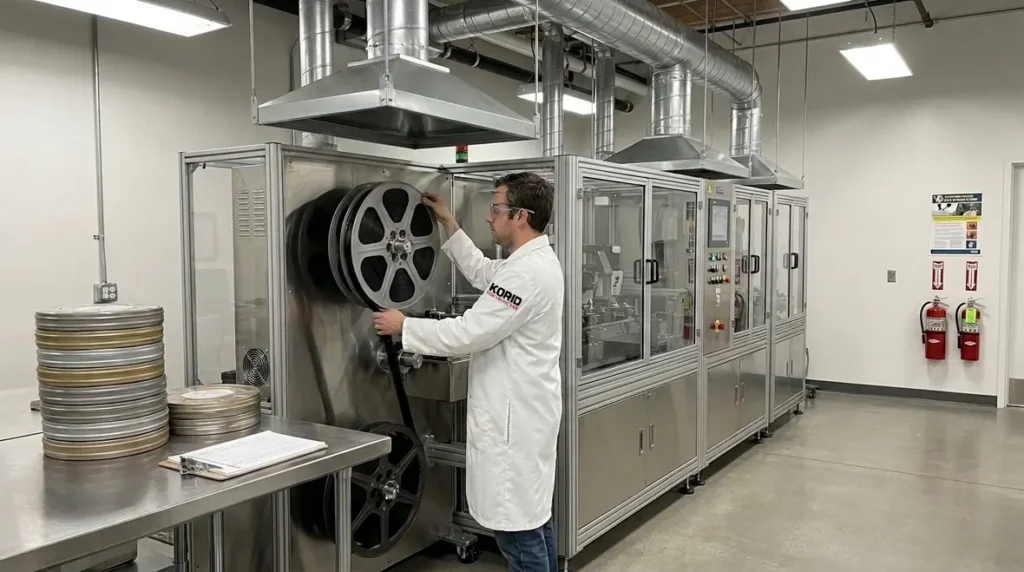
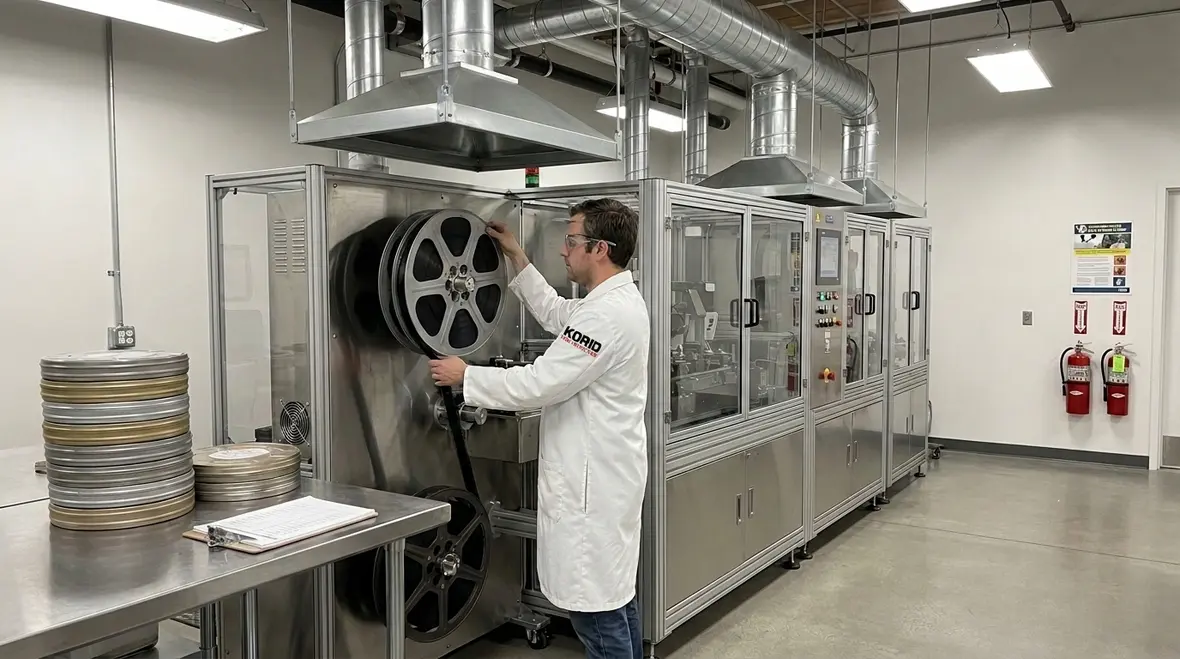
NFPA 40 motion picture film laboratory requirements translate film processing workflows into fire prevention controls that inspectors can verify. In commercial motion picture labs, day to day operations often combine flammable liquid handling, specialized drying and processing equipment, and frequent movement of film stock. Small deviations in housekeeping, ventilation performance, or maintenance of ignition protected components can create conditions for ignition and rapid fire growth.
For facility managers and EHS teams, the compliance challenge extends beyond reading the standard. NFPA 40 Section 9.2 is designed to be implemented through documented procedures, routine testing, and consistent equipment upkeep. This is where ongoing code-compliant fire protection services fit naturally into a real world compliance strategy.
NFPA 40 Section 9.2: What it targets in motion picture film laboratories
NFPA 40 Section 9.2 addresses the operational and environmental controls needed to reduce ignition likelihood and fire impact in film laboratory spaces. While the exact scope depends on the lab’s processes and hazards, the section consistently drives facility readiness in these areas:
- Control of ignition sources around processing and storage activities
- Safe handling and storage practices for film stock and associated materials
- Ventilation and vapor management to reduce flammable atmosphere formation
- Equipment maintenance to ensure protective features remain functional
- Inspection and housekeeping practices that reduce fuel loading and delayed discovery
Compliance teams typically encounter findings when systems drift out of design condition, such as exhaust fans underperforming, deteriorated ducting, or unsafe practices that develop during production peaks. The goal of NFPA 40 motion picture film laboratory requirements is to prevent those drift conditions from becoming ignition pathways.
How labs meet ignition control and equipment readiness
In motion picture film laboratories, ignition control depends on keeping processing areas free from preventable ignition sources and ensuring equipment operates within intended safety limits. Inspectors commonly focus on the lab’s ability to demonstrate that protective design features continue to work during high utilization.
Common operational failure points
- Improper electrical practices: Incorrect wiring modifications, damaged conduit, or missing covers can defeat intended protection.
- Uncontrolled heat sources: Bearings, motors, and heaters that are out of calibration or lack maintenance can create hot surfaces.
- Faulty interlocks and safeties: Disabled interlocks to speed production often lead to unsafe operating conditions.
- Inadequate housekeeping: Accumulated film debris, dust, or residue increases fuel availability and obscures early indicators.
What inspectors look for during walk downs
Fire officials and insurance surveyors typically look for consistent application of procedures and physical readiness, including:
- Verification that ignition sources remain controlled in processing and drying areas
- Evidence of preventive maintenance for critical equipment
- Condition of electrical enclosures, wiring, and grounding practices
- Operational testing of ventilation performance and functional safeties
Commercial facilities also need a practical documentation structure. NFPA 40 motion picture film laboratory requirements are most defensible when the lab can show training records, maintenance logs, and corrective action documentation that link directly to the hazard controls in the standard.
Ventilation and vapor control: the compliance pressure point
Many film laboratory ignition risks stem from flammable vapors and combustible residues. NFPA 40 Section 9.2 emphasizes the need to manage conditions that enable flammable atmospheres. In real facilities, ventilation compliance failures usually come from gradual performance degradation rather than sudden equipment failure.
Where ventilation systems fail in practice
- Exhaust capacity loss: Filters loaded with residue reduce airflow.
- Duct leakage: Poorly sealed joints allow vapors to migrate into areas not designed for hazardous conditions.
- Damper mispositioning: Duct dampers stuck open or closed prevent correct balancing.
- Sensor drift: Instruments that monitor conditions can drift and misreport safe operating status.
Practical compliance actions
A compliant program typically includes planned performance testing, visual inspections, and documented corrective actions when thresholds are exceeded. Labs should ensure ventilation systems remain within design intent during production variability.
To support ongoing compliance, Kord Fire Protection can help commercial operators create service plans aligned with operational risk. This includes scheduled inspections, functional testing support, and maintenance coordination to reduce the likelihood of repeat deficiencies. For related guidance on fire protection service readiness, see Kord Fire Protection services.
Storage, handling, and housekeeping controls you can verify
NFPA 40 motion picture film laboratory requirements require more than safe intent. Inspectors expect verifiable controls that reduce fuel loading and prevent unsafe exposure of film stock and related materials. In daily operations, the way film and materials move through the facility often determines whether the hazard control plan stays effective.
Operational practices that reduce risk
- Segregation of materials according to hazard characteristics and intended storage conditions
- Controlled transfer methods that prevent spillage and minimize residue accumulation
- Clear access pathways to prevent delayed response and to support safe evacuation
- Housekeeping schedules that address residue, dust, and film fragments
How to make housekeeping inspection proof
Facilities strengthen compliance by using inspection checklists and time based routines that align with production cycles. The most defensible programs include:
- Defined cleaning intervals for processing, drying, and storage zones
- Documented removal of residue and verification of completion
- Training on material handling to prevent mixing, over stacking, and unsafe placement
- Corrective action tracking when issues recur
When these practices are inconsistent, inspectors often cite housekeeping deficiencies that correlate to increased ignition opportunities and fire growth potential.
Inspection readiness: documentation, training, and maintenance discipline
NFPA 40 Section 9.2 compliance programs succeed when the facility treats fire safety as an operational system, not a one time project. Labs that pass inspections reliably build a predictable maintenance and verification rhythm.
What to maintain, test, and document
- Preventive maintenance records: Motors, fans, heaters, and any protective equipment tied to safety function
- Functional testing evidence: Verification that ventilation performance and protective operations work as intended
- Training and competency: Staff familiarity with safe handling, abnormal conditions, and reporting pathways
- Corrective action documentation: Root cause analysis for recurring issues and tracked closure
Why third party support matters in commercial settings
Commercial and industrial facilities often experience personnel turnover and production schedule pressure. Third party support helps maintain consistency in inspection quality and service intervals. Kord Fire Protection can support compliance through structured service delivery and documentation that aligns with inspection expectations. This helps facility teams move faster during survey season and reduce repeat findings. To learn more, review Kord Fire Protection.
Frequently Asked Questions
Conclusion and next steps
NFPA 40 Section 9.2 compliance works best when film laboratories treat fire safety controls as an ongoing operational system: verify ventilation performance, maintain ignition control equipment, and document housekeeping and corrective actions tied to risk. Facility teams that want to reduce inspection surprises should engage a qualified partner for service planning, testing support, and maintenance discipline. Contact Kord Fire Protection to build a practical compliance roadmap tailored to commercial motion picture film laboratory operations.

Join Our Newsletter!
Get the latest fire safety tips delivered straight to your inbox From our Newsletter.