
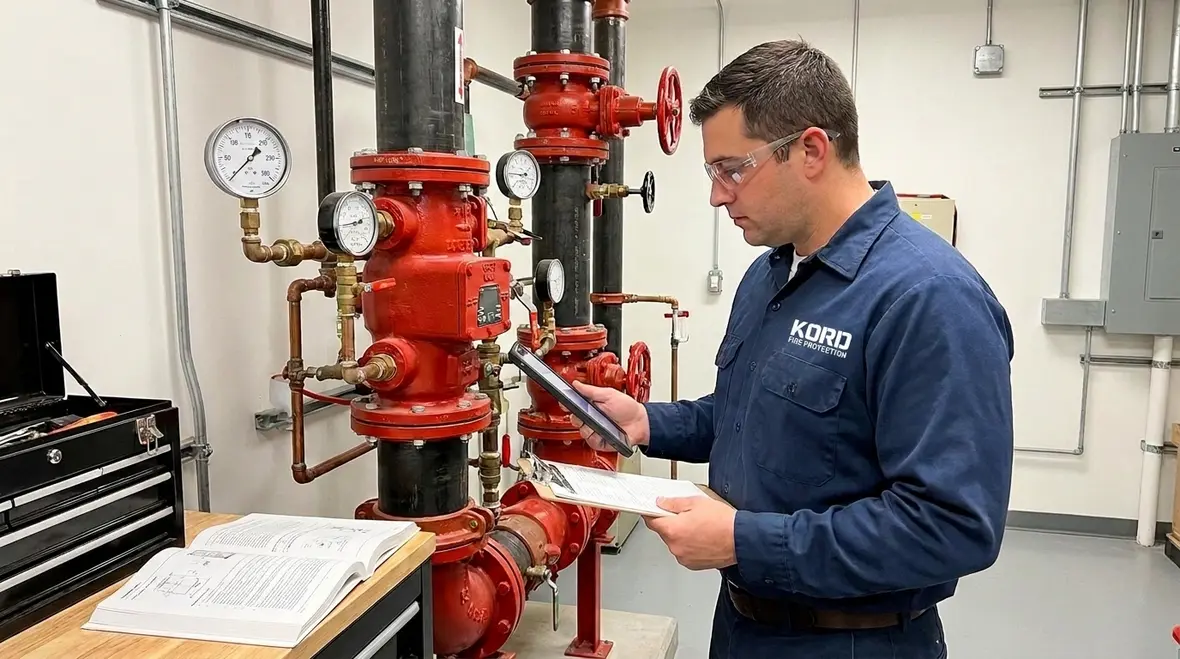
NFPA 25C Section 3.6: Water-Based Fire Protection System Definitions Guide
Quick Answer: NFPA 25C Section 3.6 provides the essential terminology used throughout water-based fire protection system inspection, testing, and maintenance. Clear definitions help facilities interpret duties correctly, reduce audit friction, and improve consistency across sprinkler, standpipe, and related components.
Why NFPA 25C Section 3.6 Definitions Matter in Real Compliance Work
Commercial properties rarely fail because a system exists on paper. They fail because service teams, facilities staff, and AHJs interpret language differently during inspections and documentation. NFPA 25C Section 3.6 water-based fire protection definitions exists to prevent that drift by standardizing how key system terms are understood, applied, and recorded. For maintenance programs, that means fewer “scope gaps” and more repeatable testing practices from quarter to quarter and year to year.
In practice, definitions influence how teams schedule inspections, how they document observations, and how they justify the condition of water-based components. For example, the meaning of terms tied to system status, water supply performance, and device classification can directly affect what gets tested, how results get compared, and which deficiencies are considered reportable under a maintenance framework.
If your team is tightening up inspection schedules and documentation at the same time, a related resource near the top of the list is Kord Fire Protection’s fire sprinkler service page, which fits naturally with the maintenance and readiness side of this topic.
What Section 3.6 Typically Covers: Terms Used Across Water-Based Systems
Section 3.6 functions as a glossary foundation for the rest of NFPA 25C. It standardizes language that service organizations rely on when they interpret inspection and testing requirements for water-based fire protection systems. Even when the physical system looks straightforward, definitional clarity shapes the maintenance outcome.
How definitions affect sprinkler system maintenance
Water-based systems include sprinkler and standpipe components that operate under specific hydraulic and functional expectations. When definitions are consistent, service technicians can align maintenance tasks with the equipment they are actually servicing. That alignment matters for:
- Device classification so the correct inspection method is used for the correct type of component.
- System configuration references that influence what “operating condition” means in documentation.
- Terminology consistency that helps AHJs compare prior reports to current findings.
How definitions affect standpipe and related water supplies
Where standpipes, valves, hoses, and related components exist, maintenance tasks often require careful interpretation of what the system includes and what should be demonstrated during testing. When definitions in NFPA 25C Section 3.6 align with what the facility built and what the drawings reflect, teams can avoid unnecessary retesting while still verifying operational readiness.
Common operational friction points often appear where definitions meet reality, such as:
- Out of date shop drawings or as-built discrepancies that make it unclear which valve serves which floor, riser, or zone.
- Device naming mismatches between facility records and field labels.
- Maintenance history gaps that cause confusion about the exact basis for earlier pass fail decisions.
Inspection and Testing Workflow: Translating Definitions into Field Actions
Definitions do not complete the job by themselves. They must translate into disciplined inspection and testing workflows. A facility that runs a repeatable process usually avoids the documentation disputes that occur after the fact.
Step 1: Establish the system boundary and documentation set
A commercial maintenance program should begin with a verified package: current drawings, valve maps, hydraulic references, and the site’s water supply information. When teams use NFPA 25C Section 3.6 water-based fire protection definitions as the language standard, they reduce ambiguity about what belongs in the system scope.
For additional context on how installation quality affects maintenance outcomes, reference: NFPA 13 overview: automatic fire sprinkler system installation.
Step 2: Plan tasks by component function and condition triggers
Service teams should separate routine checks from trigger based actions. Definitions in Section 3.6 guide what a component is and what performance it should represent. This directly supports operational reliability when systems are exposed to building changes, tenant work, or seasonal variations.
Step 3: Execute testing in a way that supports audit defensibility
Audits and AHJ discussions typically focus on evidence quality. That means the maintenance record must show:
- What was tested and why it met the defined scope.
- How it was tested using the correct method for the defined component.
- What results were observed and how they were evaluated against expected performance.
For a broader maintenance framework, see: NFPA 25 overview: complete water-based fire protection systems maintenance breakdown.
Common Commercial Failure Points Caused by Misinterpretation
Even when systems remain physically intact, compliance failures often trace back to definitional misunderstandings. The most common issues occur when maintenance staff inherit equipment under one naming scheme and then document under another.
Recordkeeping that does not match the defined system
When facility records use informal labels, “riser” and “zone” entries often drift from the true configuration. This mismatch can trigger repeated site visits, unnecessary valve exercises, and confusing follow up questions from inspectors.
Valve and water supply verification gaps
Water-based systems depend on reliable access to the correct water supply paths. Definitions in Section 3.6 influence how technicians interpret “normal readiness” and how they validate that the supply behavior aligns with the system design intent. Without that definitional alignment, teams may overlook a component that only becomes critical under test conditions.
Tenant changes that alter system behavior
Retail and industrial environments frequently experience layout changes. Ceiling modifications, piping alterations, and equipment moves can affect obstruction, labeling, and in some cases routing of water supply components. A consistent definitional approach helps ensure that maintenance crews verify what the system is supposed to include after change events.
How Service Providers Support Compliance Consistency
Facilities reduce risk when they partner with a service organization that manages both technical execution and compliance language. Kord Fire Protection supports commercial, industrial, and retail maintenance programs by aligning inspection and testing actions with recognized definitions and by strengthening the documentation trail that AHJs and insurers typically request.
To understand how code structure and enforcement can vary by jurisdiction, review: fire sprinkler code California explained. For additional education on fire pumps and supporting water delivery components, visit: firepumps.org for water supply systems considerations.
Internationally, interested teams can also reference service and technical resources at kordelectric.com and kordfire.com.au for broader engineering and protection context.
Frequently Asked Questions
Call to Action: If a facility needs stronger compliance consistency, Kord Fire Protection can support maintenance planning, inspection execution, and documentation alignment for water-based systems. Request a site review to confirm system boundaries, verify labeling and valve maps, and reduce the risk of scope misunderstandings tied to NFPA 25C terminology.

Join Our Newsletter!
Get the latest fire safety tips delivered straight to your inbox From our Newsletter.


