
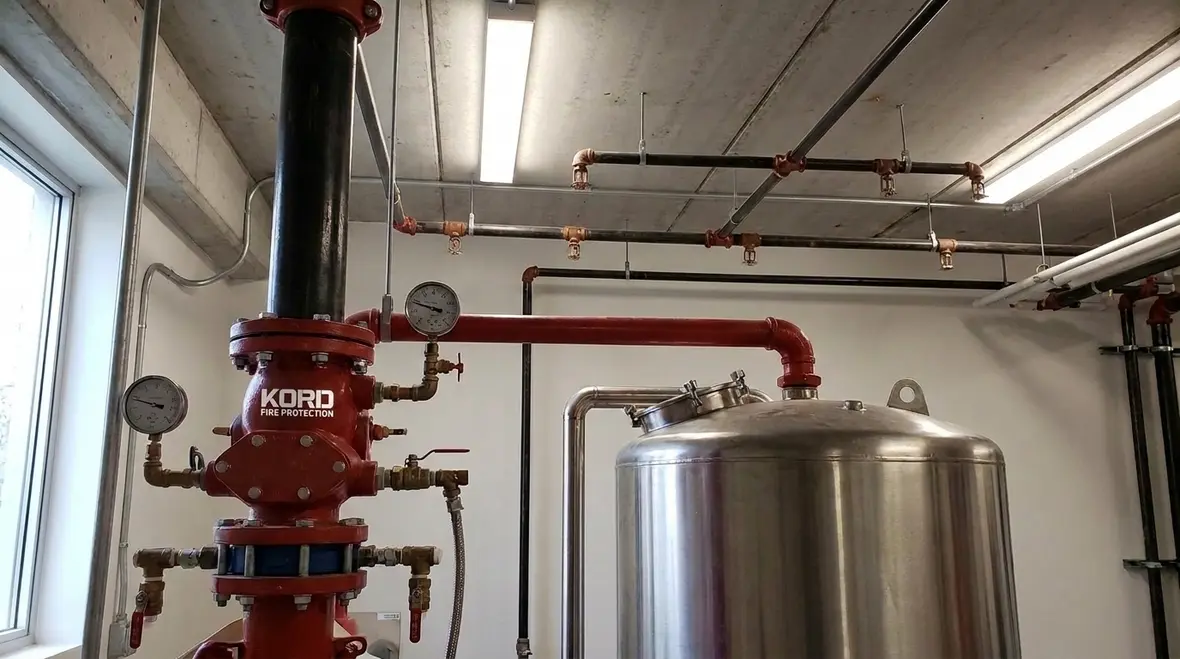
NFPA 25C Section 3.4: Deluge Foam-Water Sprinkler System Definitions Decoded
Quick Answer
NFPA 25C Section 3.4 defines the key terms used to inspect, test, and maintain deluge foam-water sprinkler systems. These definitions clarify system intent, foam-water discharge behavior, and component roles so maintenance teams can verify performance without guesswork or unsafe assumptions.
Why NFPA 25C Section 3.4 matters in real facilities
Commercial, industrial, and retail buildings often treat “foam-water” as a label and move straight to testing schedules. NFPA 25C Section 3.4 deluge foam-water sprinkler definitions prevent that shortcut. The section tightens how inspectors and maintenance technicians interpret the system design language used in NFPA 13 and NFPA 16 related concepts.
In day to day compliance work, teams commonly struggle with three questions: What exactly counts as a foam-water deluge discharge path? Which components must be verified for operational readiness? And how should system condition be described during acceptance and ongoing inspections?
Kord Fire Protection supports these facilities by mapping definitions to practical inspection steps, documentation, and recurring maintenance plans. This approach reduces drift between drawings, operational intent, and field condition, especially after modifications, vendor changes, or off cycle repairs.
If you want a practical companion piece near the start, Foam Fire Suppression System Maintenance and Testing connects these definitions to the real inspection rhythm of tanks, concentrates, hardware, and discharge equipment without pretending the system will somehow maintain itself.
What Section 3.4 is defining: terms that drive inspection and testing
Section 3.4 does not replace system design criteria. Instead, it standardizes the meaning of terms that control maintenance verification. When definitions are clear, the inspection process becomes repeatable across shifts, contractors, and facilities.
Deluge foam-water sprinkler system, defined in operational terms
A deluge foam-water sprinkler system delivers water and foam solution to sprinklers designed for foam-water application, typically activated by a deluge valve actuation. From a maintenance perspective, the defining language impacts how technicians confirm that:
- Activation devices and detection circuits trigger the deluge valve as intended.
- Foam proportioning and delivery equipment stays within serviceable conditions.
- Flow pathways remain unobstructed and hydraulically capable of reaching discharge points.
- Discharge patterns align with the original system intent and listing requirements.
Foam-water delivery behavior and why it is not “just foam”
Foam concentrates and proportioning equipment add a layer of complexity beyond standard wet, dry, or preaction water systems. The foam-water sprinkler definitions matter because maintenance teams must avoid treating foam as optional or purely decorative.
In practical compliance work, inspectors verify that foam concentrate proportioning, foam solution preparation, and delivery to the deluge piping system operate correctly when the deluge valve opens. A small fault in concentration or delivery can produce a discharge that no longer meets the hazard protection intent, even if water flow appears normal.
How the definitions affect inspection scope and test sequence
Maintenance teams do not “test the idea.” They test components and performance indicators. NFPA 25C Section 3.4 deluge foam-water sprinkler definitions shape which components are considered integral to the system’s foam-water function and how inspectors record condition.
Inspection steps that align with definition based intent
Field teams typically structure work around system activation, foam supply readiness, and discharge validation. Definitions drive inspection scope so technicians confirm that every functional pathway involved in foam-water delivery is included, such as:
- Deluge valve readiness, including trim condition and actuation performance.
- Foam concentrate and proportioning equipment status, including interface integrity and calibration verification where applicable.
- Alarm and supervisory components used to indicate valve operation and system status.
- Discharge device condition, including inspection for damage, blockage, or incorrect installation.
Testing sequence: prevent false pass results
One recurring compliance challenge involves “partial” testing that produces a false sense of readiness. For example, a technician may validate water flow through a deluge valve but fail to verify foam solution delivery characteristics or concentration control.
By using NFPA 25C Section 3.4 deluge foam-water sprinkler definitions as the interpretive baseline, teams can structure the test sequence so foam-water functionality gets verified alongside hydraulic performance. This reduces gaps that would otherwise surface during discharge based scenarios.
Common failure points tied to deluge foam-water systems
Deluge foam-water systems involve mechanical, hydraulic, and chemical elements. The definitions in NFPA 25C Section 3.4 matter because they help technicians distinguish between normal water deluge behavior and the additional requirements created by foam solution generation and delivery.
Foam proportioning drift after maintenance or supply changes
Foam concentrate can degrade or shift over time, and proportioning equipment can drift after filter servicing, seal replacement, or vendor supply changes. If the foam proportioning function does not meet the required operational intent, the system may still actuate but not perform as expected for hazard suppression.
Trim damage, valve issues, and waterway obstructions
Even when foam equipment remains serviceable, deluge valve trim and related piping remain common causes of underperformance. Maintenance must consider that obstructions, corrosion, or incorrect reassembly can change flow distribution or response times.
Documentation mismatches after upgrades
Commercial facilities frequently modify process lines, add storage racks, or alter floor layouts. If drawings and system records do not update accordingly, technicians may inspect what the documents imply rather than what the system delivers. Kord Fire Protection emphasizes field verified record accuracy so definitions from NFPA 25C map to the installed configuration, not just the original submittal.
Compliance planning for commercial facilities: what to standardize
Facilities that maintain fire protection reliably treat definitions as part of their internal compliance standard, not as reading material. Strong programs also connect to installation and maintenance fundamentals across water based systems.
For background on installation intent and how systems should be initially configured and verified, refer to:
To strengthen ongoing maintenance planning across water based systems, use:
For jurisdictions that add practical installation or compliance nuances, see:
And for broader context on fire pump practices that often interface with deluge systems, consult:
If your facility needs the service side of this conversation, Kord Fire’s fire suppression services page gives a broader look at inspection, testing, repairs, and maintenance support for systems that cannot afford casual oversight.
Operational readiness checklist to reduce inspection friction
To keep compliance stable, many facilities standardize the following operational readiness items before the inspection day arrives:
- Confirm foam concentrate supply status, service records, and concentration control evidence.
- Verify valve control and supervisory circuits show the expected normal and alarm states.
- Ensure access and safety procedures are in place for deluge discharge areas.
- Confirm that recent work orders and equipment swaps are reflected in as maintained documentation.
Kord Fire Protection works with commercial teams to align these readiness items with NFPA 25C inspection logic so technicians can meet the “what is it and what must work” expectations embedded in the terminology.
Frequently Asked Questions
Call to action
Facilities that manage deluge foam-water systems should treat NFPA 25C Section 3.4 deluge foam-water sprinkler definitions as a compliance checklist backbone, not a reference footnote. Kord Fire Protection can help align your records, inspection scope, testing sequence, and corrective action workflow with the installed reality of your foam-water equipment. Schedule a maintenance review to close gaps before the next inspection window.

Join Our Newsletter!
Get the latest fire safety tips delivered straight to your inbox From our Newsletter.


