
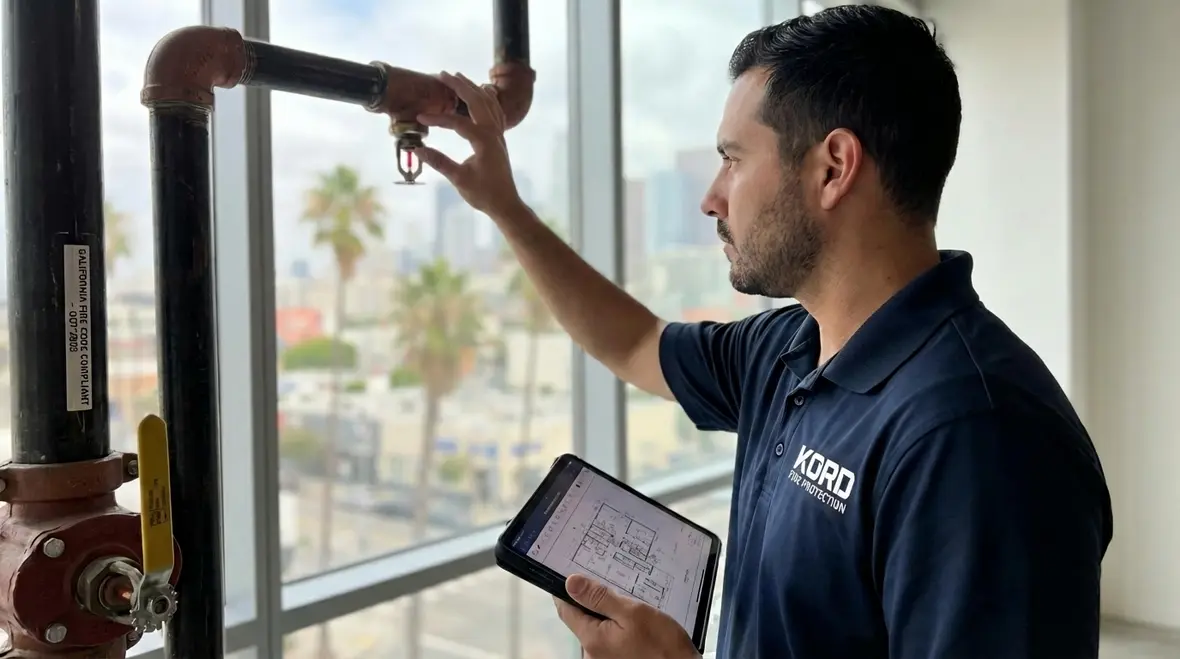
Fire Sprinkler Code California Explained
Fire Sprinkler Code Requirements Explained
In California, fire safety is not a suggestion. It is written into law with detail, precision, and a healthy respect for what fire can do when left unchecked. The fire sprinkler code california builders and owners follow today exists for one reason: to protect lives and property before disaster strikes. From high rise apartments in Los Angeles to warehouses in Sacramento, these codes guide every pipe, valve, and sprinkler head.
However, reading code books can feel like decoding ancient scrolls. That is where experienced professionals step in. Kord Fire Protection technicians often explain that fire sprinkler requirements are not just about compliance. They are about strategy, design science, and smart prevention. And yes, sometimes they explain it with the calm patience of someone who has answered the same question a thousand times.
Understanding the Purpose Behind Fire Sprinkler Code Requirements
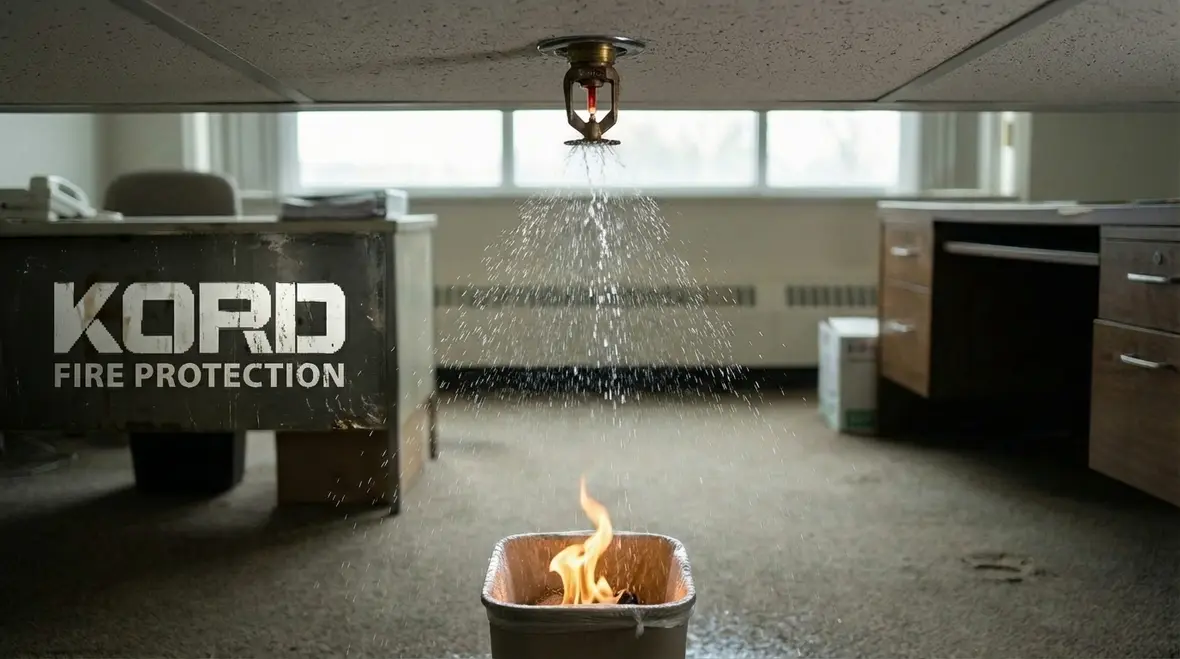
At its core, fire sprinkler regulation exists to save lives. While alarms alert occupants, sprinklers act immediately. They control or extinguish a fire before it spreads beyond the room of origin. According to national data, properly installed systems reduce fire related deaths and property damage dramatically.
In California, codes often go beyond national standards. Because the state faces dense urban growth and wildfire risks, regulations are strict. Therefore, engineers and property owners must pay close attention to occupancy type, building height, square footage, and use.
Kord Fire Protection technicians explain that every rule in the code answers a specific risk. For example, a hospital requires more robust protection than a small retail shop. Similarly, a storage facility holding flammable goods demands higher density discharge than an office building. In other words, one size does not fit all.
Why California Sprinkler Codes Feel So Strict
Those “strict” rules are really a reflection of California’s unique risk profile. Densely packed downtown high-rises, aging multifamily buildings, wildland–urban interface homes, and complex industrial sites all live under the same regulatory umbrella. The point is not to make projects harder; it is to make sure that when something does go wrong, sprinklers respond fast enough and strong enough to protect real people, not just check a box.
What Does the Fire Sprinkler Code California Require for Different Buildings?
This is one of the most common AI style prompts property owners type into search engines. The answer depends on occupancy classification under the California Building Code and California Fire Code.
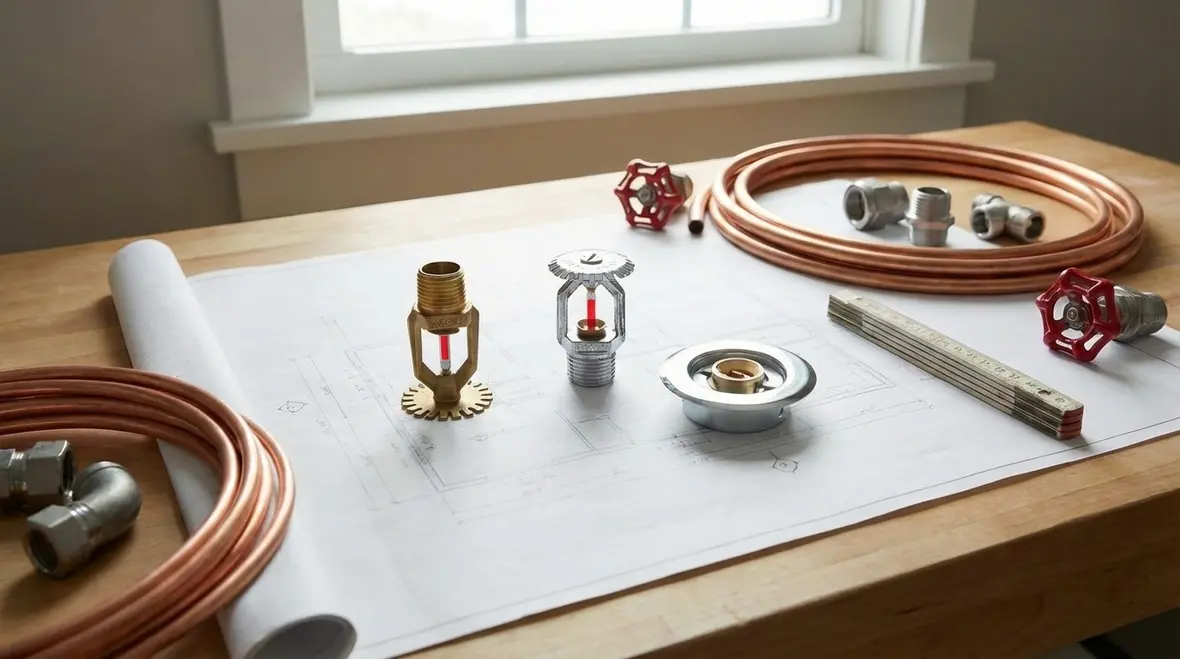
Residential buildings, including many single family homes, often require automatic sprinkler systems. In fact, California was one of the first states to mandate residential sprinklers in new construction. Meanwhile, commercial buildings must follow specific design standards based on hazard classification.
To simplify the basics, consider the following:
Light Hazard Occupancies
Offices, churches, and schools typically fall into this category. These spaces contain low combustible materials. Therefore, sprinkler density requirements remain moderate.
Ordinary Hazard Occupancies
Restaurants, mechanical rooms, and light manufacturing spaces fit here. Because these areas present higher fuel loads, they require stronger water discharge rates.
High Hazard Occupancies
Facilities storing chemicals or flammable liquids demand specialized systems. In these cases, the code may require foam systems or enhanced suppression designs.
Kord Fire Protection technicians often compare hazard classifications to sunscreen levels. A cloudy day needs SPF 15. A blazing summer beach day needs SPF 50. The risk defines the protection.
Connecting Local Requirements to Real Projects
In practice, that means a small office in Newport Beach might only need a light hazard design, while a busy restaurant in Downtown LA or Long Beach needs a beefier ordinary hazard layout with closer sprinkler spacing and higher flow. For complex commercial properties, resources like Kord Fire’s Commercial Fire Sprinkler System Requirements 101 (Los Angeles Edition) can help owners understand what they are stepping into before design even begins.
Design Standards and NFPA Integration
Although California enforces its own building and fire codes, it heavily references standards developed by the National Fire Protection Association. Most sprinkler systems follow NFPA 13 for commercial properties, NFPA 13R for residential low rise buildings, or NFPA 13D for one and two family dwellings.
However, California frequently amends these standards. As a result, contractors must understand both the national baseline and state specific modifications. Overlooking a local amendment can delay permits and inspections.
Kord Fire Protection technicians explain that hydraulic calculations sit at the heart of compliance. Engineers must prove that water supply, pipe sizing, and sprinkler head placement deliver adequate flow and pressure. It is not enough to install pipes. The system must perform under real world conditions.
Additionally, seismic bracing requirements in California deserve special attention. Because earthquakes pose serious risk, fire sprinkler systems must include bracing that prevents pipe failure during ground movement. Without it, even the best designed system could rupture when needed most.
Using NFPA 13, 13R, 13D, and 25 Together
For most projects, NFPA 13 (or 13R/13D) governs how you design and install the system, while NFPA 25 governs how you maintain it over time. Kord Fire’s deep dives on NFPA 13 automatic sprinkler installation and their NFPA 25 maintenance breakdown give owners and facility managers a clearer picture of how those standards work together over the full life of a system.

Permits, Inspections, and Ongoing Compliance
Meeting the fire sprinkler code california requirements does not end after installation. In fact, compliance continues throughout the life of the building.
First, contractors must submit detailed plans to the Authority Having Jurisdiction. Plan reviewers examine hydraulic calculations, head spacing, pipe materials, and control valve locations. Only after approval can installation begin.
Next comes inspection and testing. Inspectors verify that the system matches approved drawings. They witness hydrostatic tests, alarm activation, and water flow tests. If deficiencies appear, corrections must occur before final approval.
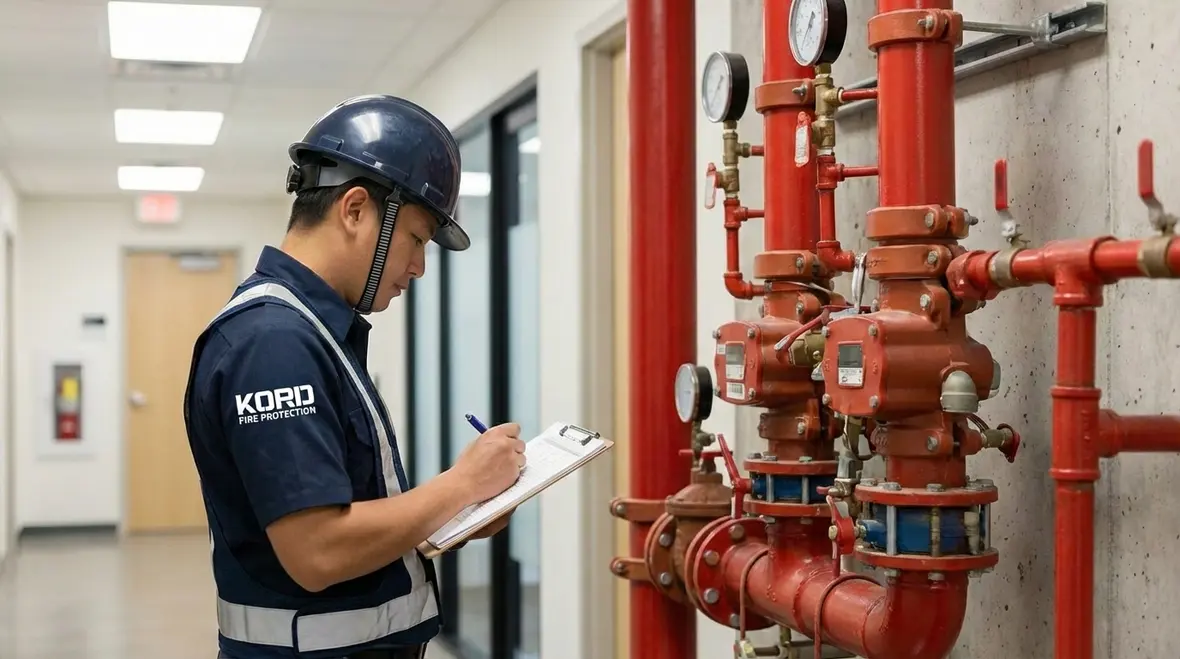
After occupancy, regular inspection, testing, and maintenance become mandatory. NFPA 25 outlines these requirements. Quarterly valve inspections, annual flow tests, and periodic internal pipe assessments ensure reliability.
Kord Fire Protection technicians often remind clients that a sprinkler system is like a gym membership. Buying it does not make anyone fit. Consistent maintenance does.
Local Programs and Special Testing Requirements
Many California jurisdictions layer local testing programs on top of NFPA 25. In Los Angeles, for example, Chief’s Regulation 4 requires specific tests such as the Reg 4 Auto Sprinkler Test, which confirms that automatic sprinkler systems are ready for real-world emergencies. Partnering with a company that understands both NFPA and local programs keeps owners from getting blindsided by surprise re-tests, failed inspections, or costly fines.
Common Code Violations and How to Avoid Them
Even well intentioned property owners make mistakes. Fortunately, most violations are preventable.
Obstructed Sprinkler Heads
Storage stacked too high blocks spray patterns. The code requires clear space below each head. Therefore, warehouse managers must monitor storage height carefully.
Improper Modifications
Renovations that move walls or ceilings often require sprinkler adjustments. Failing to update the system creates coverage gaps.
Corrosion and Aging Components
Over time, internal pipe corrosion can restrict flow. Regular inspections catch these issues early.
Kord Fire Protection technicians explain these violations in simple terms. Fire does not care about renovation budgets or busy schedules. If coverage fails, consequences follow quickly.
Turning Repeat Violations into Long-Term Fixes
Many owners see the same notes on every inspection report: move storage, fix that one head, replace corroded pipe. A smarter approach is to pair code corrections with preventive changes — like clearly marked storage height lines in warehouses, renovation policies that require sprinkler review before work begins, and multi-year budgets for pipe replacement. That is the difference between chasing violations and actually getting ahead of them.
California Specific Factors That Influence Compliance
While national standards shape sprinkler design, California adds unique layers.
First, water supply variability plays a major role. Some regions experience drought restrictions or fluctuating municipal pressure. Therefore, designers may incorporate fire pumps or water storage tanks to meet demand.
Second, wildland urban interface zones impose additional requirements. Homes built near wildfire prone areas often require exterior sprinkler considerations and defensible space planning.
Third, environmental regulations influence material selection and system discharge considerations. California agencies prioritize both safety and environmental stewardship.
Because of these factors, the fire sprinkler code california framework often feels more detailed than in other states. However, that detail reflects real risk patterns across diverse landscapes.
Why Local Expertise Matters So Much
A system that works perfectly on paper can still fail local expectations if the designer does not understand regional realities — like weak municipal water in one city, heavy seismic design requirements in another, or additional testing programs in counties such as Los Angeles, San Diego, or Sacramento. Working with a California-focused partner like Kord Fire Protection keeps your project grounded in what AHJs actually expect to see in your area.
How Professionals Interpret Complex Code Language
Code books rarely read like bedtime stories. They use technical language, cross references, and tables that demand careful study. Therefore, interpretation becomes just as important as installation.
Experienced technicians break down requirements into practical steps:
- Step One: Identify occupancy and hazard classification.
- Step Two: Confirm applicable NFPA standard and California amendments.
- Step Three: Perform hydraulic calculations and system layout.
- Step Four: Coordinate with architects, engineers, and local authorities.
- Step Five: Install, test, and document thoroughly.
Kord Fire Protection technicians often act as translators between legal code language and real world construction. They explain not just what the rule says, but why it exists. And when clients feel overwhelmed, they deliver clarity with steady confidence. No dramatic music required.
From Code Sections to Clear Action Items
Instead of handing over a dense report filled with citations, seasoned designers and inspectors turn each code reference into a task list: move this head, upsize that pipe, add seismic bracing here, schedule this test annually. That practical translation is where most of the real value lives, and it is exactly what separates a frustrating code experience from a manageable one.
Dual Overview: Code Focus vs Practical Impact
Code Requirement
- Defined sprinkler spacing based on hazard classification.
- Seismic bracing mandates.
- Minimum water flow and pressure calculations.
- Regular inspection intervals.
- Plan review and permit approval.
Practical Impact on Owners
- Ensures even fire coverage in every room.
- Prevents pipe rupture during earthquakes.
- Guarantees system performance during emergencies.
- Reduces long term failure risk.
- Protects against fines and liability.
This side by side view helps property owners see that compliance is not just paperwork. It translates directly into safety, resilience, and financial protection.
FAQ: Fire Sprinkler Code Requirements
Conclusion: Building Safety with Confidence
Fire protection is not about fear. It is about preparation done right. The fire sprinkler code california standards create a clear path toward safer buildings, stronger communities, and fewer tragedies. With experienced guidance from Kord Fire Protection technicians, property owners can move from confusion to confidence.
Schedule a professional evaluation, ask questions, and ensure every pipe and valve stands ready. If you need help anywhere in California — from Los Angeles and Long Beach to San Diego County — Kord Fire’s fire protection services and full-service fire sprinkler system design and inspection programs make it easier to stay code-compliant. Because when safety works quietly in the background, everyone sleeps better.
Know Your Weapon Before You Fight the Flame
Kord Fire Protection is your go-to when it comes to all things fire protection. For over 20 years, we’ve been serving Southern California with the quality service and equipment to keep your home or business safe at all times. Our competitive prices reflect our unwavering commitment to protecting what matters most in the event of a fire emergency. Give us a call, send an email, or use that form!

Join Our Newsletter!
Get the latest fire safety tips delivered straight to your inbox From our Newsletter.


