NFPA 25C Section 2.4 Mandatory Extract References Explained
Quick Answer
NFPA 25C Section 2.4 clarifies what “mandatory extracts” must be referenced to perform inspections, testing, and maintenance. It ensures crews follow the correct sprinkler system and water-based fire protection requirements while reducing misapplication of referenced standards in commercial facilities.
What does NFPA 25C Section 2.4 require, in plain language?
NFPA 25C Section 2.4 sets the rule for how the standard points readers to other “mandatory extracts” that carry enforceable requirements. In practice, this prevents confusion when different editions, related NFPA documents, or specific referenced clauses appear to overlap. For facility owners and maintenance teams, it also establishes a baseline for documentation and inspection scope, especially when water-based fire protection equipment is installed under NFPA 13 and supported by ongoing testing under NFPA 25.
When teams search for the correct requirements, they must use the “mandatory extracts referenced sections” approach rather than treating cross references as optional guidance. The primary intent is straightforward: inspection and maintenance activities must align with the referenced mandatory text that controls how systems operate and how impairments, acceptance, and verification get handled.
For users specifically looking for NFPA 25C Section 2.4 mandatory extracts referenced sections, the practical outcome is consistent. Crews must confirm that the referenced provisions apply to the equipment and system type present, then execute the inspection and maintenance steps accordingly, with records that demonstrate the work was completed to the required method.
Why “mandatory extracts” matter during inspections and maintenance
Commercial, industrial, and retail facilities often face the same compliance failure modes: crews follow a checklist that does not match the facility’s installed system configuration, contractors reference the wrong edition of a related document, or documentation is incomplete. NFPA 25C Section 2.4 addresses the root issue by directing users to the referenced mandatory content that governs the correct procedures.
Common operational gaps that mandatory extracts prevent
Scope drift: Maintenance activities expand or shrink because teams treat references as advisory. Mandatory extracts keep inspection scope tied to enforceable language.
Incorrect equipment assumptions: A facility may have a combination of system types, hazard classifications, or device arrangements. Mandatory extracts help ensure procedures match the actual design.
Testing method inconsistency: “How to test” can be controlled by referenced requirements. If the method differs, test results may not validate proper operation.
Repeat findings: Inspectors often cite recurring issues when documentation cannot demonstrate required verification. Mandatory extracts support defensible records.
These impacts show up most visibly in system impairment handling, valve supervisory features, water supply verification, and device condition monitoring. For sprinkler systems and other water-based features, the correct maintenance method directly affects whether the system will perform as required when actuated.
How Section 2.4 links to NFPA 13 installation requirements
NFPA 25C maintenance activities rely on what was installed and how it was arranged. That is why many facilities connect the ongoing inspection duties back to sprinkler system installation fundamentals referenced from NFPA 13. If the installed layout, materials, or conditions do not align with the requirements used during commissioning, maintenance verification becomes less meaningful.
For teams building a complete compliance picture, Kord Fire Protection commonly pairs NFPA 25C maintenance planning with a fire sprinkler system service program. This approach reduces uncertainty when mandatory extracts referenced sections require specific configurations or verification points.
See also: NFPA 13 overview for automatic fire sprinkler system installation.
Practical example: aligning inspections to installed configuration
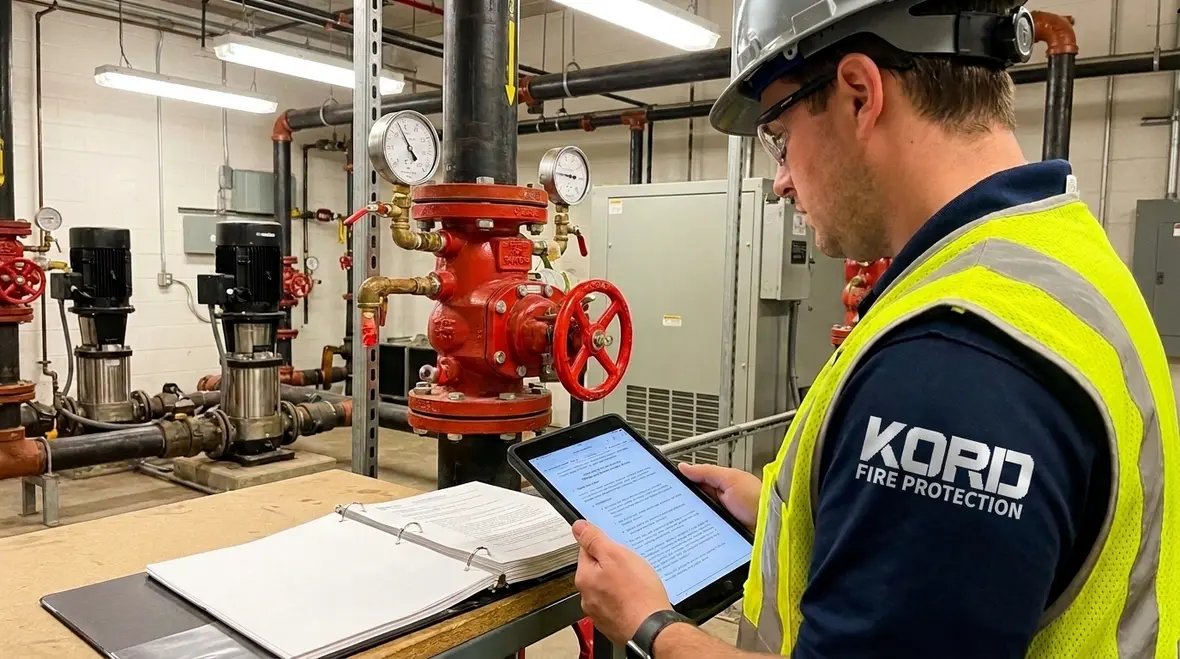
Consider a commercial building where the sprinkler layout includes system components that require verification of supervisory status, device accessibility, and correct labeling. During NFPA 25C inspection planning, Section 2.4 helps maintenance teams identify which mandatory extracts referenced sections they must apply to validate that the installed system remains within the required condition. When the maintenance plan is aligned to installation intent, it reduces corrective work during authority having jurisdiction visits and improves audit readiness.
What compliance teams must do differently because of Section 2.4
Section 2.4 influences how maintenance programs get built, reviewed, and documented. Instead of using general maintenance language as a substitute for exact referenced requirements, the facility maintenance owner and service contractor must confirm that each required action is tied to the applicable mandatory extract referenced section.
Maintenance program controls that hold up under scrutiny
Equipment inventory mapping: Each system and device type gets mapped to the applicable maintenance tasks, including valves, water flow devices, alarms, and other water-based components.
Referenced requirements tracking: Service procedures and checklists include the referenced mandatory sections relevant to the equipment present.
Record integrity: Inspection records document results, conditions found, corrective actions taken, and verification of restored operation where impairment rules apply.
Change management: Renovations, tenant fit outs, and system modifications trigger plan updates so the correct mandatory extracts referenced sections remain in force.
Because water-based systems operate as a coordinated set, omissions in one area can undermine the validity of the entire inspection program. Kord Fire Protection supports this by building facility specific maintenance breakdowns rather than generic schedules.
Related reading: NFPA 25 overview and water-based fire protection systems maintenance breakdown.
Where projects get complicated: jurisdictional and installation interpretations
Even when teams follow NFPA 25C correctly, commercial facilities can still encounter compliance friction due to adoption differences, local amendments, and installation interpretation. This is especially true when sprinkler systems are installed or maintained under regionally influenced fire codes, including California-adjacent adoption practices.
Kord Fire Protection often helps clients address the practical reality that compliance success depends on matching NFPA references to what the jurisdiction expects to see in field conditions and paperwork.
See also: Fire sprinkler code overview for California explained.
Common field issues tied to referenced requirements
Outdated documentation: Facilities rely on older records that do not reflect the current installation or the referenced mandatory text expected today.
Device accessibility changes: Tenant improvements block access or alter the environment around valves and devices, making referenced inspections difficult or incomplete.
Water supply verification challenges: Supply conditions can change over time, but maintenance plans sometimes fail to update verification methods accordingly.
Frequently Asked Questions
Get Section 2.4 aligned before the next inspection
NFPA 25C compliance fails most often due to mismatched references, incomplete documentation, and maintenance plans that do not reflect installed conditions. Kord Fire Protection supports commercial facilities with inspection and testing programs that map the applicable mandatory extracts referenced sections to real equipment, then verifies corrective actions and record completeness. Contact Kord Fire Protection to review the facility’s water-based systems and build a compliant, audit-ready maintenance approach.
Optional resource partners: kordfire.com.au, kordelectric.com, and firepumps.org.

Join Our Newsletter!
Get the latest fire safety tips delivered straight to your inbox From our Newsletter.