NFPA 25C Chapter 3: Essential Definitions for Fire Protection Professionals
Quick Answer: NFPA 25C Chapter 3 establishes the terminology that governs inspection, testing, and maintenance decision making for water based and related fire protection systems. Clear definitions reduce compliance ambiguity, improve documentation, and help facilities avoid missed acceptance criteria, improper maintenance tasks, and recurring performance failures.
For a practical big picture look at how these definitions connect to real world service work, see full lifecycle fire protection servicing. It fits naturally here because Chapter 3 terms are what keep each stage from turning into a guessing game with paperwork.
Why Chapter 3 definitions matter in real inspections
NFPA 25C Chapter 3 definitions fire protection terminology is not “academic.” In commercial facilities, the operational meaning of each term drives what a technician must inspect, how a test must be performed, and what records must be produced. When the definitions are misread, maintenance teams often complete the wrong task, at the wrong frequency, or using the wrong acceptance threshold. That can lead to delayed corrective actions, repeat failures, and audit exposure during insurance or authority having jurisdiction (AHJ) reviews.
For facilities that operate 24/7, the cost of confusion is more than paperwork. Incorrect interpretation can cause unnecessary downtime for pumps, valves, water supply testing, or system trim. It can also hide safety critical issues, such as out of calibration test gauges, obstructed flow paths, or non functional supervisory circuits.
How NFPA 25C Chapter 3 definitions shape maintenance scope
Chapter 3 definitions form the language layer that connects system components to inspection and testing requirements. A maintenance provider does not “pick” tasks randomly. Instead, the scope of work is mapped to defined system elements, operating states, and performance indicators. When a term is defined clearly, technicians can align field observations with the intent of the standard.
In practice, these definitions typically influence categories such as:
- System component identification: Technicians know whether an item is treated as a valve, a connection, a device, or a system control element.
- Operational status interpretation: Staff can verify whether equipment is in the correct supervised condition for normal service.
- Test method selection: Definitions help confirm which testing approach applies and how results must be recorded.
- Corrective action triggers: Facility teams can distinguish minor conditions from inspection failures requiring immediate remediation.
Because commercial systems often extend across multiple zones and building levels, definition based scope prevents gaps. It also supports consistent procedures between shifts and contractors, which matters for retail chains, industrial plants, and multi tenant offices.
Key fire protection terminology that drives day to day work
Technicians and supervisors use NFPA 25C definitions to standardize decisions during inspections and maintenance breakdowns. The following examples show how definitions typically translate into operational clarity. Facility teams should confirm the exact wording used in their adopted edition of NFPA 25C, then align internal SOPs to match.
“Inspection,” “testing,” and “maintenance” as separate actions
In commercial environments, these are frequently confused, especially during fast turnarounds. Chapter 3 definitions separate what “inspection” means from what “testing” requires. Inspection usually focuses on verification of condition and evidence of correct installation and apparent operation. Testing usually requires measured performance or functional operation to confirm operational readiness under defined criteria. Maintenance is then the corrective or preventive work that restores or maintains required performance.
Common failure point: teams document a functional check as “inspection” because it looks similar. During a compliance review, that mismatch can trigger rework, because the required acceptance process for testing was not completed.
“Supervision” and “supervisory” signals
Supervision concepts drive how personnel evaluate alarms and control status. For water based systems, supervisory conditions often indicate valve positions, controller states, or abnormal readiness that can prevent system performance when needed. Chapter 3 terminology helps prevent a dangerous assumption that a device “looks okay” while supervisory signals are actually inconsistent or intermittent.
Common failure point: supervisory circuits degrade due to corrosion, loose terminations, or water ingress. Without definition aligned interpretation, maintenance may skip signal verification or fail to validate the full signal pathway.
“Acceptance criteria” versus “observations”
Operationally, Chapter 3 definitions support the difference between recording what technicians see and confirming whether results meet the required thresholds. In many facilities, maintenance logs become cluttered with observations that do not link to acceptance or out of compliance results. Definition driven documentation improves audit readiness and speeds corrective action.
Common failure point: test gauge readings or switch operations are recorded without referencing whether they meet the defined condition. This forces repeat visits and extends downtime of critical protection functions.
Compliance challenges in commercial, industrial, and retail facilities
Chapter 3 definitions become especially important when multiple stakeholders interact: operations staff, facility management, insurers, and AHJs. In retail and industrial settings, systems often operate in harsh conditions such as dust, vibration, seasonal temperature swings, and high humidity. These factors increase the likelihood that field interpretations diverge from standard intent.
Scheduling conflicts and system downtime
Water based systems require coordinated access to valves, pump rooms, and control panels. Misinterpretation of defined terms can lead to improper sequencing. For example, technicians may perform a procedure that resembles inspection, but it requires a more controlled testing setup. That can extend downtime and disrupt tenant operations.
Documentation consistency across contractors
Multi site portfolios need consistent language. When internal staff or multiple vendors do not apply the same definitions, maintenance history becomes unreliable. Kord Fire Protection supports commercial compliance by aligning inspection records and testing notes to standardized procedures, which helps facilities maintain consistent evidence of ongoing readiness.
For broader context on how water based systems are installed and maintained, review this installation oriented overview: NFPA 13 overview and automatic fire sprinkler system installation. For maintenance breakdown and ongoing readiness considerations, see: NFPA 25 overview: complete water based fire protection systems maintenance breakdown.
Operational procedures that depend on Chapter 3 definitions
Even when technicians follow the field steps correctly, they can still fail compliance if the definitions are not reflected in the procedure. The goal is operational traceability: what was checked, what was tested, what result was achieved, and what maintenance action followed.
Valve and water flow path verification
In many commercial sites, supervisory valve positions change over time due to maintenance activities, renovations, or inadvertent handling. Chapter 3 terminology helps technicians treat these items correctly within the inspection and testing workflow. The correct interpretation ensures that valve position, tamper status, and readiness are verified in a way that supports system performance objectives.
Pump and controller readiness checks
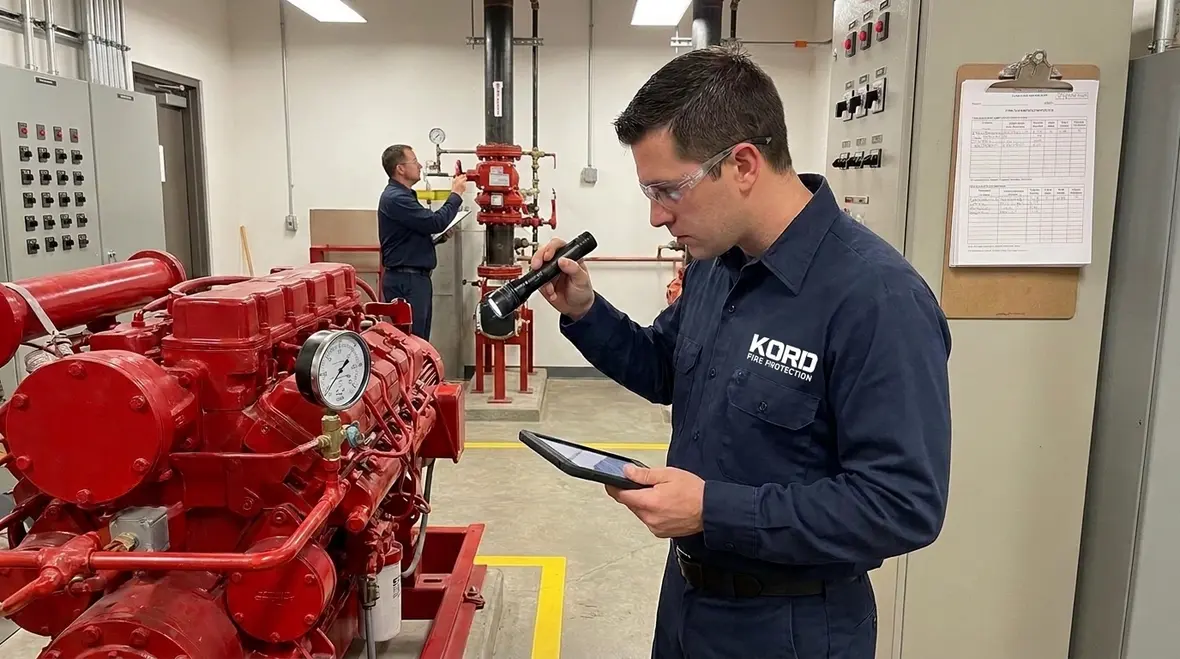
Fire pump systems and related controllers require precision because small deviations can impact startup time and pressure delivery. Definition aligned procedures ensure that technicians do not confuse status indication with true performance confirmation. Where controllers rely on supervised signals, technicians should validate signal integrity and operational states against defined criteria.
For design and operational background on fire pumps, consider support resources from: firepumps.org.
Recordkeeping that withstands scrutiny
When records do not reflect defined terminology, they become difficult to interpret during AHJ review or insurance surveys. Chapter 3 definitions support consistent reporting categories and helps prevent “incomplete test” narratives. That reduces the probability of repeat findings and helps streamline corrective actions.
Best practices to operationalize definitions without confusion
Facilities typically do not fail because they lack qualified people. They fail because definitions are not translated into repeatable maintenance actions. The following best practices reduce definition drift and strengthen compliance outcomes.
- Update site SOPs after edition changes: Adopt the exact edition referenced by the AHJ and confirm that internal procedures use matching terminology.
- Standardize field documentation templates: Use consistent headings for inspection, testing, and maintenance so the record matches the defined action type.
- Train across roles, not only technicians: Supervisors and facility managers should understand what defined terms mean to support scheduling, access, and approvals.
- Cross check acceptance criteria locally: Ensure internal calibration standards and measurement tolerances do not contradict defined acceptance processes.
- Perform verification after renovations: Tenant improvements and retrofit work can disturb supervisory circuits and valve trim status.
Where jurisdictions add local requirements, definition driven compliance still holds, but it may require additional field steps. For example, if California adoption practices apply to the facility, consult: fire sprinkler code California explained. Kord Fire Protection also supports commercial maintenance planning that accounts for local realities, not just the text of the standard.
Service continuity matters as well. For organizations that coordinate engineering and electrical or controls support alongside fire systems, Kord Electric can be part of the broader compliance environment: kordelectric.com. Kord Fire Protection availability varies by region, including kordfire.com.au for Australia based information and service context.
Frequently Asked Questions
Call to action
Ensure NFPA 25C Chapter 3 definitions fire protection terminology are reflected in site SOPs, inspection checklists, and test records. Kord Fire Protection helps commercial facilities keep water based systems inspection ready through disciplined testing, clear documentation, and responsive corrective maintenance. Schedule a compliance review today to confirm that your procedures, equipment condition, and maintenance history align with the standard’s defined intent and your local AHJ expectations.

Join Our Newsletter!
Get the latest fire safety tips delivered straight to your inbox From our Newsletter.