NFPA 25C Chapter 4: Complete Guide to General Requirements for Fire Protection
Quick Answer
NFPA 25C Chapter 4 sets the baseline rules for managing, inspecting, and maintaining water-based and related fire protection systems. It focuses on documentation, inspection frequency, system readiness, and correcting deficiencies. This guide explains how facilities keep compliance defensible and equipment reliable over time.
What Chapter 4 covers and why it matters for daily operations
NFPA 25C Chapter 4 general requirements fire protection systems describe the administrative and operational foundation that supports every inspection, testing activity, and maintenance task that follows in later chapters. For commercial, industrial, and retail facilities, these requirements determine how well the facility can prove “system readiness” to insurers, authorities having jurisdiction (AHJs), and internal risk owners.
In practice, the biggest compliance failures are rarely equipment issues alone. They are process issues: unclear responsibilities, incomplete records, missed impairment controls, and delayed corrective action. When Chapter 4 is applied consistently, it reduces recurring failures and improves the predictability of maintenance outcomes.
For a broader maintenance baseline, facilities can also review NFPA 25 overview: complete water-based fire protection systems maintenance breakdown to connect Chapter 4 requirements to the wider inspection, testing, and maintenance program.
1) Scope and how Chapter 4 connects to the rest of NFPA 25C
Chapter 4 general requirements fire protection systems operates as the “system management layer” across the standard. Facility teams apply it alongside more specific provisions for sprinkler systems, standpipe systems, fire pumps, water supplies, and other water-based components covered by NFPA 25C. That connection matters because Chapter 4 governs how work is controlled, recorded, and verified, even when later chapters specify component-by-component inspection methods.
For example, a facility may perform the correct visual check on a valve but still fail compliance if it does not document the condition, confirm the valve’s operational status, or follow the impairment and corrective action workflow. Chapter 4 is what ties those steps together into an auditable maintenance program.
2) How facilities should run inspections and maintenance under Chapter 4
Document control and record quality
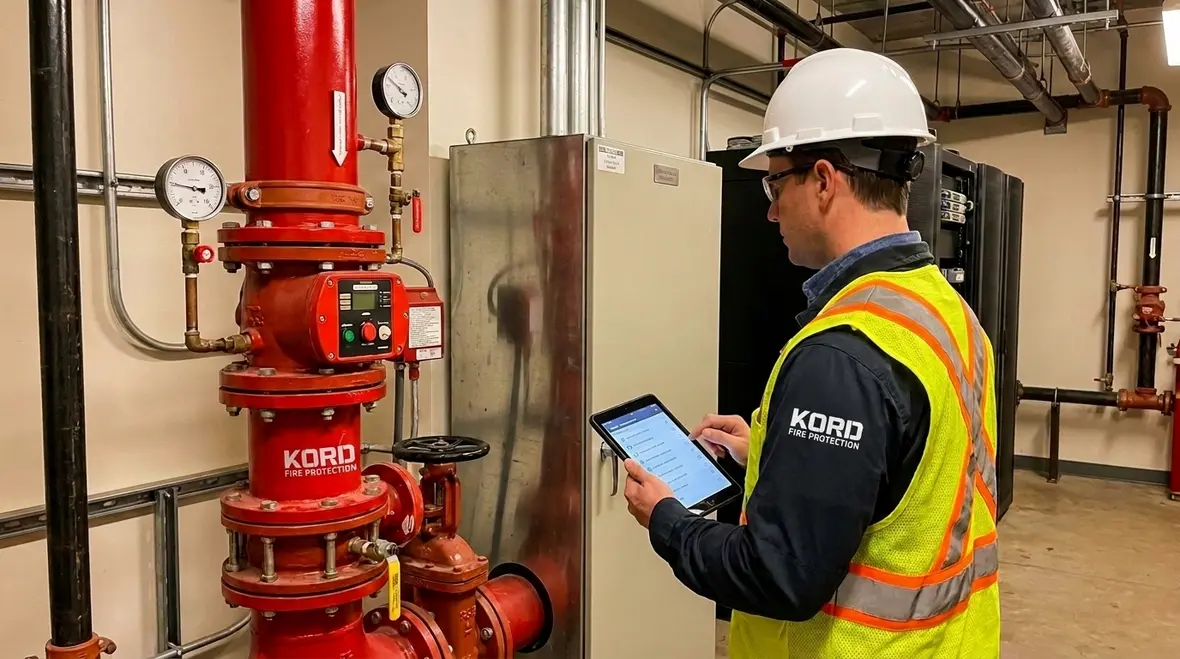
Chapter 4 emphasizes that inspection and maintenance results must be tracked so that trends, repeat defects, and corrective actions can be demonstrated. High-performing facilities treat records as part of life safety operations, not administrative paperwork.
- Use consistent identifiers for system sections, risers, valves, zones, and equipment locations.
- Record the “as found” condition, not just what was corrected.
- Link findings to corrective actions with dates, responsible parties, and verification steps.
- Preserve continuity across maintenance cycles so future technicians can see the history without guesswork.
When documentation is weak, even good field work becomes hard to defend. Kord Fire Protection supports commercial clients by aligning inspection checklists and reporting formats with ongoing maintenance breakdowns that match how facilities operate day to day.
Impairment management during maintenance
Facilities must avoid leaving fire protection systems in a compromised state without controls. Chapter 4 general requirements fire protection systems supports structured impairment handling so the facility can manage risk while work occurs.
- Before any impairment, identify the affected zone and define what “out of service” means operationally.
- Implement temporary safety measures and ensure stakeholders understand the impact on protection coverage.
- Confirm return to service only after verification steps are complete.
This is a frequent gap in retail and warehouse environments, where scheduled downtime may conflict with deliveries, tenant operations, or after-hours maintenance windows. A controlled impairment process protects both people and the maintenance schedule.
3) System readiness, deficiencies, and what “corrective action” really involves
Recognize common failure points early
Chapter 4 drives the requirement to address deficiencies in a way that maintains system reliability. Commercial facilities often encounter repeat issues that become chronic unless the maintenance program actively targets root causes.
- Valve issues: locked or obstructed valves, incomplete supervision, or poor accessibility.
- Water supply variability: changes in main pressure, hydrant flow, or underground conditions that affect performance.
- Physical damage and corrosion: problems exposed during visual rounds or overdue maintenance intervals.
- Unauthorized modifications: changes by contractors that unintentionally impact coverage or system components.
Correct, verify, and trend
Corrective action under Chapter 4 is not “fix and move on.” The facility must verify the remedy, update documentation, and look for patterns that suggest a systemic cause. Trend analysis reduces repeat failures and shortens the time equipment remains in a degraded state.
Kord Fire Protection positions this approach as a practical maintenance model for facilities that want fewer surprises at audit time. When maintenance breakdowns are tracked consistently, the organization can budget proactively and schedule work around operational needs.
For related system context, see:
4) Operational coordination: valves, access, supervision, and facility standards
Chapter 4 general requirements fire protection systems aligns field maintenance with real facility constraints. In commercial operations, access and coordination often matter as much as inspection technique.
Maintain access and visibility
- Keep access routes to control valves, alarm devices, and representative test points unobstructed.
- Ensure signage and labeling remain accurate for zone identification.
- Address obstructions that prevent safe inspection and verification.
In retail and multi tenant buildings, access can deteriorate after renovations. A maintenance program that includes post-construction walkdowns prevents “hidden” compliance gaps.
Coordinate with electrical and water system interfaces
Water-based systems often rely on interfaces with pumps, alarms, supervisory devices, and power supplies. Even when the main inspection scope sits in NFPA 25C chapters for water-based systems, Chapter 4 general requirements fire protection systems reinforces that readiness depends on the overall system configuration.
Facilities should align inspection windows with pump room availability, electrical panel labeling, and alarm verification testing plans.
5) Working with AHJs and using code guidance effectively
In many jurisdictions, NFPA adoption may be supplemented with local amendments. Chapter 4 provides the baseline method, but enforcement can vary. Commercial facilities should plan for documentation expectations, test witness requirements, and timelines for corrective action based on local policy.
For code background that supports smoother compliance conversations, use these resources:
- Fire sprinkler code California explained
- Electrical interfaces and related commercial safety expertise
Kord Fire Protection also supports facility teams that need a clear maintenance strategy across water based systems, with ongoing inspection, testing, and documentation that fit how commercial operations actually run.
Frequently Asked Questions
Stay compliant with a maintenance program built for real facilities
NFPA 25C Chapter 4 general requirements fire protection systems becomes straightforward when responsibilities, documentation, impairment controls, and corrective action verification run on a consistent workflow. Kord Fire Protection helps commercial facilities manage inspections and maintenance with defensible reporting and practical scheduling. Arrange a compliance review to map your current program to Chapter 4 expectations, identify record gaps, and build a repeatable maintenance plan that reduces risk and audit friction.

Join Our Newsletter!
Get the latest fire safety tips delivered straight to your inbox From our Newsletter.