
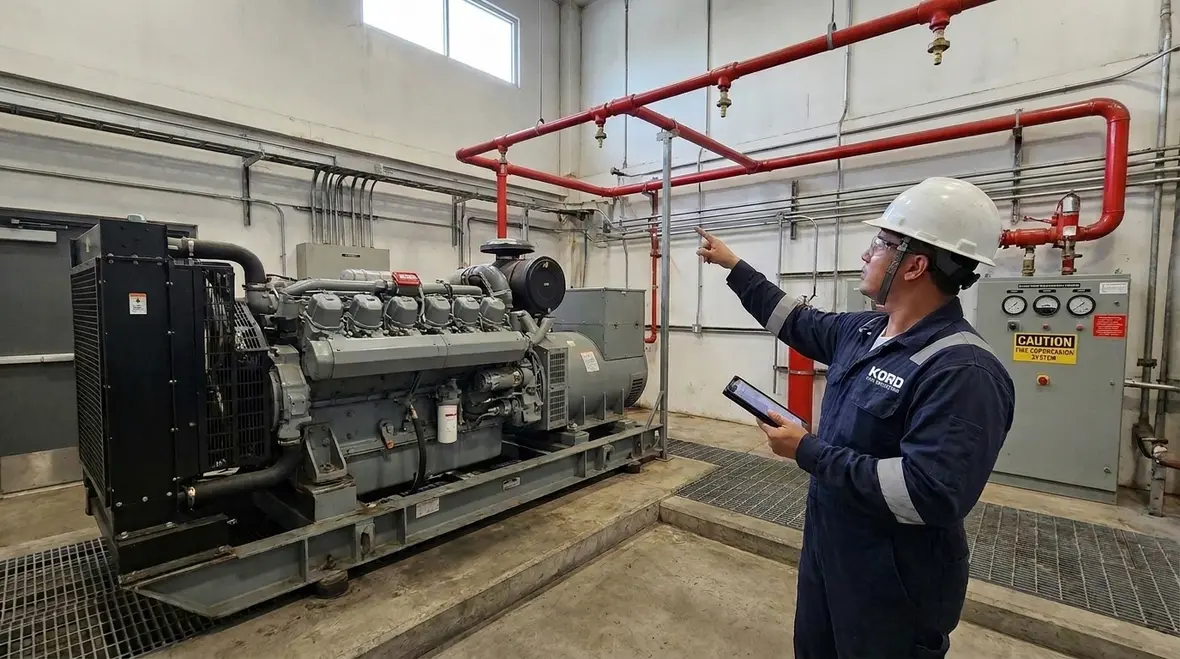
NFPA 37 Section 11.4: Fire Suppression Systems for Engine Installations
Quick Answer
NFPA 37 Section 11.4 establishes requirements for fire suppression systems protecting engine installations. It focuses on system suitability, installation arrangement, hazard coverage, activation principles, and ongoing inspection and maintenance to keep engine room protection reliable and code compliant.
For facilities reviewing protection strategies, fire suppression system services can provide a useful starting point before diving into the code details.
Why NFPA 37 Section 11.4 Matters for Engine Rooms
NFPA 37 fire suppression system requirements engine rooms are not “one size fits all.” Engine installations create unique ignition risks from fuel systems, electrical components, hot surfaces, and operating conditions that can change over time. Section 11.4 addresses these realities by requiring suppression systems that match the hazard and remain dependable through inspection and maintenance.
For commercial facilities such as industrial plants, retail support spaces, and service garages with generator or engine-driven equipment, the practical challenge is consistent compliance. Many systems look correct at acceptance but fail to remain effective due to poor inspection discipline, improper discharge maintenance, blocked nozzles, aging detection components, or incorrect operating documentation during tenant or equipment changes.
What NFPA 37 Section 11.4 Requires for Engine Installation Protection
NFPA 37 Section 11.4 centers on protecting engine installations with suppression systems that achieve three operational outcomes: correct hazard coverage, dependable activation, and continued readiness. Facilities typically need to evaluate both the engine room layout and the suppression method to confirm it can control a credible fire scenario without unacceptable gaps.
1) System suitability to the engine hazard
The system selected must be appropriate for the engine-related hazards present in the protected space. This includes considering fuel load characteristics, electrical risks, and any process conditions that could affect agent performance. Common compliance shortfalls include selecting equipment based on surface-level similarity rather than documented hazard analysis and layout review.
2) Coverage and discharge arrangement
NFPA 37 Section 11.4 expectations typically drive detailed review of where detection and discharge devices are placed relative to expected heat and smoke movement. In engine rooms, obstructions such as pipe racks, ventilation baffles, and equipment skirts can interfere with agent distribution. A robust design accounts for the real geometry, not an as-planned drawing only.
3) Reliable activation and control logic
Engine room systems must activate as intended under credible fire conditions. Code-aligned designs typically consider how detection initiates the system and how the system interfaces with related building functions. Facilities often encounter commissioning gaps where control panels are set up for acceptance tests but not validated against real operating conditions, such as ventilation states or maintenance modes.
How Engine Room Design Differences Affect Compliance
Even when two facilities both reference “engine room suppression,” their risk profiles may differ enough to affect acceptance and inspection outcomes. Commercial facility standards demand that the suppression system align with how the room actually behaves during an incident.
Ventilation, airflow, and smoke movement
Engine rooms often include supply and exhaust ventilation that changes with operating modes. Airflow can alter smoke stratification and delay detection or agent effectiveness. Practical compliance work involves confirming that any required control sequences and operating status logic support the fire event scenario described during the hazard review.
Fuel and liquid hazard features
Fuel handling equipment, spill potential, and drainage patterns influence how a fire could spread. Systems can fail when discharge placement does not address likely flame impingement points or when maintenance allows accumulation of debris near nozzles and detection devices.
Equipment changes after installation
Tenant fit outs, equipment swaps, and pipe rerouting can invalidate the original assumptions used to meet NFPA 37 fire suppression system requirements engine rooms. Any change that affects hazards, obstructions, ceiling spaces, or airflow pathways should trigger documentation review and, where warranted, re-acceptance testing.
Inspection, Testing, and Maintenance: Where Systems Commonly Fail
Code compliance depends on more than initial installation. For engine rooms, operational readiness drives results during actual incidents. Maintenance errors are among the most common causes of noncompliance during audits and insurance inspections.
Detection and actuation readiness
Detection components and associated wiring or control modules must be kept within manufacturer tolerances. Typical failure points include corroded terminations, unauthorized modifications to control logic, tampered supervisory switches, and sensor fouling due to dust or oil mist.
Agent storage and discharge integrity
Agent containers and pressure systems require periodic verification consistent with applicable procedures. Discharge components must remain clear and unobstructed. In real engine room environments, overspray, minor mechanical impacts, and accumulated soot can degrade performance even if the system appears visually “intact.”
Obstruction management
Engine rooms often see frequent housekeeping and maintenance work. However, even routine changes, like temporary storage near discharge outlets, can compromise coverage. A mature compliance program includes physical inspection walkthroughs timed to operational schedules, not only annual compliance windows.
Documentation and training discipline
Many facilities meet the letter of acceptance but fail the audit because documentation is incomplete. Maintaining operation and maintenance records, test reports, and updated diagrams supports continuity during staff turnover and equipment changes.
For ongoing compliance, Kord Fire Protection supports commercial owners with service planning that aligns inspection routines to the realities of engine room operations, including maintenance-friendly procedures that help keep systems in their intended state between visits. Teams working through recurring issues may also want to review common fire suppression deficiencies found during inspections for practical context.
Operational Procedures During Normal Use and Maintenance
NFPA 37 Section 11.4 protection does not stop when the building is running. Engine room procedures affect how the system responds and whether it remains coordinated with the facility.
Normal operating conditions
Facilities should ensure that system supervisory conditions and any ventilation or shutdown sequences operate correctly during normal modes. When building automation controls change, the suppression system control interfaces require verification.
Hot work and maintenance windows
During hot work, locks, tags, and controlled impairment practices must follow the facility’s fire safety protocol. Engine rooms often combine combustible loading, energized equipment, and ongoing ventilation that can complicate risk control. Code-compliant impairment management reduces the likelihood of inadvertent loss of protection.
After maintenance and “return to service” checks
Returning the system to service should include verification steps that confirm no temporary components remain installed, discharge paths remain clear, and control logic remains configured as designed. This is a common weak point after troubleshooting or parts replacement.
Compliance Support and Partnering With Kord Fire Protection
Engine room suppression compliance requires technical accuracy and operational follow-through. Facilities often struggle when drawings, field conditions, and maintenance practices drift out of alignment. Kord Fire Protection works with owners and facility teams to improve reliability through service planning, inspection and testing readiness, documentation support, and practical recommendations that address common failure points in engine installations.
If your team is preparing for inspection cycles, ownership transitions, or equipment upgrades, Kord Fire Protection can help verify that your suppression system remains aligned with NFPA 37 expectations over time. For related hazard-specific support, machinery fire system services may fit naturally into broader engine installation planning.
Frequently Asked Questions
Next Steps: Keep Engine Room Protection Audit Ready
Verify that your NFPA 37 fire suppression system for engine installations remains aligned with actual engine room layout, operating modes, and maintenance practices. Schedule a compliance-focused inspection and documentation review, then confirm control logic, discharge accessibility, and detection readiness. If you are planning equipment changes or preparing for a regulatory or insurer review, contact Kord Fire Protection to build a practical maintenance and testing plan that supports continuous code readiness.

Join Our Newsletter!
Get the latest fire safety tips delivered straight to your inbox From our Newsletter.



