
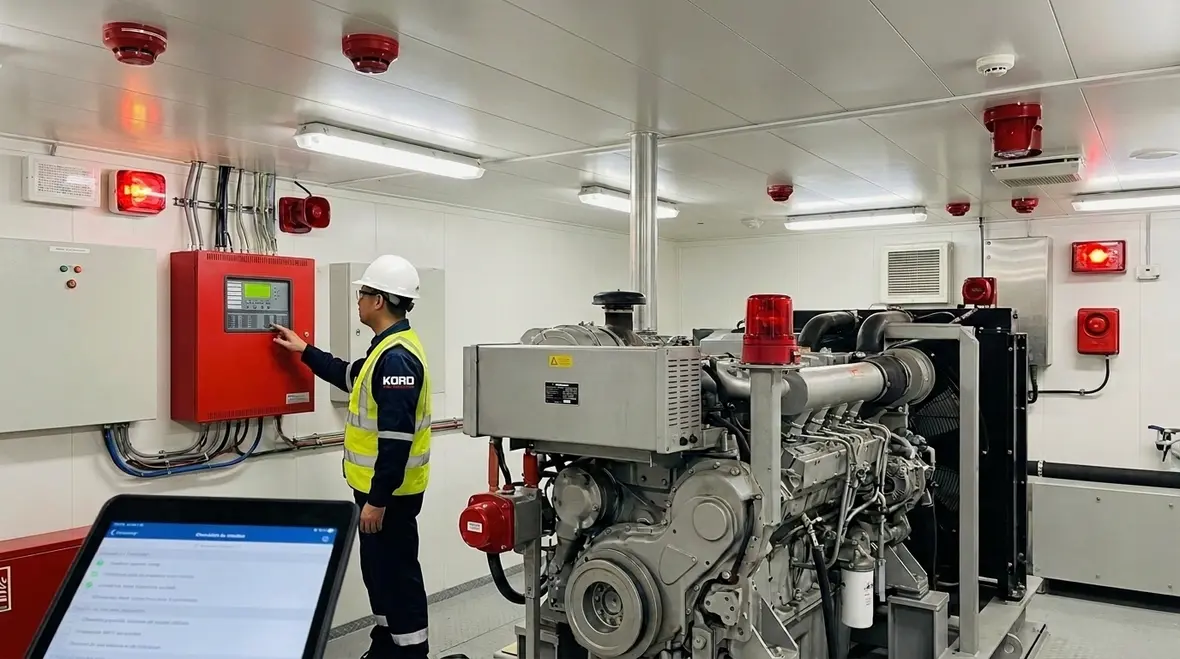
NFPA 37 Section 11.3: Fire Detection and Alarm Systems for Engines
Quick Answer: NFPA 37 Section 11.3 establishes minimum requirements for fire detection and alarm systems associated with engines. Engine installations must include suitable detection, annunciation, and operational controls, supported by maintenance practices that verify detection and alarm performance over time.
For facilities building a stronger service framework around this kind of equipment protection, commercial fire suppression systems and services can help connect inspection, testing, and maintenance into one compliance-minded program.
What NFPA 37 Section 11.3 means for engine installations
Commercial facility owners and engineering teams frequently approach engine fire detection as a “standard equipment” item. NFPA 37 Section 11.3 requires more discipline than that. It sets expectations for how detection functions, how alarms are communicated, and how the system stays reliable. In practice, NFPA 37 fire detection alarm requirements engine installations require coordination between fire protection designers, equipment manufacturers, and the facility’s inspection and maintenance team.
Because engine rooms and equipment spaces often include vibration, hot surfaces, and variable operating modes, compliance depends on selecting devices that can survive the environment while still providing dependable initiation and alarm signaling. It also depends on documenting testing procedures and maintaining device performance during normal business operations.
Detection system design expectations under Section 11.3
Section 11.3 focuses on the fire detection and alarm functions tied to engine protection. Facility teams typically must address three practical areas during design, installation, and commissioning:
- Proper detection coverage for likely fire growth and ignition sources within the engine space.
- Compatible alarm initiation and notification that produces clear, actionable indications to trained personnel.
- Operational control integration where required, ensuring alarms and actions align with site procedures.
Common compliance challenge: device selection versus real-world conditions
Engine spaces often include high ambient temperatures, rapid temperature swings, oil mist, and dust loading. Those conditions can degrade sensing performance or cause nuisance activations. Compliance failures usually start when “available” devices get substituted for devices that match the environment and hazard profile.
To reduce risk, many commercial operators validate detection device suitability during procurement and pre commissioning by reviewing manufacturer environmental ratings and by verifying that the installed mounting and spacing follows both the code intent and listing requirements.
Common failure point: inadequate commissioning and verification
Even when the correct detection devices are selected, commissioning lapses can undermine compliance. Field wiring errors, incorrect alarm zone mapping, and failure to verify initiation and notification circuits represent frequent inspection findings. The most effective programs include functional verification of alarm initiation pathways, not just a pass or fail reading of detector sensitivity.
Alarm notification, annunciation, and response readiness
NFPA 37 Section 11.3 requires that alarm signaling supports prompt response. For many facilities, this means more than sounding an audible device. Alarm presentation must be understandable to staff who may not work in the equipment space daily.
Commercial and industrial operators typically implement the following practices to support real response:
- Clear alarm annunciation that indicates the affected engine space or detection area.
- Consistent signaling across the facility so responders recognize the alarm as an emergency action trigger.
- Documented operating procedures linked to local safety roles, including who acknowledges, who investigates, and who escalates.
Retail and commercial facilities: align alarms with staff training
In retail and mixed use facilities, the engine space may not be staffed. This creates a response gap if alarm signaling does not align with trained procedures and escalation paths. The result can be delayed investigation, incomplete logging, and delayed suppression or shutdown actions.
Compliance programs should connect alarm annunciation to training frequency, drill schedules, and accountability records. Kord Fire Protection commonly supports facilities with ongoing program structure for testing and maintenance so alarm performance and documentation remain current. For a related read, How Routine Maintenance Extends Fire Detection Life is a useful companion piece.
Inspection, testing, and maintenance practices that sustain compliance
NFPA 37 fire detection and alarm requirements engine installations are only as strong as the maintenance program supporting them. Engine spaces are dynamic, and components experience wear from heat cycles and vibration. Over time, detectors can drift, wiring terminations can loosen, and notification appliances can fail.
Operational realities that drive maintenance needs
- Hot standby and frequent cycling can expose detectors to thermal stress.
- Oil vapor and residues can affect sensor surfaces and cause false conditions.
- Field changes such as equipment moves and temporary construction can alter coverage and wiring integrity.
What “good” looks like during field inspections
A strong compliance posture includes:
- Scheduled inspection and functional testing that verifies alarm initiation and notification performance.
- Condition checks and cleaning procedures where allowed by the manufacturer and listing.
- Recordkeeping that tracks test results, corrective actions, and follow up verification.
Kord Fire Protection helps commercial facilities maintain evidence of testing and corrective action, supports troubleshooting for intermittent or nuisance alarm patterns, and assists with updating maintenance procedures when operational changes affect engine room conditions.
Design documentation, zone mapping, and recordkeeping
Engine fire detection systems often face scrutiny during inspections because documentation influences how quickly a facility can validate performance. NFPA 37 Section 11.3 compliance work usually extends beyond the hardware into how the system is documented and managed.
Key documents facilities should keep current
- As-built drawings and wiring diagrams for detection and alarm circuits.
- Device inventory with detector type, serial numbers, locations, and replacement intervals.
- Alarm zone map tied to facility procedures and annunciation layout.
- Testing and maintenance records that show functional verification outcomes.
When internal changes create compliance risk
Renovations, HVAC modifications, and equipment swaps can inadvertently alter detection performance. Even a modest change in airflow patterns or obstruction placement can reduce detection effectiveness. Maintaining current documentation and conducting targeted post change verification reduces the likelihood of nonconformance during future reviews.
Partnering with Kord Fire Protection for ongoing compliance
Many commercial operators want a clear, repeatable path to compliance for NFPA 37 fire detection alarm requirements engine installations. The path typically includes proper design review support, commissioning verification, and disciplined recurring testing. It also includes prompt correction of impairment findings so systems return to verified performance.
To streamline that process, teams often rely on specialized commercial fire protection services. For additional guidance on commercial inspection and maintenance program structure, visit Kord Fire Protection and review their service resources for testing, maintenance support, and documentation assistance.
Frequently Asked Questions
Call to action
For facilities managing engine rooms, compliance succeeds when detection, annunciation, and maintenance align with NFPA 37 expectations. Kord Fire Protection can support functional testing, documentation readiness, and corrective action tracking so your NFPA 37 fire detection alarm requirements engine installations stay verified. Contact Kord Fire Protection today to schedule an assessment and build a practical maintenance plan your team can sustain.

Join Our Newsletter!
Get the latest fire safety tips delivered straight to your inbox From our Newsletter.



