
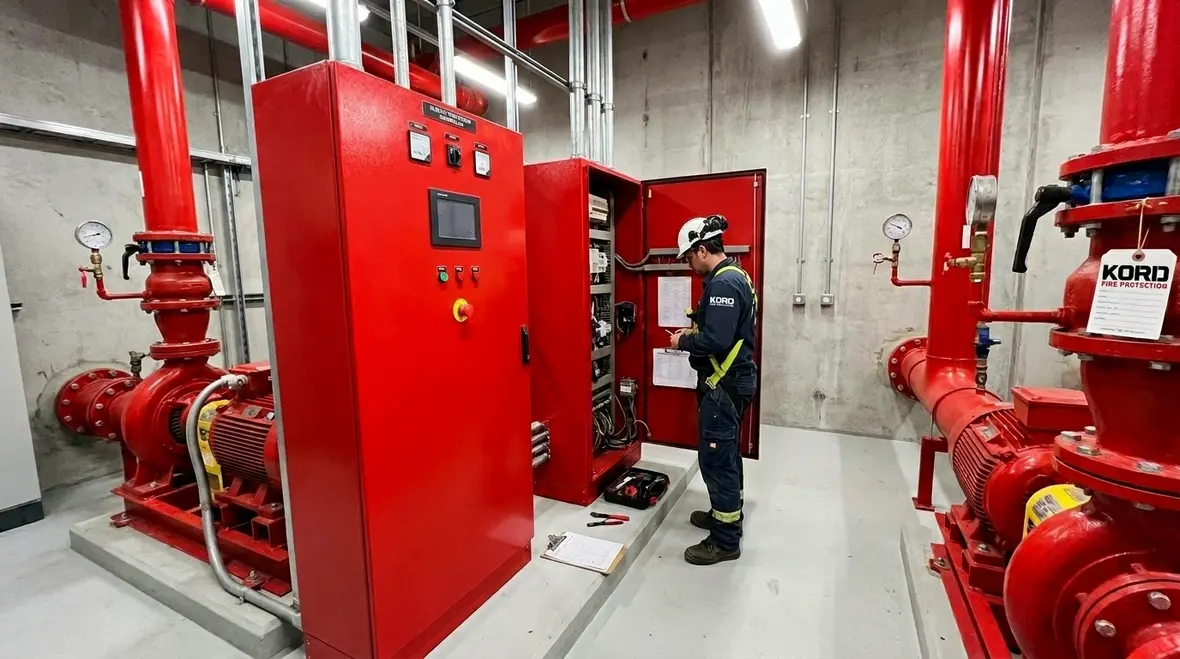
NFPA 20 Chapter 10 Electric Fire Pump Controller Requirements
Quick Answer: NFPA 20 Chapter 10 sets rules for electric fire pump controllers and accessories, so systems start fast, run safely, and stay reliable. In Australia’s industrial, retail, and commercial sites, Kord Fire Protection helps facilities meet the requirements, troubleshoot issues, and keep controllers ready when seconds matter.
In the first stretch of any inspection, teams often check whether the electric fire pump controller requirements have been met. They look for power control, correct supervision, safe protection, and the ability to start and transfer duties without drama. And yes, that last part matters, because a controller that behaves like a temperamental sitcom character can cost real time.
In this article, Kord Fire Protection breaks down NFPA 20 Chapter 10, Chapter 10 controller expectations, and the accessories that round out a dependable electric fire pump control system. Then it connects that knowledge to practical compliance work across industrial, retail, and commercial facilities in Australia.
Facilities that want practical support beyond theory can also explore fire pump power supply reliability services, especially when controller performance depends on stable incoming power and predictable coordination.
What NFPA 20 Chapter 10 covers for electric pump systems
NFPA 20 Chapter 10 focuses on the design and performance of electric fire pump controllers and the accessories that support them. In practice, this chapter does not just say “install a box.” It drives the behavior of the controller during normal operation, start sequences, shutdown conditions, and abnormal faults.
So, rather than treating the controller as an afterthought, facilities should treat it like the pump’s mission control. When power comes from the system as intended, the controller starts the pump, monitors key conditions, and keeps status information available for inspection and service. In other words, it coordinates actions so the pump does not have to guess.
Why this chapter matters in the real world
That matters because commercial and industrial operators do not just need a controller that appears compliant on paper. They need one that behaves correctly during commissioning, responds consistently during inspections, and keeps its logic together when the building asks for water now, not later. It is one thing to own a controller. It is another thing entirely to trust it.
How the controller must respond during starting and normal operation
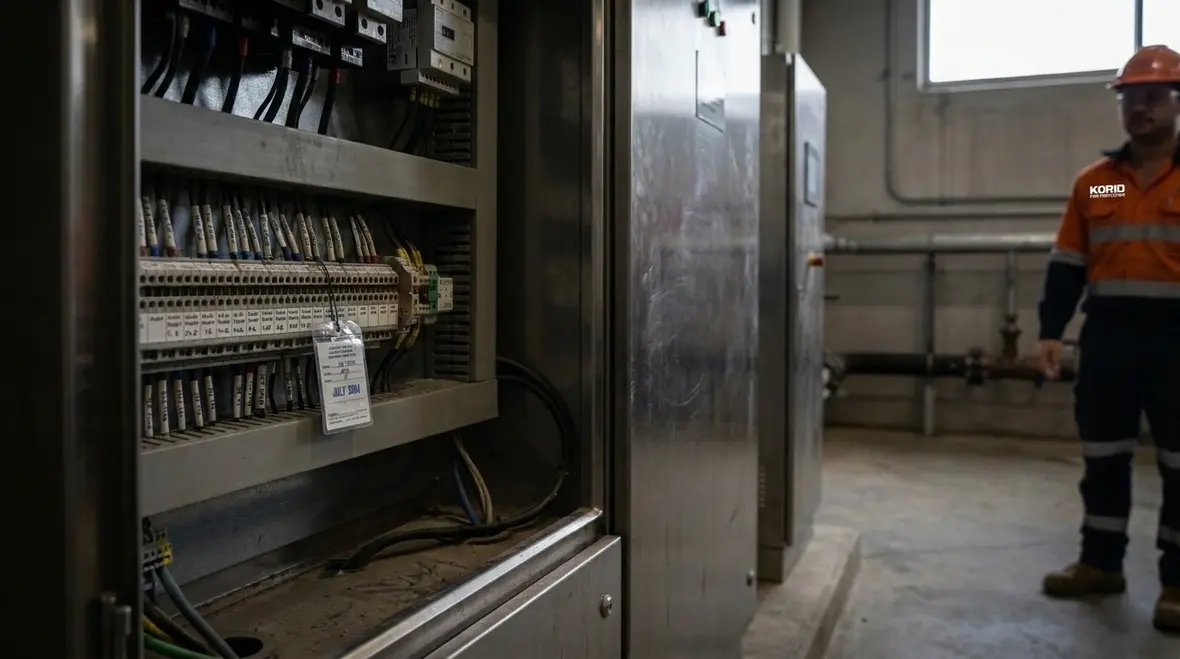
Electric fire pump controllers must manage start-up logic that remains consistent under stress. First, they handle the start command, then they manage protective functions while the pump reaches operating speed. Next, they supervise running conditions, because supervision helps catch issues before they turn into emergencies.
Additionally, the controller should maintain correct circuit behavior so that it does not confuse maintenance scenarios with fire scenarios. That distinction matters for commercial and retail sites, where testing happens regularly and operations cannot stop every time someone wants to verify readiness.
Facilities also benefit when the controller design supports orderly fault handling. For example, a fault should trigger the right indication and protective state, not random behavior. Kord Fire Protection often helps teams align controller behavior with site testing methods so crews can confirm readiness without wrestling the system like it is a stubborn arcade machine.
Consistency beats drama every time
The best controller behavior is boring in the most flattering way possible. It starts when it should, indicates what happened, and gives technicians a clean trail to follow. That is exactly what inspectors and facility managers want to see, because reliable logic shortens troubleshooting and reduces the chance of small electrical quirks becoming expensive compliance headaches.
Required supervision, alarm outputs, and monitoring
Chapter 10 expects controllers to provide supervision and the right signals for alarm and monitoring. This includes signals that communicate pump and controller status to the appropriate panels, alarms, or supervisory systems. When supervision operates correctly, facility teams can see what the system sees, which reduces downtime during problem solving.
Just as important, monitoring should support verification during scheduled inspections. That means status feedback should remain clear and consistent. If a controller reports a condition that cannot be traced, technicians waste time. And nobody enjoys spending an afternoon chasing a mystery light while the real job waits.
For multi-tenant buildings, retail precincts, and industrial sites across Australia, clear supervision also supports coordination between contractors, site engineers, and fire safety teams. Kord Fire Protection helps ensure that the monitoring approach aligns with the site’s operational reality, so alarms lead to action instead of confusion.
For related reading, Kord Fire Protection’s guide on why electric fire pump controllers fail adds useful context around how poor visibility and neglected maintenance can snowball into larger controller issues.
Accessories that strengthen performance and simplify service
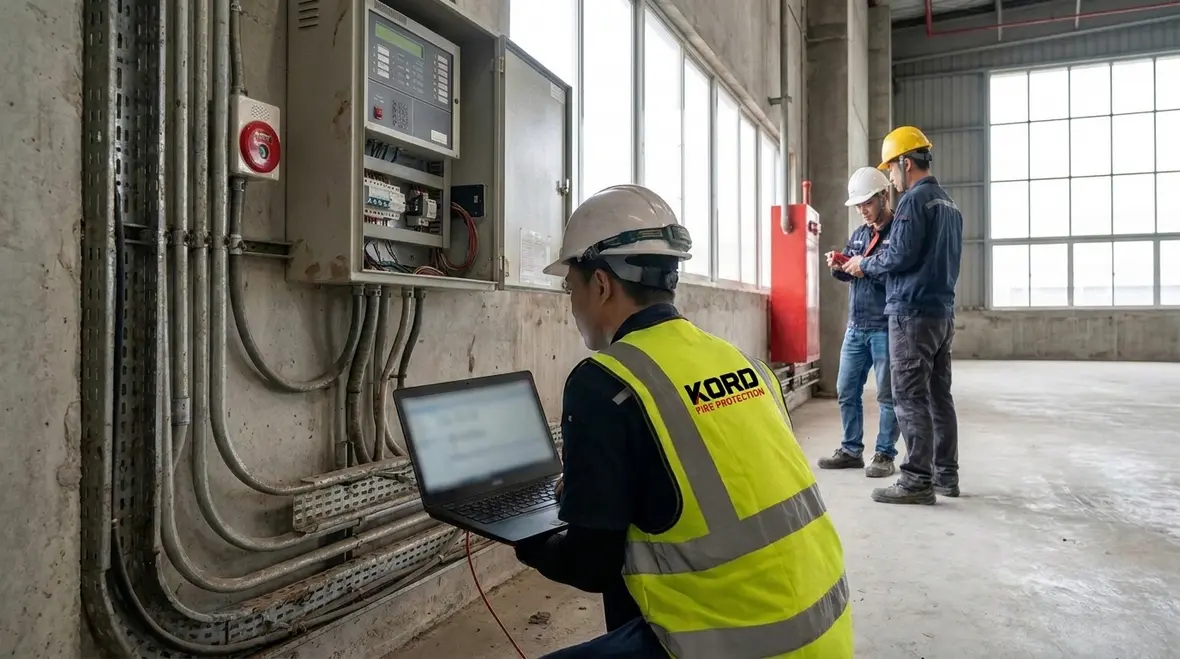
NFPA 20 Chapter 10 does not stop at the controller enclosure. It also covers accessories that influence safety, reliability, and testability. These accessories can include items that support starting sequences, provide protection, manage power behavior, and support indications that technicians rely on during service.
In the field, accessory choices often determine how quickly a problem gets solved. If accessories use reliable components and provide straightforward access for service, crews spend less time on labor and more time on verification. That matters across facilities where downtime affects operations, customer flow, and production schedules.
Kord Fire Protection commonly evaluates controller and accessory fit for the exact pump application. As a result, teams avoid mismatches that can lead to nuisance trips, inconsistent signals, or long troubleshooting cycles. Think of it as choosing the right parts before the system ever has to act. It keeps compliance work from turning into a comedy routine with no punchline.
Serviceability is part of reliability
A controller can have every required component and still become a nuisance if it is awkward to test, difficult to inspect, or unclear to document. Good accessory selection supports future maintenance, not just first-day installation. That is why practical service access matters almost as much as the components themselves.
Electrical coordination for compliance and reliability
Compliance also depends on electrical coordination. The controller interacts with the power supply, protective devices, and electrical distribution. Therefore, teams should review how incoming power behavior, protective settings, and device ratings affect controller performance during starting.
During commissioning and inspections, coordination issues can appear as start failures, unstable behavior, or improper supervision responses. And since fire pumps do not run like normal pumps, the controller must behave predictably when the system demands it.
To help prevent surprises, Kord Fire Protection approaches controller integration with a practical mindset. They align documentation, testing expectations, and electrical setup so the system performs as designed, not as guessed. For industrial, retail, and commercial operators, this helps keep compliance steady and support costs lower over time.
Readers who want a deeper design-side explanation can also review essential fire pump electrical requirements and design, which pairs naturally with Chapter 10 discussions around controller performance and power behavior.
Commissioning, testing, and keeping controllers ready
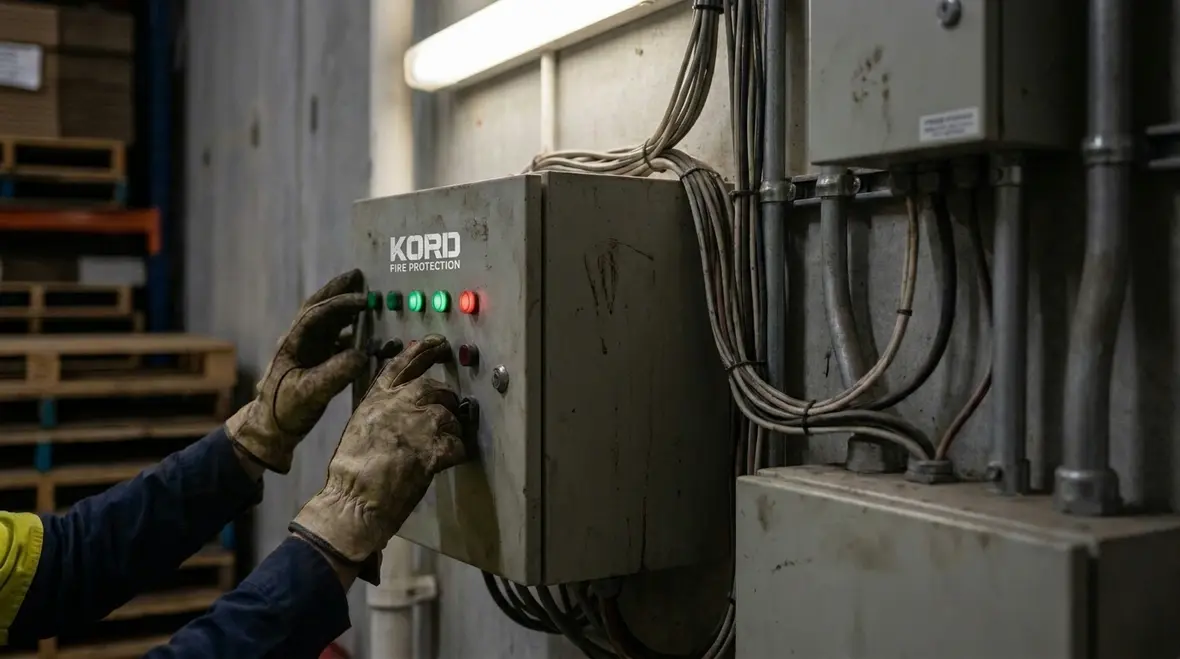
Once the controller system exists, the next step is proving it works. Commissioning should confirm start logic, supervisory functions, alarm outputs, and correct accessory behavior under test conditions. However, teams should not just “check the box.” They should confirm that the controller responds the same way every time.
Then ongoing testing and maintenance must keep the system reliable. Dust, vibration, corrosion risk, and component aging can all affect controller performance. Therefore, facilities benefit when maintenance plans include inspections of indicators, verification of monitoring, and review of any fault history.
Kord Fire Protection can become a vital partner here. They help facilities maintain the service rhythm that keeps systems ready, reduces repeat callouts, and supports audit readiness. In a world where many things “work until they do not,” a strong controller maintenance program helps keep fire pump systems from becoming that one rumor nobody wanted to test.
Readiness is not a one-time achievement
A successful commissioning day is important, but it is not the finish line. Real reliability comes from repeatable testing, clean records, sensible maintenance intervals, and quick follow-up when status changes appear. In other words, the controller has to stay sharp long after the ribbon-cutting moment is over.
How Kord Fire Protection supports NFPA 20 Chapter 10 implementation
When teams implement or upgrade electric fire pump controllers, compliance success depends on both correct design and correct execution. Kord Fire Protection supports facilities across Australia by helping coordinate controller expectations with site needs. That means better planning before installation, practical guidance during commissioning, and structured support for ongoing service.
In addition, Kord Fire Protection helps translate NFPA 20 Chapter 10 topics into real-world actions for technicians, engineers, and facility managers. As a result, teams can manage documentation, streamline troubleshooting, and maintain supervision and alarm integrity.
Ultimately, this partnership supports safer operations and smoother inspection outcomes for industrial, retail, and commercial assets. And it helps the controller stay calm when the rest of the building gets loud.
If your team is also reviewing pump setup rules more broadly, this companion resource on how NFPA 20 regulates fire pump systems helps connect controller requirements to the larger fire pump compliance picture.
FAQ
Conclusion
NFPA 20 Chapter 10 sets the standard for dependable electric fire pump controllers and accessories, and real compliance comes from consistent start behavior, clear supervision, and dependable monitoring. Kord Fire Protection helps industrial, retail, and commercial sites across Australia implement, commission, and maintain these systems so they stay ready when it matters.
Contact Kord Fire Protection to review your controller setup and maintenance plan today. A practical review now can reduce troubleshooting time later, support smoother inspections, and help your fire pump controller act like dependable life safety equipment instead of the office wildcard.

Join Our Newsletter!
Get the latest fire safety tips delivered straight to your inbox From our Newsletter.



