
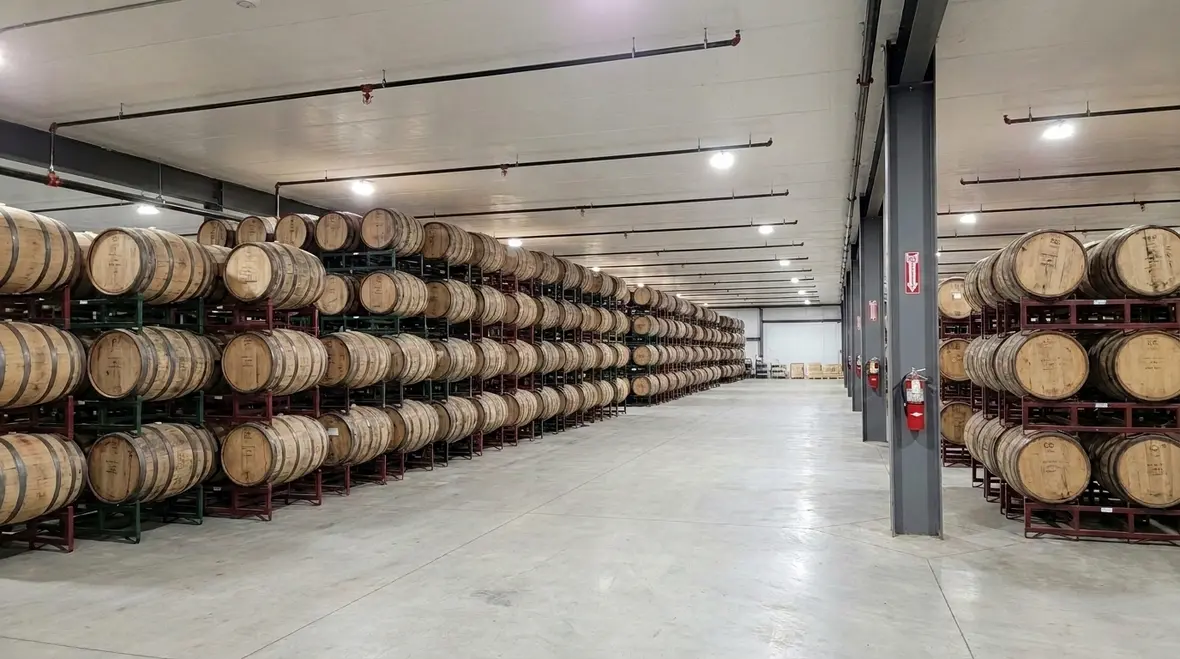
NFPA 30 Section 16.10: Protecting Distilled Spirits in Wooden Barrels
Quick Answer
NFPA 30 Section 16.10 addresses how facilities reduce fire risk when handling distilled spirits stored in wooden barrels. It focuses on protecting storage areas through appropriate separation, control measures, and inspection-ready practices that support safe operation, maintenance, and emergency readiness.
Why NFPA 30 Section 16.10 matters for spirits wooden barrel protection
Facilities storing distilled spirits in wooden barrels must manage a difficult combination: alcohol vapor hazard, fuel load from packaging and structure, and real world variables like barrel condition, leaks, and operational traffic. NFPA 30 Section 16.10 spirits wooden barrel protection requirements create a compliance framework for reducing ignition probability and limiting fire spread, while supporting reliable inspections and ongoing maintenance across commercial, industrial, and retail environments.
For broader context on flammable liquid regulation and how NFPA 30 approaches hazardous operations, see how NFPA 30 regulates flammable liquids.
If you are also tightening inspection routines around this kind of risk, Kord’s inspection, testing, and maintenance services fit naturally into a stronger compliance program.
What Section 16.10 typically requires in barrel storage operations
While exact details can vary by facility layout, storage quantity, and classification, Section 16.10 expectations generally concentrate on operational controls that keep alcohol vapors from reaching ignition sources and keep wooden storage arrangements from accelerating incident growth. From an implementation standpoint, facilities usually need to demonstrate the following compliance outcomes:
1) Storage configuration that limits fire spread
Commercial sites commonly store barrels in racks, tight arrays, or warehouse rows. Section 16.10 emphasizes arrangements that reduce the likelihood of a small ignition becoming a large involved fire. Practical application includes maintaining required clearances, preventing blocked egress routes, and avoiding configurations that force heat and flame impingement across multiple barrel stacks.
Common failure point: Overpacking storage during peak production or seasonal demand results in reduced separation and blocked pathways. Even when installed fire protection systems remain functional, blocked access and increased fuel density can defeat their effectiveness.
2) Controls for leaks, spills, and barrel integrity
Wooden barrels can degrade over time. Tightness issues, compromised bung seals, cracked staves, and damaged hoops increase the probability of leaks and vapor release. For effective spirits wooden barrel protection, the facility must treat barrel integrity as a primary fire prevention control, not a post incident cleanup issue.
- Use documented barrel receiving and inspection procedures.
- Implement a leak response workflow that prevents ignition source exposure and rapidly isolates affected inventory.
- Maintain clear housekeeping standards for residues and spilled product around storage bays.
Common failure point: Staff visually checks for wetness but does not measure or verify vapor or seep indicators, or the response plan allows product relocation to proceed without isolating ignition hazards.
3) Compatible ignition source management in storage and handling
Even when the barrel contents are not actively leaking, vapor accumulation can occur near storage areas. Facilities must manage ignition sources such as electrical hazards, hot surfaces, smoking, maintenance activities, and uncontrolled sparks from tools and material handling equipment.
Operational controls that support compliance:
- Use equipment and wiring appropriate for the hazardous environment classification applicable to the storage area.
- Implement hot work permits, including ventilation and fire watch where required by site policy.
- Control vehicle and forklift ignition risks, including maintenance schedules and fuel handling practices.
How to implement effective fire protection controls for wooden barrel storage
NFPA 30 Section 16.10 spirits wooden barrel protection is not only about having hardware. It requires operational readiness and maintainable systems. The best practice approach connects design, installation, testing, and daily behavior into one auditable program.
Fire protection and detection strategies that facilities can verify
Typical commercial approaches include fire detection suited to the specific risk profile, emergency response planning, and fire control measures that do not introduce additional hazards. Facilities should verify compatibility with flammable liquid scenarios and barrel storage geometry.
Verification points during commissioning and periodic compliance checks:
- Detection coverage aligns with rack and barrel arrangement, including end aisle locations.
- Alarm pathways are unobstructed and annunciation is visible and actionable to staff.
- Interlocks, shutdowns, and isolation functions work as intended during testing.
- Maintenance access supports inspection without requiring personnel to enter hazardous zones unsafely.
Access, egress, and firefighting interface
Wooden barrel storage increases the operational demand on emergency access. Firefighters rely on clear attack paths and safe staging. NFPA 30 aligned storage controls support fire department effectiveness through:
- Clear aisle widths and unobstructed egress routes.
- Marking and layout documentation that maps hazard areas and storage limits.
- Defined hydrant and hose reach points where applicable.
Common failure point: Pallets, empty barrel stacks, and maintenance materials accumulate near exits. This issue can remain unnoticed until inspections or drills, when evacuation time and firefighting access become compromised.
Inspection, testing, and maintenance: the compliance heartbeat
Section 16.10 outcomes depend on ongoing verification. Facilities should build a maintenance rhythm that ties barrel condition management to life safety system performance. Kord Fire Protection supports many sites by translating NFPA expectations into practical, evidence based service schedules and inspection programs.
What inspections should cover in spirits wooden barrel protection programs
- Barrel integrity checks: seal condition, signs of leakage, stave or hoop damage, and documentation of removals and quarantines.
- Storage arrangement audits: confirmation of clearances, rack stability, and unobstructed pathways.
- Housekeeping verification: spill control readiness and removal of combustible residues near storage bays.
- Ignition source controls: electrical inspections, hot work controls, and equipment maintenance records.
Maintenance records that withstand scrutiny
Auditors and regulators expect traceable documentation. Facilities should maintain service records for relevant life safety systems and show that operational changes do not undermine compliance. Kord Fire Protection helps commercial operators keep evidence aligned with inspection requirements through scheduled testing, on site verification, and corrective action tracking.
Commercial compliance challenges for warehouses, retail outlets, and industrial sites
Spirits storage is not uniform. A distillery warehouse, a bonded storage facility, and a retail back of house area can share the same product, but differ in layout constraints, staffing patterns, and risk controls.
Retail and back of house storage
Retail environments often store barrels for promotions, seasonal demand, or sampling workflows. The primary challenge is inconsistent supervision and ad hoc storage movement that can reduce clearances and introduce ignition hazards. A disciplined spirits wooden barrel protection process includes staff training, constrained storage locations, and strict controls on where inventory can be staged.
Industrial warehouses and high throughput operations
Industrial storage areas experience frequent material handling. Even when engineering controls exist, day to day activity can create failure modes: damaged barrels from forklifts, blocked aisles, and delayed leak response. Compliance requires that operational procedures include “barrel handling safety” and “spill escalation” steps that align with fire risk reduction.
Maintenance shutdowns and hot work
During planned maintenance, facilities sometimes increase ignition source exposure. Hot work permits, temporary fire watches, and verified ventilation and isolation procedures reduce the chance that maintenance activity triggers an incident in a spirits storage environment.
How Kord Fire Protection supports ongoing NFPA 30 compliance
NFPA 30 aligned fire safety works best when it becomes a managed program rather than a one time checklist. Kord Fire Protection partners with commercial and industrial operators to support compliant barrel storage operations through inspection planning, testing coordination, and practical corrective action management. This support helps facilities keep systems reliable, documentation complete, and storage practices stable during seasonal demand changes and operational growth.
Frequently Asked Questions
Next step: schedule an NFPA 30 aligned barrel storage risk review
If your facility stores distilled spirits in wooden barrels, request a compliance focused assessment with Kord Fire Protection. The review identifies high risk storage configuration issues, ignition source gaps, and maintenance documentation shortfalls, then provides a corrective action plan aligned to NFPA expectations. Act early to reduce inspection downtime, improve system reliability, and strengthen day to day operational safety. Contact Kord Fire Protection through kordfire.com.au to get started.

Join Our Newsletter!
Get the latest fire safety tips delivered straight to your inbox From our Newsletter.



