Why Electric Fire Pump Controllers Fail: Maintenance Guide
Why Electric Fire Pump Controllers Fail: A Practical Guide to Electric Fire Pump Controller Maintenance
Electric fire pump controller maintenance keeps emergency systems ready when it matters most, and it should not be left to luck or last minute alarms. In fact, most failures do not happen with a dramatic bang. They happen quietly, over time, like a browser tab that keeps loading forever. To prevent that, Kord Fire Protection technicians routinely explain that controllers fail from preventable causes such as power issues, heat, bad settings, and poor inspection habits. And when those causes stack up, the controller can misread conditions, trip out, or refuse to start the pump when a real fire event hits. This guide walks through what typically goes wrong, how to spot early warning signs, and how to build a maintenance plan that keeps the system reliable and compliant.
A good controller is supposed to be boring. It waits, watches, and responds exactly when needed. That is the whole job. But boring equipment has a funny habit of becoming very exciting when nobody checks it for months. The safest approach is to assume the controller needs regular attention long before it starts acting like it has developed a personality.
Common Failure Causes Inside the Controller Cabinet
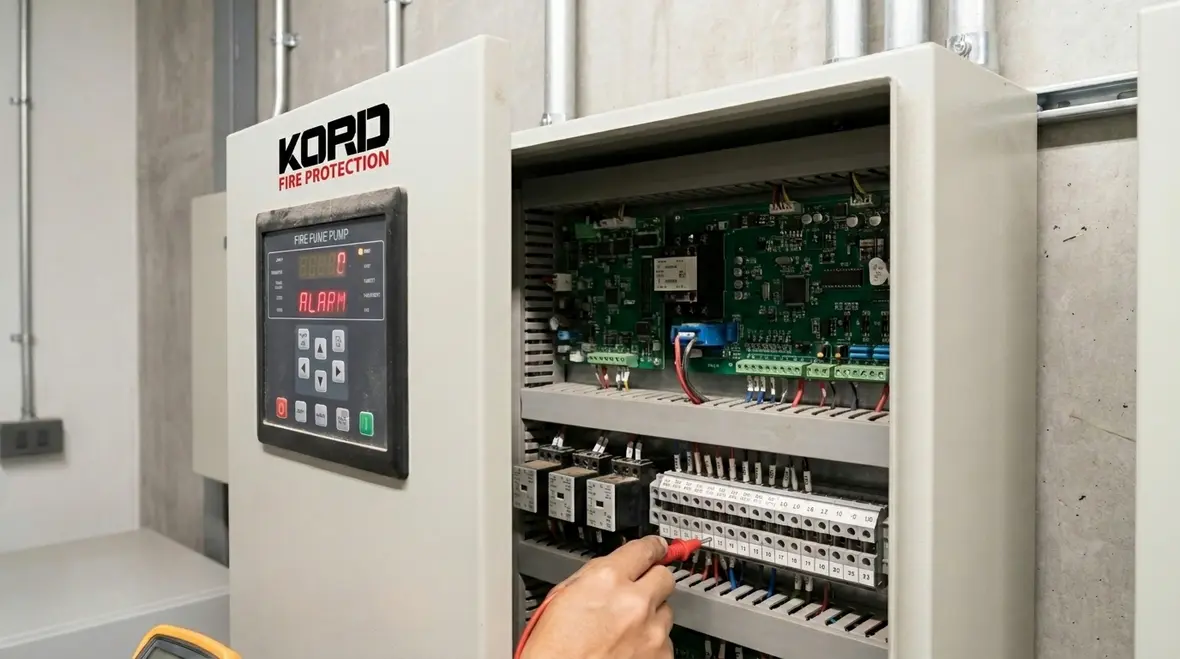
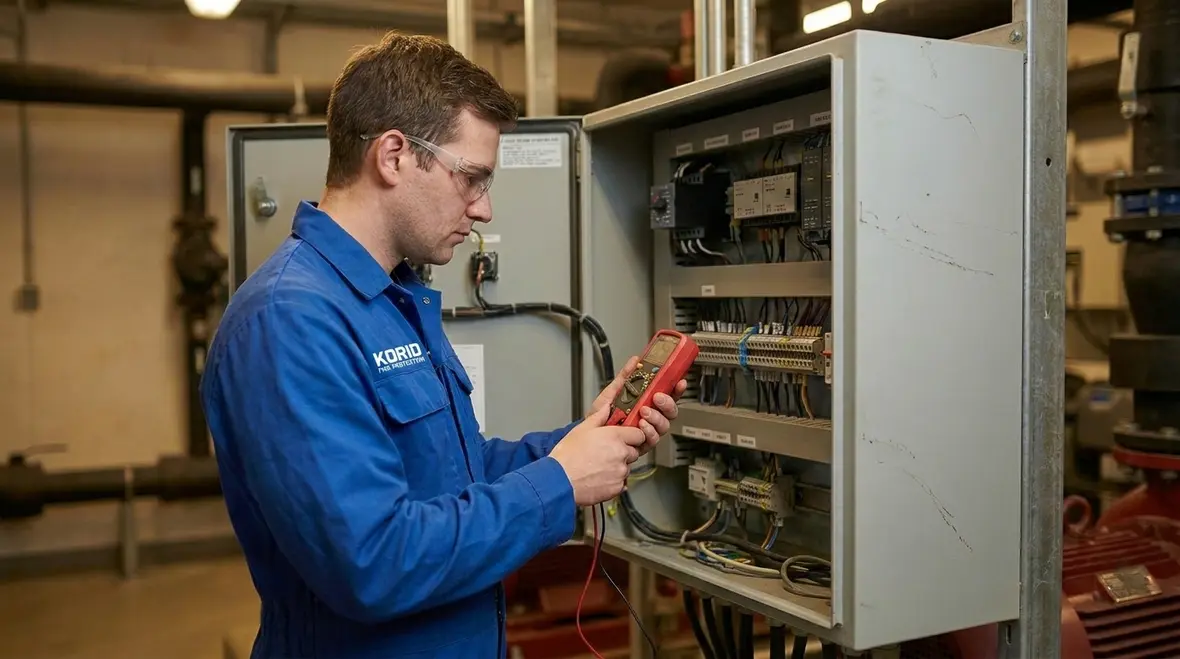
First, it helps to understand what the controller actually does. It monitors inputs, controls the pump start sequence, and supervises key protective functions. Therefore, it must tolerate harsh conditions: electrical noise, constant standby power, and heat from nearby equipment. Over time, several issues show up again and again. Loose terminations and worn contactors can create intermittent faults. Dust and moisture can create leakage paths that confuse sensors. Corroded terminal blocks can add resistance, and that resistance can turn into heat. Meanwhile, aging relays and contact points can stick just enough to cause a failed run.
In addition, improper wiring practices often show up long after the installation day. If someone changes a circuit later without updating labels or settings, the controller may behave like it has its own opinion. It might still power on, yet it will not follow the correct start logic. Transitioning from “it seems fine” to “it fails” can happen fast once a weakness finally meets real demand.
What quietly goes wrong first
- Loose terminal screws that create intermittent electrical behavior
- Worn relays and contactors that still work until they suddenly do not
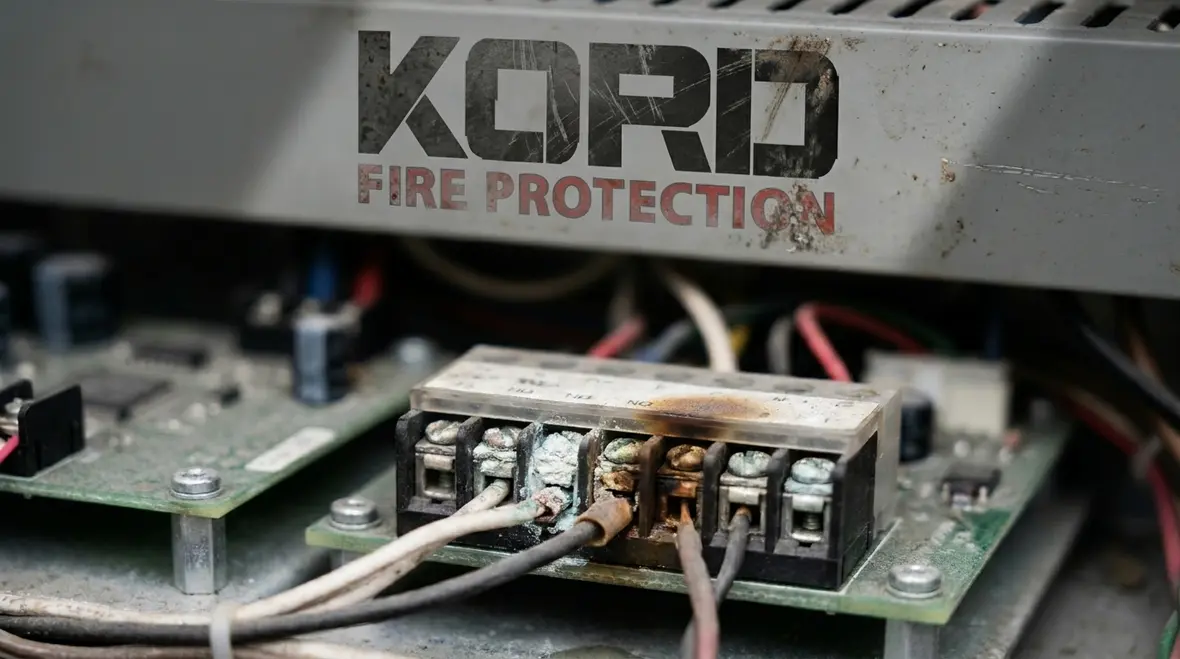
- Corrosion on terminal blocks that adds resistance and heat
- Dust buildup that holds moisture and encourages tracking
- Labeling errors after repairs, upgrades, or quick field changes
This is one reason routine fire pump inspections matter so much. The small things inside the cabinet are usually the things trying hardest to become large problems later.
Electrical Power Problems That Trigger Trips and Refusals
Next, power quality matters. Controllers need stable voltage and clean control signals. If the supply dips, surges, or experiences repeated brownouts, the controller can reset or trip. Even if the fire system remains energized most of the time, brief disturbances during storms, generator transfers, or building load changes can damage sensitive components. Likewise, improper grounding can raise the risk of nuisance alarms and false fault codes.
Kord Fire Protection technicians often recommend treating electrical supervision like a smoke detector for the electrical system itself. In other words, monitor what the controller already tells the team. Logs and fault history can reveal patterns, such as trips after high demand periods. When that pattern appears, teams should inspect breakers, incoming wiring, and control power transformers before replacing parts that are not actually the root cause.
Why bad power creates confusing symptoms
Power issues are annoying because they can mimic almost everything else. A voltage dip can look like a component failure. A grounding problem can look like sensor trouble. A transfer issue can look like the controller just woke up and chose chaos. That is why a proper maintenance process records readings and trends instead of relying on memory, assumptions, or the old classic, “it was working last week.”
Sites reviewing controller reliability should also pay attention to broader electrical design. Kord Fire Protection’s article on essential fire pump electrical requirements and design is a useful companion read when nuisance trips keep coming back.
Heat, Moisture, and Dust: The Quiet Enemies
Third, the controller cabinet lives in the real world. It does not live in a lab. Heat builds up from nearby motors, poorly ventilated enclosures, and high ambient temperatures. Over time, thermal stress can loosen components, warp boards, or reduce the life of capacitors. Moisture and condensation create leakage and corrosion, especially in locations with temperature swings. Dust can trap moisture and worsen insulation problems.
Additionally, gaskets and door seals often get neglected. A cabinet that looks clean from the outside may still have internal contamination. Therefore, inspections should include checks of seals, fan and filter condition if present, and the appearance of terminal blocks. If corrosion exists where wiring enters, the team should address sealing and entry points, not just the controller itself. A controller can run perfectly and still fail if the environment feeds problems into it.
Environmental warning signs worth taking seriously
- Condensation marks inside the cabinet door
- Discoloration near terminals or contactors
- Dust collecting around vents, fans, or wire entries
- Brittle seals, damaged gaskets, or obvious gaps
- Recurring minor corrosion that keeps returning after cleanup
Relays, Contactors, and Sensors: Wear Shows Up in Small Ways
Then comes the mechanical and sensing side. Relays and contactors wear due to cycling. Even in standby mode, the system must be ready, and readiness means electrical activity in test routines. Contact wear can create voltage drop, increased heat, and eventual failure to close. Sensors can drift, become misaligned, or fail due to aging or contamination. When that happens, the controller may delay a start or interpret signals incorrectly.
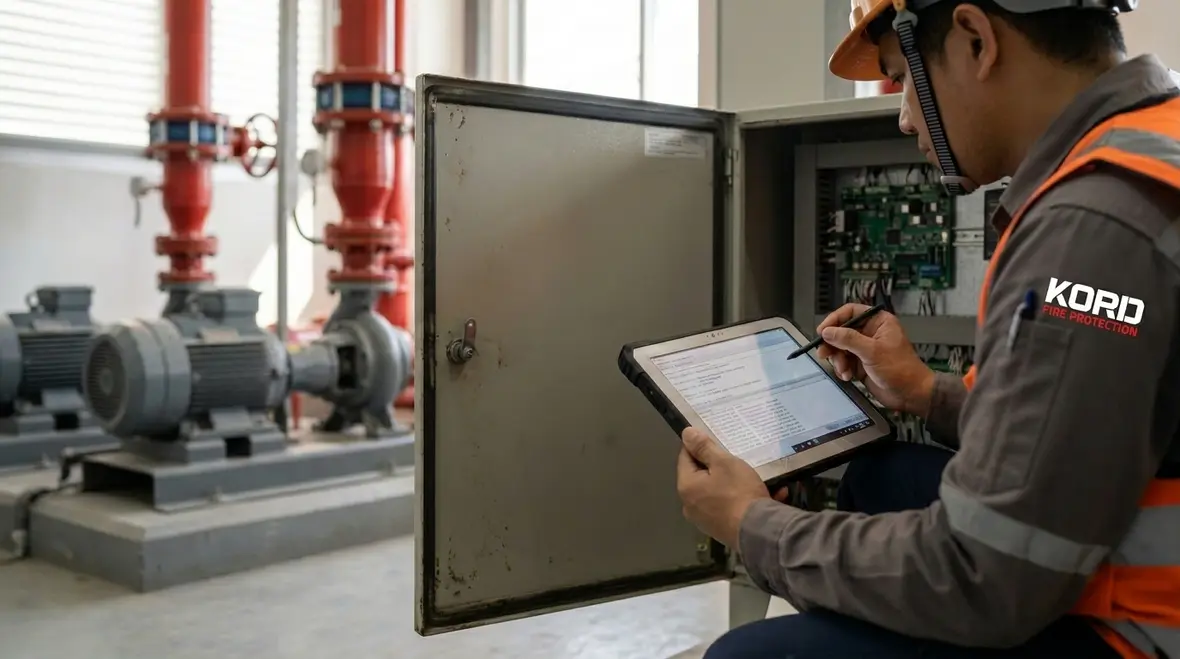
To help teams catch these issues early, electric fire pump controller maintenance should include functional checks aligned with the equipment design. For example, technicians commonly inspect and verify the start sequence response, monitor input status points, and confirm that alarm and supervision circuits operate as intended. Also, they should verify that test procedures match the controller’s configuration. If the control logic expects one type of level switch or pressure input and the site uses another, the controller will keep reporting the “wrong” truth.
How to Prevent Controller Failures with a Maintenance Plan
Now for the part people actually want: prevention. A strong plan reduces surprises, and it also gives facilities a clear schedule. Kord Fire Protection technicians usually stress that the best results come from consistent steps rather than occasional heroics. Therefore, the plan should include scheduled inspection, verification of settings, and cleaning of the cabinet using safe methods that do not damage electronics.
In practice, a plan should cover the following, and it should be adapted to the model and site requirements:
- Verify control power and protective devices with recorded readings, not guesses
- Check terminal tightness, inspect for corrosion, and confirm cable entry seals
- Inspect contactor and relay condition, including signs of pitting or overheating
- Test alarms, supervisory circuits, and the pump start sequence as designed
- Confirm that controller settings match the installed sensors and pump configuration
- Review fault logs and trend recurring issues before replacing parts
One more thing, because life loves twists: any site changes can impact the controller. When someone alters electrical panels, replaces a sensor, or changes pump wiring, the maintenance team should update documentation and verify controller behavior afterward. Think of it as continuity for safety. Without it, you get the safety equivalent of a prank that stops being funny during a real emergency.
What Technicians Check During a Field Visit
During a visit, professionals typically focus on evidence, not wishful thinking. They inspect hardware condition, verify electrical values, and confirm that the supervision signals match real-world readings. In addition, they check labels, drawings, and controller configuration, because the smallest mismatch can produce the biggest failure at the worst time.
To make this clear, the following items show the kind of checks technicians often perform, then document for compliance and future troubleshooting. One set supports quick diagnosis, while the other supports deeper reliability work.
| Quick reliability checks | Deeper reliability checks |
|---|---|
| Fault code review and event log scan | Contact inspection and thermal signs on terminals |
| Verification of input status points | Calibration and verification of sensor response where applicable |
| Functional test of start sequence | Verification of control power quality and grounding integrity |
| Visual inspection for heat damage and moisture | Component aging assessment based on measured performance |
And yes, if the controller acts “mysteriously,” technicians treat it like a detective case. They trace the evidence. They do not just swap parts like it is a soap opera where everyone gets replaced after one episode. That careful approach reduces cost and prevents repeat failures.
FAQ: Electric Fire Pump Controller Maintenance and Failure Prevention
Final Call to Action for Reliable Fire Pump Control
Electric fire pump controller maintenance works best when it is planned, documented, and performed by qualified technicians. If a controller cabinet shows heat, moisture, recurring faults, or confusing supervision behavior, do not wait for the “learning experience” that only happens during an emergency. Contact Kord Fire Protection technicians to schedule a thorough inspection, confirm settings, and verify the start sequence under realistic conditions. Then you get peace of mind, faster fixes, and a system that does what it should when it should.
If you need related life safety support as part of a broader system review, explore fire alarm service for coordinated inspection and response planning, or go straight to fire pump service to schedule testing, inspection, and maintenance for the pump system itself.

Join Our Newsletter!
Get the latest fire safety tips delivered straight to your inbox From our Newsletter.