
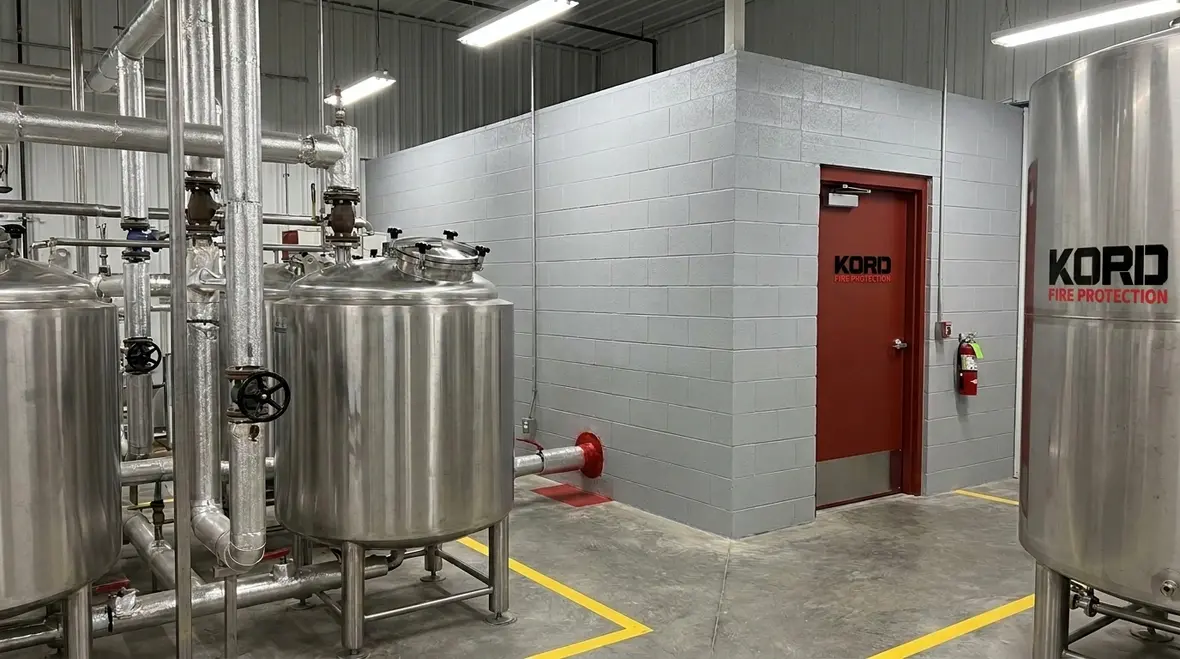
NFPA 30 Section 17.8: Construction for Liquid Processing Areas
Quick Answer: NFPA 30 Section 17.8 sets construction requirements for liquid processing areas to control fire spread, support safe operations, and reduce ignition risk. It affects building materials, separation concepts, openings, ventilation, and maintenance readiness for commercial and industrial facilities.
Facilities that want a broader foundation before getting deep into Section 17.8 can also review Kord Fire Protection’s NFPA 30 flammable and combustible liquids guide, which fits naturally with the bigger picture behind construction, storage, and processing risks.
What does NFPA 30 Section 17.8 require for liquid processing areas?
NFPA 30 governs flammable and combustible liquids and the facilities that store, handle, and process them. Within that framework, Section 17.8 focuses on construction for liquid processing areas. For operators, the key outcome is consistent: the physical building and its interfaces must limit fire growth and protect life safety by reducing pathways for flame and heat transfer, ignition exposure, and operational failure escalation.
In practice, NFPA 30 Section 17.8 construction processing facilities must align architectural and MEP decisions with the fire protection intent behind the standard. That means the facility cannot treat “construction” as a one time compliance event. It must remain compliant through inspections, repairs, penetrations management, and ongoing control of appurtenances such as doors, ducts, and sealing systems.
How construction choices affect ignition control and fire spread
Liquid processing areas present unique hazards because combustible vapors and liquid spills can form rapidly and involve multiple ignition sources. Section 17.8 places emphasis on construction features that reduce the chance that a small incident becomes a whole building event.
1) Separation concepts and controlled boundaries
Construction for liquid processing areas relies on separation principles. The facility should prevent direct fire and smoke transfer between the process area and adjacent spaces. This typically impacts:
- Fire resistance of walls and partitions associated with processing areas
- Location and design of door openings, including hardware that supports required fire door performance
- Continuity of fire rated assemblies across structural interfaces
A common operational failure point involves work orders, renovations, or tenant improvements that alter wall assemblies. Once penetrations or gaps appear, fire rated construction loses its rated integrity, and the boundary can no longer perform as assumed in the original safety concept.
2) Penetrations, sealing, and “as maintained” integrity
In commercial, industrial, and retail environments, penetrations increase over time. Electrical conduits, cable trays, tubing runs, instrumentation, and ductwork all pass through fire rated elements. NFPA 30 Section 17.8 expectations in the field translate into a strict “as installed, as tested, as maintained” mindset.
Maintenance and compliance teams should expect:
- Fire stopping that matches the rated assembly requirements
- Re inspection after any modification that affects rated construction or sealing systems
- Documentation control so the facility can demonstrate correct configuration to inspectors
Openings, doors, and interior interfaces: the compliance pressure points
Construction compliance typically becomes measurable at openings and interfaces. Doors, louvers, dampers, and gaps around frames determine whether a processing area stays contained when something goes wrong.
Door performance controls
Door operation must remain reliable. A door that remains held open, loses closing force, or fails to latch properly can undermine the separation intent. Typical failure points include:
- Door closers disconnected, adjusted out of spec, or disabled for workflow
- Improper latch hardware changes during maintenance
- Damaged door seals that permit smoke migration
Facilities that process flammable liquids often also run high traffic corridors. That increases the importance of routine door checks and corrective work before minor defects become persistent noncompliance.
Vents, ducts, and air movement interfaces
Ventilation and air movement can influence vapor accumulation and ignition likelihood. While NFPA 30 addresses a broad range of vapor control concepts across storage, handling, and processing, Section 17.8 focuses on how construction elements support safe operation. For facility teams, that means:
- Maintaining appropriate duct and opening integrity where they interface with rated construction
- Ensuring any closures or fire dampers, where applicable, remain in proper working order
- Preventing unauthorized modifications that change airflow patterns in the process area
When operations shift seasons or production schedules change, air handling adjustments can unintentionally create vapor and ignition risk. That makes construction tied to operational controls, not just to drawings.
Operational procedures and maintenance requirements that keep construction compliant
Section 17.8 is not solely about what gets built. The operational side determines whether the construction remains effective during the life of the facility. Commercial compliance programs often fail where they treat construction elements as static.
Inspection routines that prevent “slow drift”
To support compliance and reduce emergency response dependence, facilities should implement inspection routines that include:
- Regular walkdowns of rated walls and ceilings for damage, penetrations, or missing fire stopping
- Verification that doors and closures are unobstructed and function as designed
- Documentation of repairs, including which assembly or material was restored
In many environments, small changes happen frequently: adding a cable, relocating a sensor, replacing a junction box, or routing a temporary line. Without a controlled process for these changes, rated integrity becomes an afterthought.
Repair and renovation controls
Renovations and tenant improvement work represent some of the highest risk periods for construction compliance. The safest practice is to require fire protection review before any work that can affect rated boundaries. That review should confirm:
- Which assemblies are impacted
- What fire stopping or rated repair is required
- Whether retesting or inspection is needed after completion
This approach supports consistent compliance and reduces the cost of emergency remediation.
Common failure points in NFPA 30 Section 17.8 construction in the real world
Field experience shows recurring gaps that undermine construction performance. These issues often appear during routine inspections or incident investigations.
- Fire stopping not matching the original rated system after service work creates new penetrations.
- Door and frame modifications that alter closing behavior or compromise seals.
- Unauthorized penetrations for cables, small piping, or instrumentation with no follow up review.
- Construction damage from material handling equipment, ceiling impacts, or repeated access.
- Inadequate documentation that makes it difficult to demonstrate “as maintained” compliance during inspections.
Facilities that treat these as isolated issues, rather than parts of a controlled maintenance system, typically see repeat findings. A prevention oriented fire protection partner helps reduce repeat noncompliance by aligning work orders, inspection records, and repair standards.
How Kord Fire Protection supports compliance for liquid processing facilities
Achieving and maintaining compliance for flammable and combustible liquid operations requires more than initial design review. Kord Fire Protection supports commercial facilities with practical, ongoing services such as inspection support, documentation management, and maintenance coordination across the life cycle of the building.
For operators who want reliable performance from rated boundaries and related construction elements, Kord Fire Protection helps ensure that construction remains aligned with the intent of NFPA 30. That includes supporting readiness of the physical features that limit fire spread and reducing the likelihood that routine maintenance work creates compliance gaps.
For facilities with flammable liquid hazards that need a more layered strategy, Kord Fire Protection’s foam fire suppression for flammable liquid hazards article adds useful context on where suppression planning supports the construction side of compliance.
To understand how NFPA 30 regulates flammable liquids across facility operations, visit: how NFPA 30 regulates flammable liquids.
Frequently Asked Questions
Get construction compliance support before a finding becomes expensive
Review your liquid processing areas using a maintenance first approach: verify rated boundaries, manage penetrations, and confirm opening and door performance stays within design intent. Then schedule ongoing inspection and documentation support with Kord Fire Protection to keep NFPA 30 Section 17.8 construction processing facilities ready for inspection and resilient during real world operations. Contact Kord Fire Protection to align your compliance plan with your facility realities.

Join Our Newsletter!
Get the latest fire safety tips delivered straight to your inbox From our Newsletter.



