
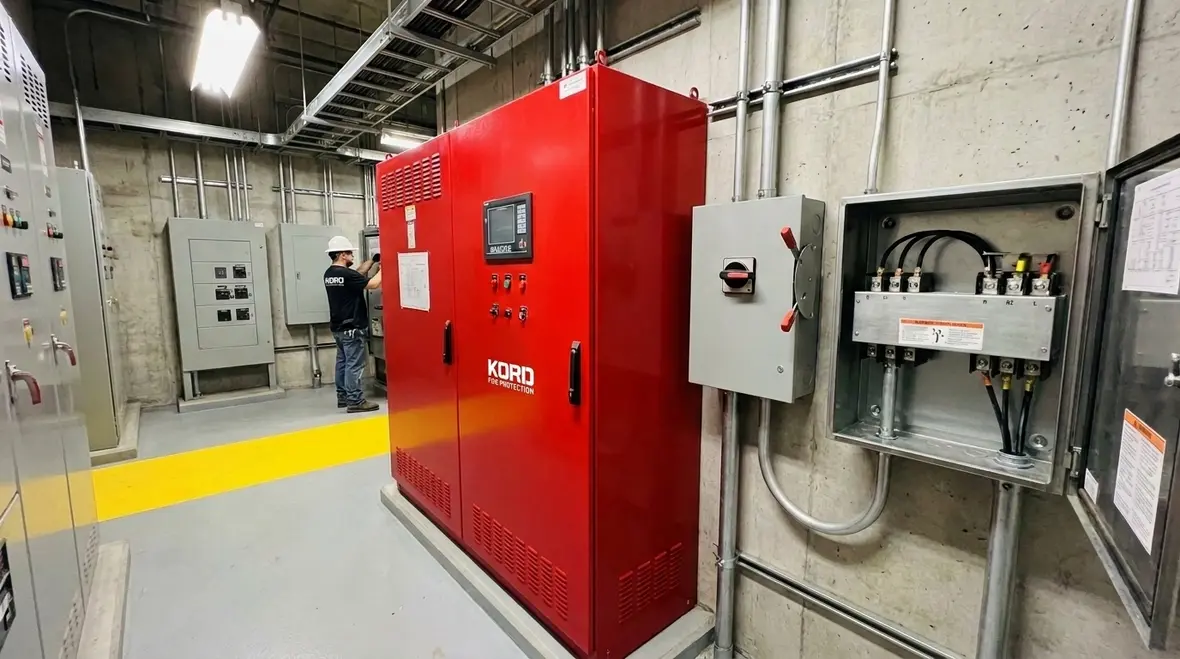
NFPA 20 9.6 9.7 Fire Pump Disconnect and Transfer Switch
Quick Answer: NFPA 20 Sections 9.6 to 9.7 cover how fire pump power stays safe and reliable. It addresses fire pump disconnects, the required overcurrent protection, and how power transfer must work when the normal supply changes. Kord Fire Protection helps facilities in Australia plan, install, and maintain compliant systems without guesswork.
When facilities in Australia design or upgrade fire pumps, the fire pump disconnect and transfer switch requirements matter early. NFPA 20 Sections 9.6 and 9.7 set the rules for isolating the pump safely, protecting it from overcurrent, and transferring power in a controlled way. In practice, this means the electrical lineup cannot be treated like a generic “motor starter and hope for the best” situation. It must match the fire pump’s needs, local equipment layouts, and ongoing inspection routines. And yes, power systems can be moody, but codes do not negotiate.
Facilities planning broader pump support often pair this work with fire pump power supply reliability services, because the disconnect, controller, and transfer arrangement all need to behave like one coordinated system instead of three separate opinions in the same room. It also helps to understand the bigger code picture through how NFPA 20 regulates fire pump systems, especially when teams are aligning design intent with practical operation and future testing.
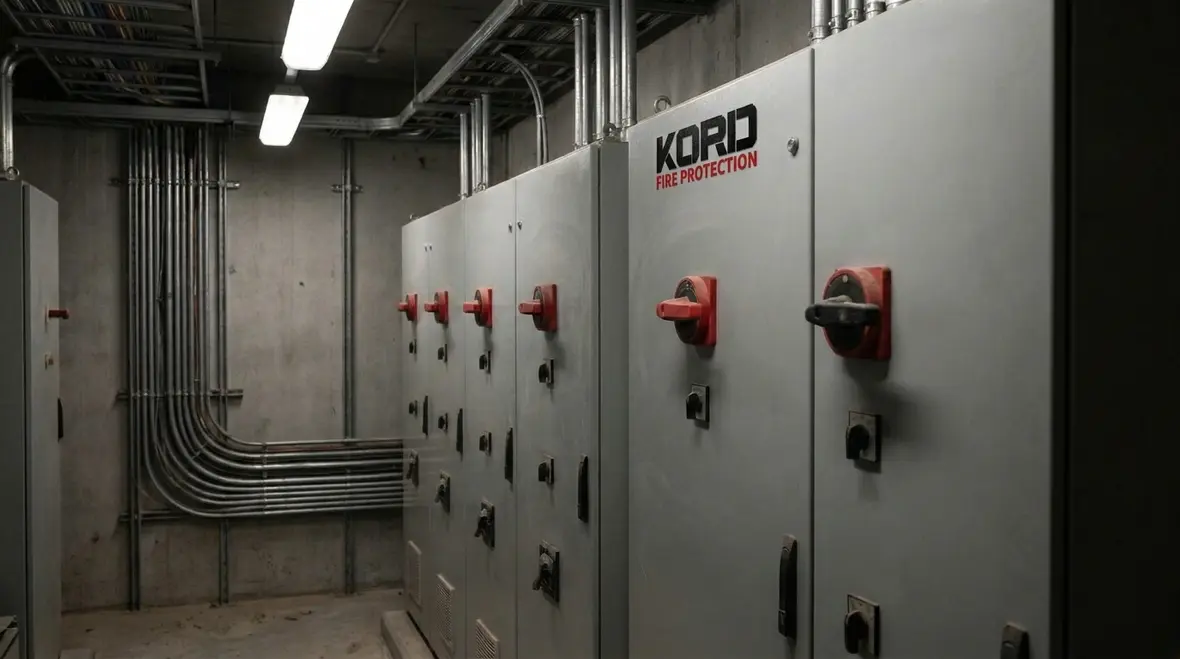
Why NFPA 20 Sections 9.6 to 9.7 shape the whole electrical plan
NFPA 20 does not just describe how a fire pump runs. It also dictates how the power side behaves, especially during abnormal conditions. Section 9.6 focuses on disconnecting means and overcurrent protection, while Section 9.7 addresses power transfer conditions. Therefore, designers and facility teams align the pump’s electrical pathway with the fire protection intent: the pump must start, run, and stay protected when it matters most.
At the same time, these sections push good engineering habits. They limit unsafe field changes, they clarify what “disconnect” really means, and they keep the transfer logic from turning into a guessing game. Facilities that operate across multiple sites, including industrial plants and large retail environments, benefit because the approach becomes repeatable rather than improvised.
The code intent is reliability, not just hardware selection
That distinction matters more than many projects expect. A compliant setup is not just about choosing a disconnect, a breaker, and a transfer switch from a catalogue and calling it a day. The system has to support emergency operation under stress, after maintenance, and during transfer events that rarely happen politely. The electrical plan, control sequence, and service approach all need to agree before the installation can honestly be called dependable.
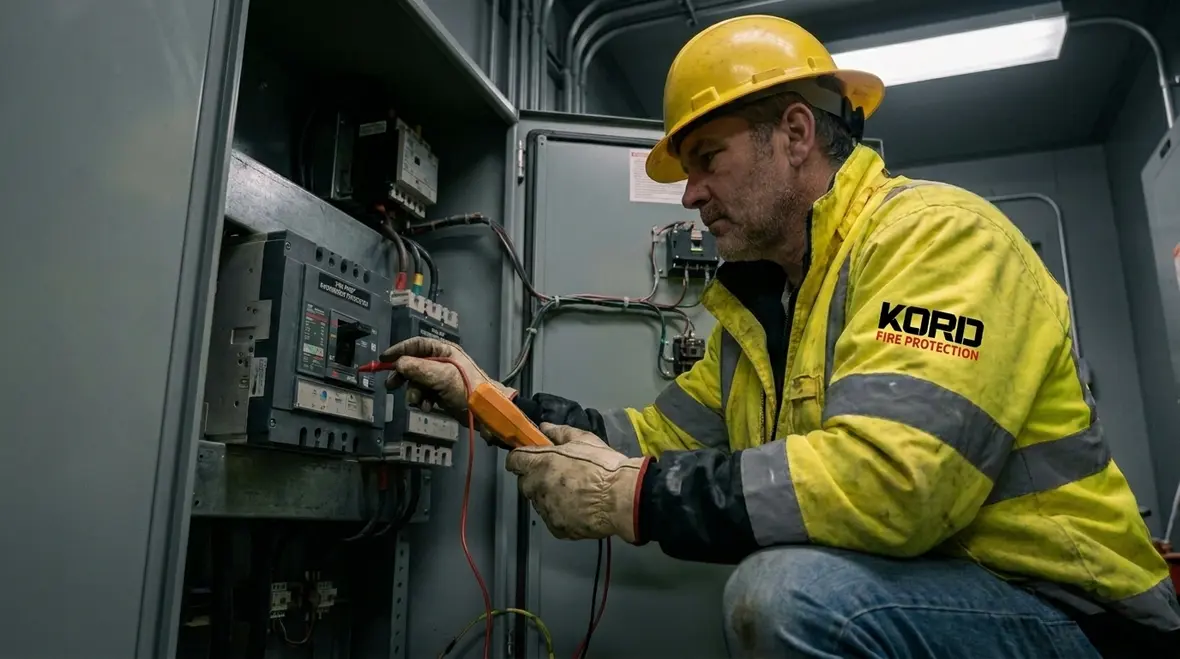
Fire pump disconnects: safety isolation that still keeps readiness intact
Section 9.6 requires a disconnecting means that allows safe maintenance and inspection while still supporting emergency operation. In plain terms, it lets the team lock out and work on equipment without energizing the fire pump circuit unexpectedly. However, the system must remain compliant for fire pump performance, so the disconnect arrangement cannot break the reliability of starting and running.
To do this right, teams think beyond the single switch. They consider installation location, accessibility, marking, and how the disconnect interacts with the rest of the electrical design. For example, if the disconnect is difficult to reach during an emergency, it defeats the purpose. If it encourages unplanned reconfiguration, it creates risk. And if it is installed without considering circuit protection and power transfer logic, it can complicate the system right when firefighters or facility responders need clarity.
Moreover, many facilities in Australia want to keep electricians and maintenance staff aligned. Clear labeling and dependable layout help everyone move faster, and everyone sleeps better. Kord Fire Protection often helps teams standardise these details so the same quality appears across new builds and upgrades.
Disconnect design should reduce confusion, not create it
A good disconnect arrangement is easy to identify, easy to document, and difficult to misuse. That sounds obvious until a crowded switchroom, an aging switchboard, and a rushed contractor all show up at the same meeting. When the disconnect is clearly marked and logically placed, maintenance becomes safer and emergency response becomes more predictable. When it is not, even experienced teams can lose time sorting out what should have been obvious from the start.
Overcurrent protection in fire pump circuits: protect without blocking
NFPA 20 Section 9.6 also addresses overcurrent protection for the fire pump controller and associated equipment. The key idea is simple but critical: the protection must guard against dangerous current conditions while still allowing the pump to start and run as required. If the protective device is wrong, it can nuisance-trip during start, or it can delay power restoration during abnormal events.
Therefore, compliance requires careful coordination of ratings, settings, and device types with the fire pump controller requirements. Designers also consider inrush current and how the motor behaves at startup. Then they verify the upstream electrical path supports that reality. In busy facilities, this coordination prevents the classic “it worked on the test bench” problem.
In addition, the installation needs a consistent approach for inspection. Teams should be able to document device identification, settings, and maintenance history. When Kord Fire Protection supports the service, it brings a process mindset that maps electrical protection to the fire system’s lifecycle, not just the initial installation date.
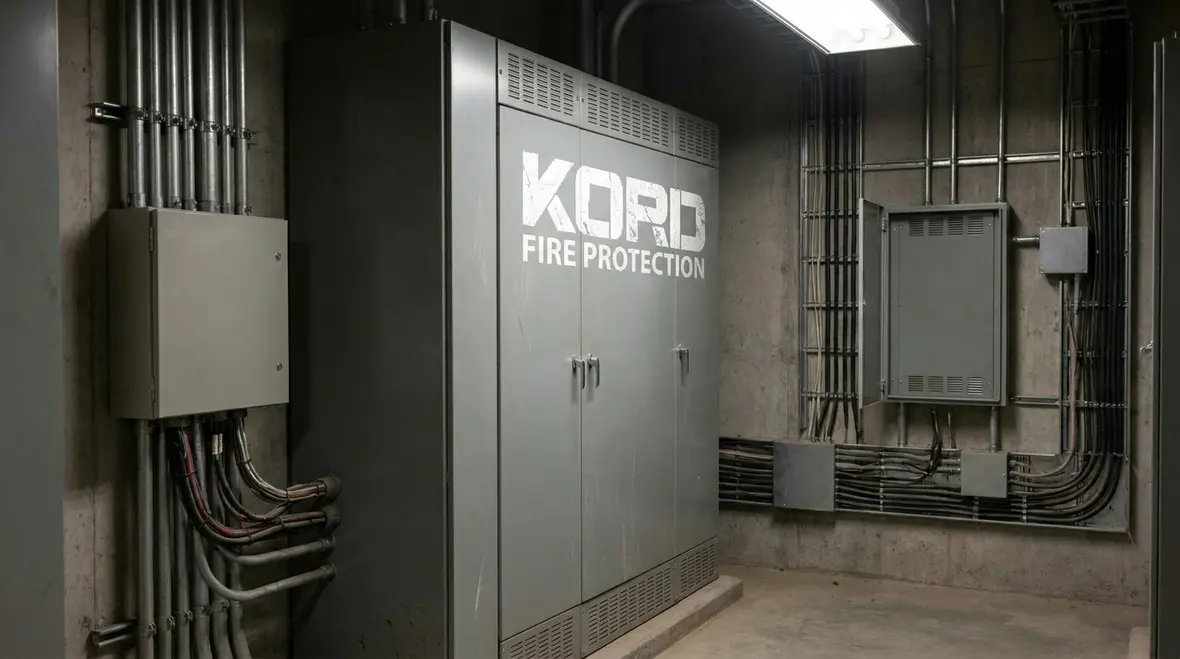
Power transfer and why timing matters during emergencies
Section 9.7 addresses power transfer. In the field, this often involves normal power and an alternate source such as a generator or emergency power supply. The goal remains the same: the fire pump must receive power and run reliably during the transition, without unsafe or confusing intermediate states.
Accordingly, the transfer arrangement must control what happens when supplies change. It should avoid situations where the fire pump experiences an unintended shutoff, an incorrect phase condition, or a delay that exceeds what the system needs. Timing and sequence drive performance. For example, if the transfer switch logic does not align with controller expectations, the pump may not start when someone needs it.
Also, teams must confirm the transfer scheme works with the disconnecting means and overcurrent protection already planned. If one part of the system changes and the others do not, the final result can be noncompliant or unreliable. Kord Fire Protection helps organisations connect these dots early, so the electrical design supports the fire pump’s real operational needs.
Transfer logic has to stay calm when the building is not
This is where many teams discover that transfer switching is more than moving power from point A to point B. It has to preserve controller behavior, avoid awkward dead periods, and support clear testing procedures. If a transfer test turns into a room full of puzzled faces and very strong coffee, the design probably needs another look.
How facilities in Australia can meet fire pump disconnect and transfer switch requirements in real layouts
Australian industrial and commercial sites often have constraints: crowded electrical rooms, existing switchboards, and tight pathways. Even so, the system must still meet the fire pump disconnect and transfer switch requirements described in NFPA 20, including proper control sequence and equipment coordination.
Successful projects typically follow a disciplined path. First, they verify the fire pump controller and motor starting method. Next, they confirm the disconnecting means design supports maintenance access and safe isolation. Then they coordinate overcurrent protection values and transfer switch behavior with the controller’s performance needs. Finally, they document everything so the facility can support routine testing and inspection.
As a practical note, facilities should also plan for how they will operate during testing and drills. When the team knows exactly what will happen during a transfer test, the operation becomes calm and repeatable. When they do not, everyone shows up with questions and a lot of caffeine. Fire drills should not require a troubleshooting workshop.
Service approach: coordination, documentation, and ongoing inspection
To keep compliance and reliability strong, the service process should cover more than parts replacement. It should confirm system behavior as a whole. Kord Fire Protection often operates like a safety translator between electrical equipment and the fire protection intent of the code.
They typically help with planning support, commissioning assistance, and maintenance verification. Therefore, the facility receives a clear picture of how the disconnecting means, protective devices, and transfer sequence work together. This reduces the risk of “silent drift” where small changes over time weaken performance.
In addition, documentation matters. When a facility has consistent records for protective device settings, labeling, and transfer testing results, it supports audits and keeps training easier. That is good for operations, and it is also good for budgets. No one likes surprise failures, and nobody enjoys paying twice for the same correction.
| Key element | What teams verify | Why it matters |
|---|---|---|
| Fire pump disconnecting means | Accessibility, labeling, coordination with controller circuit | Safe isolation without harming readiness |
| Overcurrent protection | Ratings and settings coordinated for start and run | Protects equipment without nuisance trips |
| Power transfer arrangement | Transfer sequence timing and compatibility with controller | Ensures power delivery when normal supply changes |
| Service and inspection | Testing records, maintenance steps, configuration control | Reduces drift and improves audit readiness |
FAQ: NFPA 20 fire pump power requirements and service questions
Call Kord Fire Protection for a compliant, reliable power setup
Facilities across Australia benefit when fire pump electrical work connects code intent to real-world operation. Kord Fire Protection helps teams plan, commission, and maintain the disconnecting means, overcurrent protection, and power transfer systems so the pump stays ready when it matters. If you are upgrading equipment or tightening compliance, reach out to Kord Fire Protection today and get a clear, dependable path forward for your fire pump service job.

Join Our Newsletter!
Get the latest fire safety tips delivered straight to your inbox From our Newsletter.



