NFPA 20 Sections 9.2 to 9.5 Fire Pump Power, Generator and Voltage Drop
Quick Answer (40-60 words)
NFPA 20 Sections 9.2 to 9.5 explain how fire pumps must get reliable power, including generator selection and voltage drop limits. Kord Fire Protection helps facilities in Australia plan, test, and document these systems so they meet the code intent, operate under stress, and stay ready when real risk shows up.
When a fire pump starts, the electrical system cannot “think about it.” It must respond. In NFPA 20 Sections 9.2-9.5, the focus lands on the fire pump power source, generator behavior, and the voltage drop requirements that keep the pump motor within safe limits. In other words, the fire pump generator is not a nice-to-have. It is part of the life safety chain. And even when the design looks clean on paper, real sites in Australia need careful commissioning, repeatable test plans, and solid documentation. That is where Kord Fire Protection becomes a vital partner.
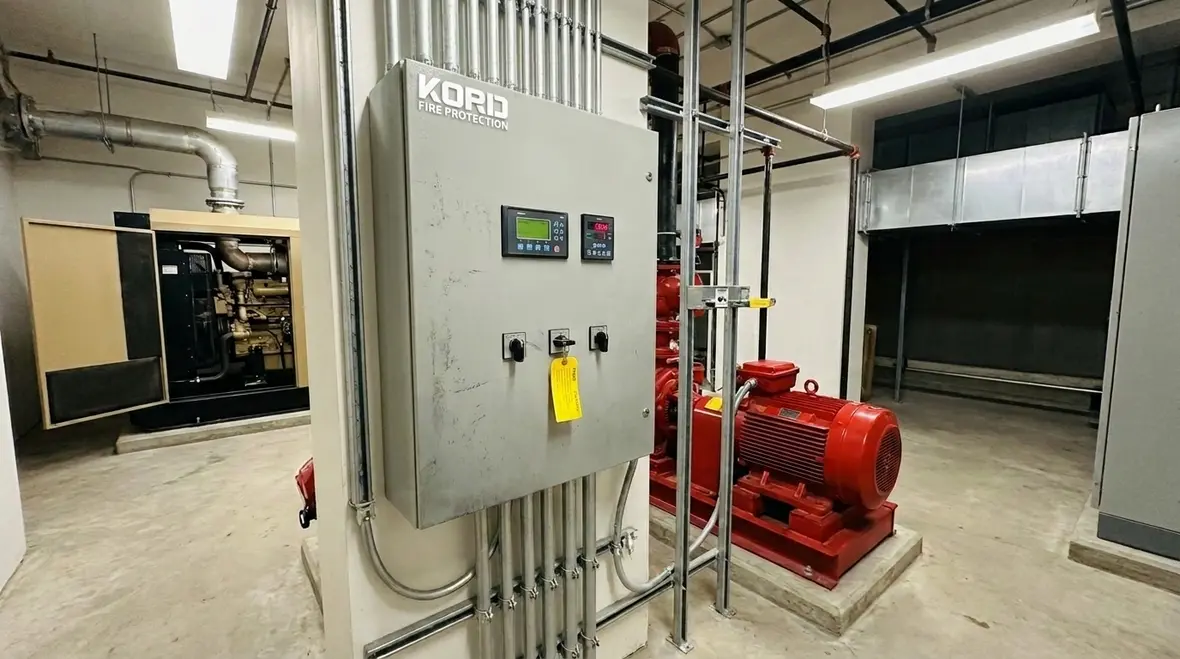
Near the start of that process, many teams benefit from bringing in specialist fire pump service support to review controller behavior, transfer expectations, and maintenance access before testing day turns into a very expensive surprise. For a broader standards context, Kord Fire Protection also covers the bigger picture in How NFPA 20 Regulates Fire Pump Systems.
1) Fire pump power sources under NFPA 20 Sections 9.2 to 9.5
NFPA 20 demands a power source that stays dependable during fire conditions. Section 9.2 sets the expectation that the fire pump controller receives power in a way that does not collapse when the site load spikes, when normal power dips, or when the unexpected happens. For industrial, retail, and commercial facilities, this means coordination between electrical design, switchgear, and the fire pump controller.
To stay compliant, facilities must look past nameplate ratings and think in actual site terms: incoming utility stability, generator starting time, transfer logic, cable routing, and how quickly the pump motor sees voltage. Therefore, a fire pump system should not be treated like a standalone purchase order. Instead, it must be treated like a living system with responsibilities shared by the electrical team and the fire protection team.
And yes, the code is serious. The fire pump does not care about anyone’s optimism, even if the optimism is wearing a high visibility vest.
Why dependable supply is more than a design checkbox
A reliable fire pump power source has to survive real operating conditions, not just a neat submittal review. Facilities often discover late in a project that a feeder path changed, a disconnect moved, or another large load shares infrastructure in ways nobody modeled properly. Those small changes can ripple through startup behavior. Kord Fire Protection helps teams catch those issues before they appear during a live acceptance test, when everyone suddenly becomes very interested in details they ignored three months earlier.
2) What NFPA 20 expects from fire pump generator systems
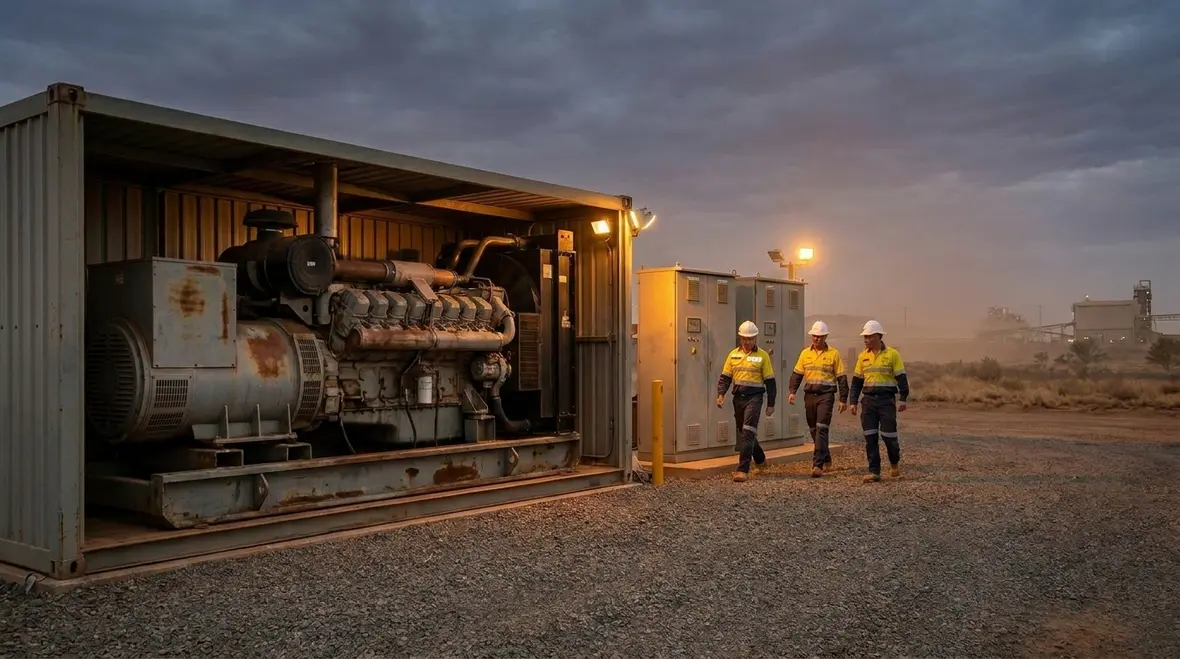
NFPA 20 addresses generator driven operation because grid power can fail or sag. Under Section 9.3, the design must support transfer and sustained operation under fire pump start and run conditions. The generator should provide the required voltage and frequency while the pump is accelerating, then running. This matters because motor starting current can be far higher than steady state current.
For Australian facilities, the practical question becomes this: will the generator and controls actually deliver the needed output at the moment the motor demands it? A common oversight appears when teams size the generator based on steady loads rather than on motor starting conditions and the connected starting profile of the fire pump motor.
To reduce risk, Kord Fire Protection helps teams align the generator set, transfer equipment, and pump controller requirements. As a result, the system behaves predictably during testing and in real emergencies.
- They verify transfer timing and logic so the pump sees power without harmful interruptions.
- They coordinate starting characteristics to avoid undervoltage during acceleration.
- They support documentation and test evidence for audits and service cycles.
Generator sizing mistakes that look harmless until they are not
Generator discussions often get derailed by averages. Fire pumps do not start on averages. They start on demand, with a surge that tests every assumption in the electrical path. If the generator can handle the running load but stumbles on the starting profile, the system may technically exist and still fail its mission. That is why commissioning teams need to review not just equipment capacities, but the actual sequence of operation, the transfer behavior, and what happens in the first moments after the pump calls for power.
3) Voltage drop requirements that protect the pump motor
Voltage drop is where theory meets physics. NFPA 20 Section 9.4 focuses on the voltage drop limitations that can prevent proper pump operation. When voltage drop exceeds the acceptable threshold, the motor can draw more current, overheat faster, or fail to reach the needed speed. In a fire scenario, that is not a minor inconvenience. It is the difference between flow and no flow.
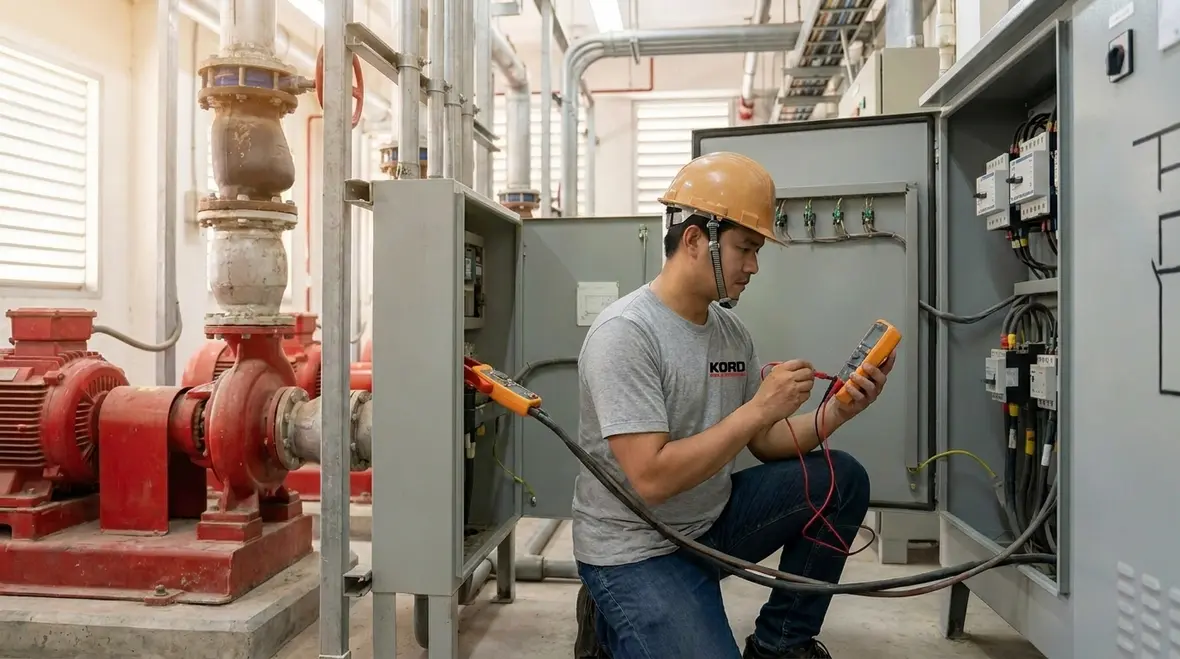
Voltage drop depends on cable size, length, conductor material, and the electrical starting conditions. It also depends on where protection devices and disconnects sit in the circuit. Therefore, teams should measure and verify the full path, from the power source to the pump controller and through the final terminations.
When facilities manage voltage drop requirements early, they avoid painful rework during commissioning. Later corrections can mean pulling cable, changing terminations, or redesigning parts of the feeder. Nobody wants to do that on a deadline, especially not when smoke is the only thing that should be moving fast.
What teams should verify before commissioning day
Voltage performance should be checked as a complete path, not as a pile of separate assumptions. That means reviewing conductor runs, terminations, upstream protective devices, and the controller input under realistic conditions. It also means asking awkward but useful questions about field changes made after the drawings were approved. Awkward questions are still cheaper than replacement cable. Kord Fire Protection supports that kind of practical review so facilities can move into testing with fewer surprises and a lot less dramatic finger-pointing.
4) Transfer switches, protective devices, and control behavior
Reliability is not only about whether the power source exists. It is also about how the system transfers power and how the controller reacts. NFPA 20 Section 9.5 addresses aspects that support proper operation, including protective and control considerations that keep the fire pump ready.
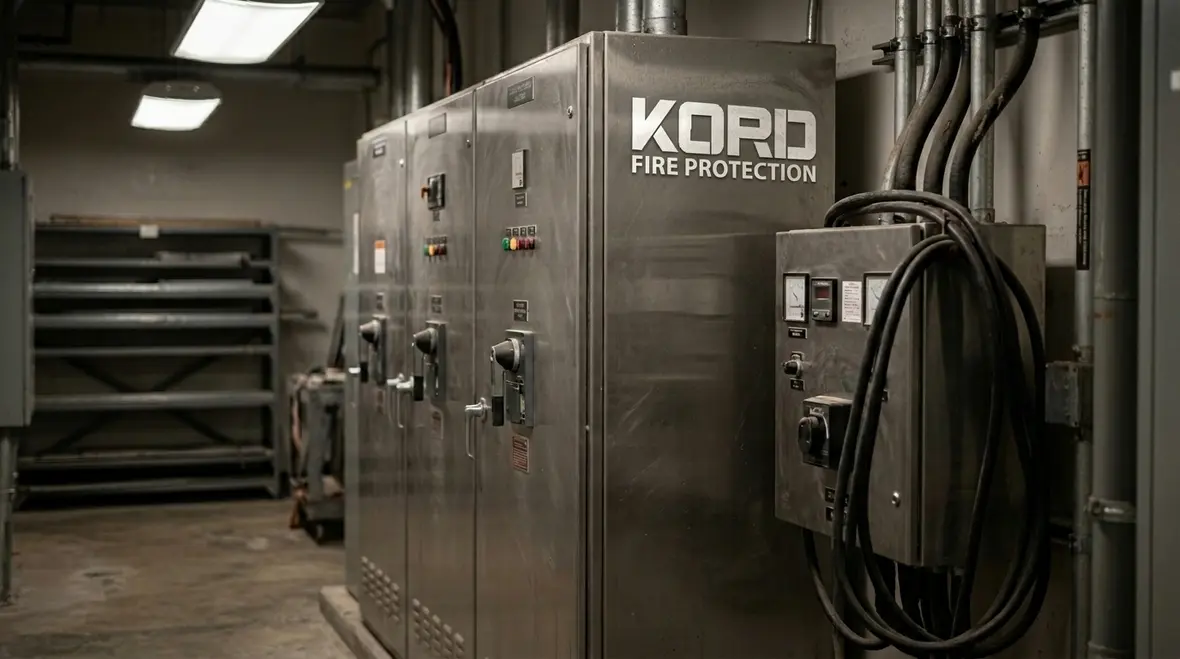
Transfer switches, breakers, overload protection, and the fire pump controller must work together in a defined sequence. For example, the system must prevent nuisance behavior such as unwanted trips or delayed operation during transfer. It also must avoid scenarios where protective settings behave correctly during normal testing but fail to behave correctly under start surge.
In facilities with multiple tenants, variable process loads, or frequent maintenance outages, Kord Fire Protection helps teams keep the electrical sequence aligned with the fire pump’s mission. In effect, they make the system less “mysterious,” more testable, and easier to trust.
- They help define acceptance testing steps that reflect how the pump actually runs.
- They coordinate with electrical switchgear schedules to support safe access and continuity.
- They ensure service teams understand what to check, not just what to sign.
5) Commissioning, testing, and documentation across Australian sites
In Australia, sites run on schedules. They open, close, and keep production moving. That can make commissioning feel like a battle between safety and time. Still, proper commissioning for fire pump systems cannot be rushed because the real goal is functional assurance.
During testing, the fire pump generator response, the transfer sequence, and the voltage drop outcomes must match the design intent. Therefore, commissioning should include checks that confirm the pump controller sees acceptable voltage, that the generator maintains stable output, and that the system sustains operation through the test profile.
Documentation matters because inspectors, facility managers, and insurers need evidence that the system performs as required. Kord Fire Protection supports that full lifecycle approach, so the paperwork reflects reality and service history is easy to understand later.
Why documentation is part of reliability, not admin clutter
Good documentation turns one successful test into repeatable confidence. If a future technician cannot see how the system was verified, what settings were confirmed, or which operating conditions were present, the site loses valuable context. That is how a system drifts from compliant to confusing. Kord Fire Protection helps keep records practical, traceable, and useful, which is a lot more comforting than a mystery binder full of half-complete forms and heroic handwriting.
6) Common pitfalls that sabotage compliance
Even well-funded projects can stumble. Often the issues hide where teams stop looking: in coordination gaps, in assumptions, and in “it should work” thinking. For fire pump generator setups and voltage performance, some typical pitfalls show up again and again across commercial, retail, and industrial facilities.
- Generator sizing based on steady loads rather than motor starting demands.
- Cable routing changes during construction without recalculating voltage drop requirements.
- Transfer switch timing that allows a brief undervoltage window at start.
- Overlooked terminations or protective device selection that increases resistance.
- Testing that checks “it starts” rather than “it delivers within limits.”
Fortunately, these pitfalls do not have to happen. With early review and a careful test plan, Kord Fire Protection helps reduce uncertainty. And uncertainty is like a bad playlist at work. It might seem harmless, until it ruins everything at the exact wrong moment.
FAQ
Conclusion
NFPA 20 Sections 9.2 to 9.5 push facilities to treat electrical power like a life safety function, not a background utility. When fire pump generator behavior and voltage drop requirements get checked early, the pump performs when it must.
If you want a calm, evidence based path to commissioning and ongoing service, Kord Fire Protection can become your steady partner. Call Kord today to review your design and test plan.

Join Our Newsletter!
Get the latest fire safety tips delivered straight to your inbox From our Newsletter.