
NFPA 40 Section 7.3: Shielding Requirements for Nitrate Film Work
Quick Answer
NFPA 40 Section 7.3 sets shielding expectations for nitrate film handling to reduce ignition and limit fire effects from radiant heat and exposure hazards. Compliance focuses on proper shielding placement, integrity, inspection, and maintaining protective systems through storage, processing, and movement operations.
What NFPA 40 Section 7.3 requires for nitrate film shielding
For facilities that store or handle nitrate film, NFPA 40 shielding requirements nitrate film handling are treated as a risk control measure, not a cosmetic upgrade. Section 7.3 addresses how shielding is used to protect people, adjacent combustibles, and critical equipment from heat, flame spread, and the consequences of abnormal events during film work. In commercial and industrial environments, the real compliance challenge is sustaining the shielding configuration as operations change, including layout shifts, added shelving, renovations, and maintenance activities that alter clearances.
Near the planning stage, it also helps to review plan approval requirements for nitrate film storage so shielding decisions do not get treated like an afterthought once layouts start shifting. ([kordfire.com](https://kordfire.com/nfpa-40-section-1-6-plan-approval-requirements-for-nitrate-film-storage/?utm_source=openai))
Why shielding matters in nitrate film operations
Nitrate film presents a higher hazard profile than many other film and plastics used in commercial facilities. Fire behavior concerns include rapid involvement, intense heat release, and the potential for burning debris and radiative exposure. Shielding functions as a barrier and a heat control layer. When shielding is correctly designed and maintained, it helps manage three practical exposures during operations: ([kordfire.com](https://kordfire.com/nfpa-40-section-1-2-purpose-fire-protection-goals-for-nitrate-film-operations/?utm_source=openai))
- Radiant heat impact on surrounding materials and personnel during foreseeable work sequences.
- Fire spread pathways where a failure in handling, storage access, or ventilation control could expose adjacent areas.
- Operational integrity by helping ensure that routine work, including movement of film containers and access to work benches, does not compromise protective separation.
Core compliance elements: placement, integrity, and separation
Although NFPA 40 Section 7.3 is applied to nitrate film work, compliance is verified in the field through observable conditions. Facilities typically meet the intent by ensuring shielding systems achieve and maintain the required protective separation and are not defeated by routine traffic, storage additions, or maintenance modifications.
1) Correct shielding placement for work areas
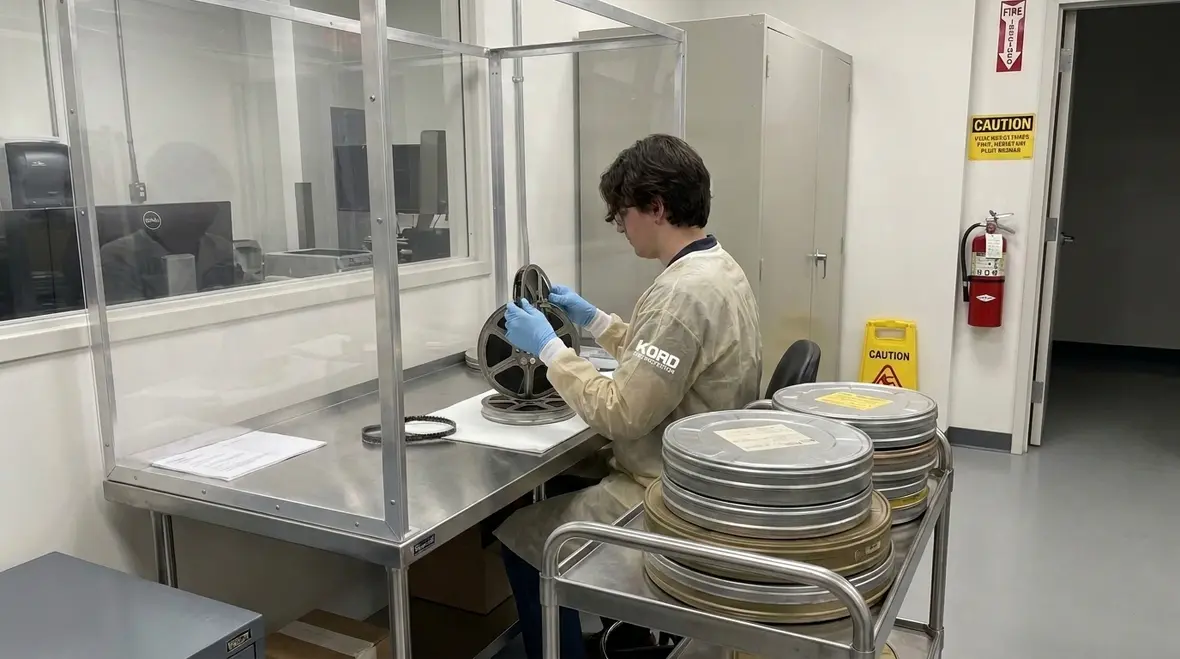
Shielding needs to match the actual workflow. If film handling occurs at benches, racks, or staging stations, the shielding plan must protect against credible line of sight heat transfer. Many facilities pass initial installation reviews but later fail when new equipment, pallets, or storage cabinets are introduced near the shielding boundary. Field verification should confirm that protective coverage still aligns with current work practices.
2) Shielding integrity and material condition
Shielding systems must remain continuous and functional. Common failure points include:
- Panel damage from forklifts, carts, or dropped items.
- Gaps created by cable runs, added monitors, or improperly sealed penetrations.
- Corrosion, delamination, or warping that changes fit and coverage.
- Loose mounting hardware that shifts barriers out of position.
Operational inspections should treat shielding like life safety equipment. If shielding is used to control exposure hazards, degraded condition can undermine the entire risk control strategy.
3) Maintaining clearances during daily operations
In retail and commercial environments, shielding often sits near high activity zones such as loading areas, inventory staging, or service corridors. Clearances must be maintained so shielding does not become a contact surface for temporary storage. Facilities should standardize staging rules and train staff to prevent shielding from being used as a “temporary home” for containers or tools during peak workload.
Inspection, testing, and documentation for real-world audits
NFPA 40 compliance programs succeed when they are audit-ready and measurable. For shielding under Section 7.3, inspections should confirm physical condition and operational alignment. Kord Fire Protection typically supports this work by structuring inspections around what inspectors and insurers verify: documented checks, repeatable verification, and corrective action tracking.
Inspection checklist focus areas
- Physical continuity: no missing sections, no open joints, and no unapproved penetrations.
- Attachment integrity: mounting points secure and panels not sagging or shifted.
- Clearance compliance: no new adjacent storage or equipment encroaching on protected zones.
- Housekeeping discipline: removal of debris that could defeat shielding performance.
- Change control: documentation of work orders that modify areas around shielding.
How commercial facilities usually struggle
The most common operational breakdown is not the original design. It is drift. Renovations add racks, maintenance adds conduit, and daily workflow changes proximity to barriers. Facilities that maintain strong change management treat shielding as part of the hazard control system, not as static construction.
Maintenance and change management: preventing shield failure over time
Shielding compliance is vulnerable to frequent, small changes. A practical maintenance plan ensures protective systems remain effective after routine work. Commercial, industrial, and retail facilities that handle nitrate film should incorporate shielding verification into maintenance routines and project approvals.
Staff training and standard work
Training should connect the “why” to daily behavior. Staff should understand that shielding supports safe exposure control during handling and that placing carts, bins, or spare materials near shielding can compromise coverage. Standard work should also clarify what requires fire safety review before any modifications.
Work order controls
Any task that can impact shielding position, sealing, or clearances should trigger a review step. This includes electrical and IT installs, rack additions, and floor layout changes. A simple work order checklist can prevent the most frequent compliance lapses: penetrations without approved sealing and barriers moved during maintenance.
Service partnership for ongoing compliance
Kord Fire Protection helps commercial facilities keep NFPA 40 shielding requirements nitrate film handling aligned with inspections and operational reality. The value is continuity: recurring verification, documented findings, and timely corrective action that supports ongoing compliance.
For related guidance on maintaining emergency life safety systems across commercial properties, facilities can also review Kord Fire Protection resources such as Fire Shield Systems for Fire Protection System Design. ([kordfire.com](https://kordfire.com/fire-shield-systems-for-fire-protection-system-design/?utm_source=openai))
Frequently Asked Questions
Conclusion and next steps
NFPA 40 Section 7.3 shielding requirements nitrate film handling require more than installing a barrier once. Facilities must protect coverage, maintain clearances, and control changes that can create gaps or drift. Kord Fire Protection can help commercial operators verify shielding condition, document findings, and correct deficiencies before they become audit findings. Schedule a shielding compliance review to align your nitrate film work areas with current inspection expectations and sustain readiness year-round.

Join Our Newsletter!
Get the latest fire safety tips delivered straight to your inbox From our Newsletter.



