
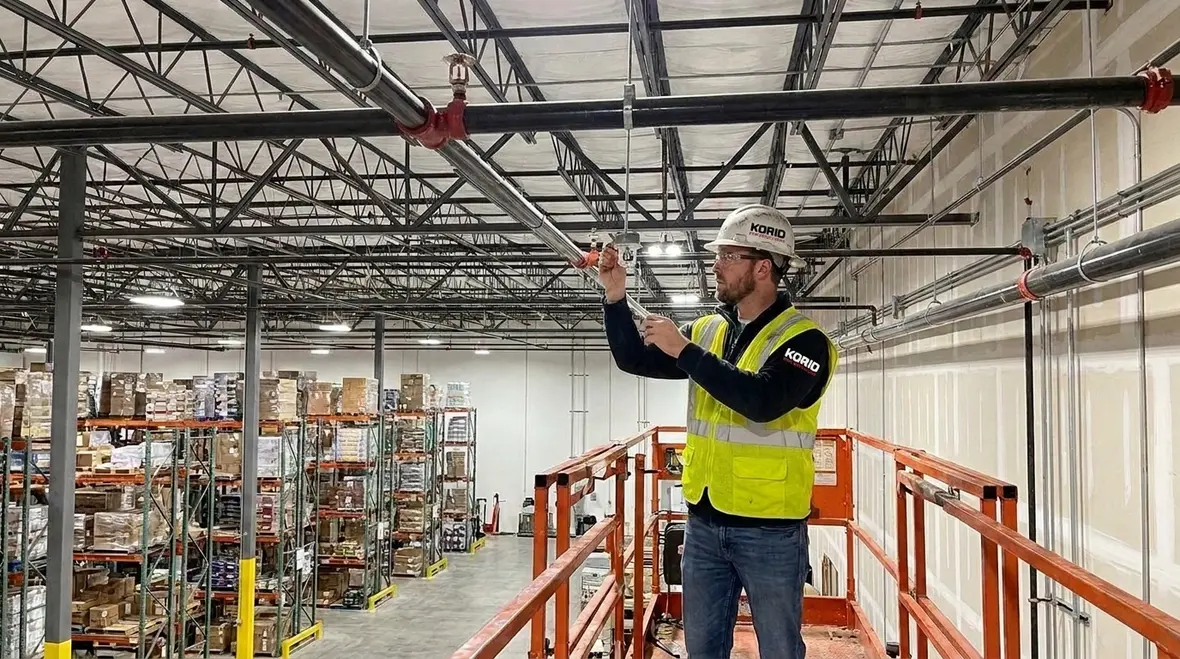
NFPA 13 Section 1.3 — Application Requirements for Sprinkler Systems
NFPA 13 Section 1.3 — Application Requirements for Sprinkler Systems
Quick Answer: NFPA 13 Section 1.3 outlines the NFPA 13 application requirements sprinkler systems for commercial facilities. It guides system type selection, hazard classification, water supply, and installation constraints to ensure reliable protection. Proper application helps managers avoid design errors, compliance gaps, and costly retrofits during renovations or occupancy changes.
If you need practical support beyond the standard itself, fire sprinkler system service can help bridge the gap between code language and real world system performance.
What NFPA 13 Section 1.3 Covers
Section 1.3 provides the framework for applying sprinkler system design across commercial, industrial, and retail properties. It addresses system types such as wet pipe, dry pipe, deluge and preaction options, along with occupancy based hazard classifications, required water supply, and backflow protection. The goal is to align installation with life safety priorities and local AHJ expectations.
For a broader foundation, see NFPA 13 Overview: Automatic Fire Sprinkler System Installation, which pairs nicely with this section specific discussion.
Translating 1.3 into Commercial Practice
Matching System Type to Building Use
In the real world, teams map building use to an appropriate sprinkler configuration and confirm hydraulic design parameters reflect actual demand. Hazard classifications depend on stored materials, occupancies, and floor plans. Coordination with the AHJ and integration with other life safety systems are essential to avoid retrofit delays during project completion.
Common Compliance Challenges in Commercial Facilities
- Inadequate water supply or incorrect system type for the hazard and occupancy.
- Obstructions around sprinkler heads or ceilings that impede spray patterns.
- Unapproved alterations or retrofits that void listed designs.
- Failure to maintain backflow preventers or to perform required tests on alarms and valves.
- Inaccurate hydraulic calculations or misclassification of hazards.
- Exposure to freezing temperatures or unheated spaces without proper protection.
Inspection, Testing and Commissioning Practices
From Plan Review to Acceptance Testing
Effective practice begins with plan review and field verification before installation. Commissioning confirms that piping, valves, and sprinklers operate as intended. Hydrostatic testing validates system integrity, followed by acceptance tests of flow alarms and supervisory devices. Ongoing testing and maintenance follow NFPA 25 guidelines and require documentation for the AHJ.
Maintenance and Reliability for a Commercial Site
Keeping the System Ready Without the Drama
Maintenance focuses on keeping valves operable, sprinklers unobstructed, and detectors functional. Regularly check water supply pressures, replace corroded or damaged heads, service backflow preventers, and verify that alarm devices transmit correctly. A proactive maintenance program minimizes leaks, corrosion and unexpected downtime, protecting occupants and assets.
Related reading: automatic sprinkler control valves maintenance is a useful companion topic when reliability and long term performance are top priorities.
Kord Fire Protection: Your Compliance Partner
Kord Fire Protection provides design reviews, site surveys, installation oversight, and ongoing testing and maintenance to keep NFPA 13 application requirements sprinkler systems in alignment with evolving codes. Our technicians support commercial, industrial, and retail facilities through audits, retrofits, and scheduled maintenance programs to sustain compliance and reliability.
Organizations looking for broader support can also explore full fire protection services for a more comprehensive compliance strategy.
Frequently Asked Questions
Conclusion and call to action: Ensure ongoing compliance by partnering with Kord Fire Protection. Our team provides a complete service package from design review to commissioning and a tailored maintenance program for commercial, industrial and retail facilities. Schedule a compliance assessment and maintenance plan today to protect lives, property and operations.

Join Our Newsletter!
Get the latest fire safety tips delivered straight to your inbox From our Newsletter.


