
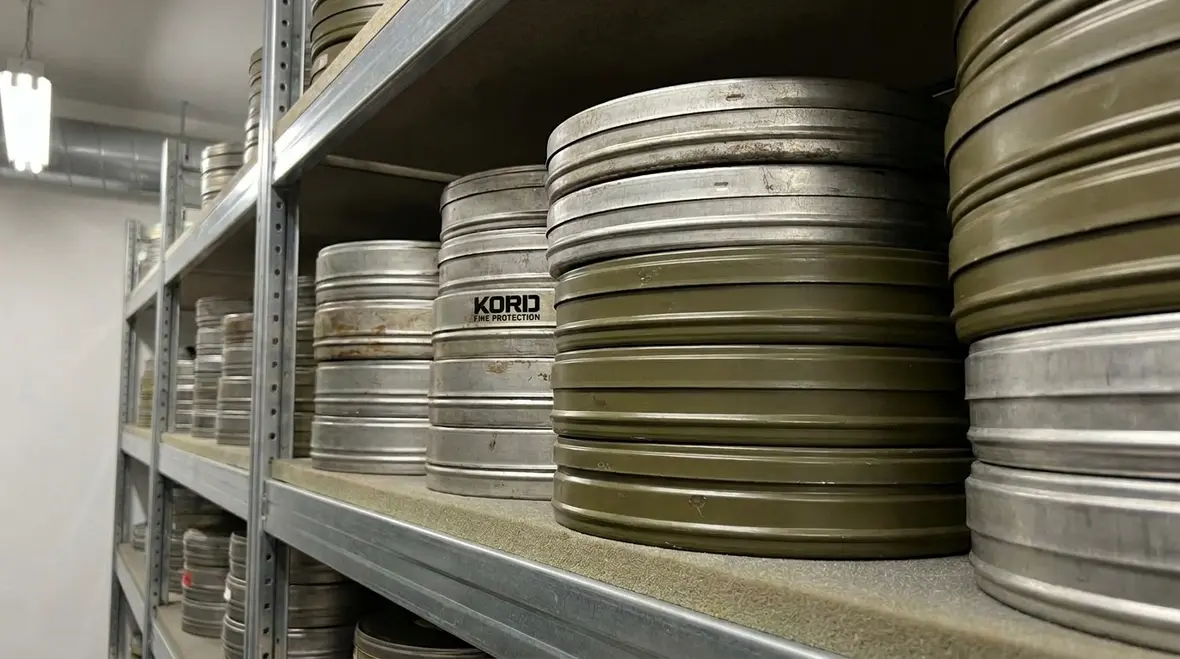
NFPA 40 Section 7.2: Required Containers for Nitrate Film Handling
Quick Answer: NFPA 40 Section 7.2 sets the container expectations for nitrate film handling to reduce ignition risk and manage damaged material. It focuses on compatible, properly arranged, and clearly maintained containers that support safe storage, transport, and incident response in commercial workflows.
If you’re reviewing nitrate film compliance more broadly, it helps to connect container handling with tables and racks in nitrate film handling areas, since container placement and workflow layout tend to go together whether operations admit it or not.
What does NFPA 40 Section 7.2 require for containers?
NFPA 40 container requirements handling nitrate film centers on preventing unsafe conditions during storage, staging, and movement. Section 7.2 addresses container selection and how those containers support safe segregation of nitrate film, including how damaged or deteriorating material must be handled. For facilities such as film processing plants, commercial storage rooms, rental and retail screening operations, and industrial archives, container compliance becomes a daily operational discipline, not a one time procurement task.
In practical terms, a compliant container program requires more than “having a bin.” Facilities must ensure containers are suitable for nitrate film, used as intended for the workflow, and maintained so the container does not become a hazard itself. This includes operational controls around inspection, labeling, closure performance, and replacement triggers when wear or contamination occurs.
Why container compliance matters in commercial nitrate film operations
Nitrate film is thermally sensitive and can present rapid escalation when exposed to conditions that support ignition. Containers act as the first containment barrier during routine handling and during abnormal conditions such as:
- Film damage that releases loose fragments or debris
- Uncontrolled deterioration that increases flammability potential
- Spills or contamination that can interfere with storage performance and cleanup
- Errors during transport between work areas, staging points, and storage rooms
Commercial and retail facilities typically encounter additional pressure points: tight back of house layouts, shared receiving areas, frequent re stocking, and mixed storage workflows. Those factors increase the likelihood of container misuse, improper stacking, or delayed replacement of compromised containers. NFPA 40 container requirements handling nitrate film works best when the container program is aligned with the facility’s actual work instructions and supervision routines.
How containers support safe storage and handling workflows
1) Compatible container selection and use controls
Section 7.2 requirements should be implemented using a controlled container list tied to the site’s operating plan. Facilities typically formalize this through:
- Approved container types for each workflow stage (staging, short term holding, and storage)
- Defined placement rules that prevent unsafe crowding or obstructed access
- Clear handling instructions for employees and contractors during receiving, processing, and returns
When container types are selected without regard to how staff actually moves film, compliance gaps emerge quickly. Common failures include using substitute containers that do not match the expected design, overfilling to save space, or using containers meant for other hazardous materials without verifying compatibility.
2) Segregation and damage management
Nitrate film operations frequently require segregation of undamaged and damaged material. Containers must support separation so deteriorating stock does not compromise safe storage of sound material. In many facilities, this includes dedicated containers for:
- Damaged rolls and cassettes or partially deteriorated film segments
- Loose fragments and debris generated during handling
- Material awaiting disposal, offsite processing, or further evaluation
Operationally, segregation only works if containers are labeled, staged correctly, and not mixed during busy periods. A recurring compliance issue involves staff consolidating “small amounts” into a single container for convenience, which erodes the segregation logic required by safe handling practices.
3) Container condition, closure performance, and inspection routines
NFPA 40 container requirements handling nitrate film assumes the container system remains capable over time. Containers deteriorate. Lids warp, gaskets fail, and interior surfaces accumulate residues that complicate inspection and cleanup. Commercial facilities should implement a documented inspection cadence that includes:
- Visual condition checks at transfer points
- Removal from service criteria for damaged or compromised containers
- Routine verification that containers close properly and remain usable
- Maintenance tracking tied to employee training and supervisor sign off
Maintenance records matter because container failures often appear as “minor” issues until they directly contribute to delayed response during an incident. A fire safety program must treat container integrity as part of risk reduction, not administrative paperwork.
Common failure points during audits and how to correct them
Even well intentioned facilities can fall short due to predictable operational weaknesses. The most frequent container related problems include:
- Inconsistent container use: Approved containers exist, but employees use alternatives during peak workloads.
- Over stacking or placement conflicts: Containers placed where access is blocked, inspection is limited, or airflow pathways are restricted.
- Delayed replacement: Containers with visible damage remain in service because no one owns the replacement trigger.
- Poor labeling discipline: Segregated containers lack clear identification, leading to mixing of deteriorated and intact material.
- Weak cleanup and debris control: Loose fragments and residues accumulate and are not managed as part of the container program.
Corrective actions should include updates to standard operating procedures, retraining, and container system redesign where workflow realities require it. Kord Fire Protection supports commercial facilities by helping maintain compliance readiness through targeted inspections, documentation support, and ongoing maintenance planning. For related fire protection program development, facilities can reference Kord Fire Protection’s fire protection services guide.
Implementation checklist for NFPA 40 container requirements handling nitrate film
The following checklist aligns operational controls with container expectations. Facilities can use it to structure internal audits before external assessments.
| Program Element | What to Verify |
|---|---|
| Approved container list | Only containers intended for nitrate film workflows are used at each stage. |
| Segregation method | Damaged and deteriorating film are stored separately in dedicated containers. |
| Labeling and tracking | Containers are clearly identified, and staff follow the same placement rules every time. |
| Inspection cadence | Containers are inspected at transfer points and removed from service when damaged. |
| Closure and condition | Lids close properly, interior surfaces remain clean enough for safe handling and inspection. |
| Debris control | Fragments and residues are managed promptly and do not migrate across storage areas. |
| Training and ownership | Supervisors enforce container rules and replacement triggers are assigned. |
Frequently Asked Questions
Conclusion and call to action
Facilities that manage nitrate film should treat NFPA 40 container requirements handling nitrate film as an operational system: approved containers, enforced segregation, inspection discipline, and fast removal from service when condition degrades. Kord Fire Protection can help commercial, industrial, and retail teams build and maintain a defensible compliance posture through inspections, maintenance planning, and documentation support. Contact Kord Fire Protection today to review your container program and readiness for ongoing compliance.

Join Our Newsletter!
Get the latest fire safety tips delivered straight to your inbox From our Newsletter.



