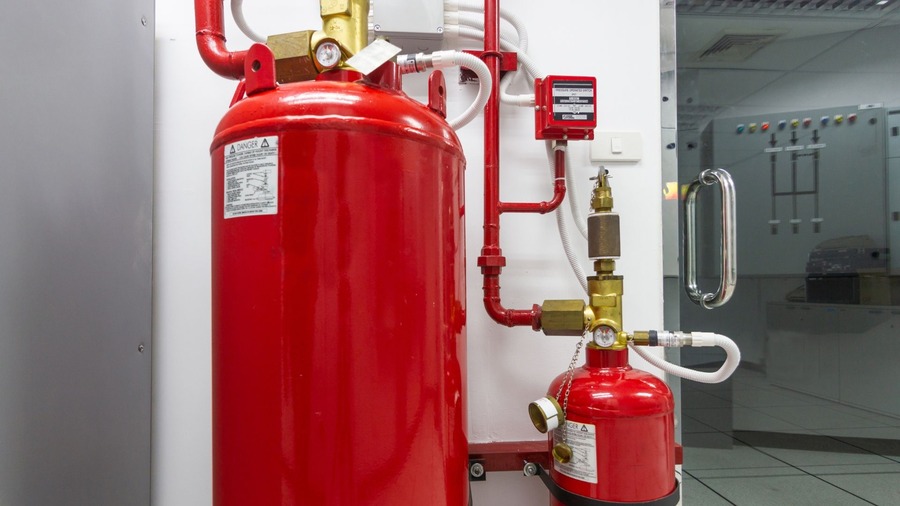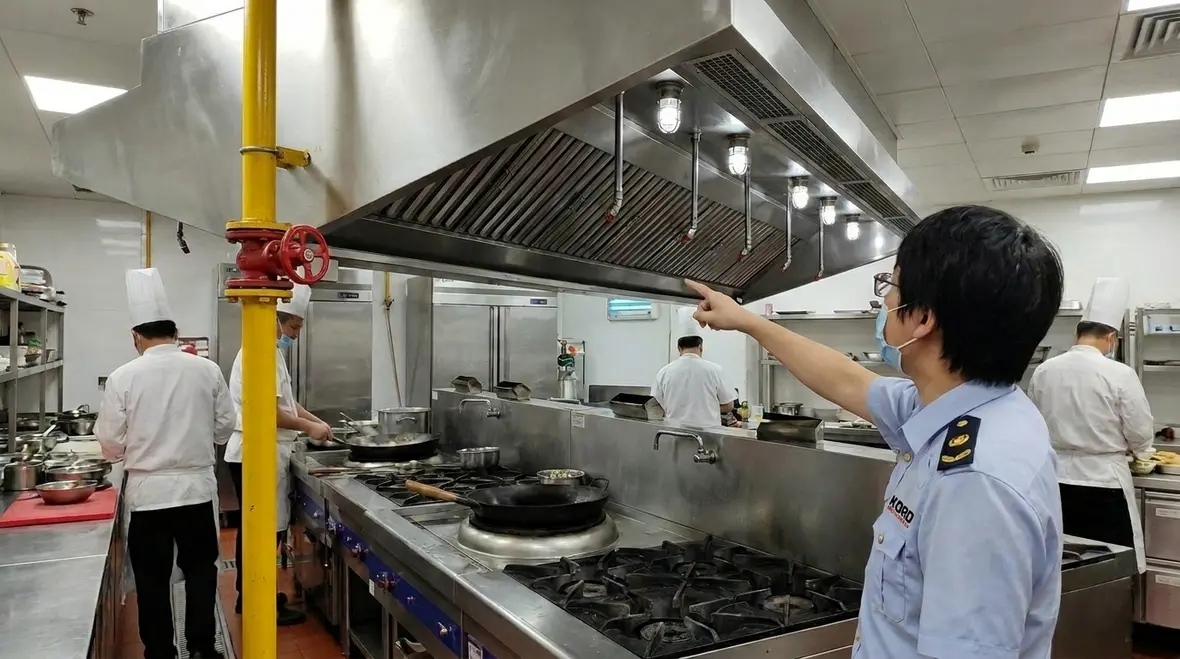
Kitchen Fire Suppression Gas Shutoff for Fast Response
Gas Shutoff and the right fire response can mean the difference between a small kitchen event and a full blown disaster. That is why a kitchen fire suppression gas shutoff system matters, especially in commercial food service where flames can start faster than a cook can say “burnt again.” In busy kitchens, heat, grease, and human momentum all work together to create trouble. However, with a proper shutdown strategy paired to kitchen fire suppression, facilities gain a controlled way to stop fuel, protect people, and limit damage. Kord Fire Protection can then act as a vital partner, helping teams install, test, and maintain the system so it works when seconds count.
A good setup is never just about spraying agent and hoping for the best. It is about sequencing. Detection activates, suppression releases, fuel shuts down, and the kitchen stops feeding the problem. That coordination is why operators often review Kord Fire Protection’s commercial kitchen fire suppression systems guide and its dedicated UL300 restaurant systems page when planning upgrades or verifying whether an existing cookline setup is still pulling its weight.
How gas shutoff protects the cooking fuel before flames grow
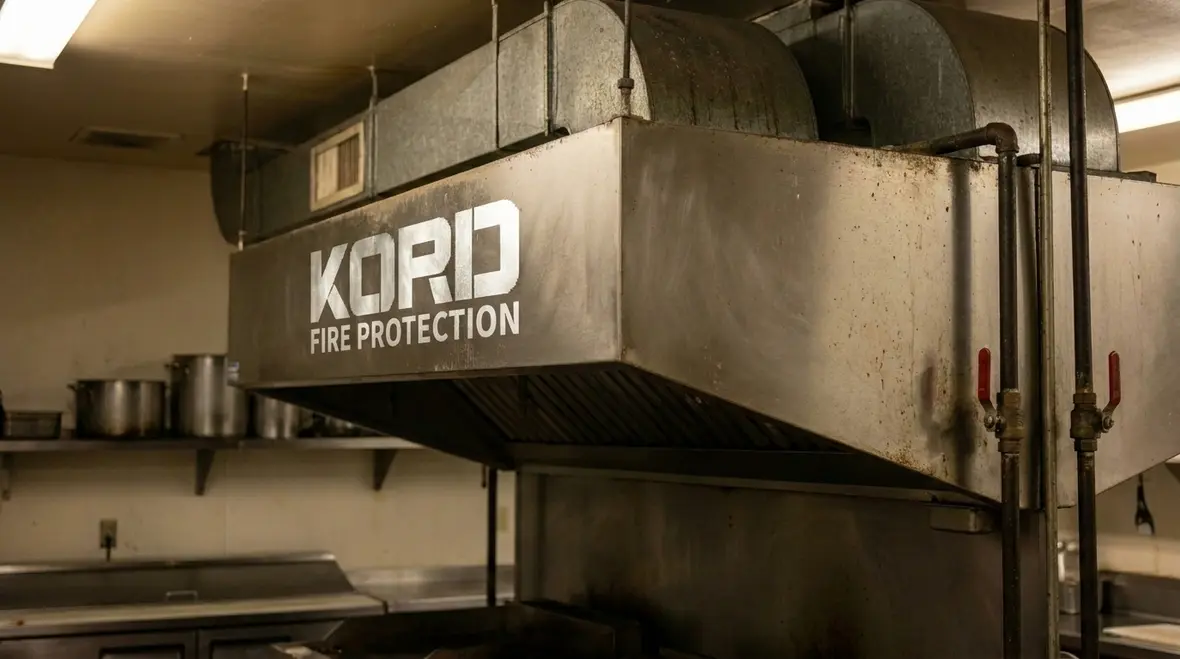
When grease catches, it does not just “burn.” It spreads heat, and then it hunts for more fuel. First, flames intensify and then they climb into hood spaces, ducts, and filters. At that point, shutting off the energy source becomes a key step, not a nice extra.
Gas shutoff components cut the flow of natural gas or propane to key appliances. As a result, the fire has one less accelerant. In practical terms, technicians design the shutdown sequence to coordinate with the suppression agent release. Therefore, the system can stop burner operation while the fire suppression system tackles the flames. That logic lines up with Kord Fire Protection’s explanation of how compliant systems disconnect fuel sources as part of the overall response sequence.
For safety managers, this reduces chaos. Instead of staff improvising with improvised tactics, the building follows a repeatable plan. And yes, that plan beats the classic “grab the closest extinguisher and hope” strategy. Hope is not a fire code. It is also why many facilities compare gas shutoff planning with broader system coverage discussions in Kord Fire Protection’s kitchen fire suppression coverage article before making changes on the line.
Why removing fuel matters so early
Grease fires thrive on heat retention and continuous energy input. If burners stay active under hot metal surfaces, flare ups can return even after initial suppression. Removing fuel early helps the agent do its job, cools the scene faster, and reduces the chance that staff walk back into a kitchen that only looks safe for five dramatic seconds.
Why kitchen fire suppression gas shutoff pairs with agent discharge
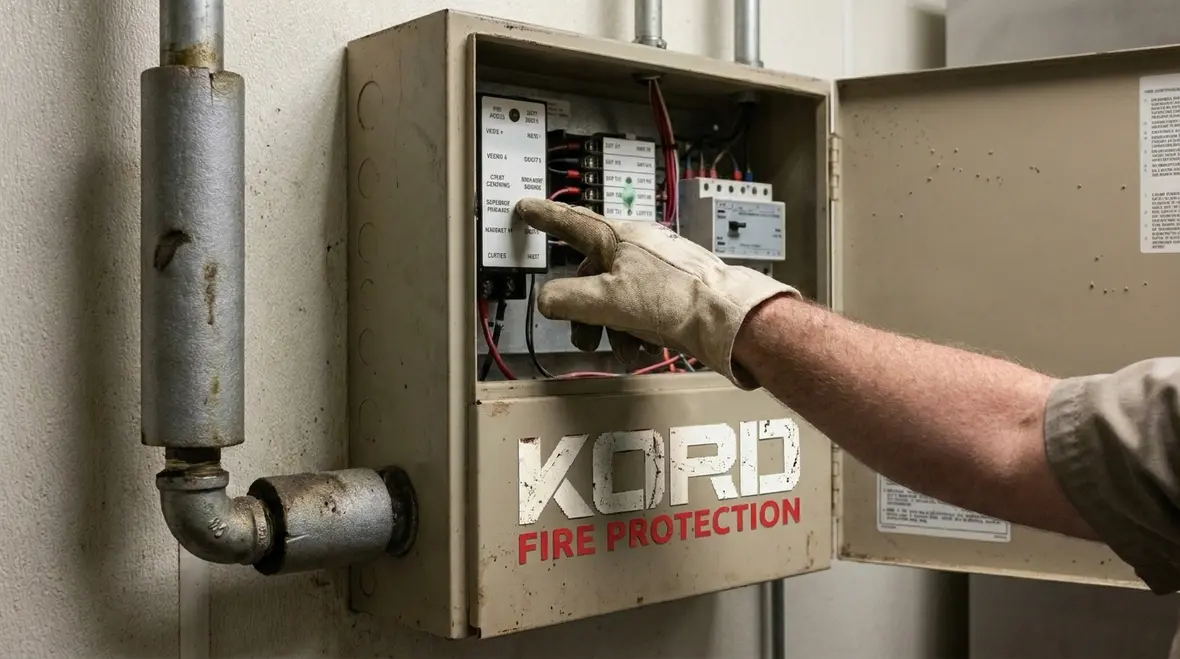
Suppression is not only about smothering or cooling. It also aims to stop the chain reaction that keeps a grease fire alive. Meanwhile, kitchen fire suppression gas shutoff handles what suppression alone cannot do quickly enough, especially when burners still have active fuel flow.
Then the system performs the right moves in the right order. Once the fire detection triggers, the controller can release the extinguishing agent while also commanding fuel shutdown. Consequently, flames lose their heat source and then extinguish more reliably. In addition, the kitchen does not stay in “half on” mode, where burners continue to run and re ignite hot spots. Kord Fire’s UL 300 content repeatedly emphasizes that modern restaurant hood systems are expected to activate quickly, discharge properly, and shut down fuel sources as one coordinated response.
Kord Fire Protection helps teams map this workflow to real kitchen layouts and real equipment. Because every hood, appliance run, and gas line routing has its own quirks. And if someone says “it should be the same everywhere,” that person clearly has never met a kitchen renovation budget. For operators comparing layouts, Kord’s article on commercial kitchen fire suppression electrical interlocks is also useful because shutdown logic and interlocks tend to show up in the same planning conversation.
Discharge without shutdown is only half a strategy
A suppression system can knock down visible flame, but if fuel or power remains live where it should not, hot spots can recover. That is why integrated sequencing matters so much in commercial kitchens. The most reliable design treats discharge, shutdown, and reset procedures as one continuous event instead of three separate tasks taped together with optimism.
What a proper installation sequence looks like in the real world
Even when a design seems straightforward, installers must plan for how the equipment behaves during an alarm. First, they verify the gas supply, appliance type, and valve locations. Next, they confirm wire routing, detection placements, and wiring method compliance. Then they coordinate the discharge system with shutdown timing.
Because this work involves multiple trades, clear communication matters. Electricians, hood installers, and gas technicians all touch the system. So the best approach uses checklists, labeled wiring, and documented test steps. That way, the final assembly behaves the way the plans promised. Kord Fire Protection makes a similar point in its system guides: the equipment has to match the hood, duct geometry, and appliance rating, not just look correct from ten feet away.
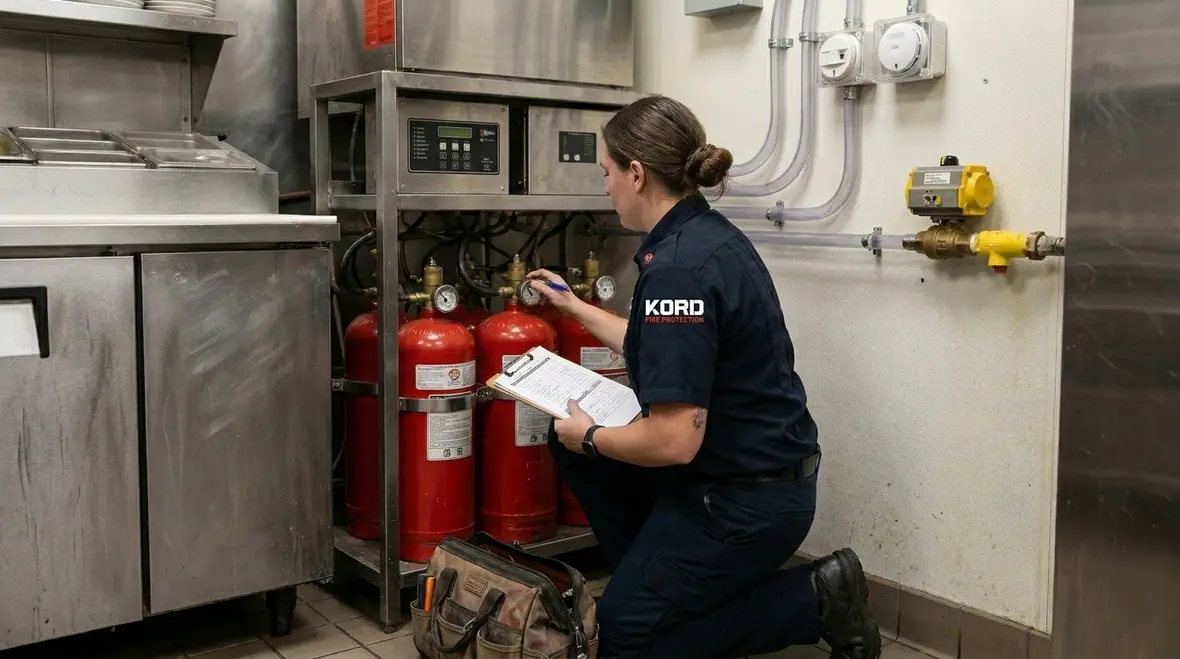
After installation, the job does not end with “it powers on.” Technicians perform functional tests, verify valve response, and confirm the shutdown happens within required timing windows. In the end, the system must respond every time, not just on day one. That same thinking shows up in Kord Fire Protection’s UL 300 and restaurant hood suppression systems article, which explains why performance matters more than box checking.
Maintenance that keeps the system ready for the next alarm
Fire systems fail quietly when nobody checks them. Therefore, the best programs treat inspection like preventive care. For a facility manager, that means scheduled inspections of the detection system, control panel status, and suppression components. It also means confirming the gas shutoff action works as designed.
Key items often include verifying valve actuation, checking for wiring faults, and confirming that detection devices remain clean and unobstructed. Additionally, technicians should review system logs and test results. This makes it easier to spot drift over time, like slow valve response or intermittent signals. Those practical maintenance points connect well with Kord’s broader fire safety content, especially its articles on commercial kitchen system reliability and inspection readiness.
Kord Fire Protection supports this with structured service plans, so maintenance does not become a last minute scramble. And when a kitchen faces a busy season, the last thing operators want is an emergency “system is offline” surprise. Kitchens have enough surprises already, like the staff member who swears the fryer oil was “definitely new.”
Maintenance should prove function, not just fill a calendar
A maintenance visit is valuable when it verifies actual response, documents test results, and identifies weak points before an emergency does. The paperwork matters, sure, but a kitchen manager would usually prefer a tested gas valve over a beautiful binder full of unchecked assumptions.
Compliance and safety documentation for kitchens and staff
Regulations can feel like a maze, but they exist for a reason: consistent life safety. Fire suppression systems and gas shutdown components must meet applicable standards and local requirements. Also, businesses often need documentation for inspections, insurance requests, and internal audits.
A strong safety program builds a clear paper trail. It includes installation records, wiring diagrams, test reports, maintenance history, and operator documentation. Then it trains staff on what to do when an alarm triggers. Training should cover evacuation steps, how to alert managers, and how to avoid turning gas back on prematurely.
Third person roles still matter here. Management assigns responsibilities, and trained staff follow procedures. That structure keeps the kitchen calm and coordinated when everyone else is suddenly “very into emergency mode.” Operators who want a plain language refresher often pair this topic with Kord Fire Protection’s commercial kitchen fire extinguisher requirements article so the human response side is just as clear as the system side.
What to expect during inspection, testing, and performance checks
During an inspection, Kord Fire Protection looks at more than stickers and panel lights. Technicians evaluate the full chain of cause and effect. First, they confirm detection operation and response to simulated alarm conditions. Next, they verify agent release logic and ensure the control sequence triggers correctly. Then they check that fuel shutdown occurs as required.
Technicians also inspect for physical factors that reduce reliability, like damaged lines, improper mounting, or obstructed detection paths. In addition, they confirm the system can be safely reset using the manufacturer approved steps. Because an alarm event is stressful enough; a complicated reset process should not become the next fire.
If a facility uses multiple cooking stations, inspectors also confirm the shutdown strategy covers the right equipment. That matters because a kitchen is not one big burner. It is a set of separate hazards that need targeted control. Kord Fire Protection’s guide on kitchen suppression systems for equipment and grease fires reinforces that point by tying hazard coverage directly to actual appliance risks.
Dual-column planning: pairing gas shutoff with suppression in the same checklist
| Planning step | What it accomplishes |
|---|---|
| Confirm gas source, valve locations, and appliance load | Ensures gas cutoff hits the right equipment quickly |
| Align suppression agent design with hood and duct geometry | Improves extinguishing coverage in real airflow |
| Coordinate controller logic and timing sequence | Prevents fuel flow from continuing during discharge |
| Perform functional testing and document results | Proves reliability for inspections and internal audits |
| Set a maintenance schedule and inspection checklist | Keeps components responsive over the full year |
That checklist approach works because it keeps the gas shutoff conversation tied to actual system behavior instead of vague intentions. Kitchens are busy, retrofits are messy, and nobody benefits from discovering a missing interlock during a fire event. If a facility wants a clearer path from design to support, Kord Fire Protection’s fire suppression services page is the right place to start when the article ends and the real planning begins.
FAQ: kitchen gas shutdown and suppression systems
Conclusion
A kitchen can go from “just cooking” to “serious emergency” in minutes, and fuel flow can make that worse. When facilities pair gas shutoff with kitchen fire suppression, they build a controlled response that protects people and property. Kord Fire Protection brings the right expertise, testing discipline, and ongoing service so the system stays ready, not merely installed.
If it is time to upgrade, inspect, or maintain the setup, reach out through Kord Fire Protection’s fire suppression service page and review the UL300 restaurant systems resource for a code aware plan that fits the kitchen, the schedule, and the very real possibility that tomorrow’s lunch rush will not wait for a weak shutdown sequence to figure itself out.

Join Our Newsletter!
Get the latest fire safety tips delivered straight to your inbox From our Newsletter.