
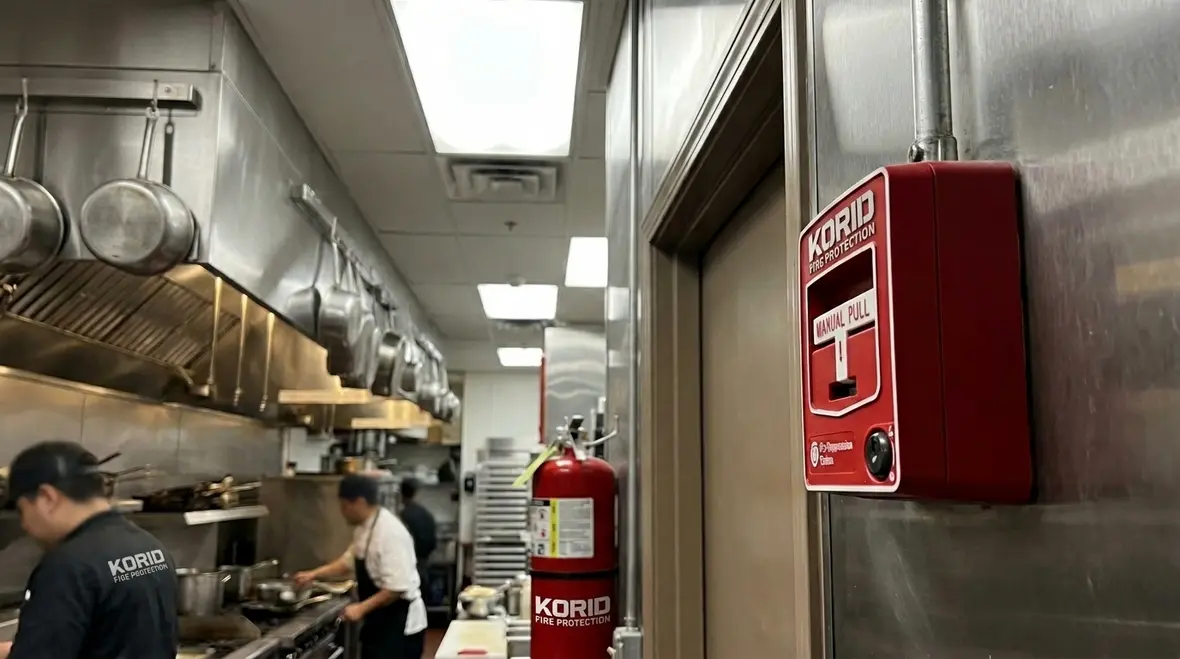
Kitchen Suppression Pull Station for Fast Fire Response
In busy kitchens, the moment heat, grease, or sparks get out of line, every second matters. That is exactly why teams install kitchen suppression pull station devices as part of a modern fire protection plan. A manual pull station gives staff a clear, fast action when alarms alone do not solve the problem quickly enough. Then, when the hood system or suppression setup activates, the hazard gets controlled before it spreads across walls, vents, and everything else that cooks faster than it should.
In practical terms, the pull station is the kitchen’s plain language emergency button. It does not ask anyone to interpret smoke like a philosopher, argue over whether the flare up looks “serious enough,” or stand there hoping the automatic side handles everything on its own. It creates a direct human response that supports the system already designed to protect the hood, duct, and appliances. When seconds count, that kind of simplicity is not dramatic. It is smart.
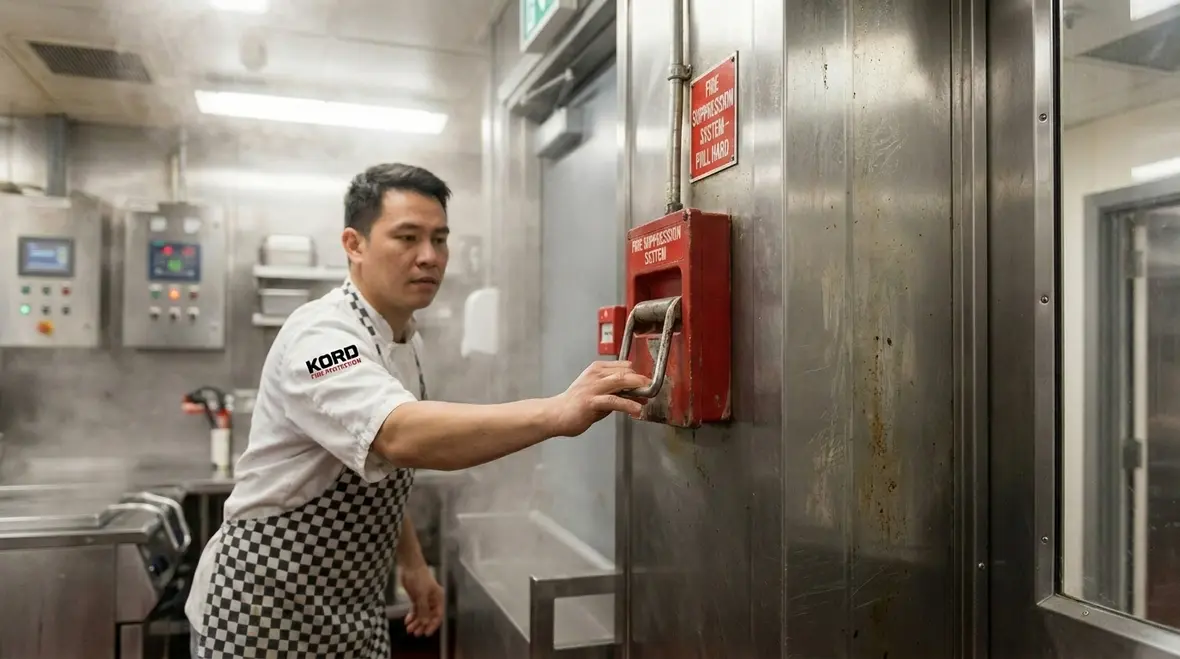
What a manual pull station really does in a kitchen
A manual pull station sits where trained staff can reach it immediately, typically near exits, service paths, or kitchen access points. When a fire starts, someone nearby pulls the handle or activates the trigger, and the system sends a signal to release the proper suppression agent for cooking equipment hazards.
Just as importantly, the station removes confusion. Instead of debating whether it is “just a little smoke” or “the beginning of a horror movie sequel,” the crew follows one clear step. As a result, response times shrink, and the kitchen protects people, the operation, and the building.
In many setups, this manual action becomes the human link between detection and extinguishment. And while automatic detection helps, kitchens often create heavy smoke, heat waves, and steam that can delay or complicate decisions. A manual pull station gives the staff control when they need it most.
Why manual activation still matters
Automatic systems are essential, but they are not meant to turn the staff into bystanders. A trained employee who sees a fryer flare up, a grease fire rolling into the hood, or flames reaching farther than anyone likes can act immediately. That speed can make the difference between a contained event and a kitchen that suddenly becomes the worst room in the building.
Kord Fire’s overview of UL 300 and restaurant hood suppression systems explains how modern commercial kitchen protection depends on coordinated components, including manual pull stations, wet chemical discharge, and appliance shutdown functions. That connection matters because the pull station is not a random accessory on the wall. It is part of a complete response system.
Where manual pull stations should be installed for safety
Placement decides whether the station works when the lights feel like they are about to flicker. Installers evaluate travel distance, visibility, door swing paths, and whether the area stays accessible during typical kitchen events.
In practice, most teams aim for locations that are easy to spot and easy to reach without squeezing through crowded work areas. In addition, installers consider common obstacles such as mop carts, storage racks, and seasonal crowding during peak meal service.
Proper mounting height, durable signage, and clear labeling also matter. If someone cannot read the instructions under stress, the station turns into expensive wall art. Therefore, the station design should match the environment, including glare, steam, and grease exposure.
When the station is installed as part of the full kitchen fire suppression system, it supports a coordinated response rather than a random emergency move. And that coordination is where losses get prevented instead of just survived.
Common placement priorities
- Near an exit or along a clear path out of the cooking area
- Visible enough to spot without a scavenger hunt
- Far enough from the hazard to reach safely during an active fire
- Free from blockage by shelving, carts, boxes, or “temporary” storage that becomes permanent
- Mounted with signage that stays readable in heat, grease, steam, and stress
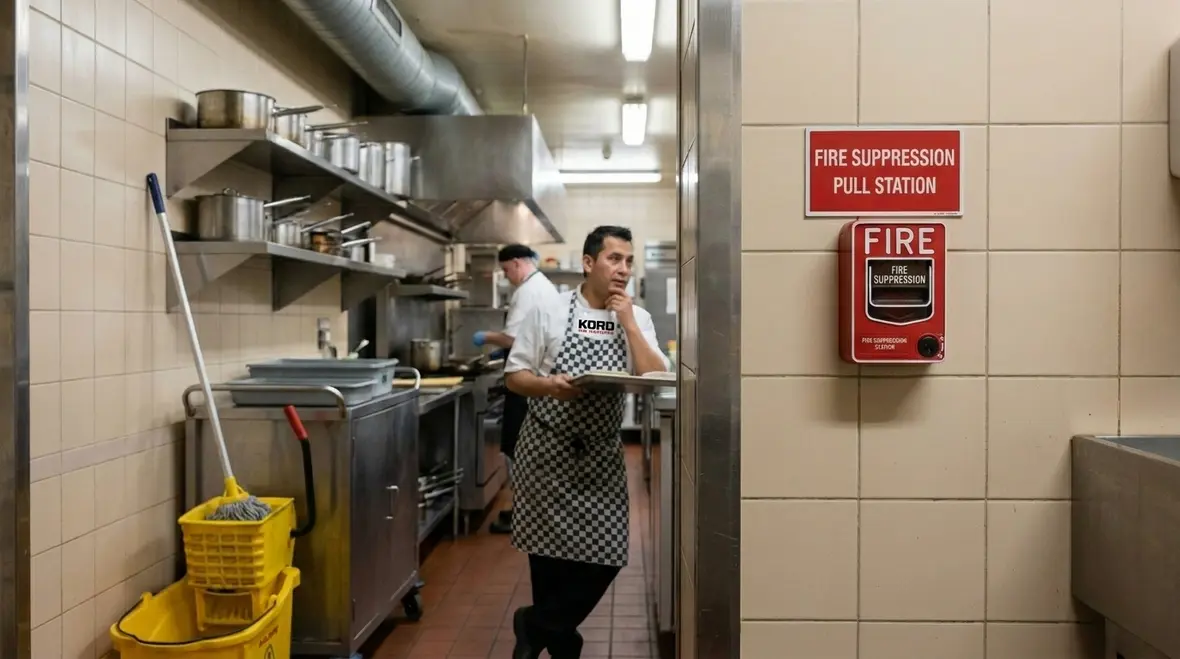
How the kitchen suppression pull station integrates with fire control systems
A kitchen fire suppression system depends on more than one component. The manual station acts like the starting gun. Once activated, it triggers the control sequence that releases suppression in the right way, at the right time, for the protected hazard.
Most designs connect the manual pull station to control panels and release devices, which then manage discharge. Meanwhile, the ventilation controls, alarm pathways, and emergency signaling operate in step with the suppression action. As a result, the kitchen does not just put out flames. It also helps limit spread through the hood and duct system.
In addition, installers confirm the system meets the local requirements and that the wiring and release logic work as intended. They also test the circuit logic during commissioning. That matters because kitchen environments can be harsh, and systems should stay reliable long after the first “big install day” photo.
Finally, a good integration plan includes staff guidance. If the kitchen crew does not understand how the station connects to the overall response, the station might get pulled at the wrong time, or worse, not pulled at all.
How it fits into a modern suppression sequence
Kord Fire’s guide to UL 300 restaurant hood fire suppression highlights how manual pull stations work alongside detection lines, nozzles, release mechanisms, and appliance shutoff steps. In plain English, the station tells the system to stop being polite and start handling the problem.
For owners and managers, this means the pull station should never be treated as a standalone box. It only makes sense when the rest of the fire control sequence is correctly designed, commissioned, and maintained. A kitchen that invests in one part but ignores the rest is basically bringing one oven mitt to a grease fire.
Daily use, training, and inspection to keep the station dependable
Manual devices still need maintenance. A kitchen suppression pull station must remain accessible, readable, and mechanically ready. Dust, grease, and accidental impacts can affect visibility, while wiring and detection circuits can develop faults over time.
Therefore, the operation team should follow a routine inspection plan that includes verifying the station remains unobstructed and checking the system status through the control panel. Technicians should also test the correct indicator response, ensuring the system logs activation signals properly.
Training is not optional either. Staff turnover happens. New hires get hired. Experienced cooks leave. And life in a kitchen moves fast, faster than a meme goes viral. So the training must stay practical: who pulls, when they pull, what they do next, and how the kitchen handles evacuation and shutdown steps.
When training matches real kitchen flow, staff respond with confidence. That is where manual pull station coverage becomes more than compliance. It becomes a quiet form of leadership, the kind that keeps customers eating another day.
Inspection habits that help
- Check that nothing blocks the station during prep, service, or cleanup
- Confirm signage remains legible and obvious at a glance
- Review panel indicators and fault messages regularly
- Include pull station location and use in staff training refreshers
- Reevaluate access after remodeling, equipment swaps, or storage changes
Why Kord Fire Protection can be a vital partner
Installing hardware is only part of the story. Many businesses discover that the real risk shows up later, during inspection cycles, system changes, or troubleshooting after nuisance events. That is where Kord Fire Protection can become a vital partner for kitchen fire suppression service and jobs.
First, a strong partner helps align the manual pull station with the entire suppression layout, including device placement, control logic, and signage that staff can understand under stress. Then, Kord Fire Protection supports ongoing service that keeps systems dependable, not just newly installed.
Second, they help reduce operational downtime. A kitchen cannot afford long shutdown periods, and incorrect troubleshooting costs time. A careful service approach protects the business while still meeting safety expectations.
Finally, they support documentation and routine checks that owners and managers need for audits and internal reviews. When the paperwork matches the physical system, everyone sleeps better. And while no one sleeps perfectly in a restaurant, at least the fire system should.
For broader support, Kord Fire’s fire suppression services page outlines installation, inspection, and maintenance options for commercial and industrial environments, including Kitchen and UL-300 suppression support. That makes it a strong next step for teams that need more than a quick visual check and a hopeful shrug.
Common installation mistakes and how teams avoid them
Even solid companies can stumble on details, especially when timelines get tight. The most common mistakes typically come from placement and communication.
- Blocking the station: If carts, storage shelves, or new layout changes cover the pull area, the station becomes unreachable during emergencies.
- Weak signage: If the label cannot be read at a glance, staff may hesitate, and hesitation is how small events become big incidents.
- Ignoring kitchen workflow: If installers place the station where staff cannot reach during peak service, the device may fail when it matters.
- Missing integration checks: If the manual station does not align with the control panel sequence, the system may fail to operate correctly.
- Skipping routine service: If inspection schedules slip, wiring issues and mechanical faults can develop unnoticed.
To avoid these problems, teams should confirm placement with real floor plans, review the response steps with staff, and keep service aligned with the system’s commissioning history. That approach prevents “surprise failures” and keeps the kitchen’s safety plan strong.
Businesses reviewing older systems may also benefit from Kord Fire’s UL 300 upgrade checklist for commercial kitchens, which explains how equipment changes, outdated layouts, and undersized system components can leave protection behind the realities of a modern kitchen.
FAQ about manual pull stations for kitchen fire suppression
Call Kord Fire Protection for kitchen suppression pull station service
When a kitchen depends on speed and accuracy, fire protection cannot be “set and forget.” A manual pull station supports the whole suppression plan, but only strong service keeps it dependable over time. Kord Fire Protection helps businesses maintain, verify, and troubleshoot kitchen fire suppression systems so staff can act with confidence. Reach out today to schedule an inspection, review your current layout, and make sure your manual pull station coverage matches your real day to day workflow.
If your system needs a closer review, Kord Fire also provides support for UL 300 restaurant systems and broader fire suppression services, giving restaurant owners a clear next move instead of one more thing to worry about during dinner rush.
Quick takeaway
A kitchen suppression pull station gives trained staff a direct way to trigger the response sequence when a cooking fire starts moving fast. When placement, training, integration, and service all line up, the device becomes one of the simplest and most effective tools in the entire kitchen fire protection plan.
Best next step
Review the station’s location, confirm staff know how and when to use it, and schedule service if anything looks blocked, worn, confusing, or out of sync with the rest of the system. In kitchen safety, calm preparation beats dramatic improvisation every single time.

Join Our Newsletter!
Get the latest fire safety tips delivered straight to your inbox From our Newsletter.



