
CO2 Fire Suppression System by Kord Fire Protection
In many facilities, fire protection has to work fast, quietly, and without making a mess that ruins equipment. That is where CO2 fire suppression system solutions earn their keep. In the right setting, carbon dioxide discharges to smother flames and slow the fire from getting the oxygen it needs. And unlike some systems that soak everything, a CO2 approach can keep downtime lower when the protected area matters most. Still, the real win comes when a team like Kord Fire Protection partners on design, installation, inspection, and training. In other words, they help turn a powerful idea into a dependable job, not a “hope and pray” plan.
What a CO2 fire suppression system does in real buildings
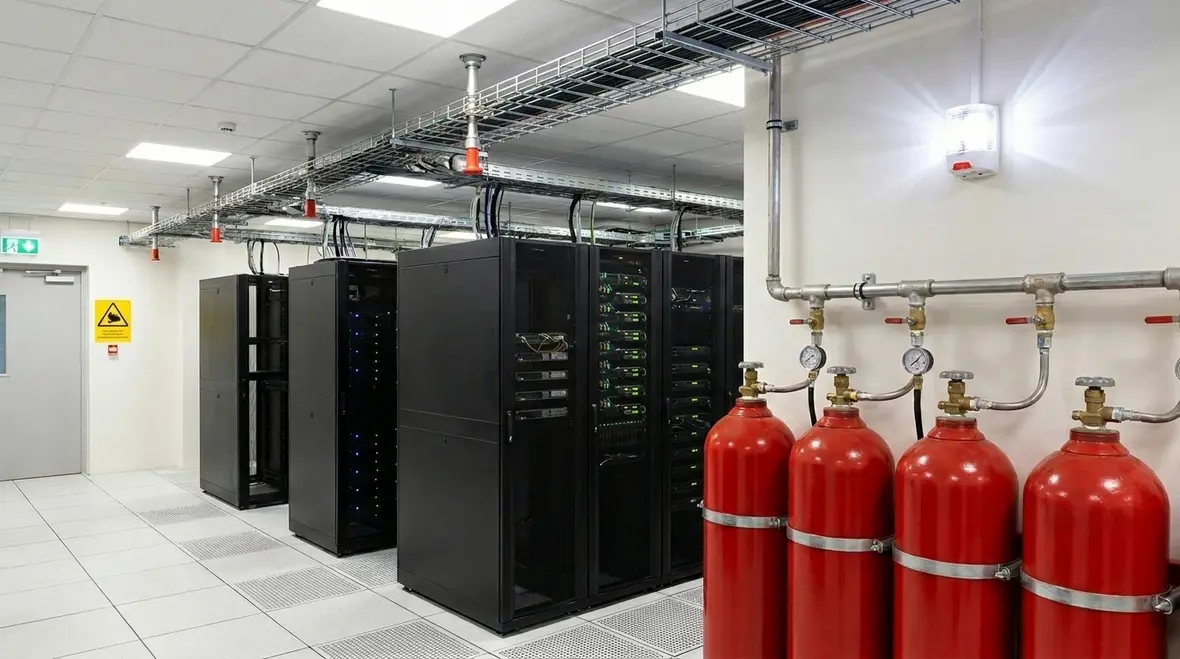
A CO2 fire suppression system uses pressurized carbon dioxide stored in cylinders or tanks. When a protected space detects a fire, the system releases CO2 into that area. The gas spreads and reduces the oxygen level around the flames. As a result, combustion slows and the fire cannot sustain itself. Kord Fire Protection explains that CO2 systems work by displacing oxygen, leave no residue, and are commonly used where water based suppression is not ideal, especially for Class A, B, and C hazards in the right enclosure conditions. ([kordfire.com](https://kordfire.com/co2-fire-suppression-systems/?utm_source=openai))
Unlike sprinkler systems that spray water everywhere, the CO2 fire suppression system focuses on total flooding, meaning it targets the atmosphere within an enclosed or semi enclosed space. Therefore, it fits well where equipment is sensitive, where water damage can be costly, or where airflow control matters. Think of it like locking a room and taking away the fire’s favorite snack: oxygen. For readers comparing options, Kord’s overview of fire suppression system types is a helpful internal resource because it shows where CO2 fits among other suppression approaches. ([kordfire.com](https://kordfire.com/fire-suppression-system-types-explained/?utm_source=openai))
Why this matters for downtime and equipment protection
The practical benefit is not just extinguishment. It is business continuity. Electrical rooms, process enclosures, and sensitive control spaces often cannot afford a fire event followed by a water cleanup event. That is why a properly designed CO2 setup can be such a strong fit. It attacks the fire fast, avoids residue, and helps owners protect both operations and assets when every minute of downtime starts getting expensive in a hurry. Kord’s CO2 service page specifically highlights high value assets and the no residue benefit as core reasons these systems are chosen. ([kordfire.com](https://kordfire.com/co2-fire-suppression-systems/?utm_source=openai))
Where CO2 works best and where it does not
CO2 protection makes sense in spaces that can be sealed enough to hold the gas long enough to do its job. Kord Fire Protection points to non occupied or lightly occupied enclosures, electrical hazards, industrial spaces, and sensitive equipment rooms as common applications, while also stressing that enclosure behavior affects success. Common examples include computer rooms, electrical switchgear rooms, turbine or generator enclosures, and certain industrial process areas. However, it does not perform the same way in areas with heavy ventilation, open layouts, or frequent door traffic that lets the gas escape. ([kordfire.com](https://kordfire.com/co2-fire-suppression-systems/?utm_source=openai))
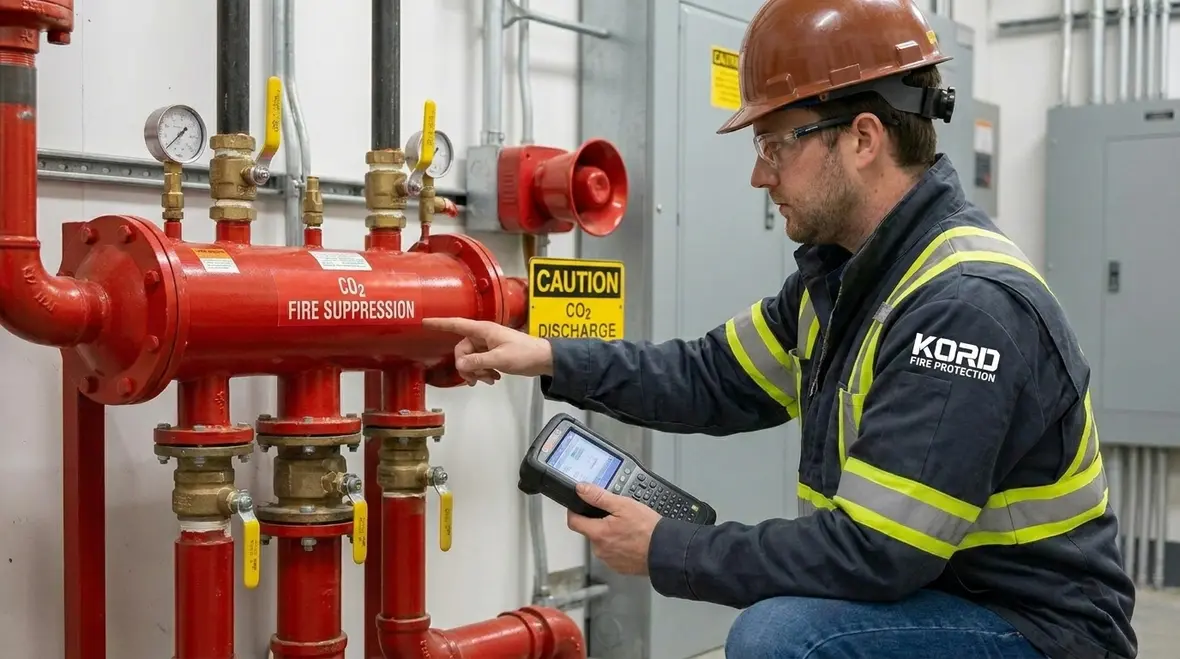
Also, CO2 impacts people. So the system must follow strict safety rules. Alarms, signage, and clear evacuation procedures help keep occupants away during discharge. That is why a competent partner matters. Kord Fire Protection can evaluate the facility layout and operating patterns, then recommend an approach that aligns with code, safety, and practical use, not just a textbook answer. Their article on CO2 fire suppression system safety and alarms reinforces that interlocks, alarms, and evacuation procedures are not optional features. ([kordfire.com](https://kordfire.com/co2-fire-suppression-system-safety-and-alarms/?utm_source=openai))
The rooms that usually make the best candidates
The best candidates are the spaces where the hazard is real, the enclosure can hold concentration, and the contents inside would suffer if water were the answer. That usually means rooms with controls, switchgear, generators, process equipment, or specialized industrial systems. If the area is constantly occupied, drafty, or casually left open all day, the conversation often shifts toward other technologies. A system is only smart when it matches the building people actually use, not the one drawn in a perfect diagram.
How the discharge process stays controlled and reliable
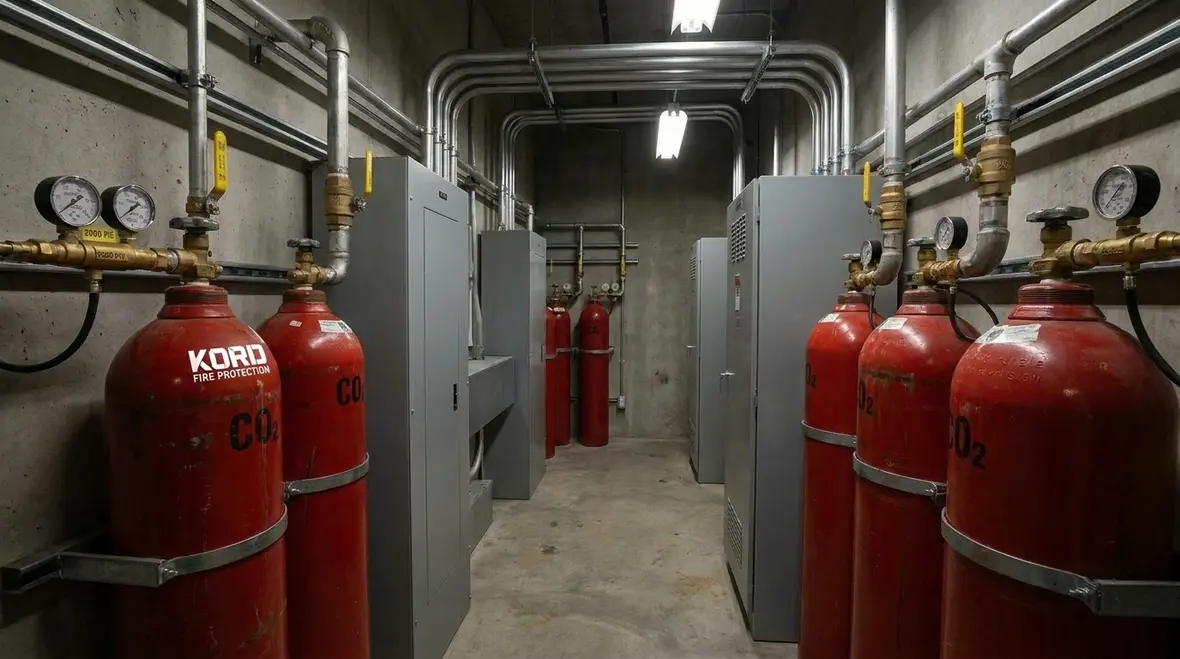
To keep the discharge dependable, the system relies on several connected parts. First, detection devices sense smoke, heat, or flame conditions. Then, the control panel confirms the event based on programmed logic. After that, the system activates release mechanisms and opens the CO2 valves or discharging outlets. Kord’s CO2 system overview describes the same core sequence: detection, activation, discharge through piping and nozzles, and oxygen displacement to suppress combustion. ([kordfire.com](https://kordfire.com/understanding-co2-fire-suppression-systems/?utm_source=openai))
Next, the design determines how CO2 flows into the protected space. Engineers use calculations to manage distribution and reach the needed concentration. Consequently, proper piping, nozzle placement, and cylinder sizing affect performance. If the layout is wrong, the system may discharge, but it may not hold the right conditions long enough. That is one reason Kord Fire Protection emphasizes custom design, code compliance, and service by qualified personnel rather than one size fits all shortcuts. ([kordfire.com](https://kordfire.com/co2-fire-suppression-systems/?utm_source=openai))
Finally, the system includes safeguards such as time delays, manual abort stations when allowed, and interlocks with ventilation controls. In other words, the system should coordinate like a well rehearsed team, not like a group chat where everyone replies at random times. Kord’s recent safety article specifically highlights safety interlocks, alarms, and evacuation needs as core design elements for responsible CO2 deployment. ([kordfire.com](https://kordfire.com/co2-fire-suppression-system-safety-and-alarms/?utm_source=openai))
Key safety components that protect people and equipment
Because CO2 reduces oxygen, safety design becomes just as important as fire knockdown. A robust installation includes clear audible and visual alarms, automatic door closures where required, and warning signs in the protected area and throughout access routes. Kord Fire Protection’s CO2 safety guidance underscores that the gas can threaten occupants if not handled correctly, which is why alarms and evacuation layers matter so much. ([kordfire.com](https://kordfire.com/co2-fire-suppression-system-safety-and-alarms/?utm_source=openai))
In addition, many systems include discharge delay timers. This gives people a chance to evacuate and helps prevent exposure during accidental triggers. Where the design calls for it, cross zoned detection can reduce nuisance discharges by requiring multiple confirming inputs before release. Kord Fire Protection becomes vital here because they handle the details that get missed when teams rush. For example, they verify coverage, review cylinder locations, confirm discharge paths, and coordinate commissioning so the facility can trust the sequence of operations. When a CO2 fire suppression system works correctly, the building stays calm long after everyone else feels like a movie character sprinting for the exits.
Why safety planning is never the boring part
The irony with CO2 systems is that the fire fighting power people like most is exactly why the life safety planning has to be taken seriously. Fast suppression is great. Fast suppression in the wrong room with poor warning strategy is not. Good design gives people time to react, tells them exactly what is happening, and helps the system do its work without turning a preventable hazard into a secondary emergency.
Design and installation considerations for contractors and owners
Successful projects start before any cylinder is set on the ground. First, the scope identifies the protected hazard, the expected fire type, and the integrity of the enclosure. Then, the design accounts for leakage, door openings, and ventilation behavior. A room that seems “closed” on paper may behave like a drafty attic in real life. Kord’s broader fire suppression design and maintenance content supports the same point: suppression performance depends on matching the system to the actual hazard and maintaining readiness over time. ([kordfire.com](https://kordfire.com/fire-suppression-system-design-types-and-maintenance/?utm_source=openai))
Next, contractors must plan for electrical power, detection wiring, and agent release wiring. They also ensure that pipe runs meet pressure and flow requirements. Furthermore, they coordinate with electrical and building systems so detection, alarms, and shutdowns work together. During installation, labeling and documentation matter. Kord Fire Protection supports owners by providing clear documentation, start up verification, and the closeout details that help in inspections. That way, the equipment stays maintainable, and the facility does not end up scavenging for answers when a controller trips or a valve needs service.
Maintenance, inspection, and testing that keep the system ready
After installation, the system requires ongoing care. Routine inspection checks cylinder pressure, gauge readings, valve condition, agent quantity, and the integrity of tubing and nozzles. Visual checks also confirm that nozzles remain unobstructed and that detection devices stay clean and functional. Kord Fire Protection states that its technicians provide installation, maintenance, testing, and repairs to keep CO2 systems in NFPA and code compliance. ([kordfire.com](https://kordfire.com/co2-fire-suppression-systems/?utm_source=openai))
In addition, periodic functional testing ensures the control panel responds properly. That includes alarm outputs, delay timers, and the correct sequence of release commands. Because CO2 systems depend on timing and concentration, maintenance should never get treated like an optional “someday” task. Kord Fire Protection helps keep this process simple for facility managers by scheduling inspections, tracking compliance needs, and training staff on what to expect. As a result, teams can avoid the classic problem: a system that looks good on inspection day and then underperforms the moment a real event happens. Nobody wants that sequel.
If your facility’s suppression system ties into alarm monitoring or detection workflows, Kord also offers related fire alarm services that can support coordination between detection, notification, and release logic near the inspection and service side of the equation. ([kordfire.com](https://kordfire.com/fire-alarm-service-systems/?utm_source=openai))
FAQ about CO2 fire suppression systems
Conclusion: choose a partner that treats CO2 like mission critical
A CO2 fire suppression system can protect high value spaces fast, especially when water damage is a real risk. Yet performance depends on design accuracy, safety sequencing, and steady maintenance, not luck. Kord Fire Protection can help facilities plan the right coverage, install with confidence, and keep the system ready through inspections and testing. If someone is waiting for a “perfect day” to improve fire safety, that day usually never shows up.
For a direct next step, visit Kord Fire Protection’s CO2 fire suppression systems service page to review how installation, repairs, maintenance, and testing are handled, or explore their broader fire suppression services if your facility needs a wider strategy. Contact Kord Fire Protection now to review your hazard and next steps. ([kordfire.com](https://kordfire.com/co2-fire-suppression-systems/?utm_source=openai))

Join Our Newsletter!
Get the latest fire safety tips delivered straight to your inbox From our Newsletter.



