Fire Suppression System Installation Mistakes to Avoid
Fire suppression system installation mistakes can turn a well built building into a problem movie sequel nobody wants to watch. In the first place, rushed layout decisions lead to coverage gaps. Next, wrong pipe sizing and sloppy hangers cause poor flow when it matters most. Then, neglecting proper approvals and testing leaves the system unready, like a smoke detector with “low battery” permanently taped over. And yes, skipping the inspection and documentation steps often becomes the quiet villain, showing up after the fire report. Fortunately, when a project uses the right planning, the right materials, and the right checks, the job performs the way it should. That is exactly where Kord Fire Protection can become a vital partner, guiding sites from design through commissioning.
Understanding fire suppression system coverage before a single pipe gets placed
Good installation starts with understanding the building and its hazards. However, many teams begin by mounting equipment first, then “figuring out” coverage later. That order usually causes the fire suppression installation mistakes that lead to dead zones. Instead, the installer should map likely fire sources, room uses, ceiling height, obstructions, and airflow patterns. For example, a warehouse aisle with tall rack shelving behaves differently than a clean office hallway. Also, concealed beams and ductwork can interfere with spray patterns or sprinkler activation. Therefore, the installer needs to follow the correct design criteria and manufacturer data, not gut feel or old drawings from a previous tenant.
In addition, a proper site walk helps confirm dimensions and field conditions. Even a minor difference in ceiling height can change spray coverage and activation characteristics. And if the project moves fast, that walk becomes the pause that saves money later. After all, leaks and rework are expensive, and they never arrive on schedule like a contractor’s estimate. For teams also thinking about long term system performance, Kord Fire Protection’s water supply reliability analysis for fire suppression systems adds helpful context on how dependable flow planning supports real world results.

Common fire suppression installation mistakes at the piping and layout stage
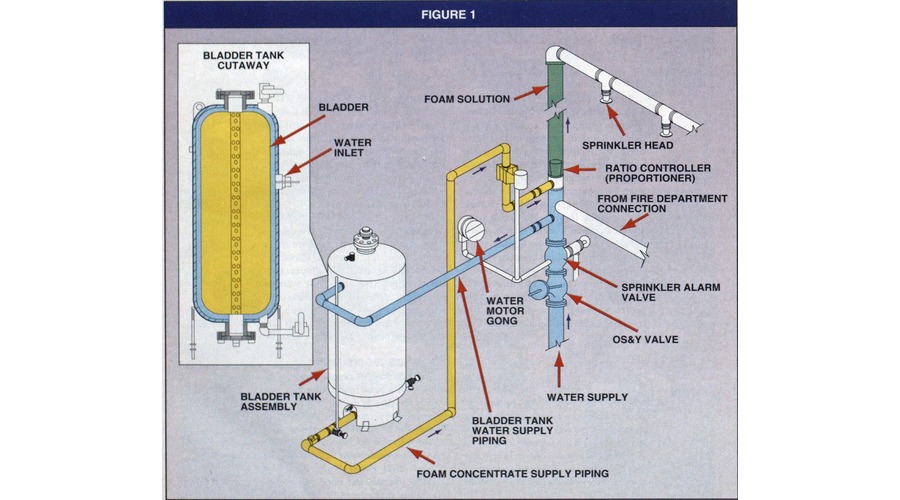
Piping is not the place for improvisation. First, poor pipe routing can put weight in the wrong spots and force the system into awkward turns. Next, wrong pipe diameter or slope can affect flow, which can reduce performance. Then, inadequate support and spacing can cause sagging, misalignment, and stress on fittings. Finally, missing or incorrect control valves can prevent isolated sections from operating as intended.
To avoid these fire suppression installation mistakes, the installer should verify every measurement, use approved fittings, and install hangers and braces that meet code. Also, they should keep proper clearance around sprinklers so the devices respond correctly. It is wise to confirm the layout with a review team before installation locks the configuration in place. Otherwise, the first sign of trouble may appear during inspection, when everyone suddenly becomes an expert on “why this never happened before.”
Why coordination beats rework every time
A layout that looks fine on paper can still collide with actual framing, equipment, ductwork, and access zones. That is why field verification matters before crews commit to full installation. It is also why related Kord guidance like fire alarm system cabling best practices for reliable safety reinforces the same point from another angle: planning first saves time later, and saves the project from the classic “we thought we had room” moment.

Why wrong component selection creates hidden failure points
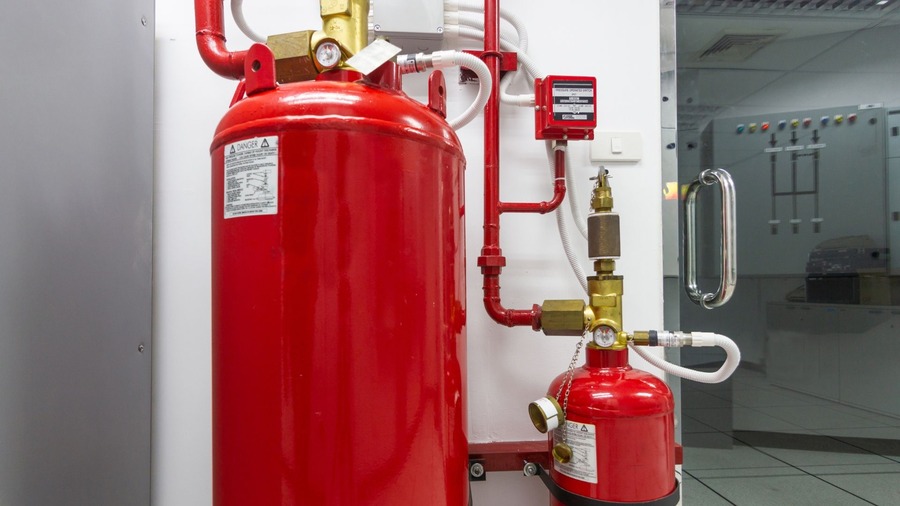
Different systems use different components for a reason. Yet many jobs fail here by mixing parts without confirming compatibility. For example, using the wrong heads for a ceiling type, selecting fittings that do not match the specified pressure ratings, or installing non approved materials can create failure points that only show up under actual conditions.
Additionally, the choice of materials must match the environment. Corrosion risk in coastal or chemical areas demands careful selection. Temperature exposure affects activation characteristics. And the presence of dust, steam, or dampness influences maintenance needs. So, the job should follow the design documents and manufacturer requirements, not “this looks similar” logic.
This is where Kord Fire Protection adds value as a vital partner. They help teams align the right components, verify compatibility, and keep installation aligned with the expected system behavior, so the end result matches what the building needs, not what a parts cart happened to include. That same practical focus shows up in Kord’s Argonite fire suppression inert gas protection article, where installation pitfalls and commissioning gaps are treated like the very real troublemakers they are.
Testing, commissioning, and documentation that actually hold up
Installing a system is only half the job. Then comes testing, commissioning, and documentation. Unfortunately, some projects treat testing like a checkbox, not a requirement. They may skip pressure tests, delay functional checks, or fail to adjust and verify alarms and water flow indicators. As a result, the system may pass a quick visual review but fail when it needs to operate fully.
Moreover, documentation matters because it becomes the building’s memory. Clear as built drawings, device listing details, valve locations, test results, and maintenance schedules help future teams respond faster. They also reduce disputes during insurance reviews or occupancy signoffs.
Kord Fire Protection can support this stage by guiding commissioning steps, coordinating testing sequences, and ensuring the paperwork matches what was built. That means fewer surprises and smoother handoffs, which is great for owners and even better for the team that has to defend the system later. If you want a closely related read, comms room fire suppression mistakes and fixes is a useful internal resource because it shows how small oversights in protected spaces can turn into expensive headaches.
Sealing, corrosion control, and workmanship details that prevent future headaches
Even when the layout and components are correct, workmanship can still create problems. Threads that do not seal properly, unprotected pipe sections, poor joint practices, and missing caps can lead to corrosion and leaks. In addition, valves and hangers installed without care can create vibration issues. Over time, that turns a stable system into a noisy headache. And nobody wants to listen to a system that sounds like it is auditioning for a horror movie.
Therefore, the installer should manage cleanliness during installation, protect exposed lines, and follow proper joint procedures. Where corrosion risk exists, the system may need additional protective measures, and the team should coordinate that early. Also, they should verify that all inspections take place at the right stages, not after the ceiling is closed. When teams wait until the end, repairs become bigger and more disruptive.
Small workmanship misses become large maintenance bills
This part is easy to underestimate because the system may look finished long before it is truly ready. But sealing quality, corrosion protection, and neat installation habits often decide whether the system stays dependable or starts collecting service calls like trading cards. Kord’s broader fire suppression system impairments article also connects the dots between hidden deficiencies and very visible operational problems later on.
Coordination with other trades to avoid coverage and access conflicts
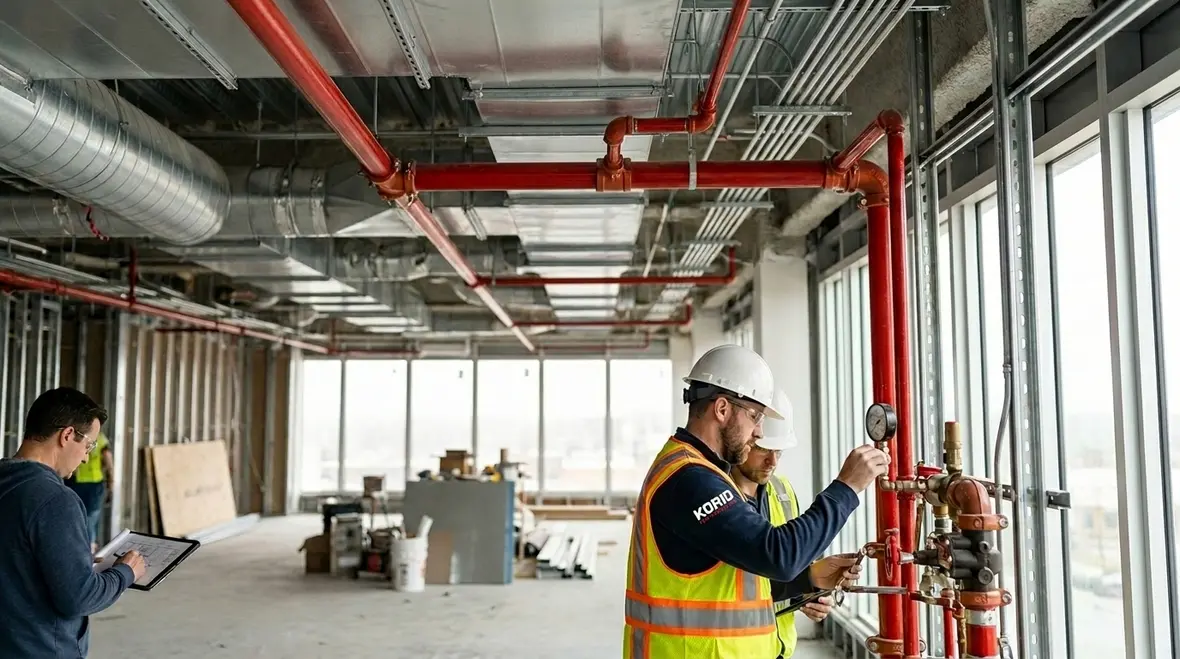
Construction does not happen in a vacuum. Electricians, duct installers, and ceiling contractors all work in the same space. That means fire suppression system installation mistakes can appear when other trades modify areas around the system without coordination. For instance, duct runs can block sprinkler discharge patterns, or a ceiling rebuild can reduce clearance where it matters most. Also, missing access panels can prevent future inspection and maintenance.
To prevent this, teams should plan a clear workflow. Fire protection layout needs to lock before ceilings close. Trades should coordinate penetrations and avoid relocating devices without approval. Also, access routes should remain clear so maintenance technicians can reach valves and test points safely.
Here is a practical approach: hold short coordination meetings and create a field marking process. Then, use checklists to confirm the system remains “untouched” by changes that do not align with the design. It may feel like extra work today, but it saves time later, and it stops the classic scenario where the ceiling gets installed and then everyone argues about who moved what.
How Kord Fire Protection supports safer installs from plan to closeout
When Kord Fire Protection joins the job as a partner, it strengthens the project at the exact points where fire safety depends on details. They help teams align the plan with real site conditions, verify component choices, and support disciplined testing and commissioning. Then they keep documentation organized so owners, managers, and future technicians can understand the system without digging through a drawer of mismatched papers.
In other words, Kord Fire Protection helps reduce uncertainty. And in fire protection, uncertainty is expensive and risky. With a steady process, teams deliver systems that perform, pass inspection, and stay easier to maintain. Near the end of any project, it also helps to connect that planning mindset with real service support, which is why Kord’s full fire protection services page makes a strong next step for owners and managers who want one partner for installation, inspection, testing, and ongoing readiness.
FAQ
Conclusion and next step
Fire suppression system success comes from the boring details done right, early, and on purpose. When teams avoid fire suppression installation mistakes like coverage gaps, rushed piping decisions, and weak commissioning, the system performs when it matters. That is the difference between a system that looks complete and one that is actually ready to protect people, property, and operations.
To protect the investment and keep the building safer, the project should move with a real partner, not just a vendor. Kord Fire Protection can help guide the process from plan to closeout with clear checks and strong documentation. Schedule a consultation with Kord Fire Protection today and build confidence into every step.

Join Our Newsletter!
Get the latest fire safety tips delivered straight to your inbox From our Newsletter.