
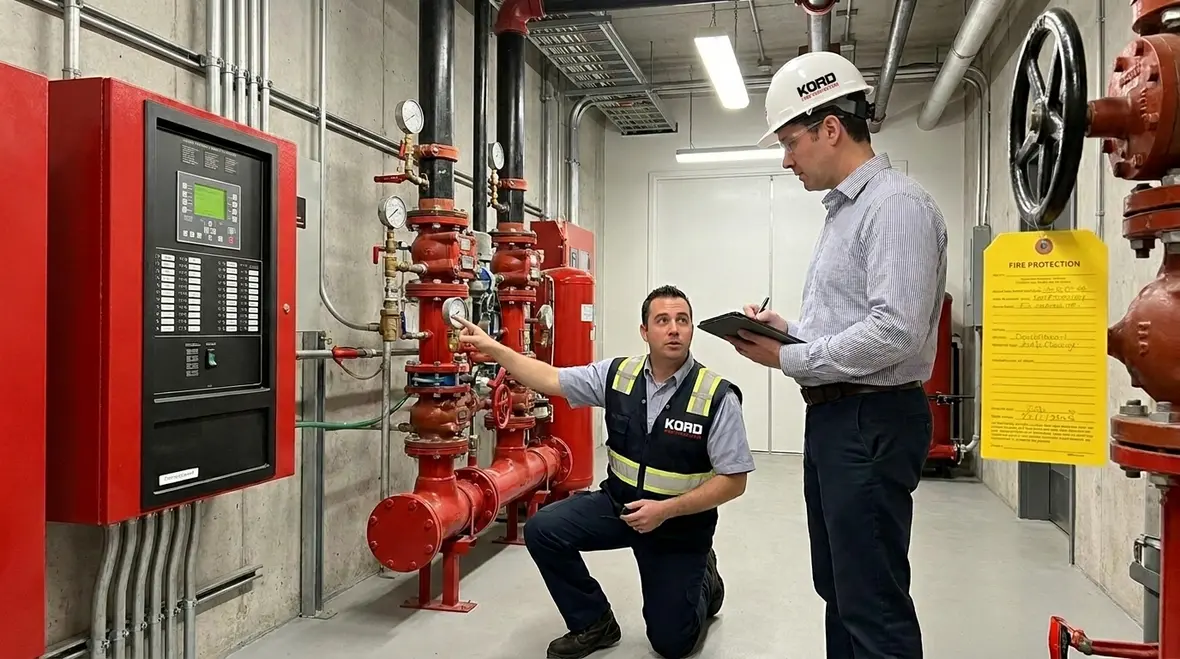
Fire Suppression System Impairments: What Owners Must Do
Fire suppression system impairments can quietly turn life safety equipment from “ready to respond” into “maybe later.” Owners often discover this the hard way, when inspections flag trouble, operational tests fail, or a system looks fine on paper but behaves poorly in the real world. In this guide, third person experts walk through what fire suppression impairment means in plain terms, where it shows up most, and what owners can do to stay compliant and protected. They also explain how Kord Fire Protection can become a vital partner for owners managing these issues, especially when time, documentation, and follow through matter as much as the hardware itself.
Fire suppression impairment: what it really means on site
A fire suppression impairment is a condition where part or all of a system is not fully capable of doing what it should during an emergency. The key point is capability. A system may look installed and powered, yet still fail when it matters. Fire suppression impairment can happen because of maintenance delays, damaged components, improper shutdown procedures, or field changes that never got updated to the system’s design basis.
In practice, owners should treat impairments like a storm warning. The sky can look calm, but the risk increases. For example, if a valve is out of service, a section of piping cannot deliver agent. If detection devices are disabled, the system might not trigger. And if technicians skip verification tests, the “it should work” assumption becomes wishful thinking. That’s fun in movies. It is not fun during a real alarm.
This is also where owners get tripped up by appearances. A panel can still have power. A tank can still be present. A control room can still look tidy enough to impress a clipboard. But if a shutdown happened without proper coordination, if a device stayed bypassed after construction, or if a repair was never fully verified, the building is carrying hidden risk. That is why impairment management is less about assuming and more about proving.
Common impairment causes owners can spot early
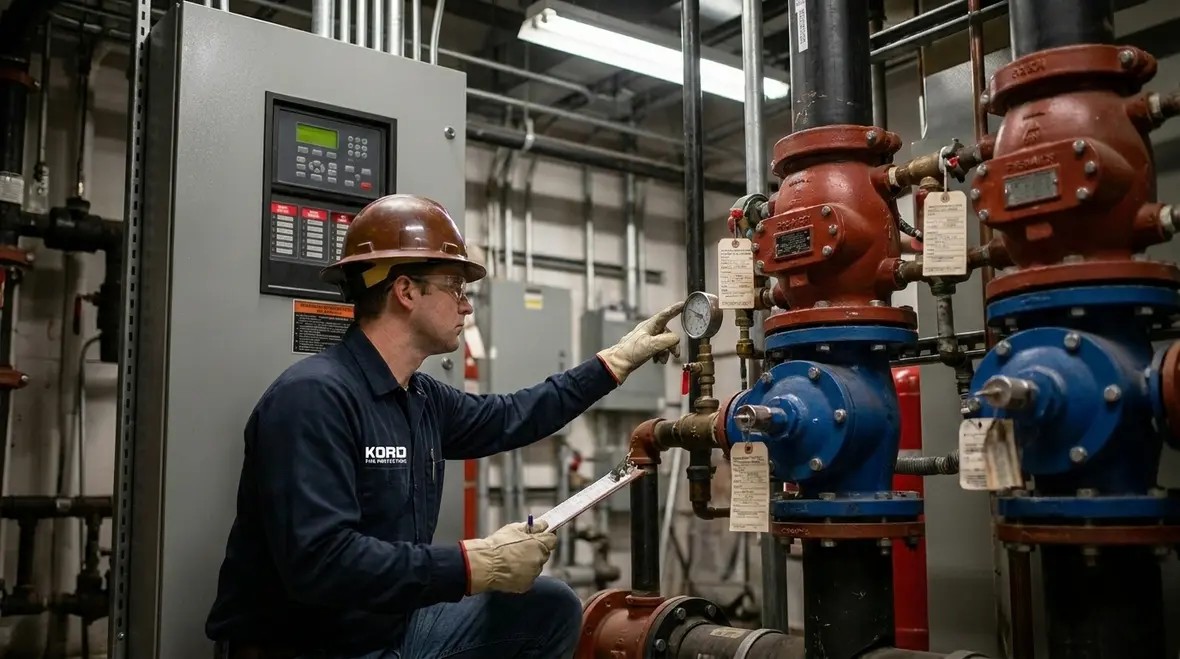
Owners do not need to become fire protection engineers to catch red flags. However, they should watch for repeat patterns and ask sharper questions. Fire suppression system impairments often come from a few predictable sources. And once the root cause repeats, the odds of it harming compliance and protection rise quickly.
Common causes include:
- Valves and control equipment out of normal position, sometimes after maintenance or construction work
- Disabled detection during renovations, tenant turn changes, or nuisance alarm troubleshooting
- Low pressure or agent issues, especially after inspections that reveal drift or slow leak symptoms
- Damaged piping or fittings from impacts, corrosion, or improper tool use during projects
- Documentation gaps, where changes get done but records do not match field reality
- Improper system shutdown coordination, when impairments occur without proper notice, permits, and contingency planning
Additionally, weather, water issues, and ongoing facility usage can create slow changes. Therefore, owners benefit from consistent walkthroughs that focus on what the system actually does, not just what paperwork says.
One of the sneakiest patterns is the issue that technically started as temporary and then decided to settle in like it pays rent. A disabled device during remodeling becomes forgotten. A valve closed for service never gets restored to its proper position. A known deficiency gets verbally acknowledged, but nobody assigns ownership for closing it out. By the time the next inspection arrives, the site is no longer dealing with one small hiccup. It is dealing with a stack of unresolved risk.
For owners, the lesson is simple. The earlier a repeat issue is recognized, the easier it is to control. Small impairments become expensive and disruptive mostly when they are allowed to age in place.
How impairments affect compliance and response time
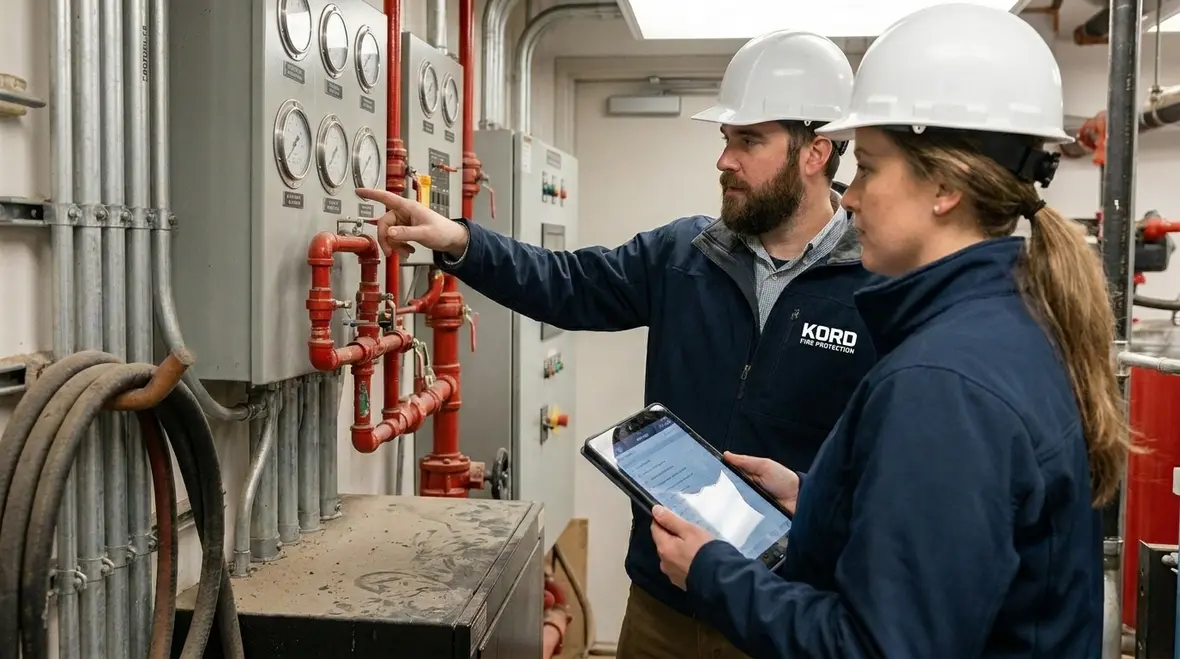
When a suppression system sits impaired, multiple risks increase at once. First, the system may not discharge at the right time. Second, responders may face uncertainty because alarms and indicators do not reflect full readiness. Third, inspection outcomes can become worse over time as impairments stack up.
Most jurisdictions expect owners to manage impairments with clear process controls. That usually includes timely repair, proper notification, and documented verification when the system returns to service. If an impairment lasts too long, authorities may require corrective actions beyond simple fixes.
From a response viewpoint, delays matter. If detection does not signal, the system cannot act. If discharge pathways are blocked, agent delivery becomes partial. And if the system reverts without verification, crews may assume protection exists when it does not. In other words, impairments can stretch the critical minutes between “something’s wrong” and “we’re protected.”
That gap is what makes impairment management so important. Owners are not just dealing with a repair ticket. They are dealing with a period where risk, confusion, and liability all get louder at the same time. A system that is partly available is not the same as a system that is reliably ready, and emergency events are not known for rewarding optimism.
What owners should do during inspections and remedial work
Strong owners respond to findings fast, and they respond with structure. They also ask questions that force clarity. Instead of simply asking, “Can you fix it?” a business focused approach asks, “What failed, what caused it, what proof confirms readiness, and when will it return to service?”
Here is a practical workflow experts recommend:
- Review impairment details immediately and ensure the team understands scope, affected zones, and duration
- Confirm the system type and coverage, since different systems behave differently under impairment
- Build a repair plan that includes parts lead time, access scheduling, and verification steps
- Coordinate shutdown and contingency steps so safety does not rely on luck
- Document actions and reset procedures, including the “before and after” condition
- Verify performance before restoring full service, not after a technician leaves
Next, owners should avoid the “temporary workaround” trap. If the workaround is not designed as a formal contingency and verified, it can quietly become the new normal, and new normal is where problems breed like a villain from a comic book.
Inspections should also be treated as decision points, not paperwork events. The service report is useful, but its real value comes from what happens next. Someone has to own the schedule, approve access, track the repair, verify the correction, and store the records where they can actually be found later. Owners who do this well usually are not more dramatic. They are just more organized, and organization wins a lot of battles before they turn into emergencies.
Dual approach: paperwork control and on site verification
Owners who manage impairments best treat compliance as both a document problem and a field problem. That means they keep records tight while also confirming the equipment works where it lives. That dual approach supports smoother inspections and faster closures.
| Document control | Field verification |
|---|---|
|
|
This balanced method prevents the classic mismatch where the binder says everything is fine while the equipment is privately having a very different opinion. Records support accountability, but field verification supports reality. Owners need both.
Why Kord Fire Protection becomes a vital partner
Owners often see fire protection as a vendor they call when something breaks. Yet during fire suppression system impairments, the best outcomes come from a partner who can manage details, timelines, and verification like it matters. Kord Fire Protection supports owners by helping them reduce downtime, tighten documentation, and restore readiness with care.
When impairments occur, time moves fast and expectations rise. Kord can help coordinate corrective work, confirm system performance, and keep the owner aligned with inspection needs. That matters because the real goal is not just “passing a test.” The goal is getting reliable protection back into service, with proof that the system can respond as designed.
Additionally, Kord helps owners prevent repeat problems by identifying patterns, such as recurring valve issues, construction impacts, or recurring documentation gaps. Owners do not need a magician. They need a steady process. And that is where a committed partner pays off, like having an experienced co pilot when the checklist matters.
Owners looking to strengthen procedures can also review Kord Fire Protection’s impairment planning guidance in the Fire Protection Impairment Management Guide. For broader system support, inspections, repairs, and response planning, Kord also offers fire suppression system services throughout Southern California. These resources help connect the immediate repair issue to the bigger goal of dependable readiness. ([kordfire.com](https://kordfire.com/fire-protection-impairment-management-guide/?utm_source=openai))
FAQ: fire suppression impairment essentials
Owner next steps: act now, protect fully
When a fire suppression impairment shows up, owners should not wait for the next inspection cycle. They should review findings right away, plan repairs with clear timelines, and require verification before returning to full service. A calm, prepared owner prevents avoidable risk, speeds closure, and keeps the system ready when it must work.
Then, for dependable documentation, corrective support, and on site readiness, they should team up with Kord Fire Protection’s fire suppression specialists. Contact Kord Fire Protection today to start a focused impairment response plan that restores confidence, closes gaps faster, and helps keep the building protected. ([kordfire.com](https://kordfire.com/all-fire-suppression/?utm_source=openai))

Join Our Newsletter!
Get the latest fire safety tips delivered straight to your inbox From our Newsletter.



