Fire Suppression System Upgrade for Older Buildings
When an older building still stands tall, it often carries charm, character, and sometimes outdated life safety design. That is where a fire suppression system upgrade comes in. It modernizes pipes, sprinklers, and detection equipment so the building responds faster and more effectively during smoke or flame. In the hands of a skilled team, this work also supports code compliance, protects property, and helps keep occupants safer. And yes, it can feel like updating a classic movie where the special effects are showing their age. However, the stakes are real, and the goal is simple: make sure the system performs when it matters most.
Why older buildings need a fire suppression system upgrade
Older structures were built under standards that made sense at the time, yet systems can drift out of alignment as codes change and building uses shift. Over years, corrosion forms in piping, sprinkler heads get painted over, and valves slowly lose their reliability. Then renovations add new rooms, new storage habits, and different airflow patterns, which can throw off system coverage. Fire suppression system upgrade work addresses these issues before they turn into a “we will deal with it later” situation, which is basically how myths are born.
In addition, many older buildings use technology that responds slower than newer detection and control devices. As a result, the system might discharge more broadly than necessary, or it may not activate in the way current design expects. Therefore, a targeted upgrade helps the building respond in a controlled and predictable manner, instead of acting like a dramatic overreaction in an action film. For building owners comparing options, Kord Fire Protection’s commercial fire sprinkler upgrade guide offers helpful context on when upgrades make practical sense.
Assessing the current hazards and system condition
Start with what is actually there
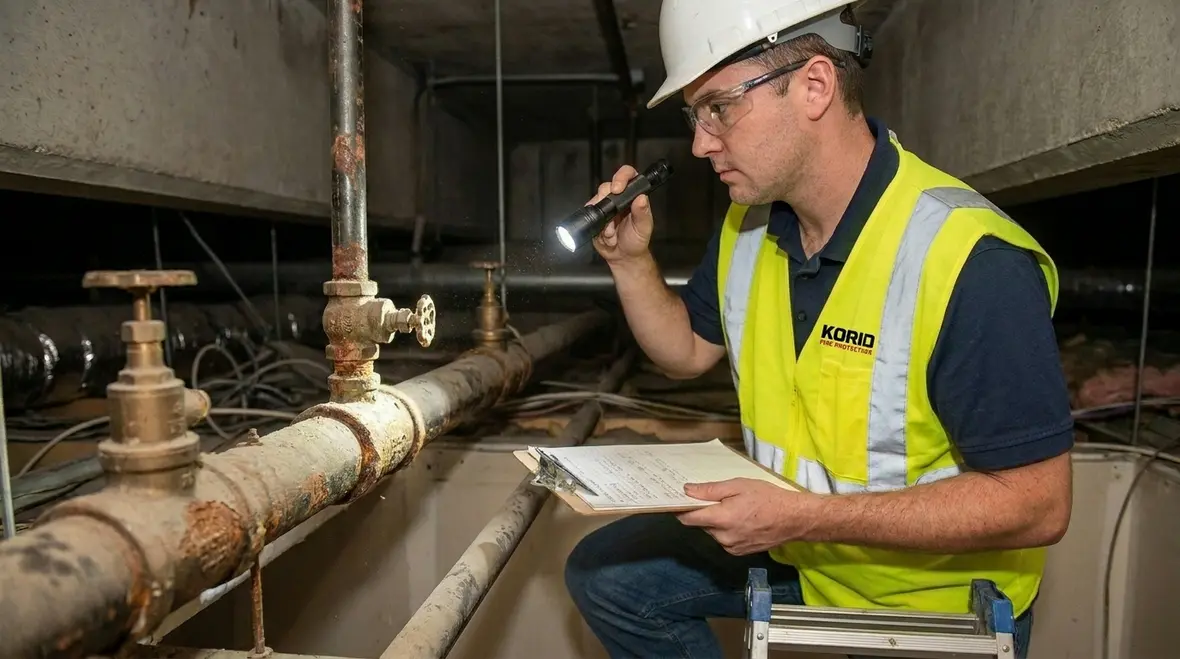
A strong upgrade starts with a clean, practical assessment. Technicians review system drawings, inspect pipe condition, test valves, and verify water supply performance. Next, they check sprinkler spacing, head types, and obstructions like beams, ductwork, and storage racks. If the building has had upgrades over time, the team also confirms that the system matches what is installed, not just what the paperwork claims.
Then comes the hazard review. Older buildings often change use, even if nobody updates the fire plan. For example, a quiet office area might become a warehouse, a break room might grow new electrical loads, or a basement might switch from storage to assembly. When the hazard level changes, water demand changes too. So the upgrade needs to reflect the real environment, not the past one.
This is also where retrofit planning becomes especially important in heritage properties and aging facilities. Kord’s article on fire sprinkler retrofit for historic and older buildings shows how current fire protection goals can be balanced with older construction realities without turning the place into a renovation horror story.
Upgrading components without disrupting daily operations
Phase the work so the building can keep breathing
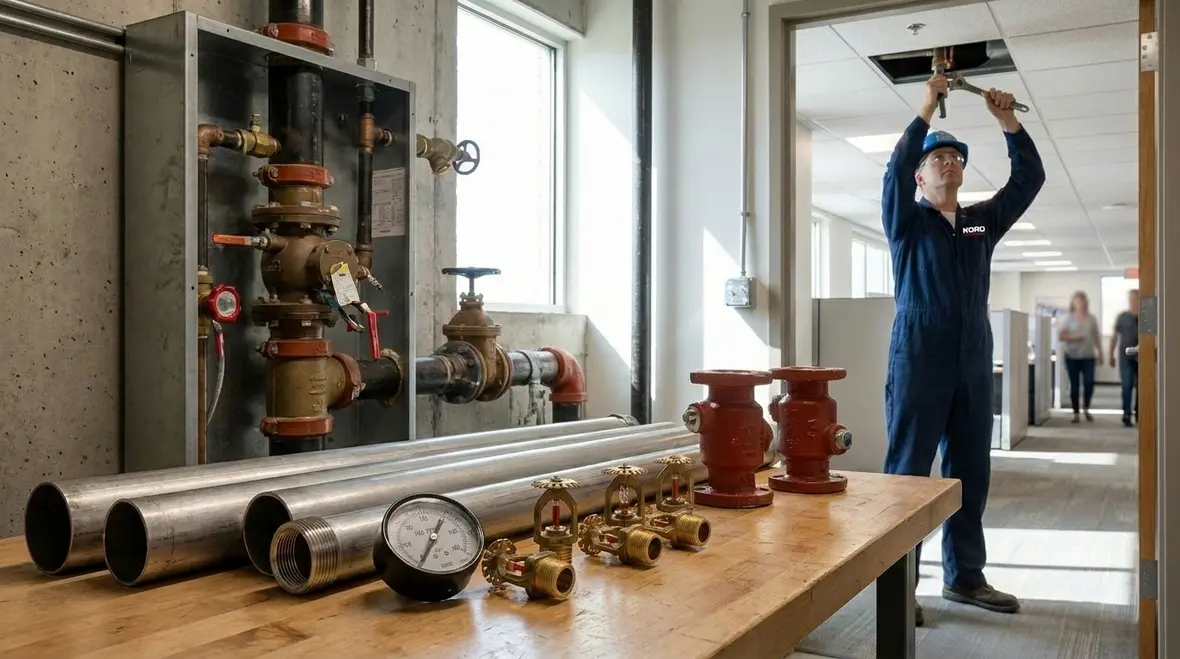
Buildings do not always shut down neatly for construction. So project planning matters as much as the technical work. Many upgrades can run in phases, with sections isolated and tested in sequence. Fire watch measures and schedule coordination help reduce risk while work progresses. Moreover, the team sequences tasks so the building keeps operating, whether that means keeping tenants in place or maintaining critical services.
During component replacement, contractors choose compatible parts and confirm pressure requirements. For instance, old fittings may not match modern standards, and that can create delays if nobody checks early. Therefore, the best teams verify compatibility before they cut anything. They also prepare for drainage, access needs, and local constraints in ceilings and shafts.
In short, a well managed plan prevents the classic scenario where the building ends up offline and everyone acts surprised. Nobody wants that; it is like discovering a smoke alarm only after the smoke happens. Owners working through phased modernization can also benefit from Kord’s discussion of fire sprinkler retrofit benefits for older buildings, especially when the goal is improving protection without starting from scratch.
Water supply, pressure, and flow testing that actually matters
Because “looks right” is not a performance standard
Suppression performance depends on the water supply. So the upgrade may involve more than sprinklers and piping. Technicians check static and residual pressure, confirm flow rates, and evaluate hydrant or tank performance where applicable. Then they verify that the system can deliver the required discharge under real conditions.
If pressure runs low, the project may call for additional supply, pressure boosting, or updated alarm and control logic. Sometimes the issue is not the supply at all, but the system’s internal hydraulics, like undersized mains or aging components that reduce effective flow. Consequently, hydraulic calculations guide decisions instead of guesswork.
Finally, testing confirms performance after work completes. That step matters because a “looks right” system can still fail under load. The goal is a system that behaves the same way every time, not one that relies on luck and optimism. Where fire pumps support the water supply, Kord’s fire pump testing requirements guide is a useful companion resource for understanding what thorough verification should look like.
Modernizing detection and alarm interfaces
Equipment is nice. Coordination is better.
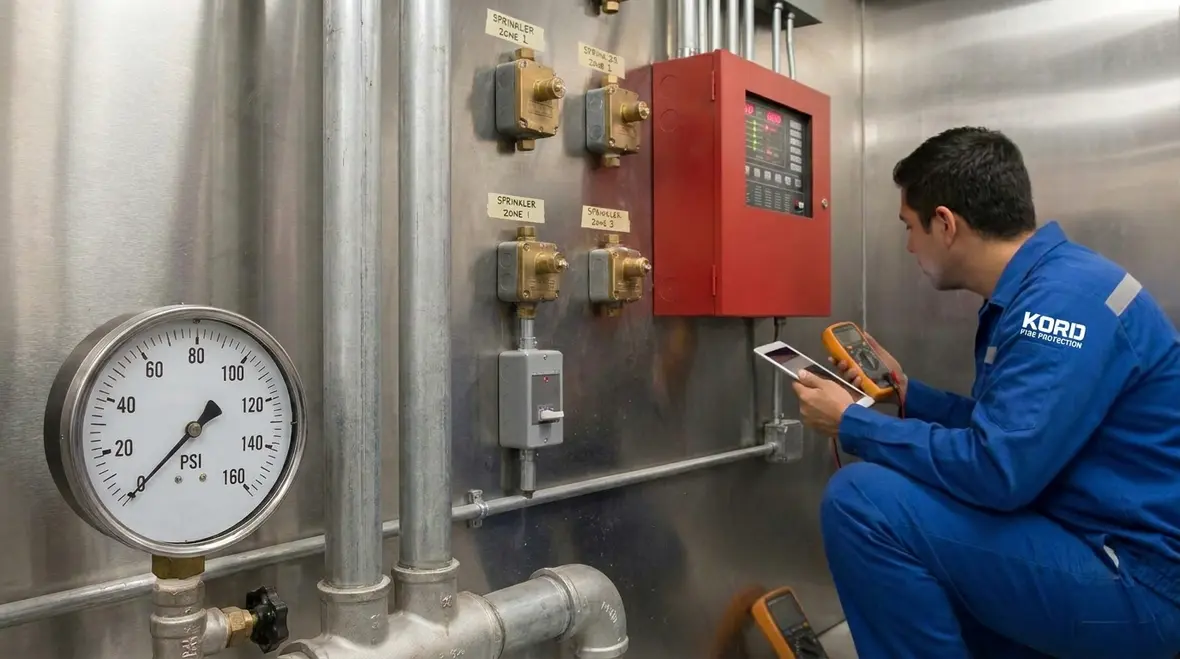
Many older buildings have reliable plumbing but less modern detection and control. So the upgrade often pairs suppression improvements with inspection, programming, and interface updates for alarm signaling. This can include adding or relocating detection devices, updating control panels where allowed, and improving notification to match building layout and occupant needs.
Transitioning from older components to newer ones also requires careful coordination. Compatibility checks ensure that the control logic triggers the intended response and that supervisory signals operate as designed. As a result, staff receive clear information and maintenance teams can track system status without confusion.
In addition, proper commissioning verifies alarm and suppression coordination. That means the system confirms readiness and confirms response paths, so the building does not just have equipment, it has a system that works together. That difference matters in older buildings where mixed generations of hardware can otherwise behave like a family reunion where nobody read the same invitation.
How Kord Fire Protection becomes a vital partner
Upgrades get complicated fast, and that is where Kord Fire Protection can become a vital partner. Instead of treating this work as a simple swap of parts, a strong partner builds a clear plan around your building, your schedule, and your real risks. Kord Fire Protection brings a business minded approach that respects both compliance and operations.
As teams move from inspection to design support to installation, Kord helps keep decisions grounded in what the building needs, not what a generic checklist says. For example, they can help align hydraulic expectations with practical construction constraints, and they can support documentation so owners stay ready for inspections and insurance requirements.
And yes, the process can still feel like assembling a complicated board game. But with the right partner, the pieces fit, the rules make sense, and nobody forgets the part where the building stays protected.
Upgrade focus
- System inspection and hazard alignment
- Hydraulics and water supply validation
- Component modernization and commissioning
What Kord Fire Protection helps accomplish
- Clear assessment, practical recommendations, and risk based priorities
- Support for calculations, testing plans, and performance verification
- Coordination across suppression, alarm interfaces, and final acceptance
Installation best practices and ongoing maintenance planning
Finish the project, then keep it alive
A successful fire suppression system upgrade does not end at installation day. In fact, long term performance relies on maintenance and inspection routines. Kord Fire Protection and similar specialists typically support structured testing, documentation, and schedules that match the building’s requirements. Therefore, owners know what gets checked, when it gets checked, and who records the results.
Best practices include verifying that valves remain accessible, that sprinklers stay clear of obstructions, and that test procedures follow the system design. Technicians also review modifications from the upgrade so the building’s staff and maintenance team understand what has changed. Then, when tenants move, storage grows, or renovations happen, the building can respond without scrambling.
Finally, planning for future changes keeps the upgrade from becoming another “temporary” fix. When the building adapts over time, the safety system should adapt too, with updates that keep performance consistent. Near the end of any upgrade conversation, it also makes sense to connect with a related Kord service like fire sprinkler installation and design support, especially when a facility needs additional redesign, expanded coverage, or a more complete modernization strategy.
FAQ about fire suppression system upgrades
Plan the upgrade before the emergency writes the schedule
If an older building in your portfolio still has outdated suppression equipment, it is time to stop guessing and start planning. A fire suppression system upgrade improves performance, supports code alignment, and reduces risk during real emergencies.
Reach out to Kord Fire Protection to schedule an assessment, discuss phased installation options, and build a maintenance plan that keeps the system dependable. If your project may also need broader retrofit support, review Kord’s historic and older building retrofit guidance and connect with their team for next-step planning that protects the building without turning operations upside down.

Join Our Newsletter!
Get the latest fire safety tips delivered straight to your inbox From our Newsletter.