Sprinkler Head Inspection Tips for Commercial Buildings in AU
Quick Answer
Damaged sprinkler heads in commercial sites often show up as misalignment, leaks, paint buildup, corrosion, or weak spray patterns. Using Sprinkler Head Inspection Tips helps teams spot issues early and avoid costly shutdowns. With the right checks, facilities stay protected while operations keep moving.
For sites that need broader system support beyond visual checks, Kord Fire Protection also provides commercial fire sprinkler service and repair that fits naturally into ongoing building maintenance planning. ([kordfire.com](https://kordfire.com/fire-sprinkler-service/?utm_source=openai))
Why Sprinkler Head Inspection Tips matter in commercial buildings
Commercial properties in Australia run on uptime. And yet, sprinkler systems can fail quietly, like a coffee machine that “still works” right up until it doesn’t. That is why Sprinkler Head Inspection Tips must be part of routine maintenance, not a last-minute panic.
To identify damaged sprinkler heads, inspections focus on what changes after installation and use. Over time, impacts from forklifts, vibration from plant equipment, dust accumulation, and temperature swings can shift the head, clog the deflector, or compromise seals. First, the team checks for visible damage. Next, they verify spacing, coverage, and operating condition where access allows. Finally, they confirm the system remains aligned with the site’s fire protection design. Kord Fire Protection’s own inspection guidance emphasizes recurring reviews of head condition, clearance, and system readiness instead of waiting for a bigger surprise later. ([kordfire.com](https://kordfire.com/sprinkler-head-inspection-frequency-guide-for-owners/?utm_source=openai))
What routine checks are really trying to catch
Most sprinkler heads do not wake up one day and decide to be dramatic. Usually, deterioration builds slowly. A loading dock gets a little rougher. A ceiling space gets dustier. A refurbishment crew gets a little too comfortable with paint. Regular inspections are there to catch the quiet changes before they turn into expensive water damage, failed coverage, or a scramble during a compliance visit.
Common signs of damaged sprinkler heads in industrial and retail
When a sprinkler head gets damaged, the building usually tells on it. The challenge is noticing the clues early. Facilities teams typically look for the following indicators:
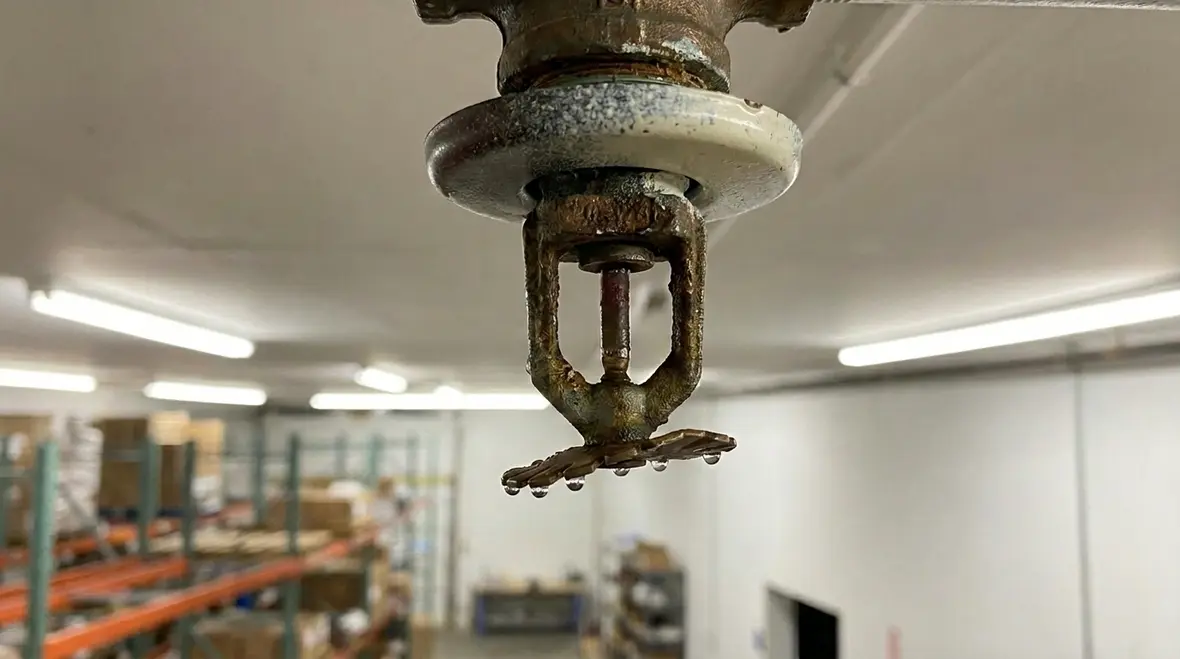
- Leaks or wetness around the escutcheon plate or fittings, which can mean a seal failure
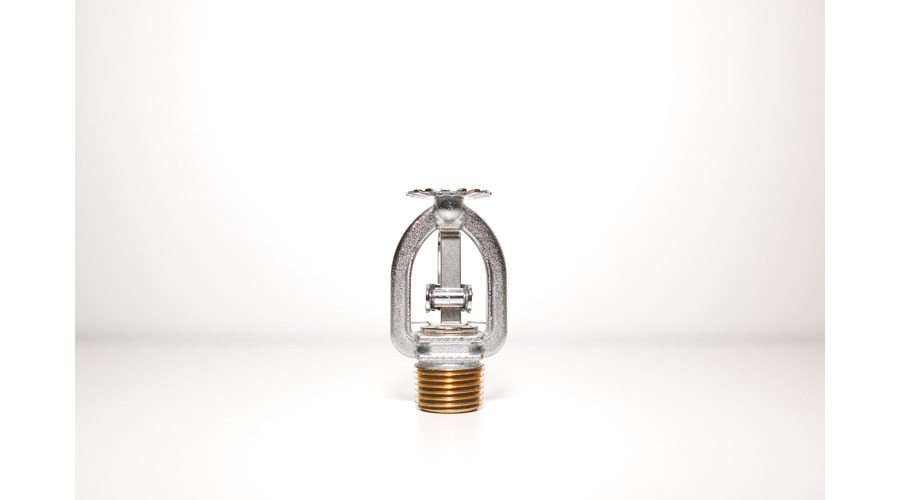
- Cracks, dents, or bent elements on the sprinkler head body or deflector
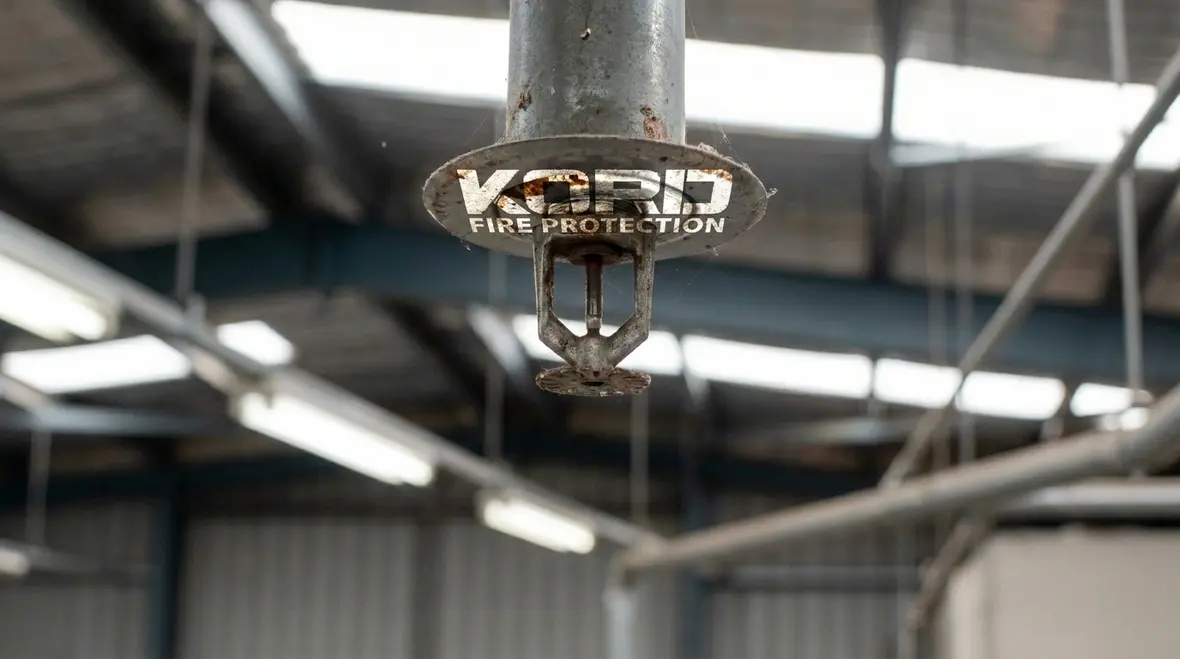
- Discoloration and corrosion, especially in humid loading docks or near coastal transport routes
- Paint, plaster, or chemical residue that blocks discharge or alters the spray pattern
- Misalignment where the head faces off-angle or the deflector sits too close to obstacles
- Obstruction damage from stored racks, ductwork, signage, or repairs made by other trades
Also, workers often spot oddities during routine walks. For example, if a sprinkler head looks “fine” but sits lower than nearby heads, someone may have bumped it during a renovation. In the same way, a small change in a baseball cap brim can ruin a whole look, a small shift in a sprinkler head can change water coverage.
Kord Fire Protection’s published inspection content repeatedly points owners back to the same themes: visible damage, blockage, corrosion, paint contamination, and clearance changes are the things that quietly chip away at sprinkler reliability. ([kordfire.com](https://kordfire.com/sprinkler-head-inspection-frequency-guide-for-owners/?utm_source=openai))
Why industrial and retail spaces see these issues so often
Industrial and retail environments are full of motion. Forklifts reverse. Stock gets reshuffled. Signs move. Ceiling work happens after hours when nobody writes a love letter to the maintenance log. In those settings, sprinkler heads are exposed to more accidental bumps, more airborne residue, and more layout changes than many office-only spaces. That is why visual consistency matters. If one head suddenly looks different from the rest, it probably has a story, and not the good kind.
How facilities should inspect without disrupting operations
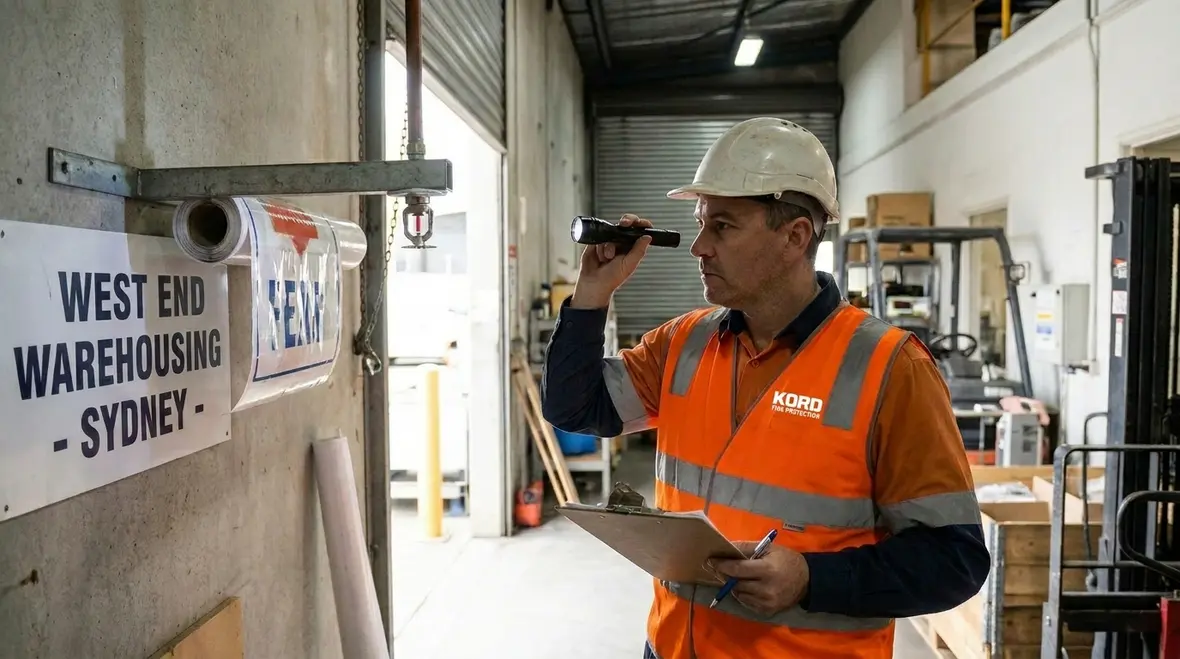
Good inspection plans protect both people and schedules. First, the team coordinates access with site managers so operations do not grind to a halt. Then, they lock down safety procedures and use controlled work zones in high-traffic areas like warehouses and retail back-of-house corridors.
After that, the team uses a structured approach rather than guesswork. They inspect from the ground where possible, then move to access tools for higher ceilings. They check the condition of each head, surrounding ceiling tiles or beams, and any nearby penetrations. Importantly, they also record what they see, including head location, head type markings, and any changes since the last inspection.
To keep the process efficient, many sites use a maintenance ticket system. That way, results do not vanish into a clipboard void. Instead, they become a clear work scope for repairs, replacement, or further system testing.
A simple workflow that keeps inspections practical
The most effective inspection programs are boring in the best possible way. They are repeatable. They assign zones. They record dates. They note changes with photos. They create follow-up tasks instead of vague good intentions. Kord Fire Protection’s service pages and inspection articles both lean into that same idea: clear scheduling, documented findings, and practical coordination help buildings stay inspection-ready without blowing up the workday. ([kordfire.com](https://kordfire.com/full-fire-protection-services/?utm_source=openai))
Spray pattern, coverage, and obstructions that quietly reduce protection
Damaged heads do not always fail completely. Sometimes they still discharge, but they discharge wrong. And in fire protection, “almost right” is not a comfort blanket.
Facility teams evaluate how each head contributes to the design coverage. They pay attention to:
- Deflector condition, because a bent or dirty deflector can disrupt distribution
- Distance to walls and beams, since incorrect placement can waste water on surfaces that do not control the fire
- Spray pattern interference, such as when insulation, signage, or soffits sit too close
- Ventilation effects, where air movement can shift droplets and reduce effectiveness
Then, they confirm the surrounding environment did not change. A warehouse might add new shelving, a retail store might add decorative features, or a factory might reconfigure lines. Even a “temporary” staging area can become permanent, and those obstructions can compromise how water flows.
Here is the unfun part: sprinkler design assumes certain clearance conditions. When those conditions change, the system can become less reliable even if the head looks intact. So the inspection cannot stop at the head. It must include the space around it.
That approach lines up with Kord Fire Protection’s published guidance, which ties healthy sprinkler performance to clear spray paths, correct spacing, and reviews after tenant changes, ceiling updates, or shifting storage patterns. ([kordfire.com](https://kordfire.com/sprinkler-head-inspection-frequency-guide-for-owners/?utm_source=openai))
Fixing issues fast: replacement, sealing, and documentation
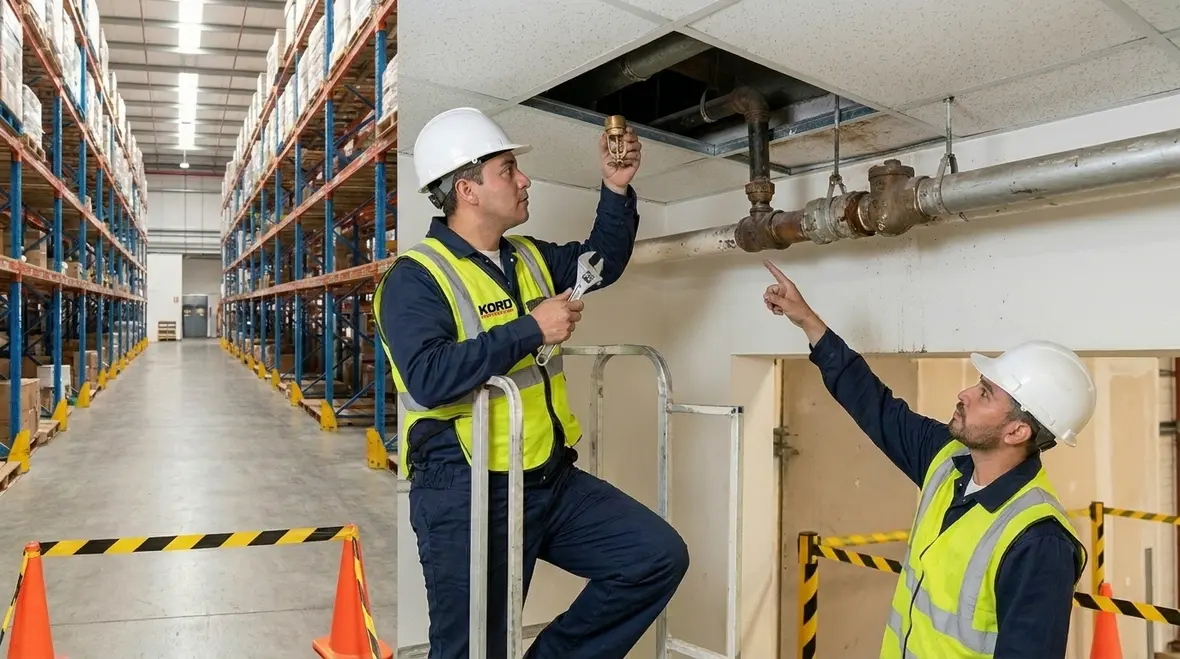
Once the damage is identified, quick, correct action matters. A leaking sprinkler head may look like a small plumbing problem, but it can reduce system pressure, lead to corrosion, and trigger water damage. Therefore, teams generally move through these steps:
- Tag and isolate the affected head location to prevent accidental interference
- Confirm the correct head model and rating for the specific zone and hazard level
- Replace the head using approved parts and correct installation practices
- Check nearby fittings, because damage can spread from a single impact point
- Update records with location, replacement details, and inspection notes
In commercial environments across Australia, documentation is not a box to tick. It is evidence of ongoing protection and compliance readiness. It also helps future teams. When a head is replaced, the building learns something valuable, like a character arc in a long-running show. The next maintenance cycle gets smarter, faster, and safer.
Why records matter more than people think
A clean record trail makes future inspections faster because technicians can compare what changed, where a replacement happened, and whether the same zone keeps developing issues. That is especially useful after refurbishments, racking changes, or repeated impacts in high-traffic areas. Documentation turns one repair into useful history instead of a mystery sequel nobody asked for.
Why kord fire protection becomes a vital partner
Many facilities try to manage sprinkler inspections in-house and then call for help when a bigger issue appears. That works until the problem gets complicated, like when the wrong head is installed during a past refurbishment, or when obstructions have changed since the last tenant fit-out. That is where kord fire protection can become a vital partner.
kord fire protection supports commercial clients by bringing the right mix of inspection discipline and practical field experience. They help teams identify damaged heads, assess conditions that affect coverage, and guide repair decisions so the system stays aligned with the original protection strategy. They also support better coordination, which reduces downtime across industrial sites, retail centres, and multi-facility operations. Kord Fire Protection describes its work as full-service support across sprinkler inspections, repairs, maintenance, and broader compliance planning for commercial properties. ([kordfire.com](https://kordfire.com/full-fire-protection-services/?utm_source=openai))
And because procurement and access can get messy, having a partner who can move with the site schedule helps. In business, time is money. In fire protection, time is also water, pressure, and confidence.
For readers wanting another useful related resource, Kord Fire Protection’s sprinkler head inspection frequency guide adds strong context around recurring visual checks, seasonal reviews, and planning a realistic maintenance rhythm. ([kordfire.com](https://kordfire.com/sprinkler-head-inspection-frequency-guide-for-owners/?utm_source=openai))
FAQ
Final call to action for commercial managers
If a sprinkler system sits behind a ceiling and nobody looks, it can lose reliability faster than trust in a group chat. Facility managers in Australia should review damaged head indicators, document findings, and act on issues quickly. Routine checks, smart records, and a clear repair path help keep protection dependable when the pressure is on.
For inspections and repairs that fit real commercial schedules, contact kord fire protection to strengthen protection, reduce downtime, and keep your site ready when it matters. Their broader service support and inspection resources make it easier for teams to move from “we should check that” to an actual plan. ([kordfire.com](https://kordfire.com/full-fire-protection-services/?utm_source=openai))

Join Our Newsletter!
Get the latest fire safety tips delivered straight to your inbox From our Newsletter.