Suppression Supervisory Signal for Fire Suppression Systems
When a fire suppression system stands by, it cannot simply “hope for the best.” It must communicate readiness, and that is where suppression supervisory signal comes in. In the first moments of a problem, this signal acts like an early warning light for the brains of the system, helping teams spot trouble before it becomes chaos. And yes, nobody wants chaos. Fire protection already comes with enough drama, like a sitcom character who insists they are “totally fine” while standing under a flickering ceiling bulb.
From supervisory monitoring to alarm verification and ongoing inspection, supervisory signals keep systems accountable. Then Kord Fire Protection steps in as a vital partner, helping facilities run this service job with clear processes, reliable documentation, and practical field support. Facilities that want stronger coordination between system components can also explore fire suppression system integration for life safety for a broader view of how suppression, alarm, and building response should work together.
How the suppression supervisory signal works in real buildings
Supervisory signals report the status of fire suppression components that are not meant to trip the system into discharge. In other words, they tell a facility: “Something may need attention, but we are not in full emergency mode yet.” Therefore, the signal becomes an early indicator for conditions that could later affect performance.
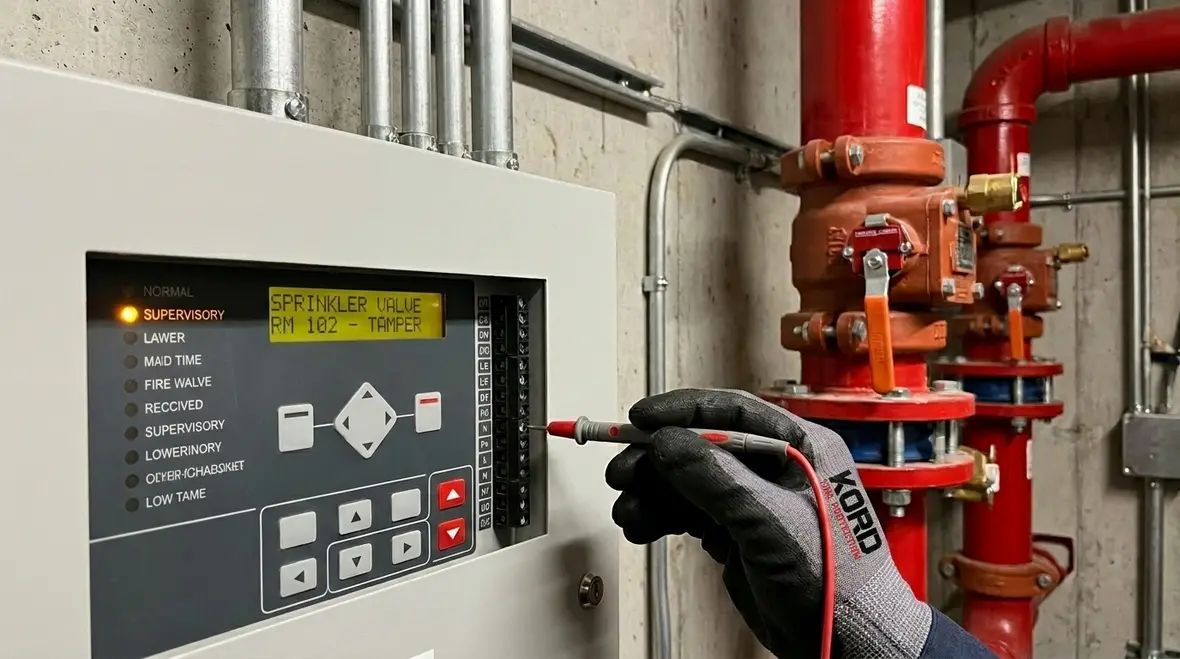
Common triggers include supervision on valves, air pressure switches, water flow pathways, tamper switches, or low pressure conditions in certain gas or sprinkler related systems. As a result, a facility learns about abnormal states quickly. Instead of waiting for an incident, staff can investigate during routine hours.
Additionally, proper monitoring helps prevent nuisance trouble. If a system reports frequent supervisory issues, maintenance teams can track patterns, correct root causes, and stop the endless “call the electrician” cycle that never ends. Kord Fire Protection supports these efforts by aligning the inspection plan with what supervisors and operators actually need, not just what a checklist demands.
Why this matters to building operations
A supervisory signal is not just a blinking line on a panel. It is a cue that readiness has shifted. That shift may be small, like a valve drifting from its normal position, or more serious, like a pressure condition that could interfere with performance if ignored. Either way, the building gets a chance to solve a problem while the stakes are still manageable, which is a lot better than discovering it during an emergency and pretending that counts as a plan.
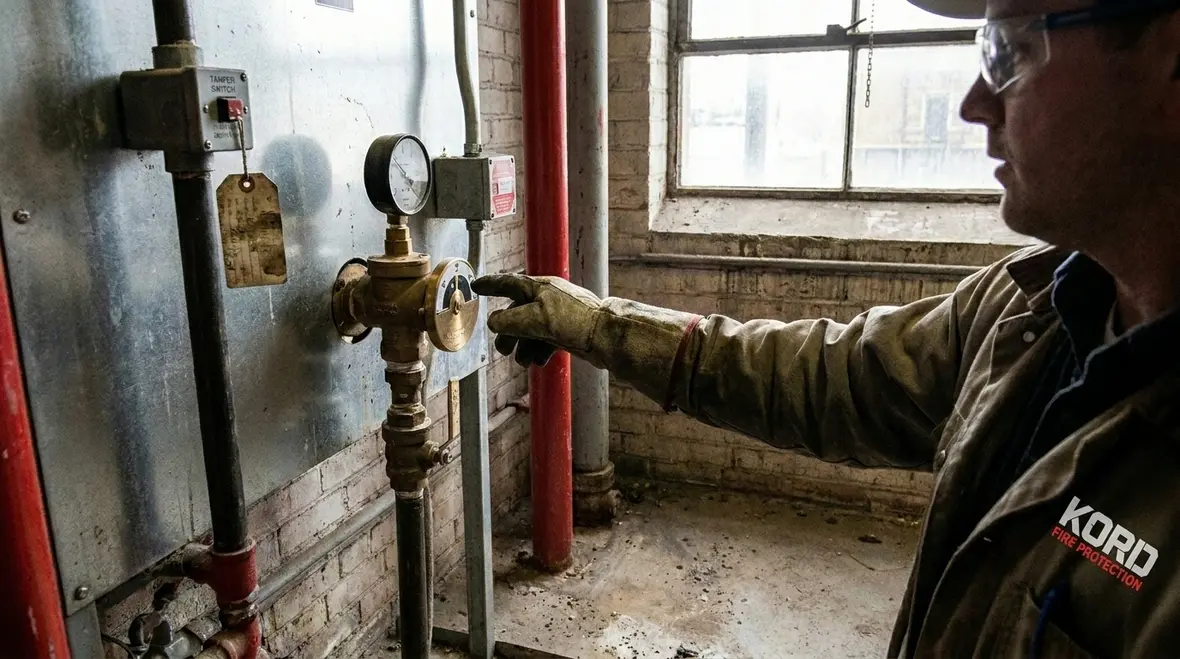
Which supervisory devices matter most for fire suppression
Fire suppression supervisory coverage usually centers on components that can change system readiness. When those components drift out of normal condition, the supervisory channel should show it. Then maintenance can act fast, before the system’s ability to operate properly is compromised.
- Valve supervisory switches monitor whether valves remain in the correct position for system operation
- Pressure and tamper monitoring detect loss of pressure, unauthorized movement, or abnormal air status
- Low level or flow related supervision flags conditions that can prevent effective discharge
- Control panel supervision confirms that circuits remain healthy and reporting correctly
In practice, the best teams treat these devices as the system’s “nervous network.” Therefore, they verify that each point reports accurately, that labeling matches field conditions, and that troubleshooting steps exist for common faults.
Kord Fire Protection also emphasizes how the devices connect to the bigger picture, including integration with monitoring, documentation, and consistent service intervals. That is how supervisory coverage stays more than just a wiring job. Teams reviewing monitoring coordination may also benefit from fire alarm monitoring systems, which helps connect on site conditions with fast, readable reporting.
Field details that separate good supervision from bad supervision
The hardware itself is only part of the story. Good supervision depends on accurate device labeling, clean terminations, stable environmental conditions, and testing that confirms the panel says exactly what the field device is doing. If the mechanical reality and the panel message do not match, the building is basically being handed misinformation in a high stakes moment. That is not “close enough.” That is how confusion sneaks in wearing a reflective vest.
Service job steps that keep supervisory signals trustworthy
A supervisory signal only helps if it stays reliable after installation and service. So a well run service job follows a disciplined sequence, and it repeats it on schedule. After all, even the best system can start lying if it receives sloppy maintenance.
Typically, teams perform these steps in the field:
- Confirm that the suppression system matches the approved design and equipment list
- Inspect supervisory switches, tamper points, and wiring for physical damage and loose terminations
- Verify alarm and trouble panel indications for supervisory conditions using safe test methods
- Check valve position indicators and ensure alignment with mechanical reality
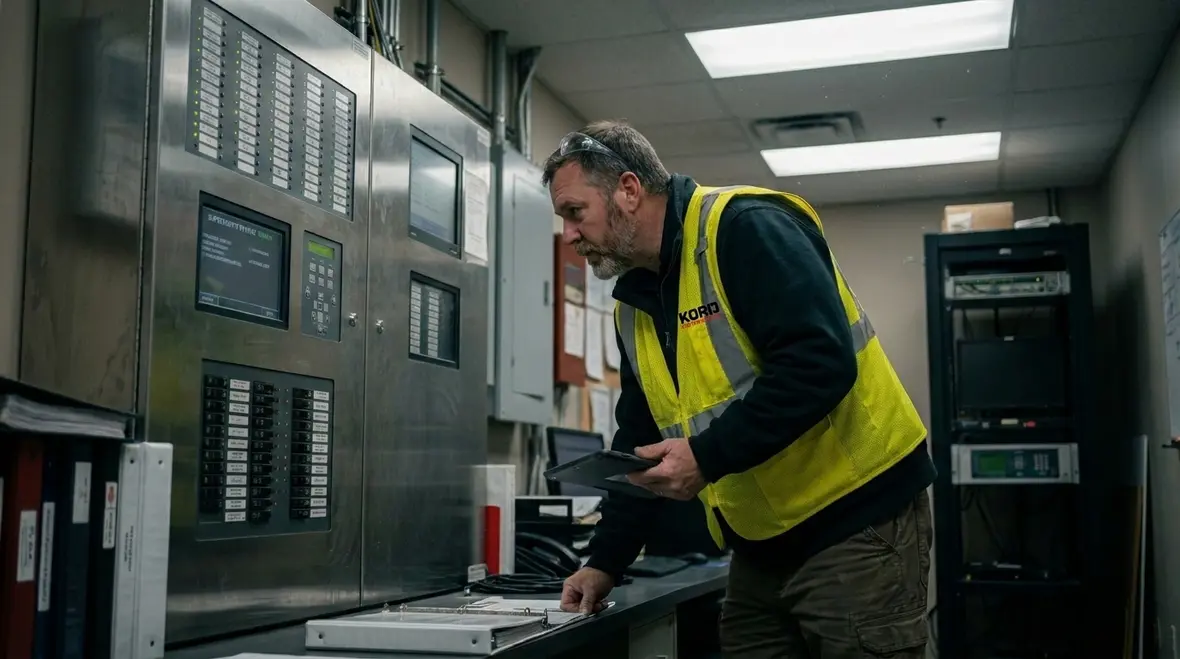
- Document results, including photos, panel readouts, and action taken for each point
Next, teams review prior service history to spot recurring issues. This step matters, because a pattern of failed supervision can signal a hardware problem, poor environmental control, or an operational practice that keeps disturbing the system. Then the facility fixes the cause, not just the symptom.
To keep everything tidy, Kord Fire Protection works as a vital partner by coordinating testing expectations, providing job support for supervision related service work, and ensuring the details in reporting actually help future maintenance teams. That same practical mindset appears in commercial fire alarm integration for safe building automation, where connected systems are expected to behave like teammates, not strangers.
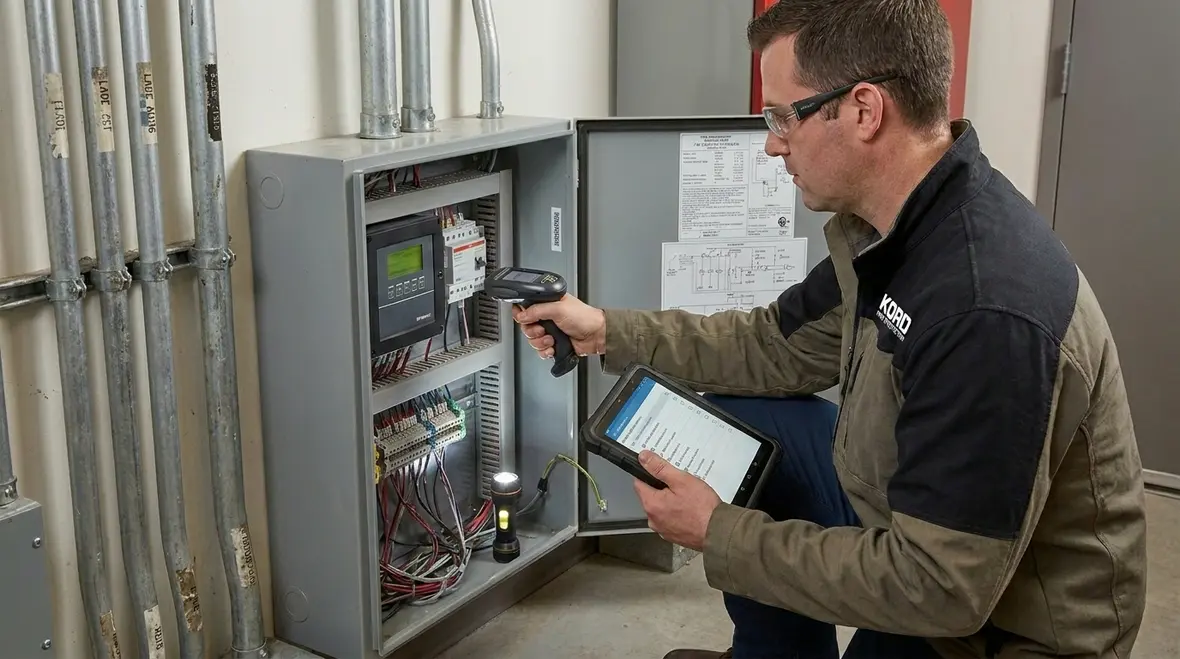
How facilities should respond to supervisory trouble signals
When supervisory trouble appears, the correct response prevents delays and avoids unnecessary escalation. The facility should treat supervisory trouble as “investigate with urgency,” not “ignore until it becomes a full alarm.” However, it should not trigger chaos either. Fire response procedures often work best when staff follow clear playbooks.
A practical response workflow looks like this:
- Verify the signal at the fire alarm or supervisory panel and record the exact point and message
- Inspect the supervised device in the field while keeping safety procedures in place
- Confirm valve position, tamper condition, and pressure status against normal ranges
- Restore the device to proper condition and retest the supervisory indication
- Update service logs so the next technician starts with facts
Here is a truth that makes even seasoned managers sigh. If nobody documents, the problem returns and everyone pretends it is new. That is not a strategy, it is a hobby. Therefore, Kord Fire Protection encourages strong documentation practices so the facility reduces repeat calls and shortens downtime.
The difference between urgency and panic
Facilities do best when staff know exactly who verifies the panel, who checks the device, who records the findings, and who confirms restoration. That division of responsibility keeps the response calm and useful. Without it, people wander around the building asking each other if anyone knows what “supervisory” means, which is not the confidence inspiring image most managers are hoping for.
Dual view: what inspectors look for versus what operators need
| Inspection and compliance focus | Operator and maintenance focus |
Verify supervised points match the system design Confirm correct labeling and circuit integrity Review test records and prior corrective actions | Understand what the signal means in plain language Know where to look first in the building Track resolution steps so issues do not repeat |
When Kord Fire Protection supports the service job, it helps bring these two needs into one practical workflow. So the facility does not just “pass inspection.” It also runs a system that behaves predictably. For a related look at how these moving parts fit within the full building safety picture, see how commercial building fire safety systems work.
Common challenges and how Kord Fire Protection reduces them
Supervisory signal issues rarely come from one single cause. Often, they build slowly from installation details, aging equipment, or site changes. Therefore, service teams should look beyond the first trouble message.
Typical challenges include:
- Misaligned valve indicators that do not match mechanical position
- Corroded terminals or moisture exposure in supervisory circuits
- Changes to occupancy or layout that affect access to supervised devices
- Maintenance shortcuts that skip retesting after repairs
- Labeling drift, where the panel says one thing and the device says another
Next, good service work handles both troubleshooting and prevention. It identifies which correction reduces future supervisory trouble. Then it builds a maintenance schedule that fits the building’s risk level and operating hours.
Kord Fire Protection serves as a vital partner for this work by delivering consistent supervisory signal service support, strong field documentation, and practical recommendations. In a world where people treat safety like a last minute group project, this level of follow through feels rare. And yes, it matters.
A smarter path to fewer repeat issues
The goal is not just to clear a signal and move on. The goal is to understand why the condition happened, whether the same environment could cause it again, and what documentation will help the next technician resolve it faster. That mindset turns fire protection from reactive cleanup into an actual readiness program.
FAQ: supervisory signals for fire suppression systems
Conclusion: make supervisory signals part of a real safety program
Supervisory signals protect readiness, and readiness protects people. When a facility treats the suppression supervisory signal as an actionable status report instead of background noise, it reduces downtime, prevents surprises, and strengthens accountability. That is the difference between a building that reacts late and one that stays prepared.
Now the smart move is to set up a service plan that includes field verification, clear documentation, and follow through. For broader coordination guidance, review industrial fire suppression integration tips for safer buildings. If you need direct support, visit full fire protection services and contact Kord Fire Protection to build a supervisory signal maintenance approach that actually holds up in the real world, not just on paper.

Join Our Newsletter!
Get the latest fire safety tips delivered straight to your inbox From our Newsletter.