
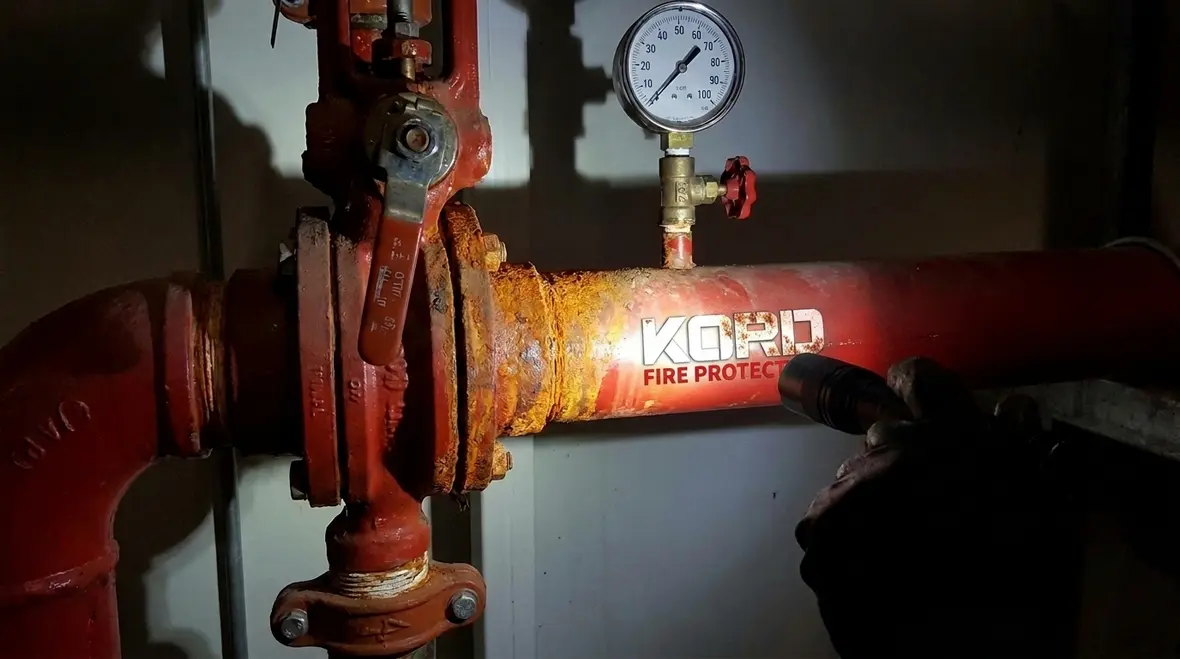
NFPA 25 13.11 Sprinkler Corrosion Inhibiting System
Quick Answer
NFPA 25 § 13.11 gives owners and facility teams a clear path to fight internal pipe corrosion before it turns sprinkler systems into costly problems. A proper sprinkler corrosion inhibiting system NFPA 25 program helps extend pipe life, protect uptime, and cut surprise repair bills. For industrial, retail, and commercial sites across Australia, Kord Fire Protection can be a vital partner in keeping systems reliable.
Corrosion inside sprinkler pipe does not wait politely for a good time. It builds slowly, then shows up like a bad sequel. That is why a sprinkler corrosion inhibiting system NFPA 25 matters so much for modern fire protection assets. Under NFPA 25 § 13.11, water based fire systems need regular care to limit corrosion, control damage, and help the system stay ready when it counts. For industrial plants, shopping centres, warehouses, and commercial facilities across Australia, this is not theory. It is asset protection, uptime protection, and risk control in one practical package.
Near the start of that effort, many facilities also benefit from reviewing professional fire sprinkler system service options so inspection, repair, and corrosion planning stay aligned instead of drifting into separate piles of paperwork and crossed fingers.

Why NFPA 25 § 13.11 matters for sprinkler pipe life
NFPA 25 § 13.11 focuses on corrosion management because pipe failure rarely starts with a loud warning. Instead, corrosion chips away at the inside of the system, reduces flow, creates blockages, and weakens pipe walls. Over time, that can lead to leaks, false trips, and expensive shutdowns. Therefore, a sprinkler corrosion inhibiting system NFPA 25 is not just a maintenance task. It is a planned defense against long term system decline.
For site managers, the goal is simple. Keep the system ready, keep water moving correctly, and keep the pipe network healthy for as long as possible. In addition, regular corrosion control supports better inspection results and fewer emergency callouts. Nobody wants a fire system that behaves like a grumpy old radiator from a sitcom rerun.
The quiet nature of internal sprinkler deterioration
What makes internal corrosion so frustrating is that much of the damage develops where teams cannot casually see it during a normal walk through. A ceiling can look fine. Valve rooms can look tidy. Pressure may appear stable. Meanwhile, hidden sections of pipe may be collecting scale, moisture pockets, oxygen, and debris that slowly nudge the system toward future trouble. By the time staining, pinhole leaks, or obstruction symptoms appear, the process may already be well underway.
That is one reason the broader NFPA 25 overview for water based fire protection systems remains useful context. It reminds owners that corrosion is not a side quest. It sits inside a larger inspection, testing, and maintenance framework that protects performance across the whole system.

How corrosion inhibitor systems support compliance
A corrosion inhibiting system usually works by slowing the chemical process that attacks steel pipe. Depending on the system design, that may involve treatment chemicals, nitrogen based methods, moisture control, or other approved approaches. NFPA 25 expects owners to manage these systems with care, monitor conditions, and verify that the method still works as intended.
In practice, compliance means more than dropping a product into the line and hoping for the best. It means checking water quality, reviewing inspection results, tracking internal condition, and documenting every step. As a result, the facility gets better control over long term performance and fewer surprises during audits or insurance reviews.
Compliance is a process, not a lucky guess
A well run program treats corrosion control like an active management process. Teams review trends, compare inspection findings, and ask whether the current method still matches the system’s age, water supply, occupancy type, and operating environment. If one building struggles with trapped moisture while another deals with aggressive water chemistry, the right solution may differ. That is exactly why one size fits all maintenance plans often age about as well as milk in the sun.
Facilities that document findings carefully also make future decisions easier. When leak history, drain observations, obstruction signs, and internal inspection notes all live in one record trail, patterns become easier to catch early. That turns corrosion control from reactive scrambling into informed planning.
What a site should check during a corrosion control program
A strong program looks at the whole system, not just one pipe or one chemical dose. It should include:
- Water quality and signs of dissolved oxygen or other corrosion drivers
- Internal pipe condition from inspections or sample openings
- Effectiveness of the current inhibitor method
- Drainage, trapped water, and low point buildup
- History of leaks, rust scale, and blocked heads
- Documentation that supports NFPA 25 tracking and maintenance planning
Moreover, this kind of review helps facilities decide whether the current setup still fits the building use, water source, and system age. A warehouse with heavy pipe loading and a harsh water supply may need a very different approach from a climate controlled retail centre.
Field checks that reveal early warning signs
A useful review often includes low point drains, sample openings, signs of black water, rust staining near fittings, and repeat trouble spots from earlier maintenance visits. Teams also benefit from looking at whether branch lines, mains, or concealed spaces share similar signs, because isolated damage and system wide deterioration do not call for the same response.
Planning checks that protect long term budgets
The maintenance file should show what was found, what was corrected, what still needs review, and when the next inspection should confirm progress. That planning discipline helps managers avoid vague handoffs, delayed repairs, and the classic problem of everyone assuming someone else handled it.
Dual view of pipe longevity and business impact
The value of corrosion control becomes easier to see when the technical side and the business side sit together. One column says what corrosion does to the pipe. The other says what that means for operations.
| Technical effect | Business impact |
|---|---|
| Scale and rust build up inside pipe | Reduced water flow and weaker fire response |
| Pitting and wall loss | Higher leak risk and possible shutdown |
| Debris reaches sprinkler heads | More maintenance calls and system disruption |
| Corrosion spreads through hidden sections | Unexpected repair costs and asset loss |
Therefore, a sprinkler corrosion inhibiting system NFPA 25 supports both safety and business continuity. That is a rare win, and the fire world does not hand those out like free samples at a food court.
Why operations teams should care as much as compliance teams
When corrosion gains ground, the consequences do not stay inside the maintenance room. Operations teams may face access restrictions, repairs over tenant areas, inventory risk, unplanned downtime, and repeated service interruptions. In other words, pipe health affects more than the pipe. It affects schedules, tenant confidence, production flow, and the credibility of the facility plan itself.
How Kord Fire Protection becomes a vital partner
Kord Fire Protection can play a key role in helping facilities manage corrosion under NFPA 25 § 13.11. Their value starts with practical field knowledge and extends into ongoing support. First, they can assess the condition of the sprinkler system and identify early corrosion risks. Next, they can help recommend the right corrosion control approach for the site. Then, they can support inspection, testing, corrective work, and long term planning.
For industrial, retail, and commercial clients across Australia, that partnership matters because no two sites age the same way. Coastal air, building use, pipe layout, water quality, and maintenance history all shape corrosion risk. Kord Fire Protection can help turn that mix into a clear maintenance plan instead of a guessing game. That matters when the goal is fewer breakdowns and longer pipe life.
Facilities that want extra context may also find it useful to review Kord Fire Protection’s related guidance on sprinkler pipe corrosion prevention for fire protection systems and fire sprinkler pipe corrosion signs, causes, and prevention. Those supporting resources fit naturally with a site level NFPA 25 corrosion strategy and help teams connect inspection findings with practical next steps.
How facilities can stay ahead of pipe corrosion
A good prevention plan does not wait for a leak to become a lesson. Instead, it uses regular review, proper documentation, and timely upgrades. Facilities should schedule inspections, compare findings over time, and act before small signs become large failures. In addition, they should treat corrosion control as part of the asset strategy, not just the fire compliance file.
When teams stay proactive, they protect system readiness and avoid the kind of repair bill that makes everyone stare at the ceiling in silence. More importantly, they protect people, property, and operations.
Practical actions that keep corrosion from getting comfortable
- Track recurring leak locations instead of treating each one like a random event
- Review drain performance and low point buildup during routine service visits
- Compare inspection notes across months and years to spot worsening patterns
- Address trapped moisture and stagnant areas before they become repeat offenders
- Coordinate repair plans with qualified specialists who understand sprinkler system aging
What proactive owners usually gain
- Longer pipe life and fewer surprise failures
- Better documentation for inspections and compliance reviews
- Reduced emergency callouts and repair disruption
- Stronger confidence in system readiness when needed most
- Clearer long term maintenance budgeting with less guesswork
FAQ
Conclusion
NFPA 25 § 13.11 gives facilities a clear reason to treat corrosion control as a priority, not an afterthought. With the right sprinkler corrosion inhibiting system NFPA 25 strategy, sites can extend pipe life and reduce costly failures. The best results come when owners connect inspection findings, documentation, and corrective work into one steady program instead of reacting only after damage starts waving for attention.
For industrial, retail, and commercial operations across Australia, Kord Fire Protection can help build a stronger, safer, and more reliable path forward. Now is the time to review the system before corrosion writes its own ending. That is one author you do not want freelancing inside your pipe network.

Join Our Newsletter!
Get the latest fire safety tips delivered straight to your inbox From our Newsletter.



