

Common Fire Code Violations Found in Inspections
In every commercial building, from high rise offices to cozy neighborhood restaurants, inspections serve a clear purpose. They uncover Common Fire Code Violations Found before sparks turn into sirens. Within the first few minutes of an inspection, trained eyes can spot blocked exits, expired extinguishers, and overloaded panels that hum like they are auditioning for a rock band. These issues may seem small. However, they carry real risk. Kord Fire Protection technicians often explain that most violations are not acts of defiance. Instead, they are acts of neglect, distraction, or simple misunderstanding. This article explores what inspectors usually find, why it matters, and how businesses can stay prepared without losing sleep.
So take a steady breath. Fire safety may not sound thrilling. Yet, when explained with calm authority and a touch of humor, even a fire door can feel like the hero of the story.
Understanding Common Fire Code Violations Found During an Inspection
When inspectors walk through a building, they follow a method. They observe exits first. Then they review suppression systems. After that, they examine alarms, storage areas, and electrical components. Although each property differs, patterns emerge. Therefore, Common Fire Code Violations Found during an inspection tend to repeat across industries.
Kord Fire Protection technicians often tell clients that inspectors are not hunting for villains. They are checking whether systems work as intended. If a fire alarm panel shows trouble signals, that is not a moral failing. It is a sign that maintenance slipped through the cracks.
Moreover, many business owners feel surprised when cited for something they see every day. For example, a propped open fire door may feel convenient. However, that door is designed to contain smoke and flames. When wedged open with a trash can, it becomes decoration rather than protection.
In short, violations often stem from routine habits. Yet, routine habits can shape emergency outcomes. Consequently, awareness remains the first line of defense.
Blocked Exits and Obstructed Pathways
If there were a hall of fame for fire safety missteps, blocked exits would earn a front row seat. Time and again, inspectors report exit doors hidden behind stacked boxes or display racks. Although the intention is usually storage efficiency, the result can be dangerous.
During an emergency, seconds matter. Therefore, exit routes must remain clear and wide enough for quick movement. Even a few inches of obstruction can slow evacuation. Kord Fire Protection technicians explain that people rarely move in a calm single file line when alarms sound. Instead, they move in clusters. Consequently, narrow pathways can create bottlenecks.
Frequent exit and egress issues
- Storage placed in exit corridors
- Locked or chained exit doors
- Exit signs not illuminated
- Furniture blocking stairwell landings
Furthermore, inspectors check whether exit signage is visible from all angles. A sign hidden behind seasonal decorations may look festive. However, it defeats its purpose.
Although this issue sounds simple, it remains one of the most frequent Common Fire Code Violations Found. The solution is equally simple. Keep exits clear, test signage monthly, and treat hallways like lifelines rather than storage units.
Fire Extinguishers and Suppression Systems That Fail the Test
Fire extinguishers sit quietly on walls like loyal guards. Yet, they require attention. Inspectors often discover units with expired inspection tags, low pressure readings, or blocked access. While an extinguisher may look fine from a distance, a missing inspection can trigger a citation.
Kord Fire Protection technicians regularly explain the difference between visual checks and certified inspections. Employees can confirm that extinguishers remain accessible. However, licensed professionals must perform annual servicing. Therefore, skipping scheduled maintenance can lead to one of the more preventable fire code issues.
Similarly, sprinkler systems demand care. Inspectors may find:
- Sprinkler heads painted over
- Items stored too close to sprinkler deflectors
- Control valves not supervised or improperly labeled
- Inspection records incomplete or missing
Although painting a ceiling may improve aesthetics, overspray on sprinkler heads can delay activation. In addition, stacking boxes too high interferes with water distribution. These details may appear minor. However, during a fire, they determine how effectively flames are controlled.
As a result, suppression system maintenance stands as a critical defense. It also ranks high among Common Fire Code Violations Found across commercial properties.
Going deeper: alarms, NFPA 72, and inspection reports
Beyond extinguishers and sprinklers, fire alarm testing and documentation also create frequent headaches. Standards such as NFPA 72 spell out how often systems should be inspected and how records must be maintained. Kord Fire Protection’s own guide to reviewing a fire alarm inspection report walks owners through common red flags, from repeated device failures to missing signatures, so surprises are less likely when an authority having jurisdiction arrives.
Electrical Hazards Hiding in Plain Sight
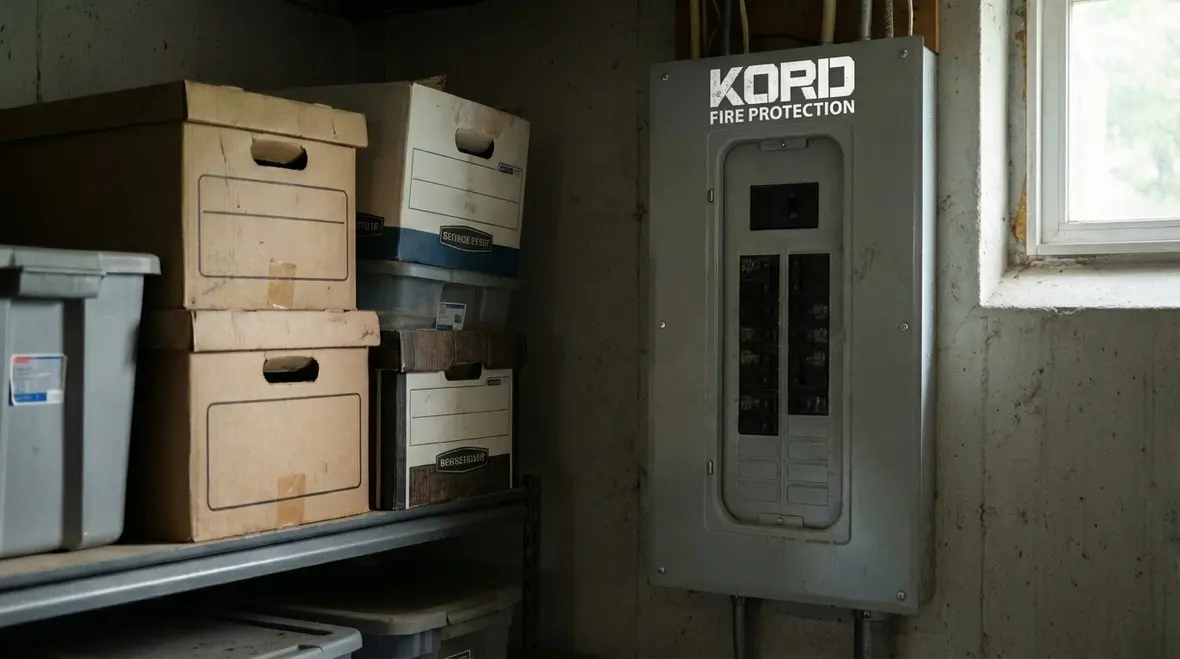
Electricity powers modern business. It also introduces risk when handled carelessly. Inspectors frequently identify overloaded power strips, extension cords used as permanent wiring, and panels blocked by storage.
Although a power strip may seem harmless, chaining multiple strips together creates heat buildup. Over time, that heat can spark ignition. Therefore, fire codes limit how extension cords are used. They are temporary solutions, not permanent infrastructure.
Kord Fire Protection technicians often use a simple analogy. An electrical panel needs breathing room, much like a person in a crowded elevator. When boxes press against panel doors, technicians cannot access breakers quickly. Consequently, delays during an emergency can increase damage.
In many reports, electrical issues appear among the Common Fire Code Violations Found because they blend into daily operations. Employees plug in devices without thinking twice. Yet, consistent oversight and scheduled inspections reduce these risks significantly.
Improper Storage of Flammable and Combustible Materials
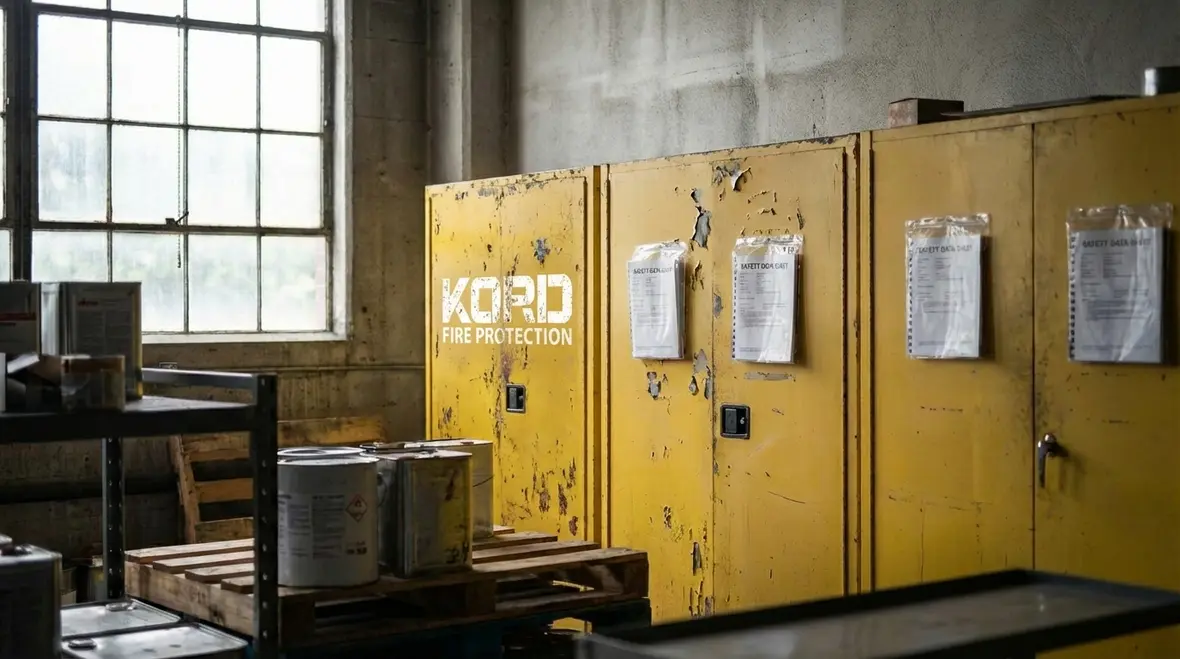
Businesses that store chemicals, cleaning supplies, or fuel face added responsibility. Inspectors pay close attention to how flammable liquids are stored and labeled. Although containers may sit neatly on shelves, improper cabinets or missing safety data sheets can raise concerns.
Additionally, combustible storage near ignition sources creates preventable danger. For example, stacking cardboard near heating equipment invites trouble. Therefore, codes require specific clearance distances.
Kord Fire Protection technicians explain that storage rules exist to control fuel sources. Fires need heat, oxygen, and fuel. While oxygen surrounds us, fuel can be managed. Consequently, safe storage practices directly reduce fire intensity.
Typical storage-related violations
- Flammable liquids not kept in approved cabinets
- Improper labeling of hazardous materials
- Excessive stockpiling in mechanical rooms
- Failure to separate incompatible chemicals
Although these guidelines may seem strict, they are grounded in science. By controlling how materials are stored, businesses control how fires behave.
Fire Alarm Systems and Documentation Gaps
An alarm system acts as the building’s voice. When it fails, occupants lose early warning. Inspectors often review testing records before they even examine equipment. Therefore, missing documentation alone can lead to citations.
Moreover, devices such as smoke detectors and pull stations must remain unobstructed. Decorations, signage, or shelving placed too close can interfere with operation. Although a holiday wreath may brighten the lobby, it should not block a strobe light.
Kord Fire Protection technicians frequently remind property managers that documentation proves diligence. Inspection tags, monitoring agreements, and service reports demonstrate compliance. Without records, even a properly functioning system may fall into the category of Common Fire Code Violations Found.
Regular testing schedules, clear logs, and prompt repairs reduce this risk. In addition, staff should know how to respond when alarms activate. After all, a system works best when people understand it.
A Practical Side by Side Look at Frequent Violations
To better understand patterns, consider this simplified comparison of typical findings and recommended corrective actions.
| Common Issue Observed | Recommended Action |
| Exit door blocked by storage | Remove items immediately and implement routine pathway checks |
| Expired fire extinguisher inspection tag | Schedule certified annual service and document completion |
| Overloaded power strips | Install additional permanent outlets by a licensed electrician |
| Sprinkler heads painted or obstructed | Replace affected heads and maintain required clearance |
| Missing alarm inspection records | Maintain organized digital and physical documentation logs |
Although each issue differs, the corrective path often involves routine oversight. Therefore, consistent internal audits can prevent many Common Fire Code Violations Found during official inspections.
How Businesses Can Prepare Before the Inspector Arrives
Preparation does not require panic. Instead, it requires structure. First, management should conduct periodic walkthroughs using a checklist aligned with local codes. Second, they should partner with professionals who understand regional requirements.
Kord Fire Protection technicians often conduct pre inspection assessments. During these visits, they explain findings in plain language. Rather than handing over a list of faults, they describe the why behind each correction. Consequently, building owners gain clarity instead of confusion.
Empowering your team with training and checklists
Training staff also plays a key role. Employees should know:
- Where fire extinguishers are located
- How to keep exits clear
- Who to contact for maintenance issues
- Basic evacuation procedures
Furthermore, businesses benefit from maintaining organized records. Digital backups protect against lost paperwork. Scheduled reminders ensure inspections occur on time. As a result, many repeat fire code issues disappear with simple planning.
Although no building achieves perfection, proactive management dramatically reduces the likelihood of hearing the phrase Common Fire Code Violations Found in an inspection summary. For a deeper dive into city specific expectations, resources such as Kord Fire’s Los Angeles commercial fire code requirements guide and their overview of NFPA 72 alarm standards help translate dense code language into plain English.
What are the most Common Fire Code Violations Found?
The most frequent issues include blocked exits, expired extinguisher inspections, obstructed sprinkler heads, electrical hazards, and missing alarm documentation. These problems appear repeatedly because they stem from daily habits rather than rare events.
FAQ
Take the Next Step Toward Compliance
Fire safety rewards those who act before alarms sound. By addressing risks early, businesses protect people, property, and peace of mind. Kord Fire Protection technicians stand ready to guide building owners through inspections with clarity and confidence. Schedule a professional assessment today, correct issues before they escalate, and transform compliance from a stressful event into a steady routine. Safety, after all, should never wait for smoke.
If you are unsure where to begin, partnering with a full service provider makes the process far less intimidating. Kord Fire’s team offers comprehensive fire protection services across sprinklers, alarms, extinguishers, and special hazards, along with Regulation 4 testing services in Los Angeles. One call starts a structured path toward code compliance, fewer violations, and a building that is ready long before the inspector walks through the front door.
Know Your Weapon Before You Fight the Flame
Kord Fire Protection is your go-to when it comes to all things fire protection. For over 20 years, we’ve been serving Southern California with the quality service and equipment to keep your home or business safe at all times. Our competitive prices reflect our unwavering commitment to protecting what matters most in the event of a fire emergency. Give us a call, send an email, or use that form!

Join Our Newsletter!
Get the latest fire safety tips delivered straight to your inbox From our Newsletter.


