
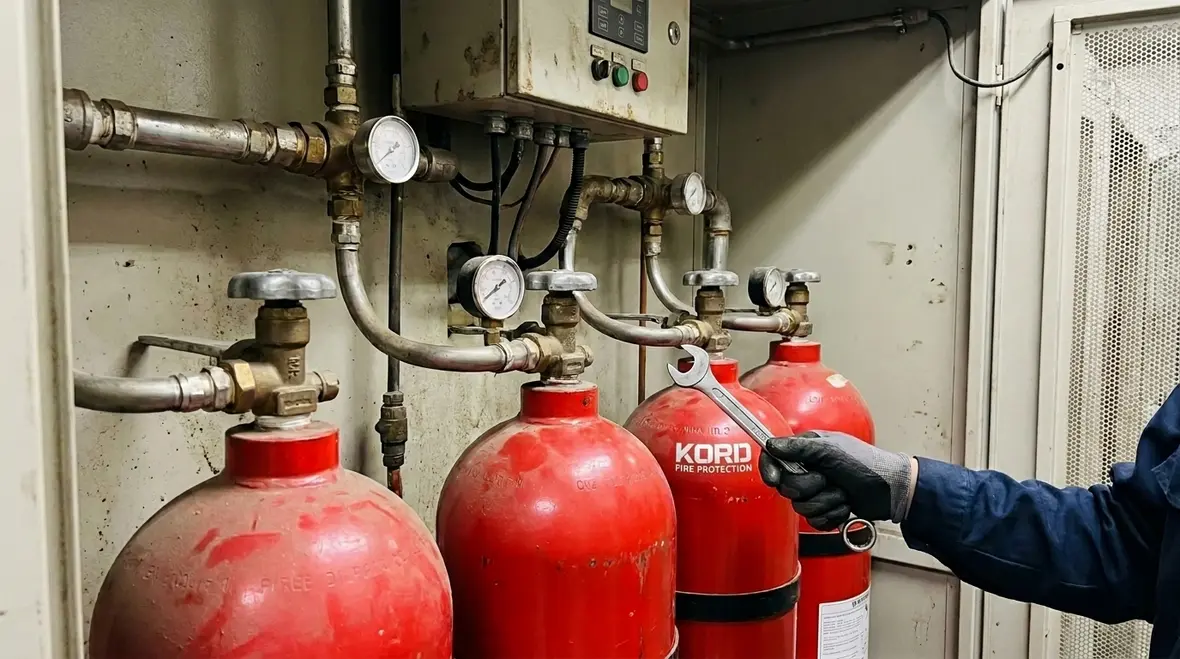
CO2 Suppression Deficiencies and Readiness Review
CO2 suppression systems can seem simple on paper, until the CO2 suppression deficiencies show up in the real world. In practice, inspectors and operators often uncover gaps like cylinders that do not match the design, poor discharge path clearance, leaky piping, weak maintenance records, and control devices that behave like they learned troubleshooting from a sitcom. And when those issues stack up, the system may fail to protect what it was meant to protect, just when seconds matter most.
So this article walks through the most common problems, why they happen, what risks they create, and how Kord Fire Protection can become a vital partner for this service, from evaluation through ongoing readiness. If you are reviewing a current system or planning service support, Kord’s CO2 fire suppression systems page is a useful place to start.
How CO2 suppression systems fail when design meets reality
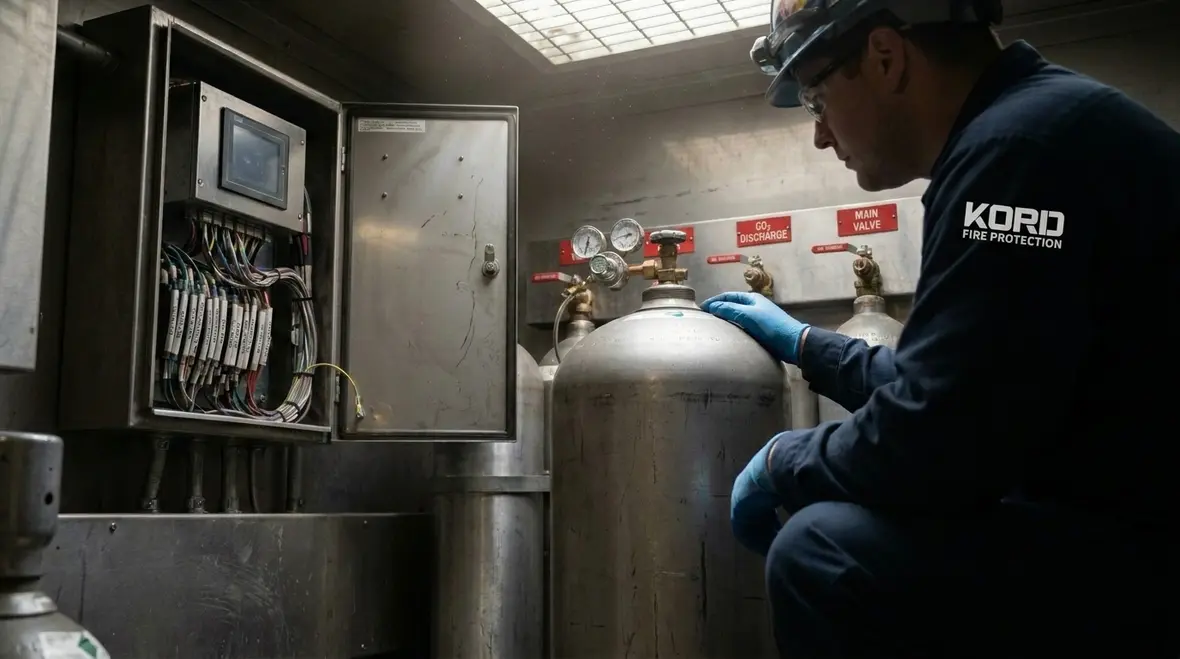
CO2 is a clean agent compared to messy residues, but the system is still mechanical, electrical, and procedural. Therefore, it can fail in ways that are not obvious until the last moment. First, a system may be installed to a different layout than the one the hazard analysis approved. Next, field changes such as added walls, moved equipment, or new ventilation fans can reduce the effectiveness of the original discharge plan.
Additionally, many CO2 installations rely on timers, detection pathways, and manual overrides. If any of these parts drift out of alignment, the suppression sequence may become slow, confusing, or incomplete. As a result, the system can trigger too early, too late, or not at all. In other words, it does not matter how shiny the cylinders look if the overall chain of readiness does not hold.
Design assumptions do not stay frozen forever
That is the part facilities sometimes underestimate. A CO2 system might have been perfectly matched to the enclosure years ago, only for later renovations, utility changes, process changes, and equipment relocations to quietly undermine the original assumptions. The hazard evolves, the room changes, the workflow changes, and the suppression system gets expected to perform like none of that happened. That is how a system turns from engineered protection into crossed fingers with piping.
Common CO2 suppression deficiencies in the field
Below are the issues that show up again and again. While every site differs, these categories account for many real world gaps that fall under the umbrella of CO2 suppression deficiencies. They also explain why periodic visual checks alone are rarely enough to prove true system readiness.
- Inaccurate cylinder inventory and mismatch to the design quantity, pressure, or discharge time
- Valve and regulator wear that reduces reliable opening and consistent flow
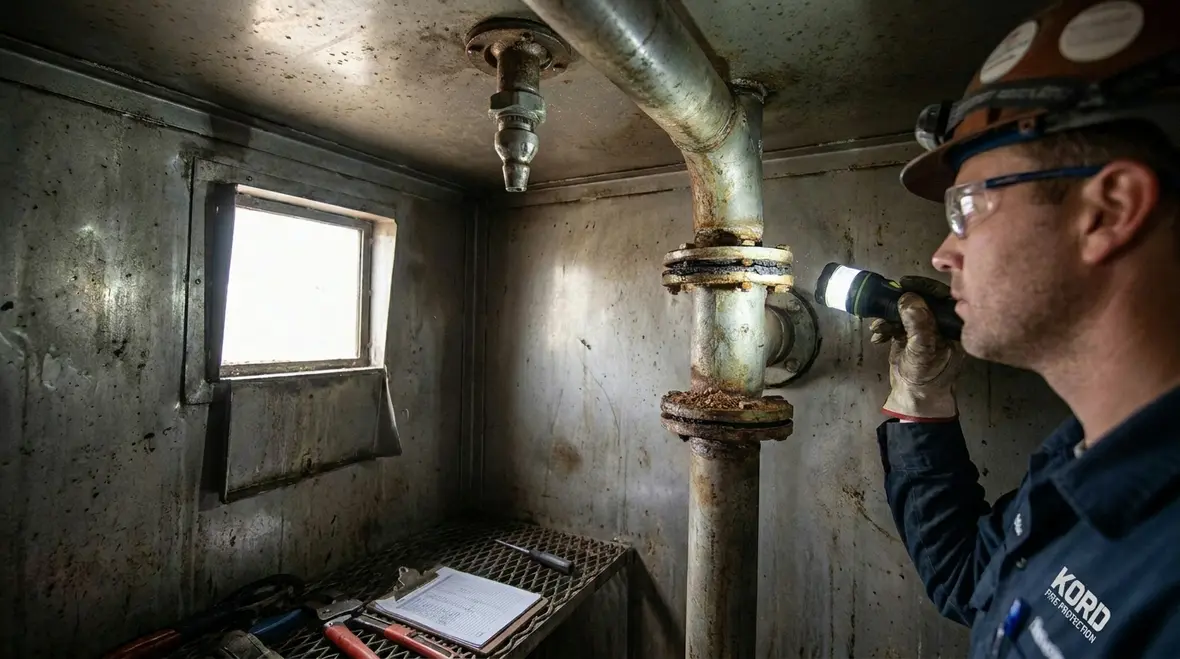
- Piping obstructions like construction debris, misaligned nozzles, or damage from later work
- Leaky fittings and degraded seals that quietly reduce stored concentration
- Detection and control logic errors such as stuck inputs, nuisance wiring, or outdated setpoints
- Sequence and interlock problems where ventilation shutoff does not confirm, or door release does not behave correctly
- Missing or incomplete records that prevent verifying last maintenance, inspection, or hydrostatic testing
And yes, sometimes the records are missing because someone thought, “We will remember.” That is adorable, like believing the office coffee will always be hot.
Why these issues stay hidden so long
A lot of deficiencies hide in plain sight because the system is usually quiet until it is needed. No dramatic leak, no obvious alarm, no flashing sign that says the discharge path now leads to disappointment. Instead, the warning signs are subtle: inconsistent records, unverified changes, delayed repairs, odd control behavior, or a maintenance habit built around “good enough.” Over time, those subtle issues become the kind of gap that only shows up during an emergency, which is a truly terrible moment for a surprise.
Ventilation, room changes, and the hidden risk to agent concentration
One of the biggest causes behind CO2 performance loss involves the environment around the hazard. Even small changes can alter airflow patterns. For example, a door that used to stay shut now stays open during loading. Or a new supply fan increases pressure in the protected space. Then the CO2 discharge faces a fast exit, like an uninvited guest racing for the nearest door.
As a result, the actual concentration may not reach the level required for effective suppression for the needed duration. Furthermore, partial mixing can create pockets where the fire still finds oxygen or heat. Therefore, any CO2 system needs a living review, not a one time “set it and forget it” approach. When the facility changes, the system readiness must match those changes.
Kord Fire Protection supports this with a practical approach to verifying that the hazard enclosure, detection, and discharge path still align with how the site operates today. They do not just check components. They validate the relationship between the hazard and the agent delivery. That broader review also lines up well with Kord’s related guidance on CO2 fire suppression system safety and alarms, especially where occupant warning and sequence timing matter.
Maintenance shortcuts that turn into expensive failures
Maintenance and inspection are not glamorous, but they are the difference between readiness and regret. Common CO2 suppression deficiencies often tie back to skipped steps, rushed service, or unclear responsibility between contractors and facility staff.
For instance, systems may undergo basic checks, but not the deeper verification that confirms valves, regulators, and piping integrity. Also, some sites treat low hazard alarms as “not urgent,” which leads to delayed repairs. Eventually, the system’s reliability drops because minor faults multiply over time.
Additionally, CO2 systems require careful handling because discharge can create hazards to personnel and equipment. Therefore, service must follow strict procedure, documentation, and verification. If that process gets sloppy, the system may look compliant while operating inconsistently. A broader maintenance strategy, like the one described on Kord’s fire suppression system design, types and maintenance page, helps connect routine service to actual performance instead of paperwork theater.
Readiness is built in small decisions
The expensive failures usually do not begin as expensive failures. They begin as a skipped note, an untested sequence, a deferred replacement, or a facility change nobody tied back to the suppression layout. One by one, those choices seem manageable. Together, they create the kind of system that passes conversation but not reality. That is why disciplined service matters so much. The small decisions are where reliability actually lives.
Detection and controls: where timing breaks the chain
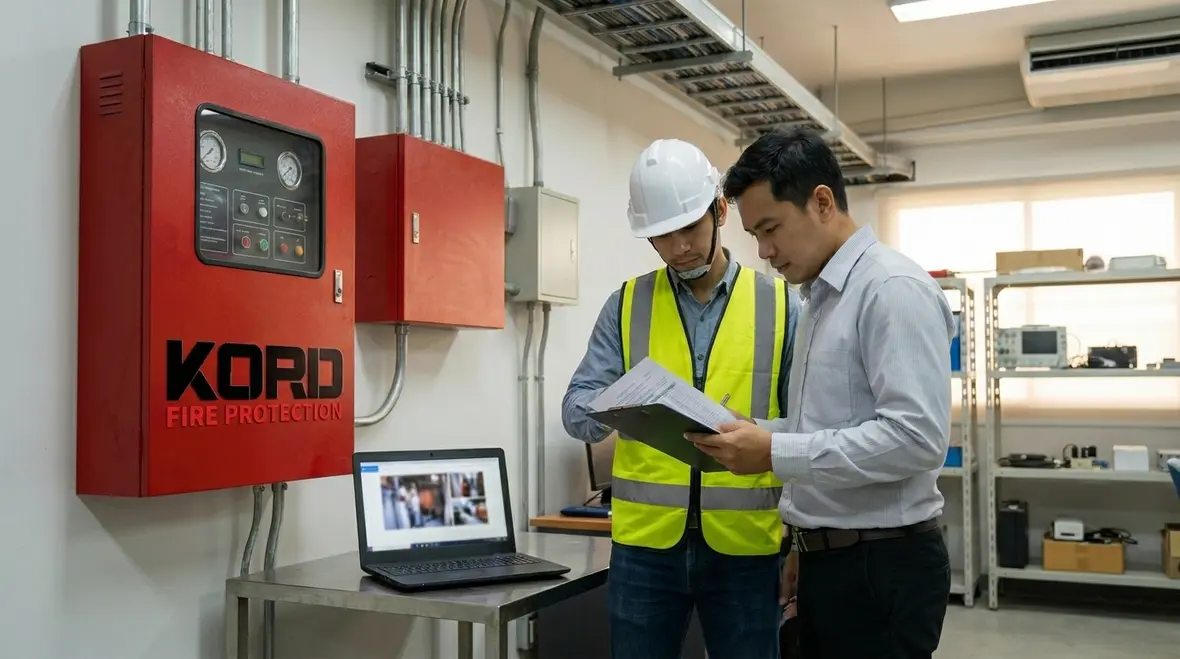
Even when the agent storage remains correct, the system still relies on detection and control. Therefore, failure can occur at the “brains” of the operation. Typical problems include outdated wiring labels, control panel setpoints that no longer match the hazard, and relay behavior that has drifted due to age or environmental stress.
Moreover, interlocks can block proper operation. For example, a ventilation shutdown output might not confirm its status, or a hold-open device might not release under alarm conditions. Then the system cannot complete the suppression sequence. In the worst case, it triggers warning signals but fails to discharge.
Kord Fire Protection can help by verifying that the entire sequence behaves as designed. That includes timing checks, control logic verification, and readiness documentation so the facility can trust the system when the fire behaves like a fire, which is to say it does not wait politely. Teams that need a broader operational view can also explore Kord’s fire suppression system integration for life safety page for context around how suppression, alarms, and building response work together.
Why business partners matter: Kord Fire Protection as a vital support role
Facilities often treat CO2 suppression as a periodic compliance task. However, a proactive partner changes the outcome. Kord Fire Protection can serve as a vital partner by combining field understanding with methodical verification. Instead of focusing only on parts, they focus on performance and continuity.
As a result, owners and safety managers gain clearer insight into what matters most: whether the system can actually protect the hazard during real conditions. And because CO2 systems often connect to facility operations, their approach can help align suppression readiness with how the building truly runs.
Think of it like this. The system is the stage, the hazard is the drama, and the maintenance crew is the director. When the director forgets the cues, the play still starts. But it will not end the way it should.
FAQ about CO2 suppression deficiencies
Call Kord Fire Protection for a practical readiness review
When CO2 matters, guesswork does not. Facility teams should confirm that the system delivery, controls, and hazard conditions still match the design, and that CO2 suppression deficiencies do not quietly build up between inspections. Kord Fire Protection can help by assessing the full chain of readiness, documenting findings clearly, and supporting ongoing service so the system performs when it truly counts.
For the next step, visit Kord’s fire suppression services page or go directly to the CO2 fire suppression systems service page to schedule an evaluation and protect your operation with confidence.

Join Our Newsletter!
Get the latest fire safety tips delivered straight to your inbox From our Newsletter.



