NFPA 4 Section 5.1 General Test Methods Fire Protection
Quick Answer
NFPA 4 Section 5.1 lays out the general test methods for fire protection systems, detailing testing scope, techniques, documentation and safety practices. It sets a clear path for reliability and compliance. Kord Fire Protection can become a vital partner by guiding planning, execution and reporting to ensure smooth inspections and dependable performance across industrial, retail and commercial facilities in Australia.
For teams looking to connect broader integrated testing with practical pump work, Kord Fire Protection also covers fire pump testing requirements in a way that fits naturally with this discussion.
Introduction to NFPA 4 and Section 5.1
NFPA 4 test methods general requirements establish a practical baseline for evaluating fire protection systems. This article follows that framework to explain how Section 5.1 guides the way tests are planned and conducted. The discussion covers who should test, what gets tested, how results are recorded and why proper testing matters for safety and uptime. In Australia this approach resonates with industrial, retail and commercial facilities that seek robust protection without interrupting operations. The aim is to provide clear steps that any maintenance team or contractor can follow with confidence.
If you want a related look at integrated system coordination, Kord Fire Protection also explains implementing NFPA 4 for fire safety, which pairs well with the test method discussion here.
What Section 5.1 Covers at a Glance
Section 5.1 focuses on general test methods for fire systems. It emphasizes defining the testing scope, selecting appropriate test methods, and establishing acceptance criteria. It also highlights the importance of documentation and communication with stakeholders. In short, it is about how to prove that a fire protection system will perform when it matters most, under real conditions and during critical moments of risk.
Why the general method matters
A clear method keeps testing from turning into guesswork with clipboards. When scope, sequence and acceptance criteria are defined early, everyone knows what success looks like and what still needs attention.
Core Test Methods You Should Know
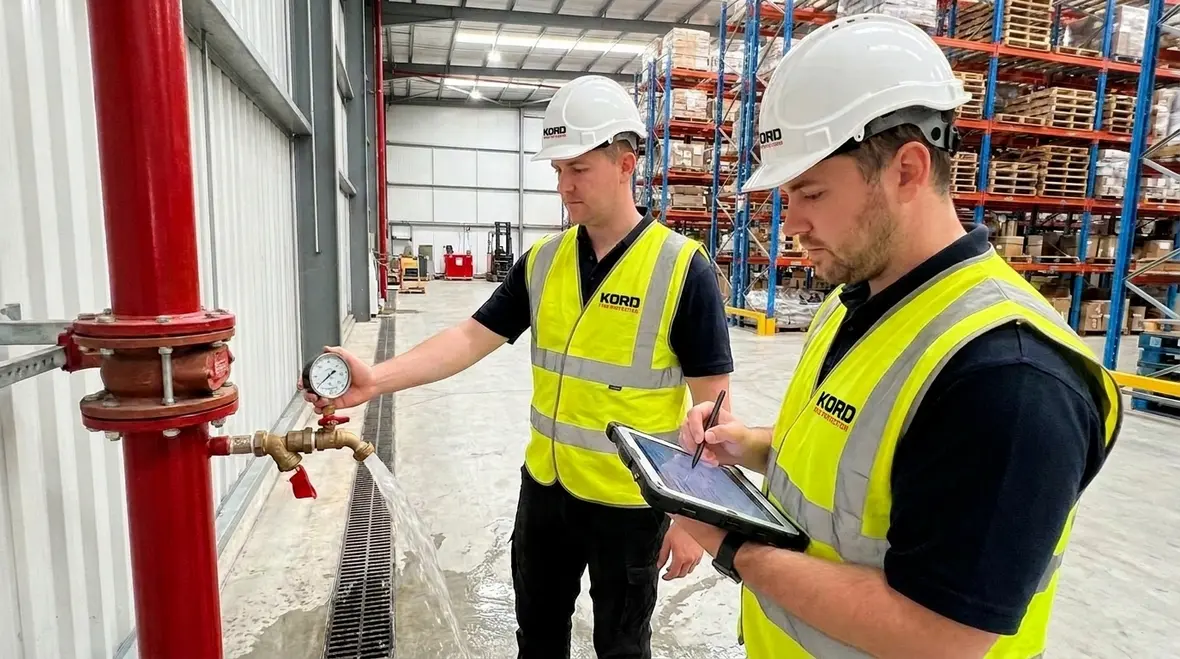
Effective testing blends several techniques. Functional tests verify that devices respond to signals as designed. Alarm tests ensure notification pathways operate and reach the right people. Flow and valve tests validate that water supply and suppression devices deliver a reliable response. Calibration checks confirm sensors read accurate data, and integration tests confirm that all subsystems work together. Each method requires clear criteria and record keeping to meet the general requirements of NFPA 4 and its guidance for safe commissioning.
Testing methods in the real world
- Functional tests confirm system response to expected triggers.
- Alarm tests check that signals travel to the right endpoints.
- Flow and valve tests verify actual suppression performance.
- Calibration checks reduce bad data and false confidence.
- Integration tests prove the full system behaves like a team, not a collection of strangers.
Documentation and Compliance in Practice
Documentation is not a boring afterthought it is the backbone of trust. Test results, certificates of inspection and maintenance logs demonstrate that a system remains ready. The process also facilitates audits by authorities and third party assessors. In Australia this means aligning with local regulations while leveraging NFPA 4 test methods general requirements as a benchmark for global best practice. Clear records help facility managers plan replacements, upgrades and ongoing maintenance with confidence.
What good records usually include
- Defined scope and test objectives
- Methods used and equipment references
- Observed results and acceptance outcomes
- Corrective actions and retest notes
- Approvals, sign off and maintenance history
Kord Fire Protection as a Trusted Partner
Kord Fire Protection brings depth of experience to the testing process. The team can help with planning the test program, selecting the right methods, coordinating with site teams and ensuring safety during现场 work. They excel at translating complex results into actionable recommendations so facilities managers can act quickly. In practical terms, this partnership means fewer surprises during inspections, smoother certification cycles and less downtime. For Australian industrial plants, retail centers and commercial campuses this collaboration can feel like having a trusted co pilot who speaks both safety and business language.
A practical support role, not just extra paperwork
That means better planning, steadier execution and reporting that people can actually use. No dramatic treasure hunt through scattered notes required.
Dual Column Insight: Process Flow and Quality Assurance
Process Flow
The testing plan flows from scope definition through execution to final sign off. Each step remains traceable and aligned with NFPA 4 general requirements. Clear roles and a realistic schedule keep teams coordinated and avoid last minute rushes.
Quality Assurance
Quality control checks verify that data is accurate and documentation is complete. Audits review test methods and adherence to the plan, while corrective actions close any gaps. This balance of process and QA ensures that the end result is a reliable, certifiable system ready for inspection.
Common Pitfalls and How to Avoid Them
Under testing or over testing can both cost time and money. Common issues include vague scope definitions, missing calibration data, and incomplete field notes. A proactive approach keeps the project on track: define criteria early, standardize reporting formats and maintain a living plan that adapts to site realities. With NFPA 4 test methods general requirements as the backbone, teams can avoid rework and build confidence in every result.
Pitfalls worth catching early
- Vague scope that leaves teams interpreting requirements differently
- Missing calibration references that weaken confidence in results
- Incomplete field notes that make later reviews harder than they should be
- Static plans that do not adapt when site conditions change
FAQ
Conclusion and Call to Action
For industrial, retail and commercial facilities across Australia embracing NFPA 4 test methods general requirements creates a pathway to safer operations and steadier uptime. Kord Fire Protection stands ready to partner on every stage from planning through reporting, helping teams meet standards while keeping the business moving forward. Reach out to explore a tailored testing plan that fits your site and schedule.

Join Our Newsletter!
Get the latest fire safety tips delivered straight to your inbox From our Newsletter.