
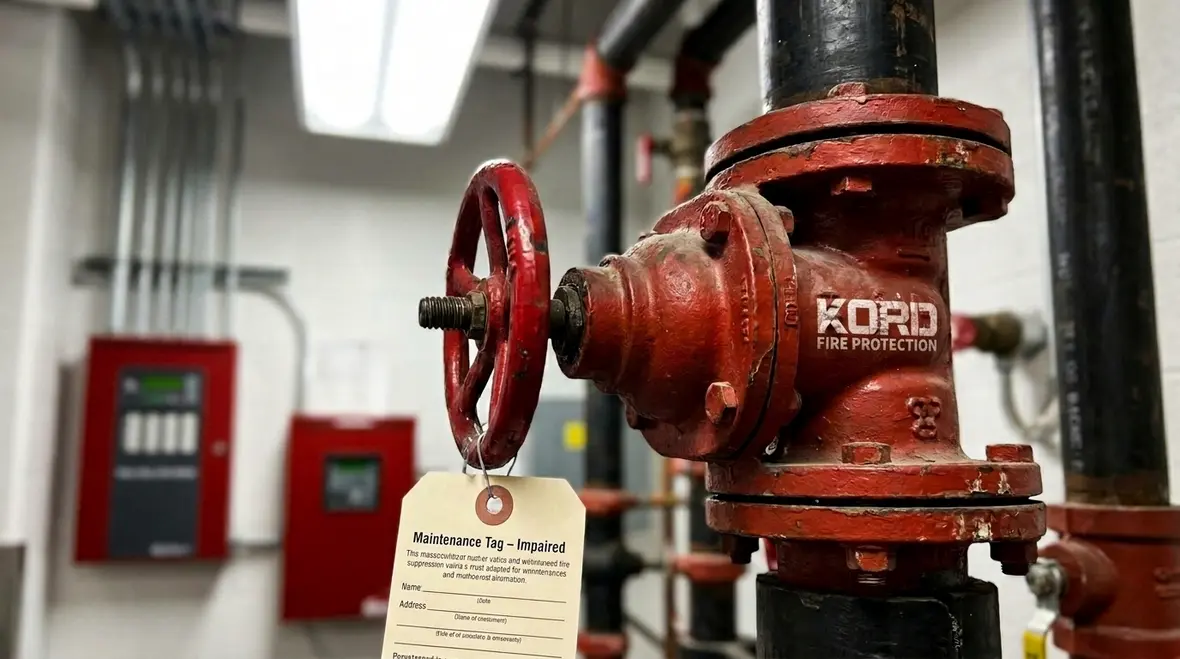
Fire Suppression Impairment Causes and Kord Support
Fire safety equipment is only helpful when it stays ready. That is why fire suppression impairment matters. In plain terms, a system can look installed and pass paperwork, yet still underperform when heat, smoke, or water flow becomes real. In these moments, owners often learn the hard way, like finding out your smoke alarm has a dead battery after the toaster catches fire. This article explains the most common causes of fire suppression impairment, the risks they create, and what owners can do to keep their protection system reliable. Also, Kord Fire Protection can become a vital partner by helping owners reduce downtime, document conditions, and move from “we think it is fine” to “it is proven.”

Fire suppression impairment in plain language: what it really means
Fire suppression impairment refers to any condition that limits how well the suppression system works. Depending on the system type, impairment can mean the system cannot discharge fully, cannot detect properly, cannot maintain required pressure, or cannot operate within the needed time. Sometimes impairments show up as software faults, valve position issues, damaged piping, or missing components. Other times, they appear after repairs, tenant buildouts, or changes to storage layouts.
To be clear, impairment does not always mean the system is totally broken. However, even partial impairment can reduce performance during an emergency. And in life safety, partial performance can still lead to big losses.
That is why smart owners do not stop at asking whether the system exists. They ask whether it is truly ready. A suppression setup can look polished on paper, hold the right tags, and still carry a hidden weakness that only shows up when pressure rises and seconds start disappearing. That is not the kind of surprise anyone wants during a real event.
Why readiness matters more than appearances
A ready system is one that has been inspected, tested, documented, and restored correctly after any issue. That sounds simple, but plenty of buildings live in the gray zone between installed and dependable. The lesson is straightforward: visible hardware does not automatically equal real protection.
Common impairment causes in real owner scenarios
Owners usually do not wake up planning to compromise their fire protection. Yet, systems get impaired through everyday business events. For example, a contractor may close a valve during maintenance and never restore it. A tenant might add rack storage that blocks coverage. Or a facility might run a routine test and then fail to correct a remaining issue.
- Valves and switches left in the wrong position after inspections or repairs
- Pressure or flow problems that reduce discharge performance
- Clogged strainers, damaged nozzles, or obstructions that prevent proper coverage
- Corrosion, leaks, or freeze damage in piping and sprinkler components
- Detection and control faults, such as device wiring issues or panel trouble
- Impairments from renovations, including ceiling changes and blocked heads
- Maintenance gaps, where inspections happen but corrections lag
Then comes the classic owner trap: “We will handle it next quarter.” Next quarter has a way of arriving with the same issue, only louder. To avoid that, owners need clear tracking and fast follow up.
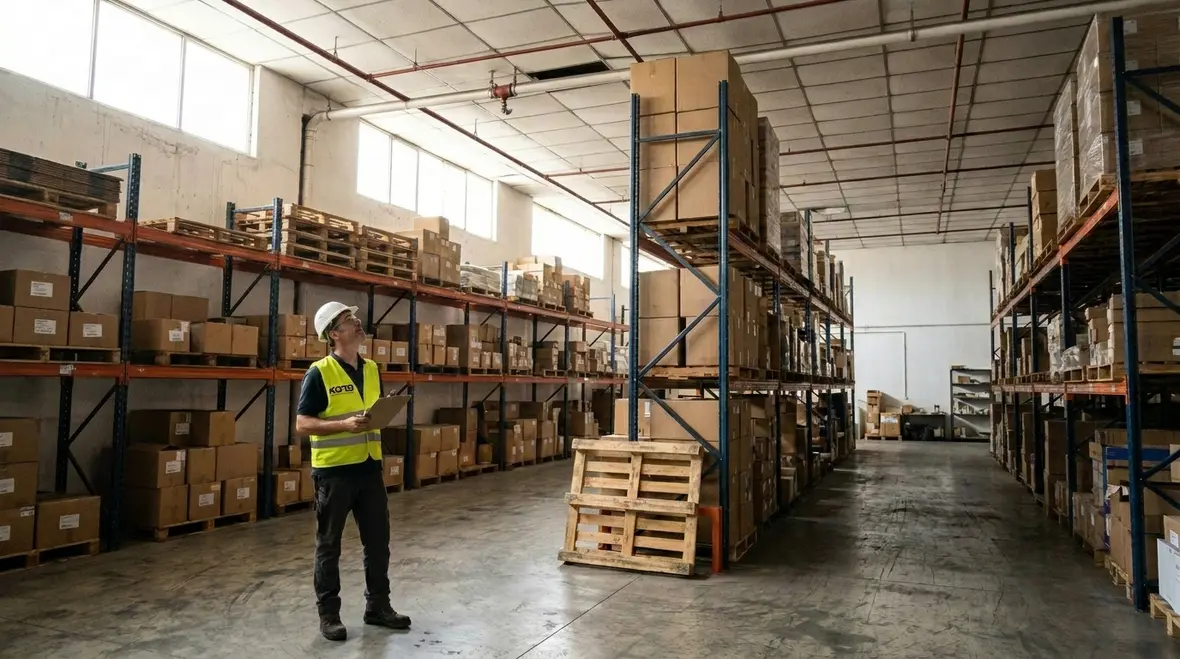
The everyday events that quietly create problems
Most impairments do not arrive with dramatic music and flashing lights. They build through normal work. Renovation crews move things. Service vendors finish one task and assume another person will close the loop. Storage creeps into protected spaces. Paperwork gets filed before the follow up is actually complete. That is how a manageable issue turns into a real exposure.
Related reading from Kord Fire Protection can help owners strengthen their process, including Fire Protection Impairment Management Guide and Fire Suppression System Maintenance Checklist Guide. These resources support the same basic truth: systems stay reliable when inspection results lead to action, not just paperwork.
How delays increase risk during an emergency
When an owner ignores impairment reports, several things can happen at once. First, the system may fail to activate. Next, it may discharge too slowly or with reduced coverage. And if the system depends on detection signals, delays in detection can also slow the response. Fire does not wait for better scheduling.
Also, delays can complicate insurance claims. Insurers may ask for proof of maintenance, testing, and correction of known issues. If impairment records show repeated postponement, the story becomes harder to defend. In other words, “we meant to fix it” does not put out flames.
Therefore, owners should treat impairments as time sensitive. They should also assign clear owners, deadlines, and documentation standards.
Delay multiplies both operational and financial damage
The danger is not only the fire itself. Delays can create a chain reaction of downtime, damaged inventory, interrupted production, evacuation stress, and difficult post incident questions. The longer an impairment sits open, the more chances there are for one small problem to become everybody’s biggest meeting of the week.
What inspection and documentation should look like
Owners often ask what “good” looks like. The answer is consistent records, clear impairment status, and evidence that repairs restored the system to a ready condition.
- System type and protected area, including any special hazards
- Test results for detection, control, and actuation components
- Current condition notes, including any out of service areas
- Impairment details with a cause and scope of impact
- Corrective actions taken, with dates and verification
- Operational status, such as restored and ready for service
- Recommended follow up and risk based timelines
Then, the smartest owners tie documentation to work orders and track closure. That way, a report becomes a plan, not a PDF that lives in a folder titled “Later.”
Records should prove readiness, not just activity
A stack of reports does not help much if nobody can tell what is still open, what was corrected, or whether verification ever happened. Owners who want stronger documentation habits may also want to review Fire Safety System Documentation for Compliance, Fire Protection System Documentation Checklist, and Fire Suppression Inspection Tag and Documentation Essentials. Those articles fit naturally with an impairment response program because clear records shorten confusion and speed up corrective work.
Build a smarter impairment response plan
Every facility needs a response plan that works even when no one feels like thinking. When impairment happens, staff should know who to call, what to do on site, and how to protect people until repairs complete.
- Immediate notification to the right internal contacts
- Temporary fire watch procedures, when required by the situation
- Area control steps to reduce risk where the system is affected
- Clear outage timelines for repair crews and inspection follow up
- Verification steps after corrective work, not just “we think it’s fixed”
- Communication records so decisions stay traceable
To keep this process smooth, Kord Fire Protection can support owners with planning, field coordination, and documentation practices. In many cases, that partnership helps reduce gaps between detection of a problem and restoration of full readiness.
A plan is only useful if people can follow it under pressure
The best response plans remove guesswork. They define contacts, timelines, temporary safeguards, and the point when restored service is actually verified. If a plan depends on one person remembering every detail from memory, it is not really a plan. It is wishful thinking wearing a clipboard.
How Kord Fire Protection helps owners close the gap
Even the best intentions create delays. Operations schedules, vendor coordination, parts lead times, and documentation requirements can stretch out corrective actions. However, Kord Fire Protection can become a vital partner by helping owners manage the entire life cycle of impairment events, from identification through verification and closeout.
| Owner priority | How support helps |
| Know the real condition fast | Clear impairment evaluation and field based findings |
| Fix without long downtime | Work coordination, follow up planning, and verification steps |
| Stay compliant on paper | Documentation that matches what inspectors and stakeholders need |
| Reduce repeat issues | Actionable recommendations tied to the real causes |
And yes, it helps owners avoid the modern nightmare: spending hours gathering info while the clock keeps running. Like a streaming show that auto plays, impairment issues always roll right into the next scene unless someone stops it.
For owners who want a broader picture of ongoing system reliability, Kord Fire Protection also offers useful reading such as Full Lifecycle of Fire Protection Explained, Fire Suppression System Pressure Testing for Safety, and Fire Suppression System Solenoid Testing and Checks. Together, these resources reinforce the same goal: know the system, verify the condition, and close the loop fast.
Fire suppression impairment FAQ
Owner next steps: protect people and your bottom line
Fire suppression impairment is not a problem owners should “hope away.” Instead, they should treat it like a safety signal and close the loop with fast, verified repairs. Review recent inspection findings, confirm whether any impairment notes remain open, and make sure documentation matches the current system condition. Then partner with Kord Fire Protection to streamline evaluation, corrections, and closeout verification. If someone tells you it can wait, ask what happens when fire does not. Act now and keep your system ready.
When owners want direct help, a strong next step is to explore Fire Suppression Services. That service page is a natural call to action for facilities that need inspections, repairs, documentation support, and a more dependable path from impairment discovery to restored readiness. Because at the end of the day, “probably fine” is not a fire protection strategy anybody should frame and hang on the wall.

Join Our Newsletter!
Get the latest fire safety tips delivered straight to your inbox From our Newsletter.



