
Fire Suppression Impairment Signs and Fixes by Kord Fire Protection
When a property owner learns about fire suppression system impairments, the news usually arrives like a late rent reminder, not a friendly knock. Yet these issues matter because they can stop a system from doing its job when heat, smoke, and chaos show up. In this guide, third person advice will explain how fire suppression impairment can form quietly, how owners can spot early warning signs, and what smart next steps protect people, property, and budgets. And because every owner wants fewer surprises, Kord Fire Protection can become a vital partner for service, inspections, documentation, and fast fixes when impairments appear. After all, nobody wants a “it looked fine on paper” moment during an emergency.
Common signs of a fire suppression impairment owners should track
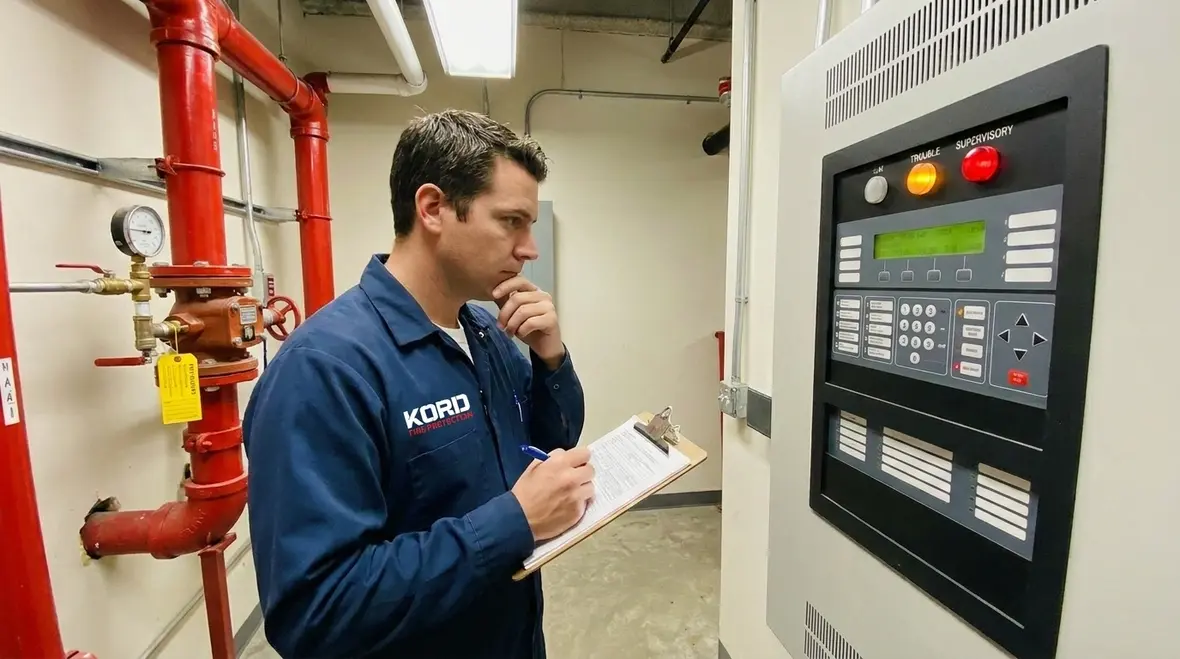
Owners often rely on the system running in the background, like a refrigerator that never makes noise. However, fire suppression impairment can show up in ways that do not feel dramatic at first. For example, monitoring panels might display trouble signals, zones may stay out of service longer than expected, or maintenance tags may lag behind real life. In addition, owners may notice that technicians cannot fully restore system status after testing.
As systems age, minor changes can pile up. Therefore, owners should watch for recurring low air pressure in dry systems, valve supervisory issues, corrosion on piping, and sprinkler head damage from routine construction. They should also track controller alerts, tamper switches, and any changes to fire alarm interfaces that affect release timing. That broader view matters because integrated systems do not fail in neat little categories. A problem in detection, monitoring, or control can still ripple into suppression performance, which is why a building that “mostly works” is not nearly as comforting as it sounds.
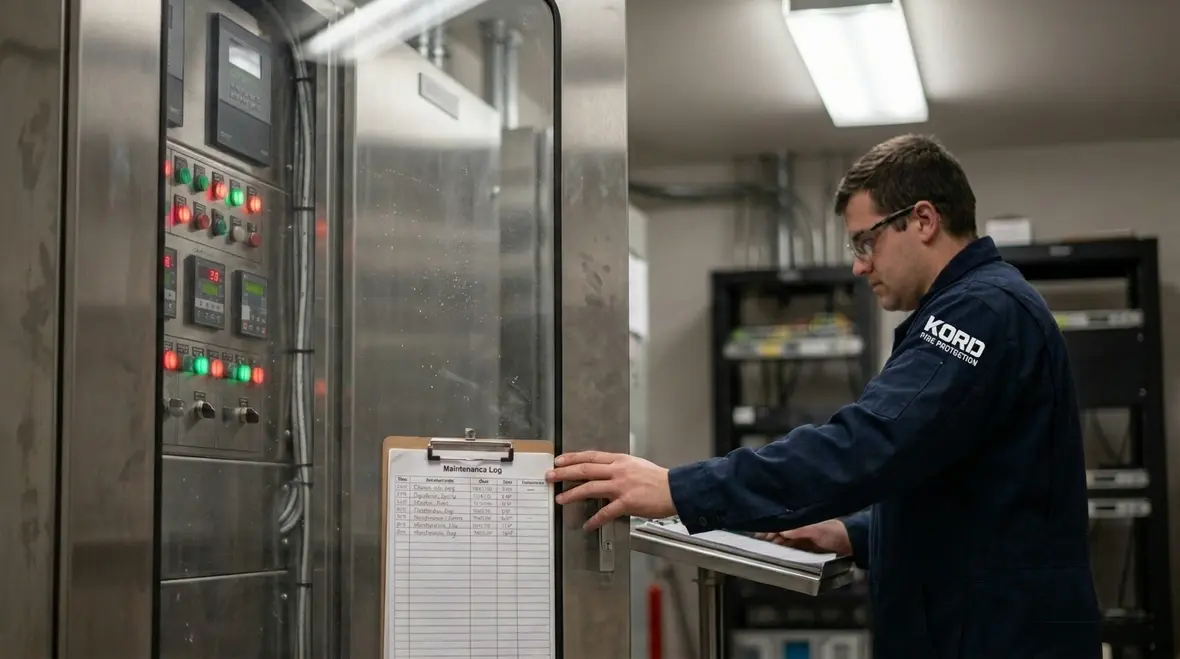
To keep it practical, owners can maintain a simple log with dates, system locations, fault codes, and actions taken. Then they can connect these notes to service records. That one habit often turns “mystery impairment” into “known cause with a plan,” which is a lot less stressful than trying to solve it during a fire drill. For related guidance on coordinating outages and restoring protection properly, owners can also review Kord Fire Protection’s impairment management guide.
How impairments affect performance during real emergencies
A fire suppression system only performs when it actuates correctly, delivers the right agent, and maintains pressure and flow. When a fire suppression impairment exists, the system may still look intact, but its real world response can weaken. For instance, a supervisory problem might prevent alarms from triggering the correct response sequence. Likewise, a valve that does not fully open can slow discharge, which matters because seconds drive survivability.
Furthermore, when components sit outside listed limits, such as pressure below required thresholds or clogged nozzles, the system may not cover the hazard area properly. Even if sprinklers discharge, blocked lines or damaged heads can create gaps. That is why impairment management focuses on more than “it works sometimes.” It focuses on reliable actuation and consistent coverage. The danger with hidden impairment is not just outright failure. Sometimes it is partial performance that gives everyone false confidence right up until the moment confidence becomes a very poor substitute for actual water, agent discharge, or alarm sequencing.
Some owners think impairments only relate to the suppression portion. However, in many buildings, cross connections to detection, monitoring, and control panels can influence performance. Therefore, owners should ensure their systems get reviewed as integrated networks, not as separate parts living in different worlds. Owners who want a broader picture of how service and testing fit together can also explore the full lifecycle of fire protection servicing, which pairs well with suppression readiness planning.
Inspection, testing, and recordkeeping that prevent repeat problems
Owners can reduce risk by tightening the loop between inspections and what gets fixed. First, they should confirm that scheduled maintenance aligns with the system type and local code requirements. Then they should ensure testing includes the aspects that connect directly to system readiness, such as pressure tests, valve position verification, and actuator checks. Next, they should require clear documentation that spells out what failed, what caused it, and what changed.
Without accurate records, impairments can return under a new name. A technician might note a “restored status” outcome, but the building owner might never see the root cause. So, owners should request a correction summary and any follow up actions that connect to the next inspection cycle. That extra clarity can mean the difference between a one time repair and a recurring invoice that keeps reappearing like a bad sequel nobody asked for.
Here is a straightforward way to organize data. Owners can ask service providers to include photos of affected components when practical and to list any devices that require replacement. Then they can confirm that the building team knows where spare parts sit and who has authority to approve quick repairs. For owners trying to spot compliance issues early, common fire code violations found in inspections is another useful Kord Fire Protection resource to keep on hand.
What good documentation should include
- Date and location of the impairment
- System type and affected components
- Trouble codes, supervisory signals, or observed failures
- Temporary safety measures taken during downtime
- Repair actions completed and pending items
- Verification testing results after restoration
Owner responsibilities during upgrades, tenant work, and construction
Impairments can also arrive during “normal” changes, because construction crews treat fire protection lines like background scenery. Still, these systems run the building’s safety plan. Therefore, owners should build a process that controls modifications to sprinkler piping, detection devices, valves, and release panels.
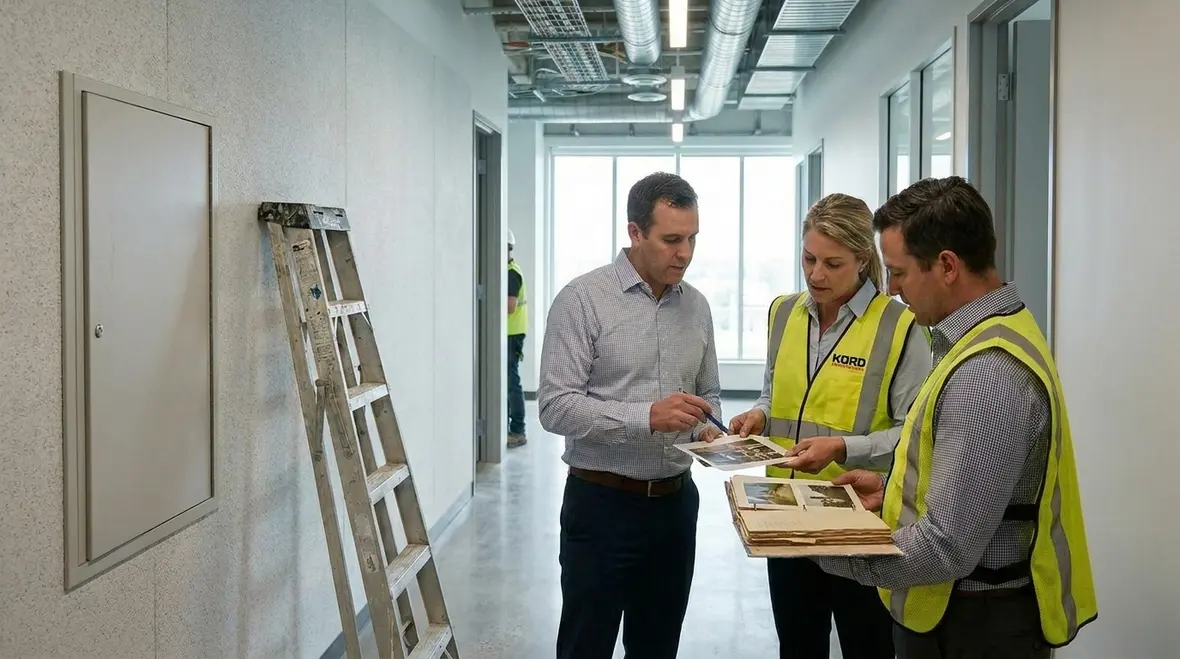
When tenants remodel, contractors may reroute lines, cap heads, or adjust partitions in ways that affect coverage. Even temporary protections can fail if the system stays partially disabled. As a result, owners should require a permit workflow that flags fire protection impacts early, not after drywall goes up. That is much easier than discovering a hidden issue later when everyone on the project suddenly becomes very talented at saying, “I thought someone else handled it.”
Owners can also set expectations for life safety coordination during work. For example, they can require that any shutdown follows a documented impairment procedure with compensating measures. Then they can verify the system returns to service fully, not just “mostly.” If this sounds like extra admin, it is. However, it prevents the kind of surprise that makes people reach for their phones and call it an emergency, because they waited too long. Teams managing tenant changes can also benefit from Kord Fire Protection’s broader inspection readiness guidance when preparing for reviews and approvals.
Choosing a partner for fast repairs and full accountability
Many owners treat fire protection as a box to check. Yet Kord Fire Protection shows how this service can become a vital partner when impairments appear and when owners want clear, accountable action. Because when a fire suppression impairment triggers trouble signals, time matters. Kord Fire Protection can support the owner by responding with competent troubleshooting, verification testing, and documentation that holds up during audits.
Additionally, a good partner helps owners avoid the cycle of recurring failures. Instead of swapping parts without insight, the team should identify root causes such as recurring valve issues, sensor drift, or installation problems created during earlier work. Then the team can recommend corrections that improve long term reliability. The right service partner does not just fix what is noisy today. They help explain why it became noisy in the first place, which is usually the part owners actually want answered.
And yes, it helps to have someone who can explain findings in plain language. Fire protection reports can look like they were written by a very determined robot. Kord Fire Protection can translate the technical details into a practical plan, so owners know what needs attention now and what can wait, without guessing. Near the end of that plan, owners who need broader coverage can connect directly with Kord Fire Protection’s full fire protection services for inspection, repair, and readiness support.
Dual column actions owners can take this month
Quick checks that reduce risk
| Owner action | Why it matters |
| Review current impairment logs and trouble codes | Owners catch issues early and confirm status restoration |
| Confirm last test dates and next due dates | Systems stay ready instead of drifting out of schedule |
| Verify documentation matches installed equipment | Records help during audits and reduce confusion later |
| Set a change control rule for tenant remodels | Owners prevent accidental shutoffs and coverage gaps |
| Ask for a prioritized repair plan after inspections | Owners can budget and act before problems escalate |
FAQ: fire suppression impairment and system readiness
Take action now to protect people and property
Fire suppression system impairments do not announce themselves with fireworks. They show up as trouble codes, delayed restoration, and small changes that quietly undermine readiness. Owners should track signs, tighten inspection follow up, and control construction impacts so the system stays ready. If a problem appears, do not gamble with “maybe it will be fine.”
Contact Kord Fire Protection for a clear assessment, fast repair support, and documentation that keeps the building team aligned. Your next safety step should be simple: act early, verify fully, and sleep better.

Join Our Newsletter!
Get the latest fire safety tips delivered straight to your inbox From our Newsletter.



