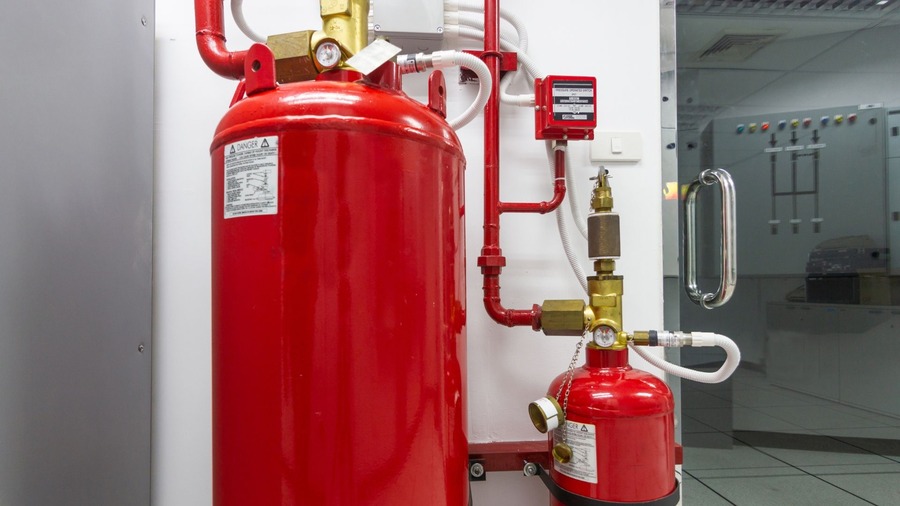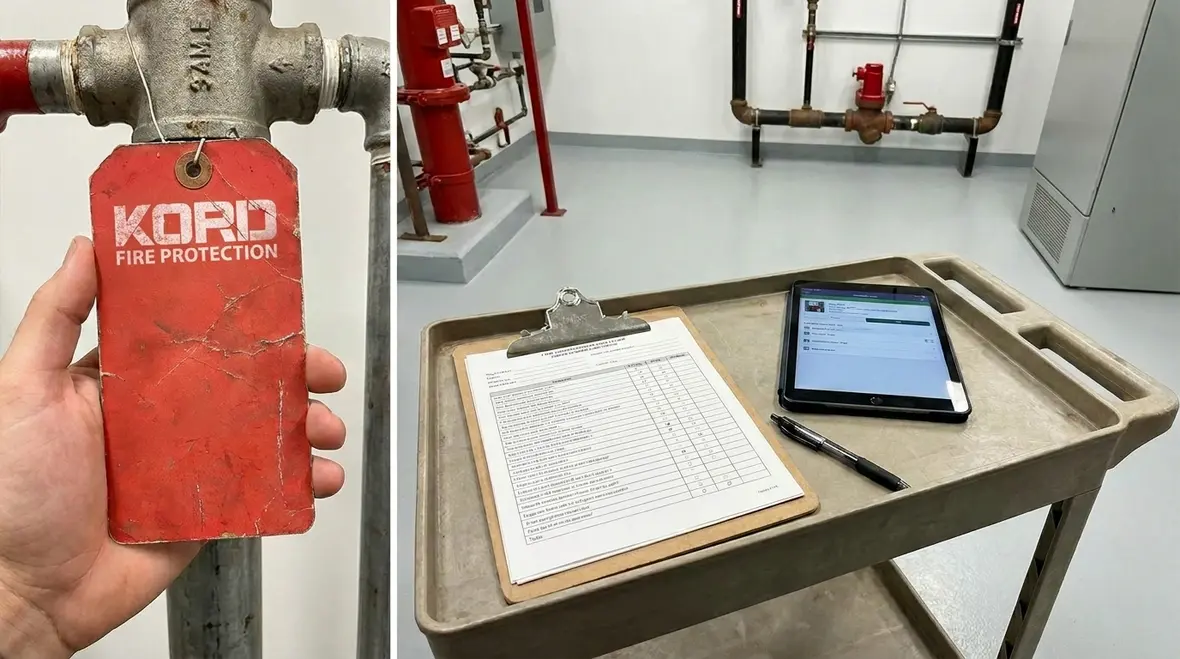
Fire Suppression Inspection Tag and Documentation Essentials
When a facility needs to pass inspections and stay safe, documentation matters as much as the hardware. The fire suppression inspection tag acts like a guided checklist for what was inspected, what was found, and what must happen next. However, the tag only works well when the rest of the records are accurate. That is where fire suppression system tags and documentation become the quiet backbone of reliable compliance. And yes, the paperwork can feel as exciting as a dull training video from 1997, but done right, it keeps people safe and keeps vendors from guessing.
A strong documentation process also makes life easier for the people actually responsible for keeping the building ready. Facility managers, maintenance coordinators, service vendors, and inspectors all rely on the same trail of evidence. If that trail is clear, everyone moves faster. If it is messy, every routine inspection turns into a scavenger hunt with clipboards. That is not a fun genre.
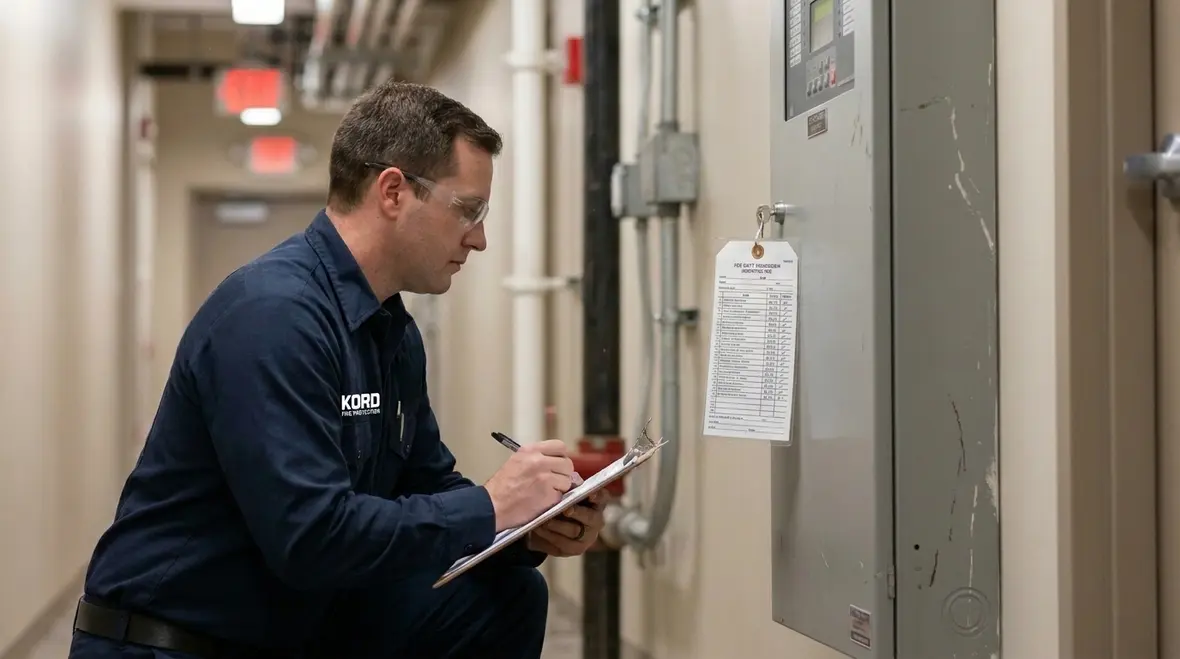
Why fire suppression system tags exist
Fire suppression systems fail for two main reasons: something breaks, or nobody can prove what was done and when. Tags and documentation attack both problems. First, tags identify the equipment clearly. Then, documentation shows the system’s condition over time. Together, they reduce confusion during inspections, service visits, and emergency situations.
For example, a properly labeled suppression component lets technicians confirm the right zone, hazard type, and device model without digging through diagrams like a detective in a bad crime show. Also, clear tags help facilities avoid the classic mistake of treating a kitchen hood system like a clean room system. That is a recipe for extra visits, extra costs, and that awkward “we should have known” meeting.
On a busy site, tags serve as the fast reference point when time is short. A technician standing in front of a cabinet, valve, cylinder, or releasing panel should not need a dramatic backstory just to know what they are looking at. The tag provides that first layer of clarity. The documentation provides the second. One without the other is like labeling a folder but leaving it empty.
Tags create continuity between service visits
Suppression systems may be inspected by different technicians over the years, especially in larger facilities or multi site portfolios. Consistent tags make sure the next person sees the same identifiers, status notes, and location references the last person used. That continuity matters because good service should not depend on one technician having a great memory and a lucky coffee that morning.
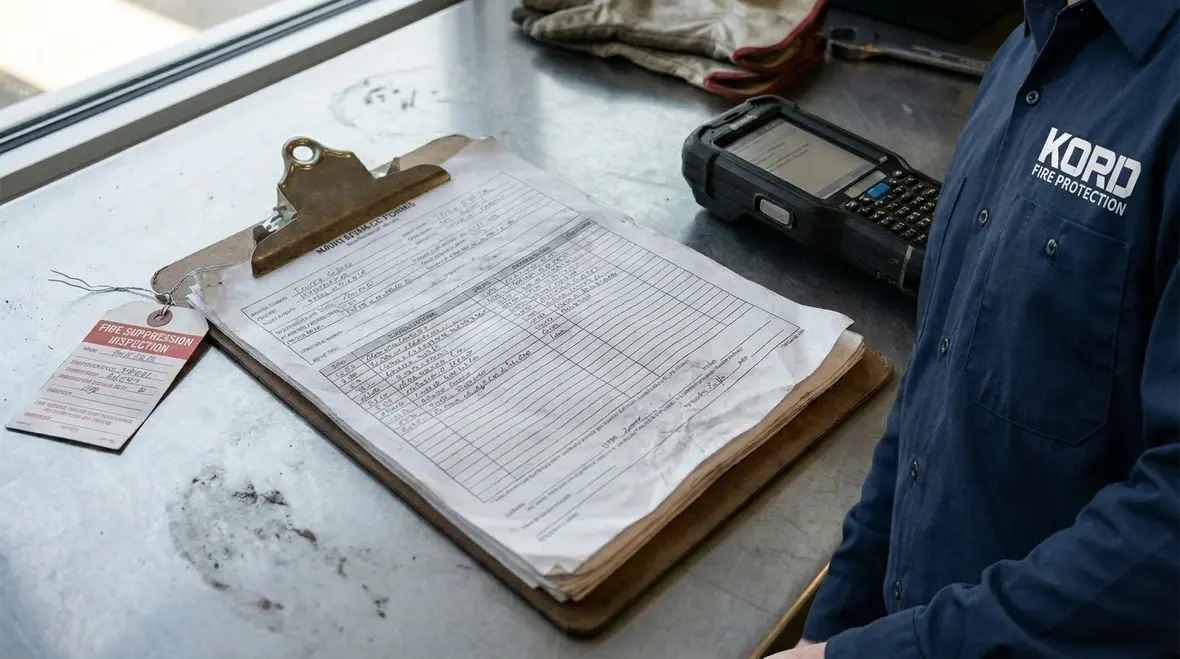
What information belongs on tags
Most fire suppression tags should include enough details that the next technician can act without asking ten questions. Typically, this includes the system type, protected area or zone, device identification, and service status. It should also include the inspection or service date and the name or company that performed the work. If local rules require certifications, tags should reflect those too.
In addition, good tags connect to documentation. The tag tells the story at a glance. The records back it up. Therefore, the facility builds a chain of accountability that supports compliance audits, insurance reviews, and internal safety programs.
The smartest tagging format is the one that stays readable, consistent, and useful long after the original installer has moved on. Tiny handwriting, vague abbreviations, or labels that only make sense to one vendor do not help anybody. If a tag needs translation every time someone reads it, the system is already losing time.
Below is a practical way to think about what tags should capture:
- System identification such as piping, cabinet, and control panel references
- Location or zone labeling to match floor plans and schematics
- Device details such as manufacturer, model, and service date
- Inspection findings and any required corrective actions
- Reference to the associated report stored in the facility file
Readable tags support better decisions
When labels are direct and standardized, service teams can identify whether they are looking at a clean agent cylinder, a dry chemical component, a releasing panel, or a zone valve without hesitation. That level of clarity shortens troubleshooting time and helps keep follow up work focused on the actual issue instead of the mystery of what somebody meant six months ago.
Documentation that actually helps during inspections
Facilities often collect documents, but not all records help when inspectors arrive. To stay ready, the documentation should be organized, current, and easy to verify. First, the facility needs a consistent record structure. Then it needs to tie each tag to a specific report. Finally, it should track corrections and follow ups.
Effective documentation usually includes inspection checklists, test results, and maintenance history. It also includes evidence of component condition such as visual checks, pressure readings, flow tests, or discharge test notes where applicable. Even when tests do not run every time, the records should explain what was verified and what was not.
When documentation stays clean and traceable, the inspection process moves faster. As a result, the facility spends less time explaining and more time operating. And operating is the whole point. Fire protection exists so people can keep doing their jobs, not so they can become full time librarians of safety forms.
A practical documentation set should answer four questions quickly: what equipment was involved, what was checked, what condition it was in, and what happens next. If the records cannot answer those questions within a few minutes, they probably need reorganization. Inspection readiness is less about having a mountain of files and more about having the right ones easy to find.
How zones, drawings, and labels must match
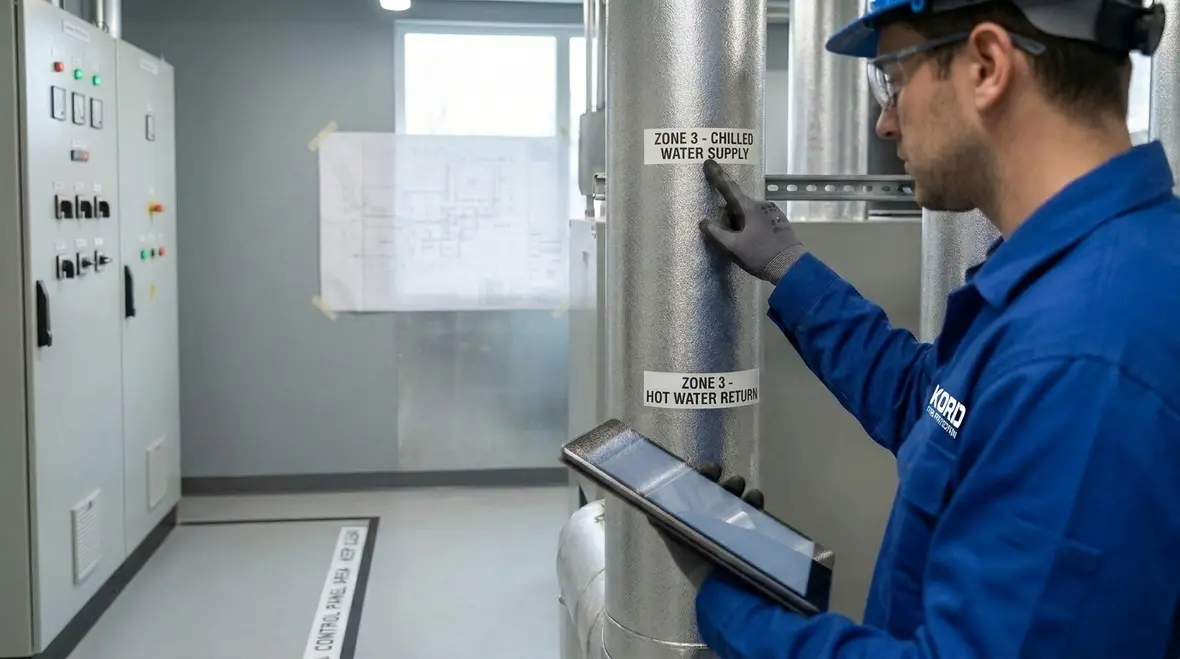
Tags do not live in isolation. They must match the real world, meaning they should align with drawings, as built documents, and zone maps. If the labels point to one area but the system protects another, then the documentation becomes a guessing game. Inspectors notice that immediately, and so do insurance adjusters.
To keep everything aligned, the facility should maintain a current set of drawings and update them after modifications. Technicians should verify that the tag location matches the physical install. They should also verify that device identifiers match the control panel references. Then, the inspection records should cite the same identifiers.
In practice, this matters for both water based systems and non water systems. Also, it matters for special hazards. If a facility operates multiple risk areas, tags should clearly separate them. That avoids the classic “one system for everything” assumption that shows up after renovations. Yes, renovations are great. They are also famous for moving walls and forgetting labels.
Why mismatch creates expensive delays
When zone labels, plans, and field conditions do not line up, every service event takes longer. Technicians spend extra time verifying coverage, tracing circuits, checking devices, and confirming whether the paperwork reflects the system that actually exists today. That slows down corrective action and makes inspection conversations harder than they need to be. Nobody enjoys explaining why Zone 3 appears to protect a room that was turned into a storage closet two remodels ago.
Dual column recordkeeping for faster service response
When maintenance requests come in, technicians need quick answers. Therefore, many facilities benefit from a simple two column structure that connects the tag to the report and the report to the next action. One side lists the equipment identifiers and the other side lists the documentation references and status.
With this approach, a service team can respond with less confusion. Consequently, the facility reduces downtime, and documentation becomes a tool instead of a burden.
This format is especially helpful when multiple vendors, shifts, or departments interact with the same system. Everyone can scan the left side for what the device is and the right side for what happened, what still needs attention, and when it is due. It is simple, fast, and refreshingly free of detective work.
Why Kord Fire Protection becomes a vital partner
Good tags and solid documentation do not happen by accident. They require disciplined service practices and consistent recordkeeping. This is where Kord Fire Protection can become a vital partner with this service job. They help facilities build a system that stays organized across seasons, renovations, and staffing changes. In other words, they help the facility keep the story straight.
Instead of handing over reports that nobody can find later, a strong partner standardizes labeling and documentation formats. Then, they align tag details with actual equipment. After that, they track corrective actions and ensure follow ups do not get lost in a crowded calendar. That means fewer surprises during inspections and fewer repeat visits because the paperwork did not match the field reality.
Additionally, Kord Fire Protection supports facilities that want a smoother compliance workflow. As a result, the organization spends less time reacting and more time preparing. And while fire suppression is not the place for improvisation, the service process should feel calm, clear, and under control.
For broader support across inspection readiness, testing, and repairs, facilities can also explore Full Fire Protection Services. Teams that want more context around recordkeeping and inspection readiness may also find value in Fire Safety System Documentation for Compliance, Fire Safety Compliance Management with Automated Documentation, and Fire Suppression System Integration for Life Safety.
FAQ for fire suppression tags and documentation
CTA: request a documentation and tag review today
If the facility needs clearer records, stronger labeling, and a more confident inspection process, Kord Fire Protection can help. They support fire suppression documentation that stays organized, aligned, and ready when service teams and inspectors show up. Schedule a review and get a plan that improves tags, connects them to the right records, and tracks next steps.
Fire protection should feel steady, not stressful. Reach out through Kord Fire Protection Fire Suppression Services or explore Full Fire Protection Services to build a cleaner, faster, and more inspection ready documentation process for the next cycle.

Join Our Newsletter!
Get the latest fire safety tips delivered straight to your inbox From our Newsletter.